


.webp)
October 16, 2026
|
5 min read


.webp)
Blazingly fast way to build, track and deploy your models!
Requestyは、単一のAPIを通じて数百のモデルにアクセスできる統合LLMゲートウェイを提供しています。公開されている料金体系はシンプルです。従量課金制のユーザーは、上流モデルの利用料に対して5%のマークアップを支払います。標準的なシート料金や最低利用期間の縛りはありません。エンタープライズプランは個別見積もりとなります。
このモデルは、インフラ構築の手間を最小限に抑えつつ、幅広いモデルにアクセスできる管理型AIゲートウェイを求めるチームに適しています。Requestyには、600以上のモデルにわたるルーティング、キャッシュ、フェイルオーバー、支出管理、オブザーバビリティ(可観測性)機能が含まれています。また、独自のプロバイダーキーを持ち込むことも可能で、その場合、現在のRequestyの規定ではマークアップは0%となります。
そのため、エンタープライズ企業の担当者は、提示されたパーセンテージだけでなく、より広い視点で検討する必要があります。実際のRequesty AIのコストは、モデルの選択、トラフィック、プロバイダーとの契約内容、出力サイズ、エージェントの再試行回数によって変動します。また、セキュリティ要件やプライベート環境へのデプロイの必要性も、最終的なプラットフォーム選定に影響を与える可能性があります。
Requestyは3つの料金プランを提供しています。無料プランでは、1日200リクエストまでモデルにアクセスでき、クレジットカード登録も不要です。従量課金プランでは、上流モデルの料金に5%が上乗せされます。エンタープライズプランの料金は、組織の管理要件、サポート体制、交渉内容に応じて決定されます。
APIキーを使用することで、アプリケーションは統合エンドポイント経由でアクセスが可能になります。BYOKは、OpenAIやAnthropicなどのベンダーと個別に料金交渉を行っている企業にとって重要です。これにより、チームは既存の契約を維持したまま、Requestyのルーティングおよび監視レイヤーを活用できます。
以下の例では、100万トークンあたり10ドルのモデルを使用し、Requestyの5%従量課金構造でアクセスする場合を想定しています。BYOKを利用するワークロードでは、Requestyの現在の規定でマークアップが0%となっているため、ゲートウェイの経済性は異なります。
シナリオ
月間トークン数
プロバイダー利用料
5% Requesty手数料
合計
個人向けプロトタイプ
500万
$50
$2.50
$52.50
小規模プロダクトチーム
5,000万
$500
$25
$525
拡大中の本番ワークロード
5億
$5,000
$250
$5,250
マルチサービスエージェントプラットフォーム
25億
25,000ドル
1,250ドル
26,250ドル
大規模エンタープライズワークロード
100億
100,000ドル
5,000ドル
105,000ドル
これらの数値は、顧客の予想支出額ではなく、価格設定の構造を示すものです。実際のモデルコストは、プロバイダーやモデルによって大きく異なります。また、GPT、Gemini、Claude、Mistralでは、入力、出力、キャッシュされたトークンごとに価格が異なる場合があります。
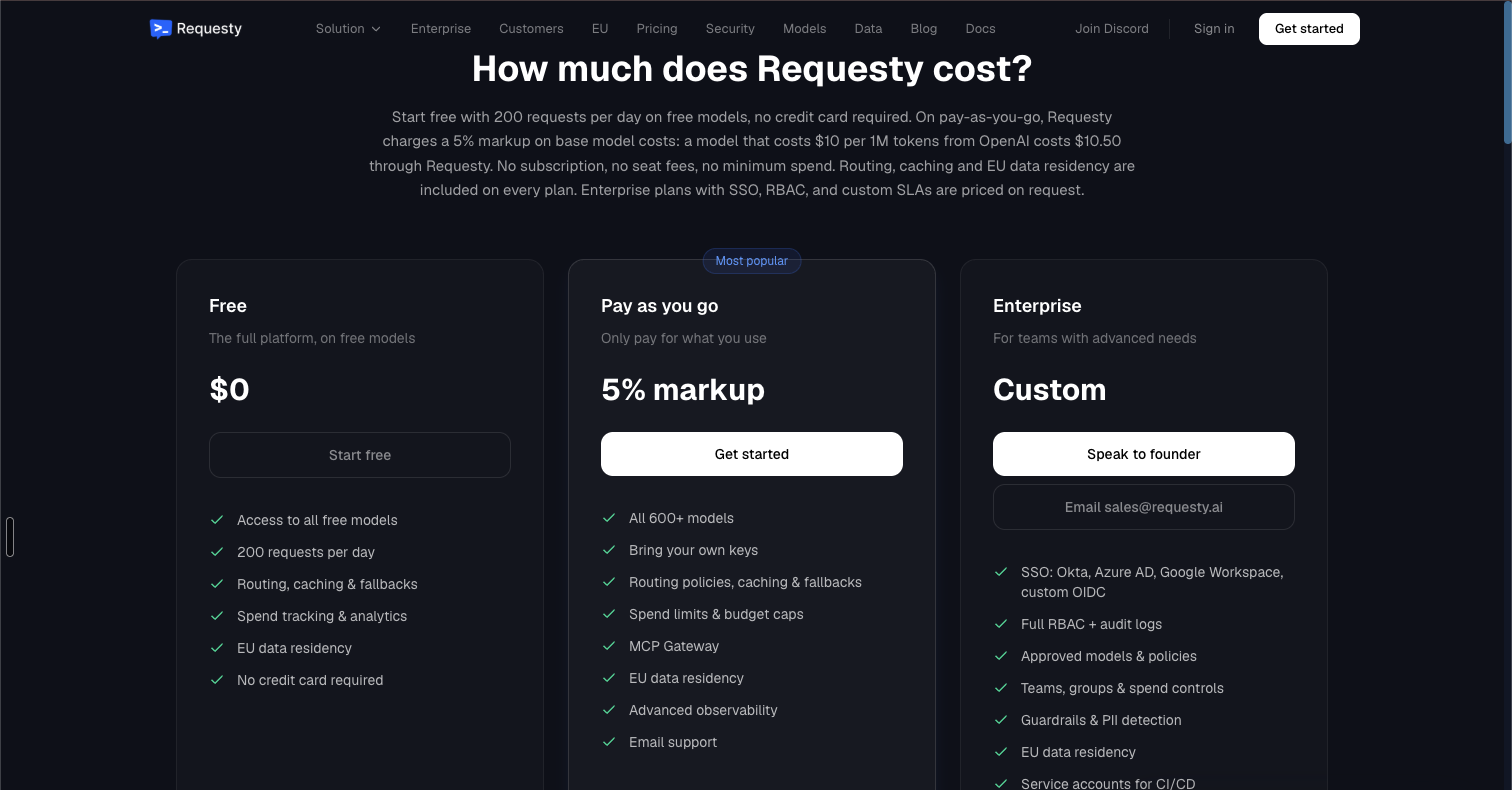
代替テキスト: Requestyの料金ページ。無料利用枠と有料ゲートウェイプランの比較
これにより、予測可能な従量課金制を求める初期段階のチームにとって、Requestyは非常に分かりやすいものとなっています。導入は簡単で、財務部門への説明も容易です。料金ページ全体が1画面で完結しています。
料金エリア
Requestyが提供するもの
チームが確認すべきこと
標準料金
基本モデルコストへの5%のマークアップ
実際のプロバイダーとモデルの組み合わせ
サブスクリプション料金
サブスクリプションの記載なし
エンタープライズプランは異なる場合があります
シート料金
シート料金の記載なし
管理者およびチームのニーズ
最低利用料金
最低利用料金の記載なし
交渉によるボリュームコミットメント
エンタープライズ向け価格
カスタム価格
SSO、RBAC、SLA、サポート
Requestyは、大規模言語モデル(LLM)向けのマネージドゲートウェイとして機能します。このプラットフォームは、モデルへのアクセス、信頼性、コスト管理、キャッシュ、モニタリングを網羅しています。OpenAI、Anthropic、Google、AWS Bedrock、Gemini、Mistralなどのプロバイダーを、単一の互換インターフェースを通じてサポートしています。
ゲートウェイ層には、モデルアクセス以外にも以下の機能が含まれています。
Requestyは、成功率、ストリーミングの採用状況、キャッシュヒット率など、プロバイダーレベルの運用データも公開しています。これらの違いは、モデルの選択だけで本番環境のパフォーマンスが決まるわけではないことを示しています。プロバイダーの信頼性は、ルーティングの判断に重大な影響を与える可能性があります。
Requestyは、OpenAI互換インターフェースを通じてトラフィックをルーティングします。既存のOpenAI SDK統合は、ベースURLとRequestyの認証情報を変更するだけで切り替え可能です。このパターンは、一般的な開発ツールやフレームワークの多くでそのまま利用できます。
すでにOpenAI SDKを使用している場合は、ルーターのエンドポイントを router.requesty.ai に指定し、モデル文字列を以下のように変更します。
import os
from openai import OpenAI
client = OpenAI(
api_key=os.environ["REQUESTY_API_KEY"],
base_url="https://router.requesty.ai/v1",
)
response = client.chat.completions.create(
model="openai/gpt-4o",
messages=[{"role": "user", "content": "このインシデントレポートを要約してください。"}],
)
モデルは「プロバイダー名/モデル名」という構文に従います。また、「policy/ポリシー名」でルーティングポリシーを参照すれば、ゲートウェイが自動的にモデルを選択することも可能です。
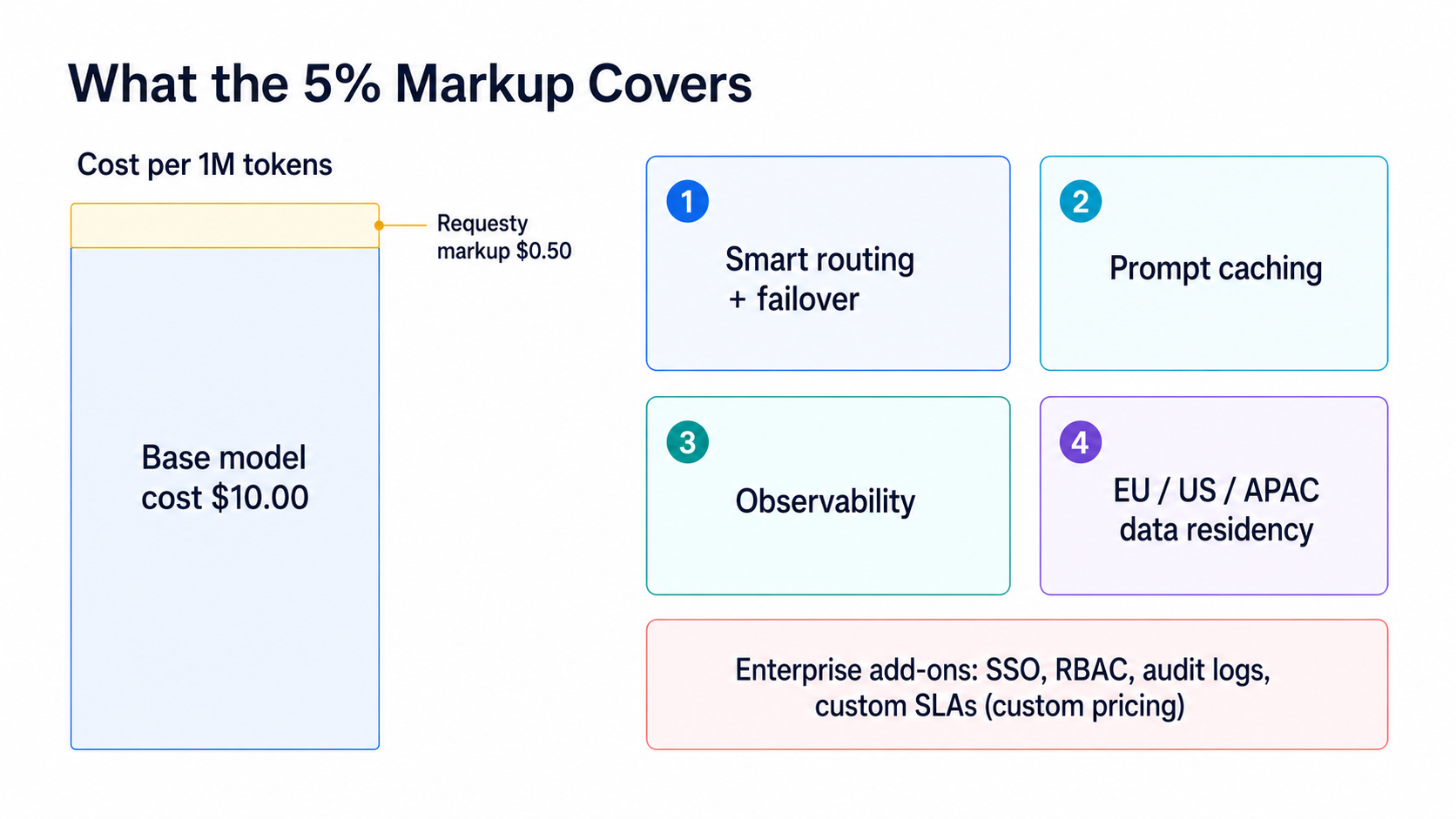
図1:5%のマークアップは単なるモデルへのアクセス権ではなく、ホスト型ゲートウェイレイヤーの利用料です
代替テキスト: Requestyゲートウェイ料金には、ルーティング、キャッシュ、監視、フェイルオーバーが含まれます
パーセンテージ自体は単純ですが、本番環境のトラフィックはそう簡単ではありません。財務チームは、リクエスト量、コンテキストサイズ、出力、再試行、ルーティング、プロバイダーの選択などを予測する必要があります。また、繰り返し発生するコンテンツがキャッシュ割引の対象となれば、実質的な支出額も変動します。
エージェント型のワークロードでは、ユーザーの1つのアクションが複数のモデル呼び出しをトリガーする可能性があるため、予測はさらに困難になります。また、エラーや容量不足が発生した際にルーターがモデルを切り替えることもあります。そのため、フォールバックポリシーの違いによって、信頼性と総コストの両方が変化する可能性があります。
単純な例として、100万トークンあたり10ドルのモデルで月間25億トークンを消費する場合を考えてみましょう。プロバイダーへの支払いは25,000ドルとなります。ここにRequestyの従量課金5%が加わると、1,250ドルの追加費用が発生します。BYOK(Bring Your Own Key)を利用する場合、Requestyは現在、独自のプロバイダーキーにはマークアップを適用しないとしているため、この計算は変わってきます。
ここから得られる教訓は、パーセンテージベースの価格設定はプロバイダーの支出額に連動するということです。チームは平均トークン価格に頼るのではなく、実際の請求書に基づいた利用パターンをモデル化すべきです。TrueFoundryの LLMコスト最適化ガイド では、ルーティング、キャッシュ、予算管理、属性分析が本番環境のAI支出にどのような影響を与えるかを解説しています。
コスト要因
重要性
モデルの選択
高性能なフロンティアモデルは、リクエストあたりのコストを上昇させる可能性がある
出力長
応答が長くなるほどトークン消費量が増加します
エージェントの再試行
マルチステップのワークフローは推論回数を増大させる可能性があります
キャッシュヒット率
ヒット率が低いとキャッシュによる節約効果が減少します
ルート選択
プロバイダーによって価格が異なる場合があります
エンタープライズ管理機能
高度な要件により契約価格が変更される場合があります
予算管理には、アラート、利用上限、強制停止の設定も考慮する必要があります。Requestyは予算上限設定と自動停止機能をサポートしています。支出の監視と支出の停止はそれぞれ異なる運用上の要件を満たすため、この区別は重要です。
RequestyとTrueFoundryでは価格モデルが異なります。Requestyは、標準的な従量課金制のトラフィックに対し、アップストリームのモデルコストに5%のマークアップを上乗せします。一方、TrueFoundryはプランベースの価格設定を採用しており、無料のDeveloperティアから利用可能です。同社の 料金プラン は、リクエスト数やプラットフォームの要件に応じてスケールします。
利用規模が拡大するにつれ、この違いが重要になります。Requestyのコストはプロバイダーへの支出に連動するため、高価なモデルの使用や出力の増加はゲートウェイ手数料の増加につながります。対照的に、TrueFoundryの価格設定はリクエスト許容量に基づいています。そのため、リクエスト数よりもモデルの利用料金が急速に増加する場合、ガバナンスコストの予測が立てやすくなります。
価格項目
Requesty AI
TrueFoundry
エントリー価格
無料プランあり
Developerプラン:月額0ドルから
標準価格
プロバイダー利用料に5%上乗せ
Proプラン:月額499ドルから
高度な制御機能
エンタープライズ向けカスタム価格
Pro Plusプラン:月額2,999ドル
エンタープライズ価格
カスタム
カスタム
課金基準
モデル利用料のパーセンテージ
リクエスト数に基づくプラン許容量
デプロイメント
マネージドクラウド
SaaS、VPC、オンプレミス、エアギャップ環境
デプロイメントの面でもう一つの違いがあります。Requestyはマネージドクラウドサービスですが、TrueFoundryの AI Gateway は、企業のインフラストラクチャ内で実行することも可能です。これは、プロンプト、ログ、ガバナンス管理を承認されたセキュリティ境界内に留める必要がある場合に重要となります。
どちらの料金モデルが必ずしも安いとは限りません。パーセンテージベースの料金体系は、小規模なワークロードや変動の激しいワークロードに適している場合があります。リクエストベースのプランは、本番環境での利用が増えるにつれて予測可能性が高まる可能性があります。
他のホスト型ゲートウェイを検討しているチームは、TrueFoundryの OpenRouterの料金分析 も併せてご確認ください。別の従量課金モデルについて解説しています。また、 LiteLLMの料金ガイド は、オープンソースのゲートウェイインフラストラクチャを検討しているチームにとって有益な比較資料となります。
最終的な決定にあたっては、Requesty AIの料金、モデルの利用状況、デプロイメントのニーズ、そして本番環境で求められるガバナンスのレベルを考慮する必要があります。

図2:料金の違いは、実質的にはデプロイメントの違いです。ホスト型のパススルーか、それとも境界内で実行されるゲートウェイかという点です。
代替テキスト: RequestyとTrueFoundryの主な違いは、企業のデプロイメント境界にあります
Requestyは、ゲートウェイインフラストラクチャを運用することなくモデルを選択したいチームに適しています。マネージドサービスであるためセットアップの手間が省け、スマートルーティング、フェイルオーバー、モニタリング、予算管理といった機能も利用できます。そのため、初期段階のワークロードにおいては、プロバイダーと直接統合するよりも優れた代替手段となる場合があります。
Requestyは以下のような場合に適しています:
Requestyの統合キーを使用して、プロバイダーに月額500ドルを支払うプロダクトチームを例に挙げます。現在の5%の料金体系では、ゲートウェイ手数料は約25ドルとなります。この規模で同等のルーティングや監視機能を自社構築することは、コスト対効果の面で現実的ではありません。
トラフィックが複数のチームやエージェントワークフローに分散されると、状況は変わります。大規模な環境では、より強力な構成管理、詳細なメタデータ、プライベートネットワーク、統合されたIDポリシーが求められるようになります。多くの場合、こうした要件はパーセンテージの手数料そのものよりも重要になります。
CROバナー:
タイトル: AIガバナンスをホスト型モデルルーティングの先へ
サブテキスト: モデル、ツール、エージェント、予算、ポリシーを一つのゲートウェイで管理
CTA: 始める
代替テキスト: TrueFoundryは、ホスト型モデルルーティングを超えたエンタープライズAIガバナンスを一元化します
リンク: https://www.truefoundry.com/book-demo?ref=requesty_ai_pricing
Requesty AIは、アーキテクチャの要件がそのデプロイメントモデルの範囲を超えた場合でも、価格面では魅力的な選択肢であり続けます。Requestyはフルマネージドサービスであり、現時点ではセルフホスティングを提供していません。エンタープライズチームは、フランクフルト経由でのEUデータレジデンシーの利用や、利用可能な地域でのモデルエンドポイントの選択が可能です。
データ保持に関する規定については、注意深く確認する必要があります。セルフサービス型のログ記録はデフォルトで有効になっており、プロンプトの内容が最大30日間保持される場合があります。チームはキーごとにコンテンツのログ記録を無効にすることができます。組織全体でのデータ保持ゼロ設定は、書面によるリクエストで利用可能です。
Requestyは現在、SOC 2 Type IIの認証取得に向けた取り組みが進行中であると公表しています。セキュリティページには、2026年第3四半期に完了予定と記載されています。エンタープライズの調達チームは、コンプライアンスの要件として依存する前に、現在の認証状況を直接確認する必要があります。
エンタープライズチームは以下の点を確認すべきです:
チャットアプリケーションが自律的なワークフローへと進化する場合も、同様の問いが当てはまります。エージェントはモデルを繰り返し呼び出し、内部システムを起動することができます。その際、制御の要件はモデルの選択を超え、ID、ツール、コスト、実行ポリシーへと広がります。
マネージドモデルルーティングを超える選択肢を求める企業にとって、TrueFoundryはより広範なインフラストラクチャのニーズに対応します。そのAIゲートウェイは、モデルへのアクセス、ルーティング、ガードレール、コスト管理、オブザーバビリティを一元化します。このプラットフォームは、SaaSとして、あるいは企業のプライベート環境内で実行可能です。
TrueFoundryは、OpenAI、Anthropic、Googleなどのプロバイダーや、セルフホスト型のモデルを単一のインターフェースでサポートしています。チームは、共有された本番トラフィック全体にわたるレイテンシ、コスト、エラー、リクエストレベルの分析を追跡できます。ポリシーには、チーム、顧客、プロジェクト、環境の属性を示すカスタムメタデータを使用可能です。
ワークロードの拡大に伴い、以下の3つの制御が重要になります:
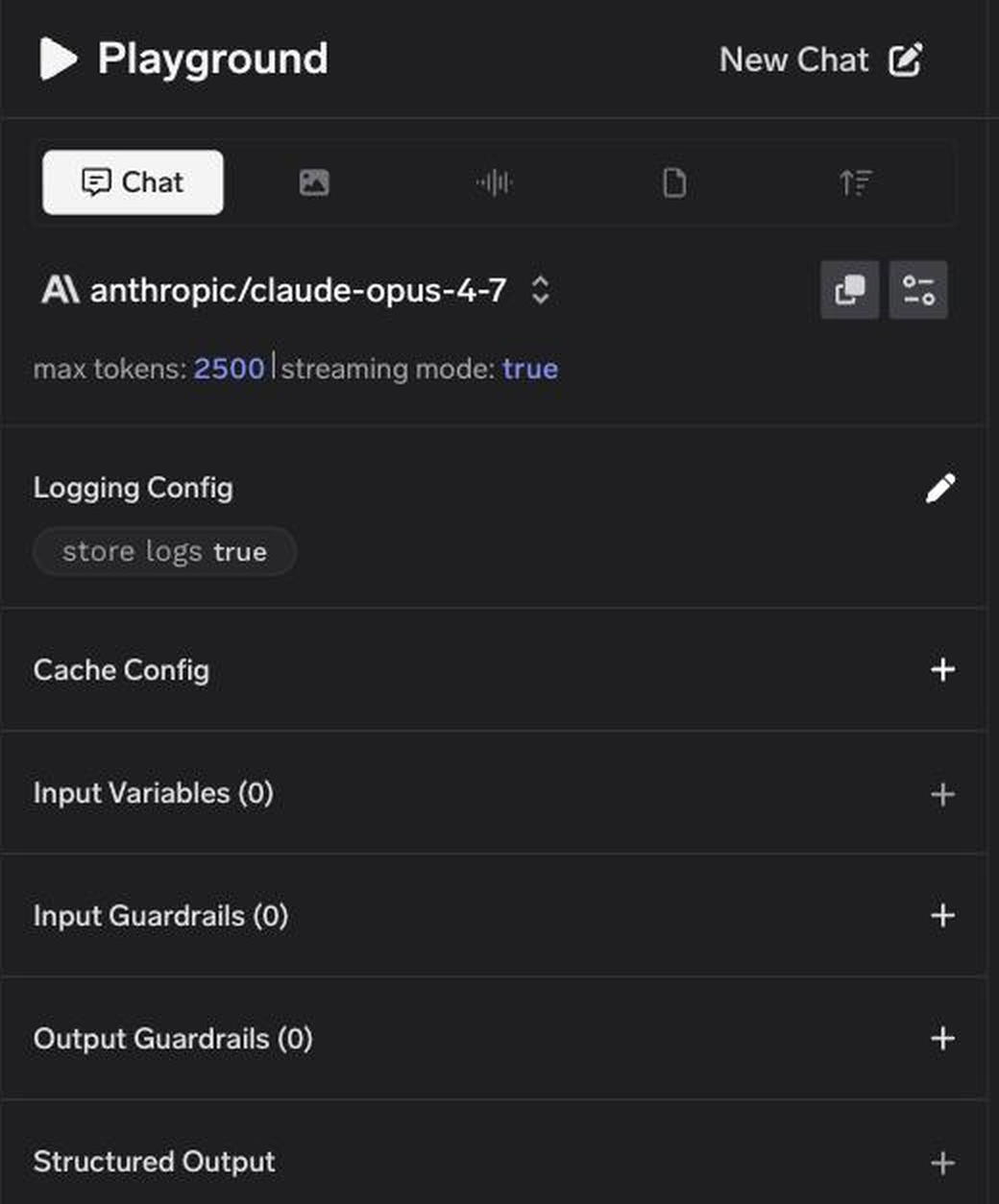
単一のモデル呼び出しに適用される制御を示すTrueFoundryゲートウェイコンソール。ロギングの有効化、キャッシュ、入力および出力ガードレール、構造化出力スロットが同一リクエスト上で設定されています。
代替テキスト: ロギング、キャッシュ、ガードレールのためのTrueFoundry AIゲートウェイの呼び出しごとの制御
TrueFoundryはOpenAI互換のインターフェースを採用しているため、導入に新しいSDKは不要です。既存のアプリケーションは、使い慣れたリクエスト形式を維持したまま、URLをゲートウェイに向けるだけで利用を開始できます。選択するエンドポイントは、TrueFoundry SaaSまたはプライベートなエンタープライズ環境のいずれにも対応可能です。
from openai import OpenAI
client = OpenAI(
api_key="your_truefoundry_api_key",
base_url="https://gateway.truefoundry.ai", # または独自のVPCエンドポイント
)
コスト管理はリクエストパス上で機能します。チームはユーザー、サービス、モデル、またはワークフローごとに、コストベースまたはトークンベースのクォータ(割り当て)を定義できます。ゲートウェイは、ポリシーに従ってアクティビティの制限、ダウングレード、またはブロックを行います。
この構造は、アプリケーションコードをプロバイダー固有のロジックから独立させる必要がある場合に有効です。また、各ルールを個別に実装するのではなく、自動フェイルオーバー、ルーティング、予算管理をワークロード全体で一貫して適用できるようになります。

図3:デプロイメントの境界とガバナンスの範囲がこれを決定づけるものであり、マークアップではありません。
Requestyは、管理されたマルチプロバイダーアクセスを解決するのに適しています。一方、TrueFoundryは、単一のガバナンスインフラストラクチャ層の下で、ゲートウェイ、モデルトラフィック、MCPツール、およびエージェントを必要とする企業向けに設計されています。
Requesty AIの総コストとガバナンス要件を比較検討する企業にとって、最終的にはモデルの単価よりもデプロイメントの境界が決定的な要因となる可能性があります。
デモを予約する TrueFoundryのデモを予約して、モデルルーティング、エージェントガバナンス、デプロイメント、およびコスト管理の要件をご評価ください。
Requestyは、標準的な従量課金制のアクセスに対し、アップストリームのモデルコストに5%のマークアップを上乗せして請求します。シート料金や最低利用料金の設定はありません。無料プランには1日あたり200件のリクエストが含まれています。Requestyは現在、BYOK(独自のAPIキー持ち込み)トラフィックには0%のマークアップを適用し、エンタープライズプランでは高度な制御とサポートのために個別見積もりを提供していると公表しています。
プロバイダーに直接アクセスすれば、Requestyの5%の従量課金マークアップを回避できます。この料金は、管理されたルーティング、フォールバック、キャッシュ、モニタリング、予算管理、および統合されたモデルアクセスに対する対価です。BYOKを利用する場合、顧客が自身のプロバイダーキーを提供すればマークアップは0%となるため、比較条件が変わります。したがって、トークン単価だけでなく、エンジニアリングの工数や運用要件も考慮に入れる必要があります。
入力と出力の価格が大きく異なるため、通常はモデルの選択がコスト変動の最大の要因となります。出力の長さ、再試行回数、ルート選択、キャッシュのパフォーマンスも総支出に影響します。エンタープライズ要件では、SSO、RBAC、監査ログ、ガードレール、サポートなどの費用が個別に追加される場合があります。また、すでにプロバイダーと契約を結んでいる企業にとっては、BYOKの利用が経済性にさらなる影響を与える可能性があります。
Requestyは、エンタープライズ向けのSSO、RBAC、監査ログ、モデルポリシー、支出管理、ガードレール、およびEUデータレジデンシーを提供しています。プラットフォームはフルマネージド型であり、現時点ではセルフホスティングには対応していません。また、SOC 2 Type IIの取得も進行中とされています。そのため、企業は自社のデプロイメント、データレジデンシー、およびコンプライアンス要件と、同プラットフォームの制御機能を照らし合わせて検討する必要があります。
TrueFoundryは、SaaSに加え、VPC、オンプレミス、またはエアギャップ環境でのデプロイメントオプションを必要とする企業にとって強力な代替手段となります。そのAIゲートウェイは、モデルアクセス、ルーティング、予算、およびガードレールを統制します。さらに、MCPおよびエージェントゲートウェイにより、これらの制御をエンタープライズツールや自律的なワークフロー全体に拡張できます。このより広範なスコープは、ホスト型のモデルルーティング以上のインフラ要件を持つチームに適しています。
TrueFoundry AI Gateway delivers ~3–4 ms latency, handles 350+ RPS on 1 vCPU, scales horizontally with ease, and is production-ready, while LiteLLM suffers from high latency, struggles beyond moderate RPS, lacks built-in scaling, and is best for light or prototype workloads.




.webp)

.png)
.png)
.png)
.png)
.png)
.png)
.png)
.png)
.png)
.png)
.png)





