


.webp)
October 16, 2026
|
5 min read


.webp)
Blazingly fast way to build, track and deploy your models!
Bifrostは、Maxim AIがGo言語で開発した高性能なAIゲートウェイです。20以上のモデルプロバイダーをOpenAI互換の単一APIで統合し、自動フェイルオーバー、仮想キー、予算管理、セマンティックキャッシュ、MCPゲートウェイといった機能をレイヤーとして提供します。その市場での立ち位置は、圧倒的なパフォーマンスとオープンソースとしての導入のしやすさを強みとしています。
Bifrostの料金体系は、ホスト型ゲートウェイとは異なります。Bifrost OSS版は、コアゲートウェイ、ルーティング、ガバナンスの基本機能、オブザーバビリティをライセンス費用なしで提供します。一方、Bifrostエンタープライズ版は、プライベートネットワーク、エンタープライズ向けセキュリティ統合、大規模な本番環境向けの高度な信頼性機能を追加します。
公開されている価格はあくまで一部に過ぎません。多くの検討プロセスにおいて、価格表に含まれない要素が見落とされています。具体的には、ホスティング、インシデント対応、ログ保持、キー管理、そしてルーティングポリシーによって間接的に影響を受けるプロバイダー利用料などです。詳細については、以下をご覧ください。
Bifrostの料金体系は、OSS版とエンタープライズ版のユースケースを明確に分けています。OSS版はコアゲートウェイ、ルーティング、ガバナンスの基本機能、オブザーバビリティをカバーします。エンタープライズ版は、プライベートネットワーク、エンタープライズ向けセキュリティ統合、大規模な本番環境向けの高度な信頼性機能を追加したものです。
Bifrost OSS版は、有料ベンダーとの契約を避けつつ、制御性とスピードを求めるエンジニアリングチームにとって魅力的な選択肢です。オープンソースのゲートウェイはローカル環境やDockerで実行可能であり、プロバイダーへのアクセスにはOpenAI互換インターフェースが利用できます。
しかし、Bifrostの真のコストはソフトウェアライセンス料だけではありません。ゲートウェイの運用、本番環境の稼働維持、ルーティング設定、キーの保護、ログ監視、アップグレードの保守、インシデント対応、そして社内のコンプライアンスワークフローへの統合といった作業が依然として必要となります。
# Run the OSS gateway locally
npx -y @maximhq/bifrost

# Or run it as a container
docker run -p 8080:8080 maximhq/bifrost

# Verify the OpenAI-compatible endpoint
curl -X POST http://localhost:8080/v1/chat/completions \
  -H "Content-Type: application/json" \
  -d '{
    "model": "openai/gpt-4o-mini",
    "messages": [{"role": "user", "content": "Say hello from the gateway"}]
  }'
デモ環境は分かりやすいものですが、コスト見積もりが甘くなる原因でもあります。ノートPC上の単一プロセスでは、エンタープライズインフラの全体像を把握することはできません。本番環境での利用には、耐久性、オブザーバビリティ、シークレット管理、ネットワーク、アップグレード、そしてオンコール体制の維持が求められます。
Bifrostのセットアップドキュメントには、デフォルト設定について明記されています。設定ファイルがない場合、ゲートウェイはSQLiteの設定ストアを作成し、UI設定用に`config.db`、リクエストログ用に`logs.db`を生成します。
これは評価用としては十分ですが、Kubernetesへのデプロイガイドが示す通り、本番環境ではPostgresやMySQLへの接続、あるいはPersistentVolumeとPersistentVolumeClaimを備えたプロビジョニング済みボリュームが必要となり、ポッドの再起動後もデータベースが保持されるようにしなければなりません。
コンテナを本番環境へ移行するには、残りの課題を解決する必要があります。TLSの終端はどこで行うか?可用性ゾーンをまたいで何台のレプリカを稼働させるか?プロバイダーキーのローテーションは誰が行うか?エンタープライズVaultのサポートが導入されるまで、キーはどこに保管されるのか?
Bifrostの真のコストはソフトウェアライセンス料を超えて広がります。チームはゲートウェイの運用、本番環境の稼働維持、ルーティングの定義、キーの保護、ログ監視、アップグレードの適用、インシデント対応、そして社内のコンプライアンスワークフローへの統合を継続的に行う必要があります。
ログの保持期間についても考慮が必要です。Bifrostはリクエストログを独自のストアに書き込みますが、デプロイガイドではこのストアを、サイズ調整、バックアップ、コスト負担が必要なインフラとして扱っています。データ量はトラフィックに比例し、保持期間はそのままストレージコストとクエリコストに直結します。
セルフホスト型ゲートウェイを比較検討されている方には、TrueFoundryの AIゲートウェイのコスト ガイドが、プラットフォーム所有モデルの全体像を把握する一助となるはずです。無料のOSSという枠組みを超えて、運用コスト、ログ保持、制御機能、そして稼働維持の責任範囲まで含めた評価を可能にします。
代替テキスト: エンタープライズチーム向けBifrost料金体系とコストマップ
Bifrostの利用がエンタープライズ領域へと移行するのは、本番環境のニーズが基本的なルーティングや可観測性の範囲を超える時です。大規模なチームでは、本番トラフィックを流す前に、プライベートネットワーク、エンタープライズ向けセキュリティ統合、より強固なアクセス制御、高度な信頼性機能、そしてより深い運用サポートが必要になるのが一般的です。
Bifrostの料金ページでは、これらの機能がエンタープライズプランとして以下のように位置付けられています。
実際には、ある一つのトリガーが他を圧倒します。最初の本格的なセキュリティ審査では、企業IDプロバイダーとのシングルサインオン(SSO)、ロールベースのアクセス制御(RBAC)、そして変更不可能な監査証跡が求められます。これら3つはすべてエンタープライズプランに含まれているため、プロジェクトが経営層の注目を集めた時点で、無料のパイロット版から調達プロセスへと移行することになります。
Maxim AIはエンタープライズ向けの価格を公開していません。14日間のエンタープライズトライアルが用意されているため、チームは導入を決定する前にエンタープライズ向けの制御機能を検証できます。商用価格は営業担当者から提示されるため、評価スケジュールには価格の詳細、セキュリティ審査、法務審査の期間を含めておく必要があります。
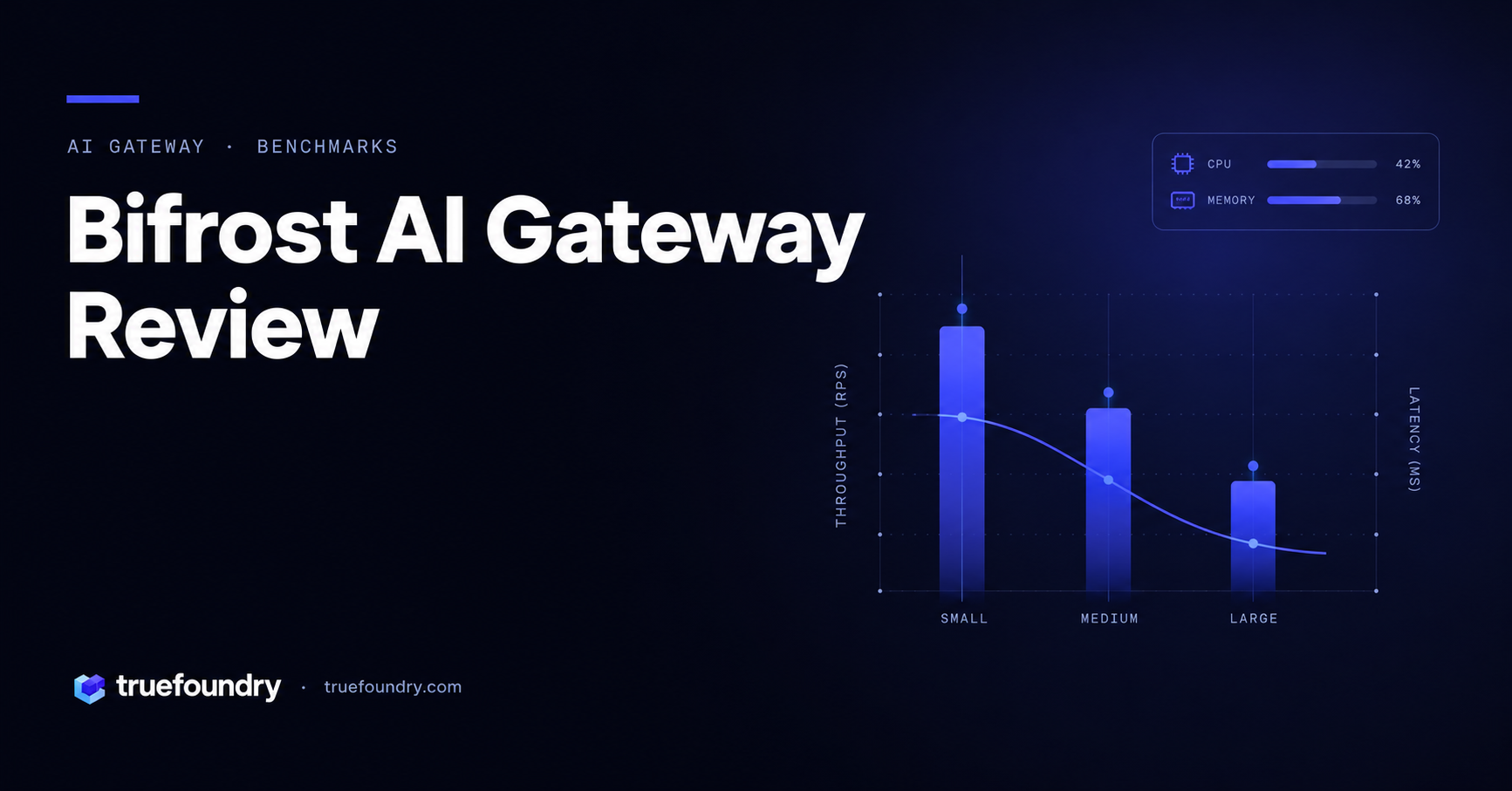
Bifrostは、低い追加レイテンシと高いスループットを公表するなど、スピードとパフォーマンスを強みとしています。ベンチマークによると、t3.xlargeインスタンス上で毎秒5,000リクエストを処理した場合のオーバーヘッドは1リクエストあたり11マイクロ秒です。この点が、ゲートウェイの効率性を重視するチームにとって魅力となっています。
とはいえ、Bifrostの料金はゲートウェイの速度だけで判断すべきではありません。本番トラフィックを流す前に、モデルの利用量、出力トークン数、キャッシュヒット率、フォールバックルート、ログの保持期間、インフラの規模、そしてエンジニアリングサポートのコストをチームで見積もる必要があります。
ここからが耳の痛い話です。11マイクロ秒という数値は、特定のインスタンスタイプにおける合成負荷下でのゲートウェイ処理オーバーヘッドを測定したものです。これにはプロバイダー側のレイテンシは含まれておらず、通常、リクエストの大部分を占めるのはこのプロバイダー側の遅延であり、ゲートウェイ側で制御できるものではありません。
公開されているオーバーヘッドの数値は、最初の選定段階では役立ちます。しかし、ベンダーによってベンチマークに使用するハードウェアや負荷プロファイルが異なります。プロバイダー側の呼び出しで数秒かかるのに対し、ゲートウェイ側の遅延はミリ秒単位であるという状況下で、これらの数値を単純に比較することは、購入者の判断を誤らせる可能性があります。
フォールバックポリシーはコストに直結します。リトライはプロンプト全体を再送し、フロンティアモデルへのフェイルオーバーは高コストなリクエストを安価なものに置き換えることができます。特に実際のプロダクションワークフローが複数のフォールバック経路に依存している場合は、導入前にこの挙動をモデル化しておくべきです。
# Effective provider spend under a priority fallback chain.
# Retries and failovers re-send the prompt, so input tokens get billed again.

PRIMARY_COST_PER_REQ  = 0.0042   # avg $/request on the primary model
FALLBACK_COST_PER_REQ = 0.0180   # avg $/request on the frontier fallback
MONTHLY_REQUESTS      = 4_000_000
PRIMARY_FAILURE_RATE  = 0.015    # share of requests that exhaust retries
RETRY_ATTEMPTS        = 2        # extra attempts before failing over

primary_calls  = MONTHLY_REQUESTS * (1 + PRIMARY_FAILURE_RATE * RETRY_ATTEMPTS)
fallback_calls = MONTHLY_REQUESTS * PRIMARY_FAILURE_RATE

with_fallback = primary_calls * PRIMARY_COST_PER_REQ + fallback_calls * FALLBACK_COST_PER_REQ
baseline      = MONTHLY_REQUESTS * PRIMARY_COST_PER_REQ

print(f"baseline spend:      ${baseline:,.0f}")
print(f"with retry+fallback: ${with_fallback:,.0f}")
print(f"overhead:            {(with_fallback / baseline - 1) * 100:.1f}%")
baseline spend:      $16,800
with retry+fallback: $18,384
overhead:            9.4%
1.5%の失敗率は、コストを9.4%押し上げます。誰もその項目を予算に組み込んでいませんし、ゲートウェイのベンチマークにも現れません。私たちのガイド LLMのフェイルオーバーと負荷分散 では、実際のプロバイダー障害が発生した際に、リトライとフォールバックの設定がどのように相互作用するかを解説しています。
代替テキスト: TrueFoundryが解説する、企業向けBifrostの価格評価
Bifrostの価格評価における最大のリスクは、OSS(オープンソースソフトウェア)として利用可能であることを、価格の全容と捉えてしまうことです。無料のソフトウェアはライセンス費用を削減しますが、その分、プラットフォームチームの責任範囲が広がります。ゲートウェイがプロダクションシステムの前面に配置される場合、その責任は重大なものとなります。
評価において、3つの誤解が繰り返し見られます。1つ目は、無料ライセンスをシステムそのものが無料であると捉えることです。これには、ホスティング、データ保持、そしてあらゆるAI機能のリクエスト経路を管理するオンコール体制のコストが含まれていません。
2つ目は、ベンチマークの数値をプロダクション環境のレイテンシと捉えることです。ゲートウェイのオーバーヘッドは重要ですが、実際のほとんどのリクエストではプロバイダー側の呼び出しが支配的です。チームは調達を決定する前に、自社のトラフィックで独自のベンチマークを測定すべきです。
3つ目は、ゲートウェイのガバナンスが企業全体のガバナンスと同等であると想定することです。仮想キー、予算、レート制限はモデルの呼び出しを適切に管理しますが、エージェントはツール呼び出し、データベースクエリ、社内アプリとの連携も行います。これらにはそれぞれ個別の認証、権限モデル、監査証跡が必要です。
Bifrostは、開発者が導入しやすく、セルフホスト可能な高速AIゲートウェイを求めるチームにとって強力な選択肢です。しかし、LLM呼び出し、MCPツール、自律型エージェント、コスト管理、監査証跡、プライベートデプロイメントモデル全体にわたる、より深いガバナンスが組織に求められる場合には限界が生じます。
Portkeyの導入を検討しているチームは、その比較を切り離して考えるべきです。Portkeyの比較や選択にはホスト型ゲートウェイの経済性が関わりますが、Bifrostは多くの場合、より大きなインフラストラクチャの所有を伴います。アーキテクチャの比較には、その違いを反映させる必要があります。
ネットワーク制御だけでは、AIガバナンスの課題を完全に解決することはできません。Palo Alto Networksの導入やPalo Altoのファイアウォールポリシーは企業セキュリティをサポートしますが、どのユーザー、モデル、MCPアクション、あるいはエージェントのワークフローがリスクのあるAIイベントを引き起こしたのかを特定することはできません。
TrueFoundryは、チームにとってよりパッケージ化された料金体系を提供しています。その 公開価格 は、Developerプランが月額0ドル、Proプランが月額499ドル、Pro Plusプランが月額2,999ドルとなっており、高度なガバナンス、カスタムデプロイメント、ミッションクリティカルな信頼性を必要とする組織向けには、個別のEnterpriseプランが用意されています。
各プランには公開された制限が設けられており、キャパシティプランニングを問い合わせベースの商談ではなく、スプレッドシート上で完結できるものにしています。Developerプランは5万リクエストと3ユーザーまで、Proプランは100万リクエストと10ユーザーまで対応しています。
Pro Plusプランは100万リクエストの上限を維持しつつ、シート数を25まで、MCPツール呼び出しを500万回まで引き上げます。Enterpriseプランは月間1,000万リクエストから始まり、制限をカスタマイズ可能です。これにより、初期段階でエントリープランと月間本番運用プランを比較しやすくなっています。
公平性は双方に適用されます。TrueFoundryは、サポートとデプロイメントをプランごとに制限しています。Developerプランはコミュニティサポートのみの無料開発者向けプランで、SLAはありません。Proプランには標準SLAに基づく本番環境向けサポートが追加され、Enterpriseプランにはカスタマイズ可能な条件が適用されます。
VPCおよびエアギャップ環境へのインストールはEnterpriseプランに含まれており、コントロールプレーンとゲートウェイプレーンの両方をカバーします。セルフホスティングには月額約600ドルから1,000ドルのホスティング費用が別途かかりますが、TrueFoundryはこの数値を問い合わせに頼ることなく公開しています。
エンタープライズの購入者が交渉前に明確な料金体系を求めている場合、TrueFoundryの方が評価しやすいでしょう。Bifrostは、プラットフォームチームがOSSの所有権、インフラストラクチャの直接制御、およびセルフマネージド型のゲートウェイ機能を強く求めている場合に適しています。
真の違いは運用レイヤーにあります。Bifrostは、高速かつセルフホスト型の制御でLLMトラフィックをルーティングできます。一方、TrueFoundry AIは、モデルアクセス、MCPツールの利用、エージェントワークフロー、予算管理、ガードレール、監査ログを必要とするアプリケーションチーム向けに、より広範なガバナンスレイヤーを提供します。
代替テキスト: Bifrostの料金とTrueFoundry AI Gatewayアーキテクチャの比較
Bifrostは、オープンソースで高性能なゲートウェイを求め、それを運用するスキルを持つエンジニアリングチームにとって実用的な選択肢となります。また、広範なエンタープライズAIプラットフォームを即座に導入することなく、複数のプロバイダー間でOpenAI互換のルーティングを行いたいチームにも有用です。
Bifrostのドキュメントでは、20以上のプロバイダーを単一のOpenAI互換APIに統合できると説明されています。これは、主にLLMトラフィックのルーティングやプロバイダーアクセスの管理を行い、ゲートウェイを自社のエンタープライズインフラの近くに配置したいアプリケーションチームに適しています。
Bifrostが適しているのは次のような場合です:
より広いカテゴリーを検討しているチームにとって、以下の比較は BifrostとPortkey および BifrostとOpenRouter ルーティングの利便性とガバナンスの深さを切り分けて考える上で役立ちます。
TrueFoundryは、企業が単なる高速でセルフホスト可能なAIゲートウェイ以上のものを必要とする場合に、Bifrostのより優れた代替手段となります。Bifrostは、OpenAI互換のルーティングとゲートウェイの直接的な所有を求めるチームには適していますが、本番環境のAIには、より広範な制御レイヤーが必要となることが多いためです。
TrueFoundryの AIゲートウェイ は、アプリケーション、LLMプロバイダー、MCPサーバー、およびエージェントワークフローの間に位置します。これにより、エンタープライズチームは、本番環境のAIワークロード全体にわたって、統合されたガバナンス、可観測性、ルーティング、セキュリティ、およびコスト最適化を実現できます。
導入はベースURLの変更から始まるため、既存のOpenAI互換コードをそのまま利用できます。
export OPENAI_BASE_URL="https://gateway.truefoundry.ai"
export OPENAI_API_KEY="your_truefoundry_api_key"
支出管理は、アプリケーションロジックではなく設定として機能します。 予算制限 スキーマは、サービスに一切触れることなく、チーム内のユーザーごとの上限を設定します。
name: agent-team-monthly
type: team-budget-config
team_name: platform-eng
mode: enforce
applies_to:
  type: per-user
limits:
  cost_per_day: 25
  cost_per_month: 400
when:
  models:
    in:
      - openai-main/gpt-4
レート制限 予算管理では対応が遅れてしまうような、エージェントの暴走ケースをカバーします。ユーザーごとのトークン上限により、1日の支出上限に達する前にループをスロットル(抑制)できるためです。
name: gateway-rate-limits
type: gateway-rate-limiting-config
rules:
  - id: per-user-token-ceiling
    when:
      subjects:
        - team:platform-eng
    limit_to: 200000
    unit: tokens_per_hour
    rate_limit_applies_per: ['user']
フェイルオーバーも同様のパターンに従います。 ルーティング設定 はルールを順次評価し、最初に一致したものを適用します。そのため、サービスごとのリトライコードを記述する代わりに、明示的なリトライおよびフォールバックステータスコードを備えた優先順位チェーンを使用できます。
name: loadbalancing-config
type: gateway-load-balancing-config
rules:
  - id: chat-failover
    type: priority-based-routing
    when:
      models:
        - gpt-4
    load_balance_targets:
      - target: azure/gpt4
        priority: 0
        fallback_status_codes: ["429", "500", "503"]
      - target: openai/gpt4
        priority: 1
        retry_config:
          attempts: 2
          delay: 100
このルーティング設定は、TrueFoundryがGitOps向けにドキュメント化しているものと同じです。YAMLをGitリポジトリで管理し、`tfy apply`で適用することで、フェイルオーバーポリシーを他のインフラストラクチャと同様にプルリクエストによるレビュー対象にできます。予算ルールについては、ルールフォーム内で「YAMLとして適用」するオプションが用意されています。
コストの帰属管理によって、一連のプロセスが完結します。 コスト追跡 は、オープンソースの価格カタログからプロバイダーの料金を読み込み、交渉済みの契約やファインチューニング済みモデルの独自料金にも対応しています。また、ユーザー、モデル、チーム、あるいは`cost_center`や`project_id`といった任意のカスタムメタデータキーごとに支出を分類できます。
以下のようなニーズを持つチームには、TrueFoundryが最適です。
両モデルの総コストを比較検討するチームは、実際のTrueFoundry環境を通じて、自社のトラフィックに基づいたガバナンス制御のコストを試算できます。

代替テキスト: エンタープライズAIチーム向けBifrostコスト決定ツリー
Bifrostの価格設定は、有用な無料のOSS版から始まり、その後は本番環境の所有権に関する検討事項となります。特にセルフホスト型のゲートウェイ制御を求めるチームにとって、導入コストは魅力的です。信頼性、セキュリティ、監査可能性、サポートが購入要件となる段階で、より詳細なコスト評価が必要となります。
エンタープライズの購入者は、Bifrostを低コストなインフラと見なす前に、カスタム価格、ホスティング費用、サポート条件、監査要件、MCPガバナンスを検証する必要があります。また、ゲートウェイの実行、監視、保護、スケーリングに必要な運用負荷についても比較検討すべきです。
単なるゲートウェイのデプロイ以上の目的がある場合、TrueFoundryがより適しています。AIゲートウェイ、MCPゲートウェイ、LLMゲートウェイ、エージェントゲートウェイを単一のコントロールプレーンから統合管理し、エンタープライズAIワークロード全体で活用したいチームに最適です。
ゲートウェイを選択する前に、コストの全体像をご確認ください。 デモを予約する ことで、実際のTrueFoundry環境内でBifrostの価格と自社のワークロードを比較できます。
Bifrostの価格設定には、Apache 2.0ライセンスに基づく無料のOSS版と、個別見積もりのエンタープライズ版があります。エンタープライズ版の正確な金額は、デプロイメント固有の条件が提示されるまで未定です。ホスティング、サポート、ログ、プロバイダー利用料、ガバナンスも最終的な請求額に影響するため、単なるライセンス料ではなくコスト全体の問題として捉えてください。
はい。オープンソース版は永続的に無料で、ルーティング、フォールバック、仮想キー、予算管理、キャッシング、MCPゲートウェイが含まれます。有料のソフトウェアライセンスやクレジットカードなしで開始できますが、ワークロードがテスト段階を超えて本番環境へ移行する際には、ホスティング、監視、エンジニアリング工数、プロバイダー利用料、クラウドアクセス費用が発生します。
Bifrost Enterpriseでは、ガードレール、クラスターモード、アダプティブ・ロードバランシング、SAMLおよびOIDCによるSSO、Vaultベースの鍵ストレージ、RBAC(ロールベースのアクセス制御)、監査ログ、ログエクスポート、フェデレーションMCP認証、プライベートデプロイメントオプションが利用可能です。本番環境向けのより強力なコントロールパネル、MCPガバナンス、サポート、コンプライアンス管理、そしてMCPの動作可視化を必要とするチームのためのエンタープライズ向けプランです。
ライセンス単体で見れば、OSSは無料であるためBifrostの方が低コストで開始できます。しかし、ホスティング、データ保持、監視、アップグレード、サポート、ガバナンスを含めると比較条件は変わります。TrueFoundryは、無料の開発者プラン、有料の本番環境向けティア、そして予測可能なガバナンスと一元管理が必要なチームのコストリスクを低減できるエンタープライズオプションを提供しています。
TrueFoundryは、モデル、MCPツール、エージェントを単一のコントロールプレーンで管理する必要がある企業にとって、Bifrostの強力な代替製品です。ルーティング、予算管理、ガードレール、監査ログ、プライベートデプロイメント、MCPツールの制御、そしてインテリジェントなプロバイダー・ルーティングを活用して、障害の削減、高レイテンシの回避、本番環境での利用状況のガバナンスを実現したいチームに適しています。
TrueFoundry AI Gateway delivers ~3–4 ms latency, handles 350+ RPS on 1 vCPU, scales horizontally with ease, and is production-ready, while LiteLLM suffers from high latency, struggles beyond moderate RPS, lacks built-in scaling, and is best for light or prototype workloads.




.webp)

.png)
.png)
.png)
.png)
.png)
.png)
.png)
.png)
.png)
.png)
.png)





