




All of it, free, for the first 30k requests each month.
All 1,600+ models. No credit card.

.webp)
大規模な実世界AIのために
99.99%
一元化されたフェイルオーバー、ルーティング、ガードレールにより、モデルプロバイダーがダウンしてもAIアプリはオンライン状態を維持します。
100億以上
スケーラブルで高スループットな、本番環境AI向け推論。
30%
スマートルーティング、バッチ処理、予算管理により、トークンの無駄を削減します。
1600以上
1つのAIゲートウェイを通じて接続。
AI Gateway: 統合LLM APIアクセス
すべての主要モデルを統合する単一のAI Gatewayで、GenAIスタックを簡素化します。
- 1つのAI Gateway APIを通じて、OpenAI、Claude、Gemini、Groq、Mistral、その他250以上のLLMに接続
- AI Gatewayを使用して、チャット、補完、埋め込み、再ランキングのモデルタイプをサポートします
- APIキー管理とチーム認証を1か所に集約。
- マルチモデルのワークロードをインフラストラクチャ全体でシームレスにオーケストレーションします。
.webp)
AIゲートウェイの可観測性
AIゲートウェイのパフォーマンス、コストを追跡し、モデル全体でリアルタイムにコンプライアンスを確保します。
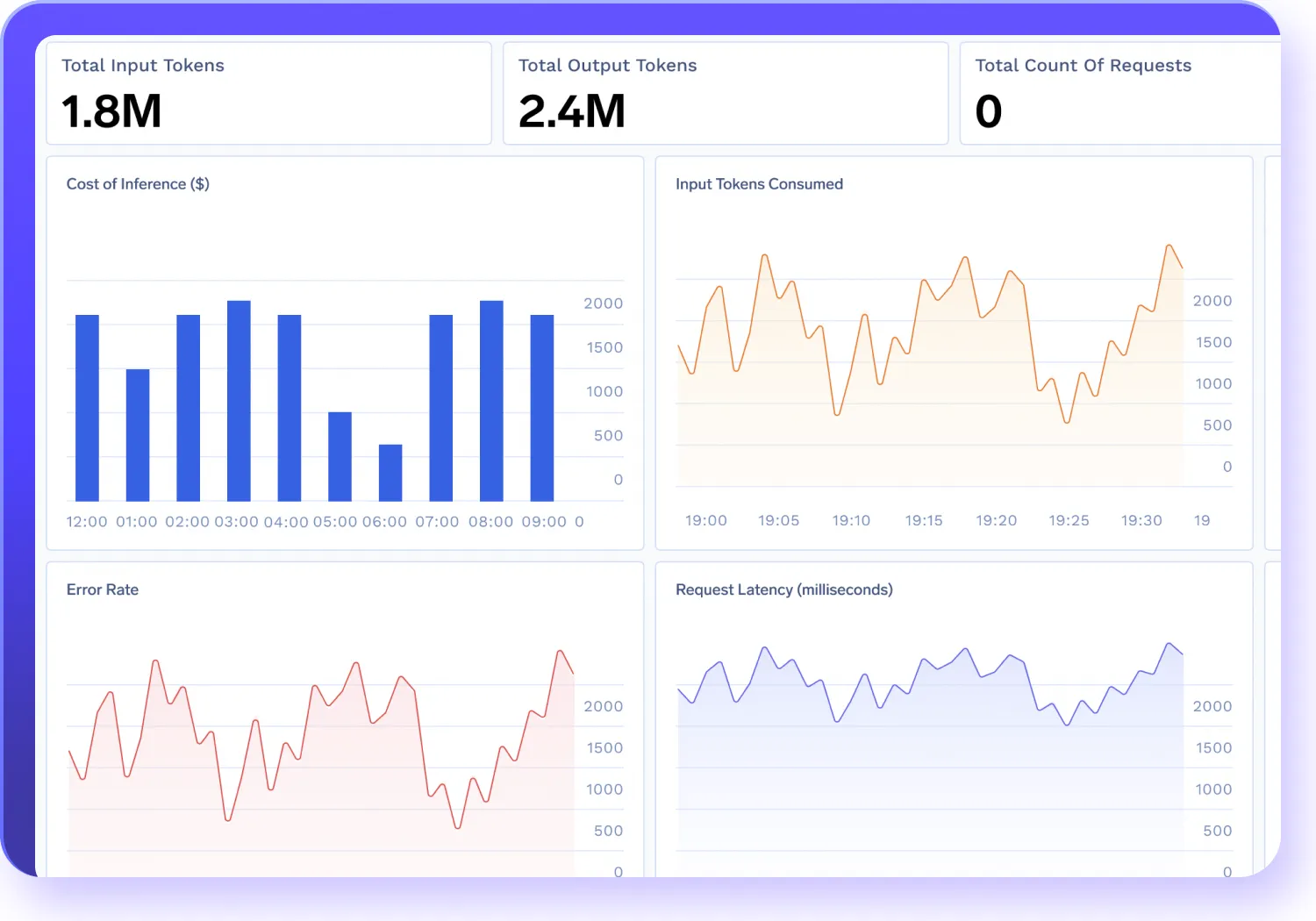
- システム全体でトークン使用量、レイテンシー、エラー率、リクエスト量を監視します。
- 完全なリクエスト/レスポンスログを一元的に保存および検査し、コンプライアンスを確保し、デバッグを簡素化します。
- ユーザーID、チーム、環境などのメタデータでトラフィックにタグを付け、詳細なインサイトを得ます。
- モデル、チーム、または地域別にログとメトリクスをフィルタリングし、根本原因を迅速に特定して解決を加速します。
AIゲートウェイによるクォータとアクセス制御
エンタープライズAIゲートウェイのポリシー管理により、ガバナンスを強化し、コストを管理し、リスクを軽減します。
- ユーザー、サービス、またはエンドポイントごとにレート制限を適用します。
- メタデータフィルターを使用して、コストベースまたはトークンベースのクォータを設定します。
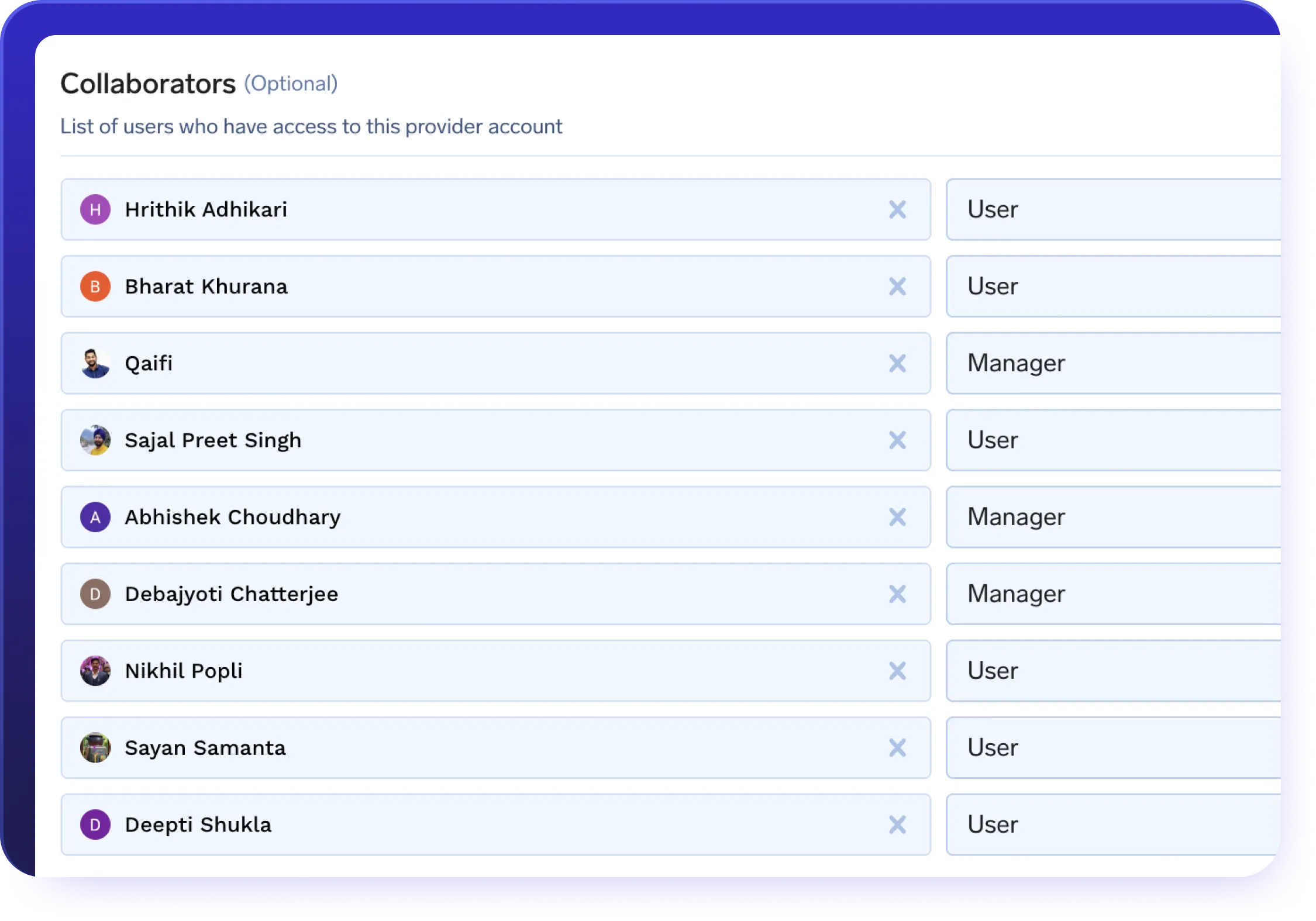
- ロールベースアクセス制御 (RBAC) を使用して、利用状況を分離し管理します。
- 一元化されたルールにより、サービスアカウントとエージェントのワークロードを大規模に統制します。
低レイテンシー推論
高速AIゲートウェイインフラストラクチャを通じて、最もパフォーマンスに敏感なワークロードを実行します。
- エンタープライズ規模のワークロード下でも、3ms未満の内部レイテンシーを実現します。
- バーストトラフィックや高スループットのワークロードに対応するため、シームレスにスケールします。
- リアルタイムチャット、RAG、AIアシスタント向けに予測可能な応答時間を提供します。
- レイテンシーを最小限に抑え、ネットワークラグを排除するために、デプロイメントを推論レイヤーの近くに配置します。
AI Gateway ルーティングとフォールバック
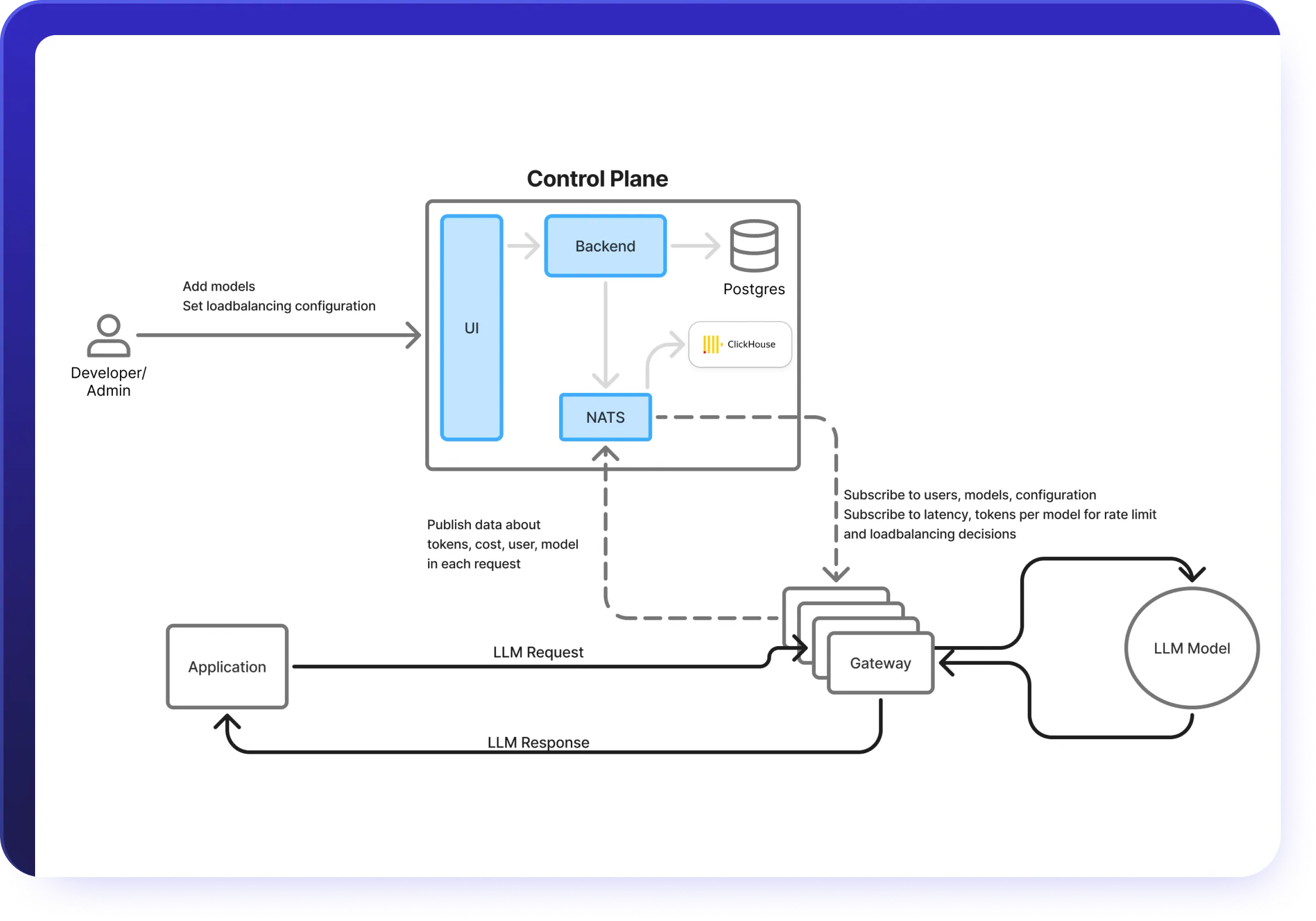
スマートなAI Gatewayトラフィック制御により、モデル障害時でも信頼性を確保します。
- 最速で利用可能なLLMへのレイテンシーベースのルーティングをサポートします。
- 信頼性とスケーラビリティのために、重み付けロードバランシングを使用してトラフィックをインテリジェントに分散します。
- リクエストが失敗した場合、自動的にセカンダリモデルにフォールバックします。
- 地域認識ルーティングを活用し、地域ごとのコンプライアンスと可用性のニーズに対応します。
.webp)
セルフホスト型モデルの提供
オープンソースモデルを完全に制御して公開します。
- SDKの変更なしで、LLaMA、Mistral、Falconなどをデプロイできます。
- vLLM、SGLang、KServe、Tritonとの完全な互換性。
- オートスケーリング、GPUスケジューリング、デプロイメントのHelmベースの管理により、運用を効率化します。
- VPC、ハイブリッド、またはエアギャップ環境で独自のモデルを実行します。
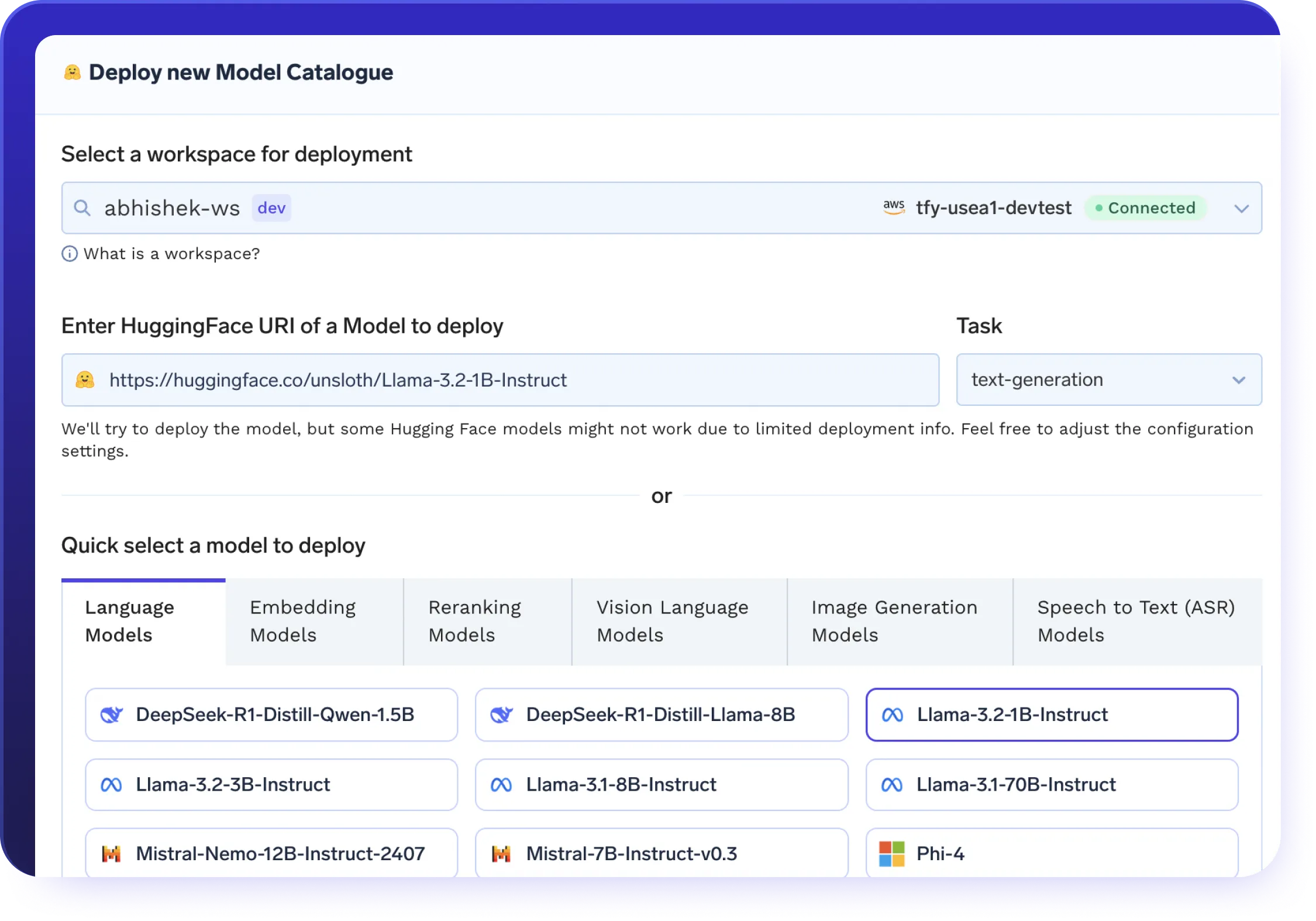
AIゲートウェイとMCPの統合
AIゲートウェイのネイティブMCPサポートにより、安全なエージェントワークフローを実現します。
- Slack、GitHub、Confluence、Datadogなどのエンタープライズツールを接続します。
- 最小限のセットアップで、内部MCPサーバーを簡単に登録できます。
- すべてのツール呼び出しにOAuth2、RBAC、およびメタデータポリシーを適用します。
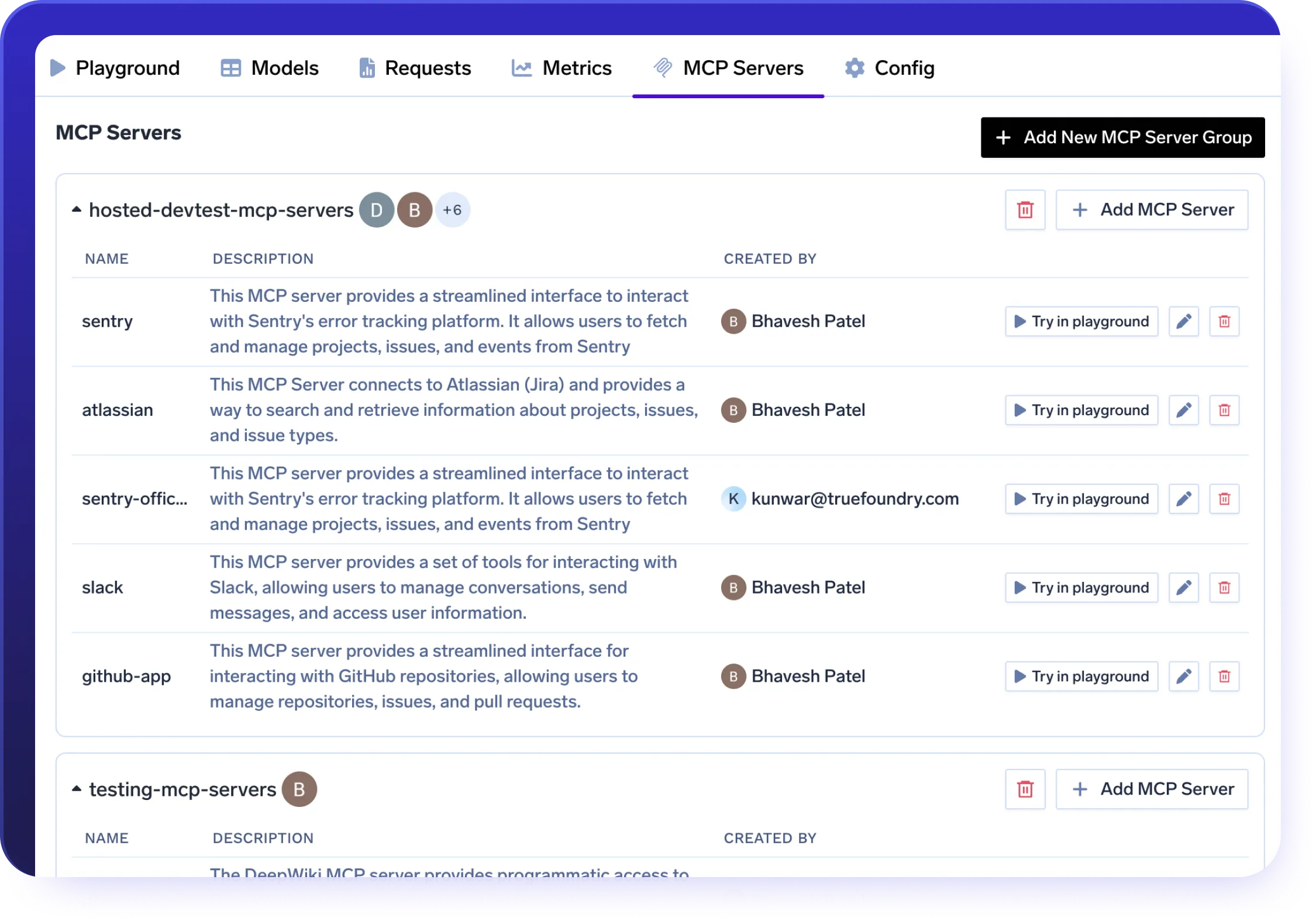
AIゲートウェイのガードレール
設定可能なAIゲートウェイのガードレールとポリシー制御で、安全なAIアプリケーションを構築します。
- PIIフィルタリングや有害性検出など、独自の安全ガードレールをシームレスに適用できます
- コンプライアンスと安全性のニーズに合わせて調整されたガードレールで、AIゲートウェイをカスタマイズ
.webp)
エンタープライズ対応
データとモデルをクラウド/オンプレミスインフラ内に保持する、セキュアなAIゲートウェイを導入。

コンプライアンスとセキュリティ
SOC 2、HIPAA、GDPRの各標準により、堅牢なデータ保護を確実にするガバナンスとアクセス制御
SSOとロールベースアクセス制御(RBAC)および監査ログエンタープライズサポートと信頼性
SLAに基づいた応答SLAを含む24時間年中無休サポート
VPC、オンプレミス、エアギャップ環境、または複数のクラウドにわたって。
お客様のドメインからデータが離れることはありません。TrueFoundryが動作するあらゆる場所で、完全な主権、分離、エンタープライズグレードのコンプライアンスを享受できます。

TrueFoundryがもたらす具体的な成果
企業がTrueFoundryを選ぶ理由





.webp)
.webp)
.webp)
Frequently asked questions
What is an AI gateway?
How does an AI gateway work?
What are the benefits of an AI gateway?
What are the capabilities of AI gateways?
Which AI gateway is best?
What is the difference between an API gateway and an AI gateway?
Where does an AI Gateway sit in the GenAI architecture?
Can an AI Gateway be used with self-hosted and open-source models?
How does an AI Gateway help control and optimize inference costs?
How does an AI Gateway help with data privacy and compliance?
How does an AI Gateway support multiple teams and environments?
How does the TrueFoundry AI Gateway Playground help developers build and test?
Once you are happy with a setup, the entire configuration—prompt, model, tools, guardrails and structured output schema—can be saved as a reusable template in a shared repository. The Playground also generates ready-to-use code snippets for the OpenAI client, LangChain and other libraries, using the unified AI Gateway API, so teams can take a working experiment and drop it straight into their services with minimal effort.
What does “unified access” mean for APIs, keys, tools and agents?
For developers, this means simpler integration and a cleaner security model: provider keys are stored once in the gateway, access is governed centrally using RBAC and policies, and teams can standardize on a single client pattern across languages and frameworks. As new models or providers appear, they can be added to the gateway and become immediately available behind the same unified interface.
How do prompt management, versioning and Agent Apps work together?
When a particular configuration is ready to be shared more broadly, it can be published as an Agent App. Agent Apps are powered by the gateway but exposed through a simple, locked-down interface: business users or internal teams can interact with the agent exactly as it will run in production, while the underlying prompts, tools and guardrails remain immutable. This makes Agent Apps ideal for user acceptance testing, stakeholder demos and internal copilots, because product and platform teams retain control over the configuration while still giving others a safe way to try agentic workflows.
How do guardrails, safety checks and PII controls work end-to-end?
The gateway can plug into existing safety and compliance services such as OpenAI Moderation, AWS Guardrails, Azure Content Safety and Azure PII detection, and it also supports custom rules written as configuration or Python code. Because guardrails are configured centrally and applied consistently across all models and applications going through the AI Gateway, security and compliance teams get a predictable way to enforce organizational policies for GenAI usage, including in regulated environments like healthcare, financial services and insurance.
What observability, tracing and debugging capabilities does the AI Gateway provide?
For deeper debugging, there is a request-level view that lets you inspect individual calls, see the full prompt and response, and understand how routing, fallbacks and guardrails were applied. For agentic workflows using tools and MCP, the gateway can capture traces that show each step an agent took, which tools it called, and how intermediate results flowed through the system. All of these logs and metrics are also exposed via APIs, so platform and observability teams can build custom dashboards and alerts in their existing monitoring stacks.
How are policies, rate limits, fallbacks and budgets configured and automated?
All of these controls can be managed through the UI or declared in YAML and applied via the TrueFoundry CLI, enabling a GitOps workflow where gateway configuration lives alongside application code and infrastructure definitions. Combined with caching, batching and centralized API key management, these features allow platform teams to treat the AI Gateway as the single place where they define how GenAI should be used, how much can be spent, and how applications should behave under failure—without forcing individual application teams to re-implement these concerns over and over again.

Join 10+ Fortune 500s running production AI on TrueFoundry.
Get started in minutes.





