


October 22, 2026
|
5 minutos de lectura


Obtenga acceso instantáneo a un entorno TrueFoundry en vivo. Implemente modelos, dirija el tráfico de LLM y explore la plataforma completa: su sandbox estará listo en segundos, sin necesidad de tarjeta de crédito.




¡Una forma increíblemente rápida de crear, rastrear e implementar sus modelos!
Claude Code is quickly becoming a standard AI coding assistant for enterprise engineering teams. Developers use it to write code, debug issues, understand codebases, and increasingly interact with enterprise tools through the Model Context Protocol (MCP).
But as Claude Code adoption grows, so do the security challenges. Many organizations still rely on shared API keys, long-lived credentials, unmanaged MCP servers, and limited visibility into how AI tools are being used. These practices can create security, compliance, and governance risks at scale.
Unlike traditional developer tools, Claude Code can access code repositories, internal systems, databases, and MCP-powered tools. Securing it requires more than protecting API keys, it requires identity-based authentication, user-level auditability, access controls, and governance over the tools and data it can access.
In this guide, we'll cover the most important Claude Code security best practices for enterprise deployments, including SSO, AI gateways, audit logging, cost controls, and MCP governance.
Traditional developer tools operate within a relatively narrow scope. A developer logs in, writes code, and interacts with a specific application. Claude Code is different.
With Claude Code, developers can not only generate and modify code but also interact with external tools, repositories, databases, APIs, and enterprise systems through MCP servers. As a result, the security perimeter extends beyond the model itself to include the tools, data, and actions available to the AI assistant.
This introduces new risks, including:
As Claude Code becomes more deeply integrated into engineering workflows, organizations need a security model that focuses on identity, governance, observability, and access control not just API key management.
One of the most common mistakes in enterprise Claude Code deployments is distributing shared API keys or service account credentials across teams.
While this approach may work for a small pilot, it quickly creates security and operational challenges at scale.
Shared credentials make it difficult to:
For example, if multiple developers use the same API key, every request appears to originate from a single identity. Security teams lose the ability to attribute actions to individual users, creating audit and compliance gaps.
Instead, enterprises should adopt identity-based authentication where every Claude Code request is associated with a specific user. This allows organizations to maintain user-level attribution, apply access policies, and simplify onboarding and offboarding processes.
The goal is simple: every Claude Code action should be traceable to an individual user, not a shared credential.
Once shared API keys are eliminated, the next step is to ensure every user accesses Claude Code through your organization's identity provider.
Single Sign-On (SSO) allows developers to authenticate using existing corporate accounts from providers such as OKTA, Microsoft Entra ID, or Google Workspace. Instead of distributing API keys, organizations can leverage the same identity and access management systems already used for applications like GitHub, Jira, Slack, and AWS.
SSO provides several security and operational benefits:
For example, when an employee leaves the organization, disabling their account in the identity provider immediately removes access to Claude Code and related AI services. There is no need to track down API keys or rotate shared credentials.
Most importantly, SSO establishes a trusted identity layer that can be used to enforce permissions, audit activity, and govern access across the entire AI stack.
Authentication alone is not enough. Enterprises also need visibility and control over how Claude Code is being used. When developers connect directly to model providers, organizations often have limited insight into usage patterns, model access, spending, and tool interactions.
A more secure architecture routes all Claude Code traffic through an AI Gateway.
Instead of:
Developer → Claude
The flow becomes:
Developer → AI Gateway → Claude
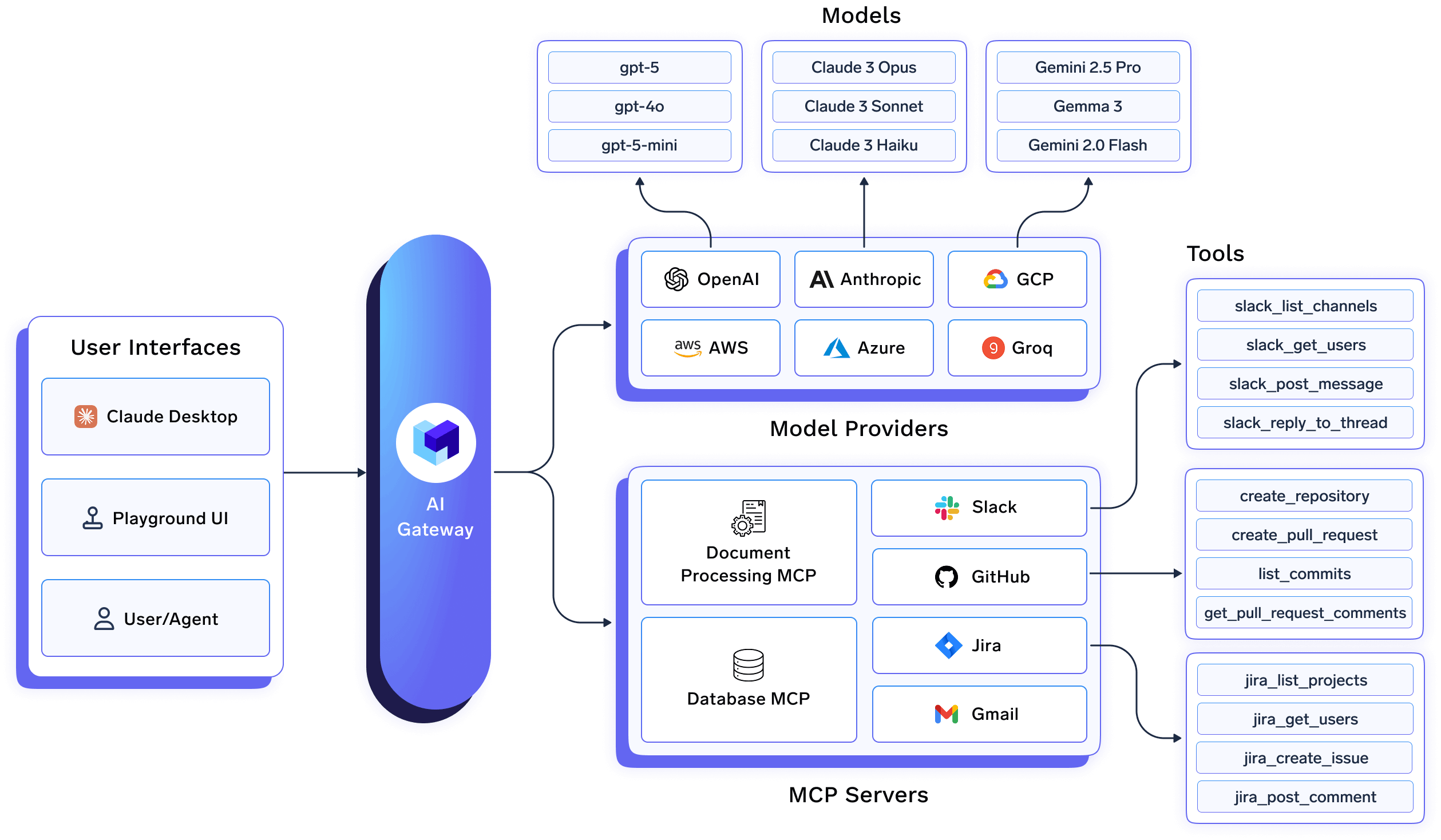
This additional layer enables organizations to:
An AI Gateway also creates a consistent control plane for multiple models and providers, allowing organizations to govern AI usage without requiring developers to manage credentials or provider-specific configurations.
For enterprises deploying Claude Code at scale, an AI Gateway becomes the foundation for secure, observable, and cost-controlled AI adoption. Rather than treating Claude Code as a standalone tool, organizations can manage it as part of a broader AI platform with centralized governance and security controls.
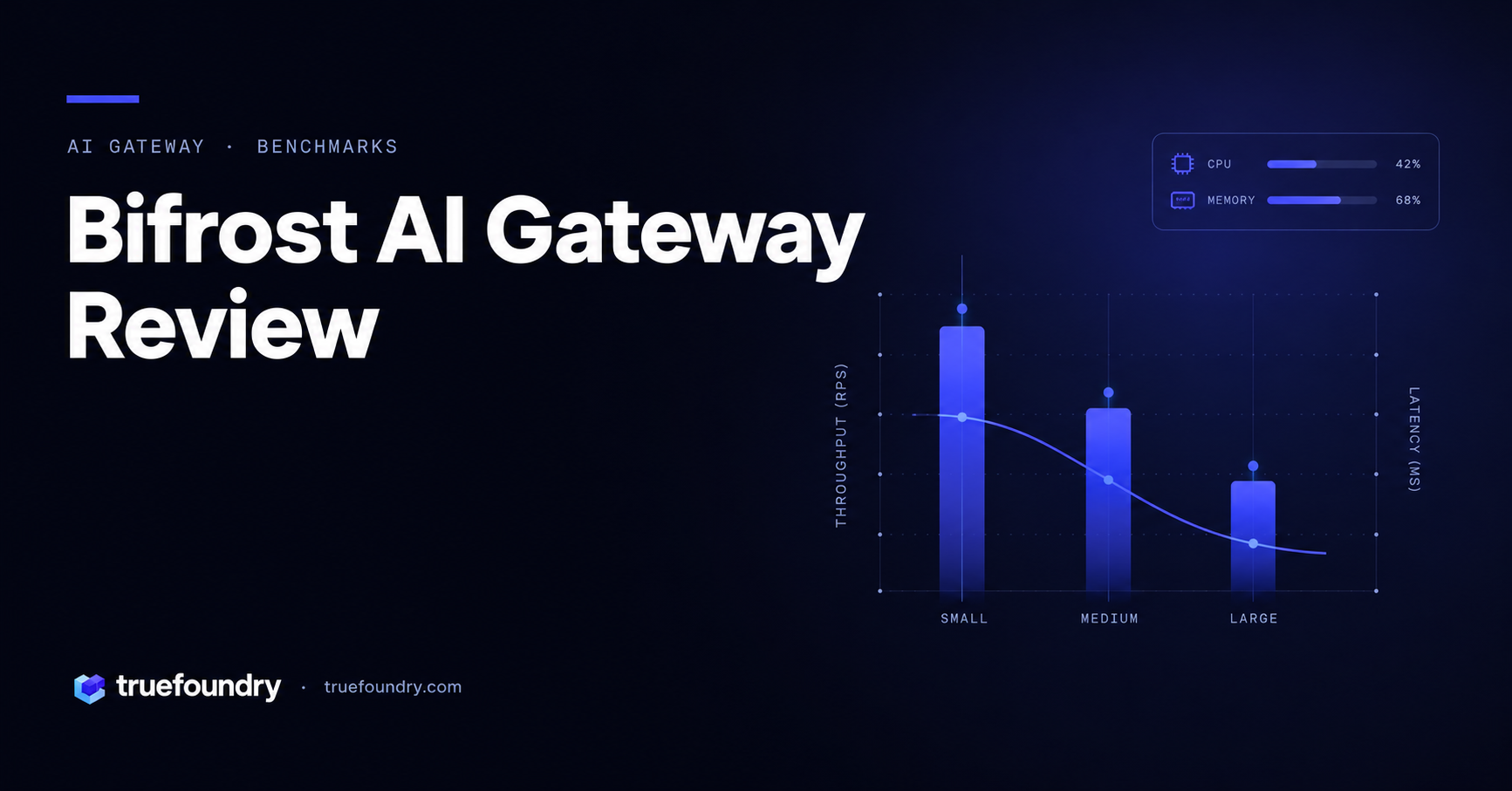
TrueFoundry AI Gateway ofrece una latencia de entre 3 y 4 ms, gestiona más de 350 RPS en una vCPU, se escala horizontalmente con facilidad y está listo para la producción, mientras que LitellM presenta una latencia alta, tiene dificultades para superar un RPS moderado, carece de escalado integrado y es ideal para cargas de trabajo ligeras o de prototipos.





Las últimas noticias, artículos y recursos enviados a tu bandeja de entrada
.webp)

.png)
.png)
.png)
.png)
.png)
.png)
.png)
.png)
.png)
.png)
.png)


