.png)
October 17, 2026
|
5 minutos de lectura


Obtenga acceso instantáneo a un entorno TrueFoundry en vivo. Implemente modelos, dirija el tráfico de LLM y explore la plataforma completa: su sandbox estará listo en segundos, sin necesidad de tarjeta de crédito.



Published: October 7, 2026
¡Una forma increíblemente rápida de crear, rastrear e implementar sus modelos!
Si está evaluando gateways MCP, probablemente haya considerado tanto TrueFoundry como MintMCP. Ambas sirven a mercados similares: equipos que desean exponer herramientas MCP de forma segura y a escala. Sin embargo, la profundidad técnica de cada una diverge rápidamente una vez que se mira más allá de la superficie.
TrueFoundry lidera en aspectos cruciales una vez superada la fase piloto: flexibilidad de despliegue (un SaaS totalmente gestionado tan rápido de adoptar como MintMCP, además de opciones VPC, on-premise e híbridas cuando las necesite), un gateway más amplio que abarca tráfico de modelos, MCP y agentes con un Agent Harness integrado, una observabilidad significativamente más profunda, un conjunto de barreras de seguridad (guardrails) más extenso y personalizable, y un modelo de autenticación de dos capas más flexible.
El gateway MCP de TrueFoundry está disponible como un SaaS totalmente gestionado, tan rápido de implementar como cualquier gateway SaaS especializado, con la opción de ejecutarlo dentro de su propia VPC, totalmente on-premise o en una configuración híbrida cuando lo necesite, todo mediante autoservicio. Se sitúa entre sus agentes de IA y sus herramientas MCP, gestionando la autenticación, el enrutamiento, la observabilidad y las barreras de seguridad dondequiera que decida ejecutarlo.
TrueFoundry también incluye un Agent Harness integrado para crear, desplegar y gobernar agentes. Los equipos obtienen capacidades de gateway y de tiempo de ejecución de agentes en una sola plataforma, en lugar de tener que combinar herramientas por separado.
La observabilidad es un diferenciador clave que va mucho más allá de un feed en tiempo real: cada solicitud muestra latencias P50, P75, P90 y P99, junto con desgloses de errores por tipo, tasas de activación de barreras, tasas de caché, decisiones de enrutamiento, y trazas y spans en vivo. Los equipos también obtienen visibilidad de costes desglosada por uso de modelo, agente o MCP, y pueden exportar trazas y métricas mediante OTel o extraer datos de trazas por solicitud de forma programática hacia sus propias herramientas. TrueFoundry maneja una sobrecarga de latencia de aproximadamente 3–4 ms a más de 350 RPS en una sola vCPU, lo que lo hace viable para cargas de trabajo de agentes a escala de producción.
En cuanto a las barreras de seguridad (guardrails), el conjunto de TrueFoundry es significativamente más extenso que un enfoque basado en reglas declarativas: evalúa políticas OPA (políticas como código declarativas y controladas por versiones), ejecuta CrowdStrike AIDR para la detección de amenazas empresariales e incluye detección de PII/PHI integrada. Los equipos pueden utilizar las barreras gestionadas de TrueFoundry desde el primer momento o ampliar el sistema con sus propias barreras personalizadas. Se admiten los modos VALIDATE y MUTATE, lo que significa que el gateway puede reescribir solicitudes o respuestas, no solo permitirlas o bloquearlas.
La autenticación es otra área de clara diferenciación: TrueFoundry ofrece un modelo de dos capas altamente flexible: autenticar al agente una vez en el gateway y luego actuar con el token propio de cada usuario final (On-Behalf-Of), junto con SSO, JWT desde cualquier IdP (Okta, Azure AD, Auth0, Cognito), SCIM, RBAC, identidades de agente y acceso M2M. Es un modelo considerablemente más flexible que un enfoque que solo permite actuar como agente.
La integración para desarrolladores está diseñada para equipos que priorizan el SDK: fragmentos de código completos para fastmcp (Python) y @modelcontextprotocol/sdk (TypeScript) con async/await, encabezados adecuados e inyección de tokens en vivo, disponibles directamente en la interfaz de la plataforma. La mayoría de los clientes de IDE populares son compatibles desde el primer momento.
El catálogo de MCP ha crecido sustancialmente: más de 120 MCP gestionados y más de 200 MCP oficiales, con pasos sencillos y guiados para configurar cualquier MCP sin fricción, además de soporte para desplegar servidores MCP personalizados y MCP basados en OpenAPI, algo que la mayoría de los gateways, incluido MintMCP, no ofrecen.
MintMCP es un gateway MCP SaaS gestionado, diseñado para la simplicidad y una rápida obtención de valor. Alojado en Fly.io, ofrece a los equipos un flujo de incorporación rápido, un catálogo de servidores MCP oficiales y una interfaz sencilla para gestionar el acceso a las herramientas.
La capa de identidad de MintMCP cubre lo básico: SSO mediante Okta, Google y Microsoft Entra ID; aprovisionamiento SCIM; RBAC; XAA mediante Okta (plan Enterprise); e identidades de agente mediante claves Bearer y tokens M2M.
Su sistema de barreras de seguridad combina reglas declarativas con middleware de JavaScript programable que se ejecuta en fases previas y posteriores. Integraciones de clasificadores externos, AWS Bedrock Guardrails, GCP Model Armor, moderación de OpenAI y Teleskope pueden conectarse a ese pipeline de middleware.
La observabilidad muestra un feed de actividad en tiempo real y cuatro KPI agregados: solicitudes, llamadas a herramientas, llamadas marcadas y herramientas populares. La exportación a SIEM está disponible en los planes Enterprise. Para los equipos cuya pregunta principal es "¿están funcionando las cosas?" en lugar de "¿dónde exactamente es lento?", ese nivel de instrumentación suele ser suficiente.
Buscas la simplicidad de un SaaS sin renunciar a opciones de despliegue futuras. El SaaS gestionado de TrueFoundry es igual de rápido de implementar que el de MintMCP, y si tus necesidades cambian, puedes migrar a VPC, on-premise o entornos híbridos sin tener que cambiar de plataforma.
Necesitas una puerta de enlace que cubra más que solo tráfico MCP. La puerta de enlace de modelos, MCP y agentes de TrueFoundry se integra en una sola plataforma, con un Agent Harness incorporado para crear, desplegar y gobernar agentes; capacidades que MintMCP no ofrece al ser únicamente una puerta de enlace MCP.
Necesitas depurar la latencia y los errores en producción. Cuando una solicitud en producción es lenta o falla, los recuentos agregados no te indican qué llamada a la herramienta tuvo un pico, qué barrera de seguridad se activó o si el problema está en la capa de enrutamiento. El desglose de latencia P50–P99, el análisis de tipos de error, los seguimientos en tiempo real y la API de seguimiento programático de TrueFoundry están diseñados precisamente para este escenario, y van mucho más allá del feed de actividad y los cuatro indicadores clave de rendimiento (KPI) de MintMCP.
Tus requisitos de barreras de seguridad van más allá de marcar y bloquear. Los modos VALIDATE y MUTATE de TrueFoundry te permiten inspeccionar y reescribir solicitudes y respuestas, no solo bloquearlas. Combinado con políticas como código de OPA (versiones controladas y comprobables), CrowdStrike AIDR para la detección de amenazas empresariales y soporte para barreras de seguridad personalizadas, esto constituye un conjunto de herramientas de seguridad sustancialmente más amplio que las reglas declarativas y el middleware de MintMCP.
Necesitas una autenticación flexible y por capas. El modelo de dos capas de TrueFoundry: Autenticar al agente una vez y luego actuar con el token de cada usuario final mediante On-Behalf-Of, además de acceso M2M, SSO, SCIM, RBAC y JWT desde cualquier IdP, es más flexible que el enfoque de MintMCP, que solo permite actuar como agente.
Tu equipo realiza integraciones programáticas con el SDK de MCP. Si estás creando agentes usando fastmcp o @modelcontextprotocol/sdk, en lugar de solo instalarlos mediante comandos de shell, el panel "Cómo usar" de TrueFoundry ofrece el código SDK completo y funcional con async/await, encabezados adecuados e inyección de tokens en tiempo real. Los comandos de shell son un punto de partida; los fragmentos de SDK son una integración funcional.
TrueFoundry es la plataforma más sólida en casi todas las dimensiones de esta comparativa: iguala la simplicidad del SaaS gestionado de MintMCP al tiempo que añade opciones de VPC, on-premise e híbridas; cubre el tráfico de modelos, MCP y agentes con un Agent Harness integrado del que carece MintMCP; y está significativamente por delante en cuanto a barreras de seguridad, observabilidad y flexibilidad de autenticación. MintMCP sigue siendo una opción razonable solo si tus necesidades se limitan a una puerta de enlace MCP sencilla y exclusivamente SaaS, y si tienes la certeza de que no necesitarás una observabilidad más profunda, barreras de seguridad personalizadas, orquestación de agentes o flexibilidad de despliegue en el futuro.
Reserva una demostración para ver la puerta de enlace MCP de TrueFoundry ejecutándose dentro de un entorno VPC con observabilidad y barreras de seguridad en tiempo real.
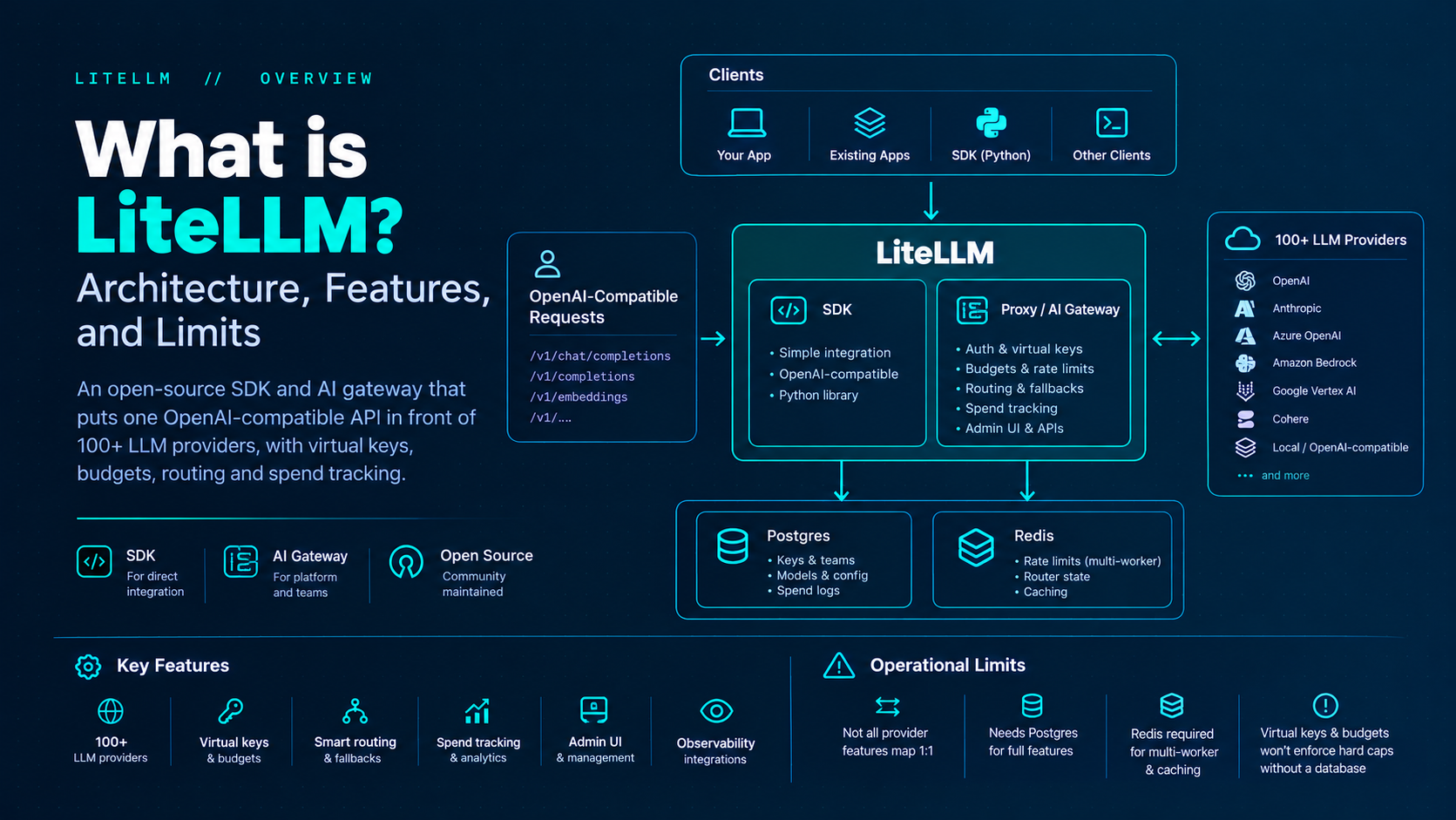
TrueFoundry AI Gateway ofrece una latencia de entre 3 y 4 ms, gestiona más de 350 RPS en una vCPU, se escala horizontalmente con facilidad y está listo para la producción, mientras que LitellM presenta una latencia alta, tiene dificultades para superar un RPS moderado, carece de escalado integrado y es ideal para cargas de trabajo ligeras o de prototipos.





Las últimas noticias, artículos y recursos enviados a tu bandeja de entrada
.png)
.png)
.png)
.png)
.png)
.png)
.png)
.png)