


.webp)
October 24, 2026
|
Lesedauer: 5 Minuten


Erhalten Sie sofortigen Zugriff auf eine TrueFoundry-Live-Umgebung. Stellen Sie Modelle bereit, leiten Sie den LLM-Verkehr weiter und erkunden Sie die gesamte Plattform — Ihre Sandbox ist in Sekundenschnelle einsatzbereit, ohne dass eine Kreditkarte erforderlich ist.


Unglaublich schnelle Methode zum Erstellen, Verfolgen und Bereitstellen Ihrer Modelle!
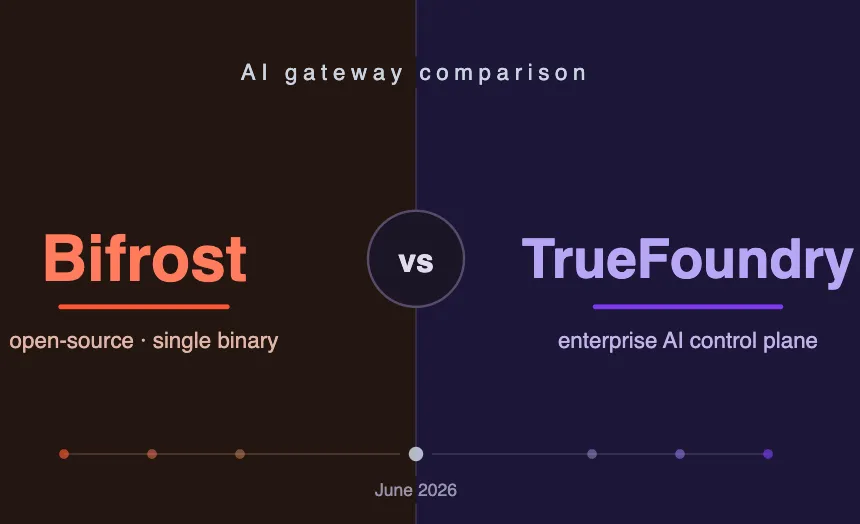
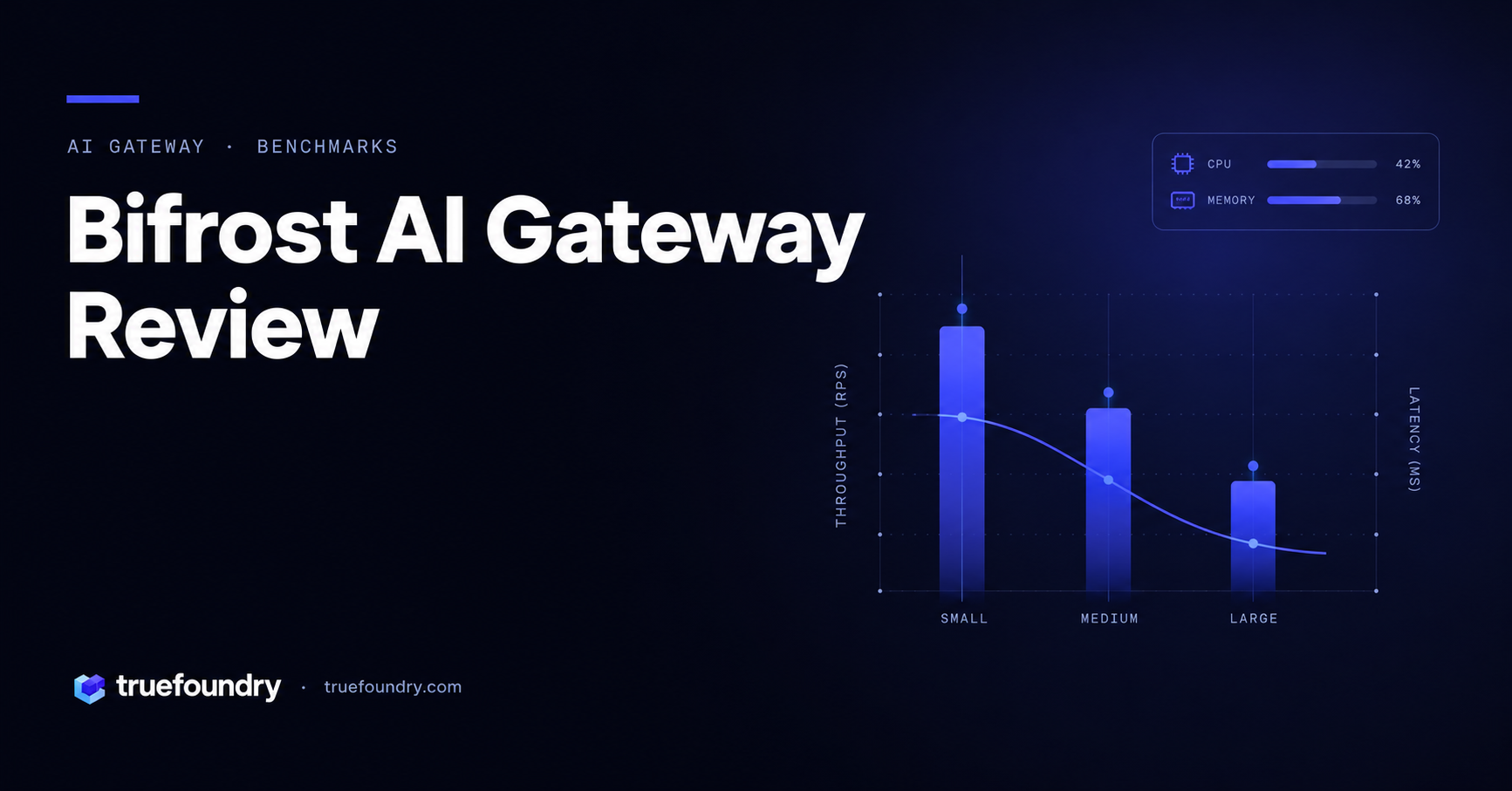
Bifrost ist ein Open-Source-Gateway auf Go-Basis, das als einzelne Binärdatei auf Ihrer eigenen Infrastruktur läuft und mittlerweile LLM-Routing, MCP und die automatische Ausführung im Agenten-Modus unterstützt. TrueFoundry ist eine Enterprise-KI-Plattform, deren Gateway nur eine Komponente einer umfassenderen Steuerungsebene darstellt. Hier ist ein praxisnaher Vergleich aus erster Hand.
Wenn Sie 2026 ein KI-Gateway auswählen, werden Bifrost und TrueFoundry beide auf Ihrer Liste stehen – doch in der Praxis unterscheiden sie sich stärker, als es eine Feature-Matrix vermuten lässt. Wir haben Bifrost lokal getestet und die Dokumentationen beider Anbieter ausgewertet, um diesen Vergleich auf Basis primärer Quellen zu erstellen: Das Laufzeitverhalten von Bifrost basiert auf einer laufenden v1.5.7 Instanz, während die Angaben zu Enterprise-Funktionen, Compliance und Deployment aus der Dokumentation von Bifrost / Maxim sowie alle Angaben zu TrueFoundry aus deren offizieller Dokumentation stammen.
Bifrost ist ein Gateway, das Sie selbst betreiben: eine einzelne Go-Binärdatei, ohne externe Abhängigkeiten beim Start (es initialisiert sich mit einem lokalen SQLite-Speicher), unter Apache-2.0-Lizenz und selbst gehostet. TrueFoundry ist eine Plattform, die Sie implementieren: ein LLM-, MCP- und Agenten-Gateway, das Teil eines Kubernetes-nativen Stacks ist, der zudem Modelle bereitstellt und trainiert, MCP-Server hostet und Agenten ausführt – verfügbar als SaaS, VPC, On-Premise oder in Air-Gapped-Umgebungen. Das eine ist ein in sich geschlossenes Tool, das andere die kontrollierte Steuerungsebene für den gesamten KI-Lebenszyklus.

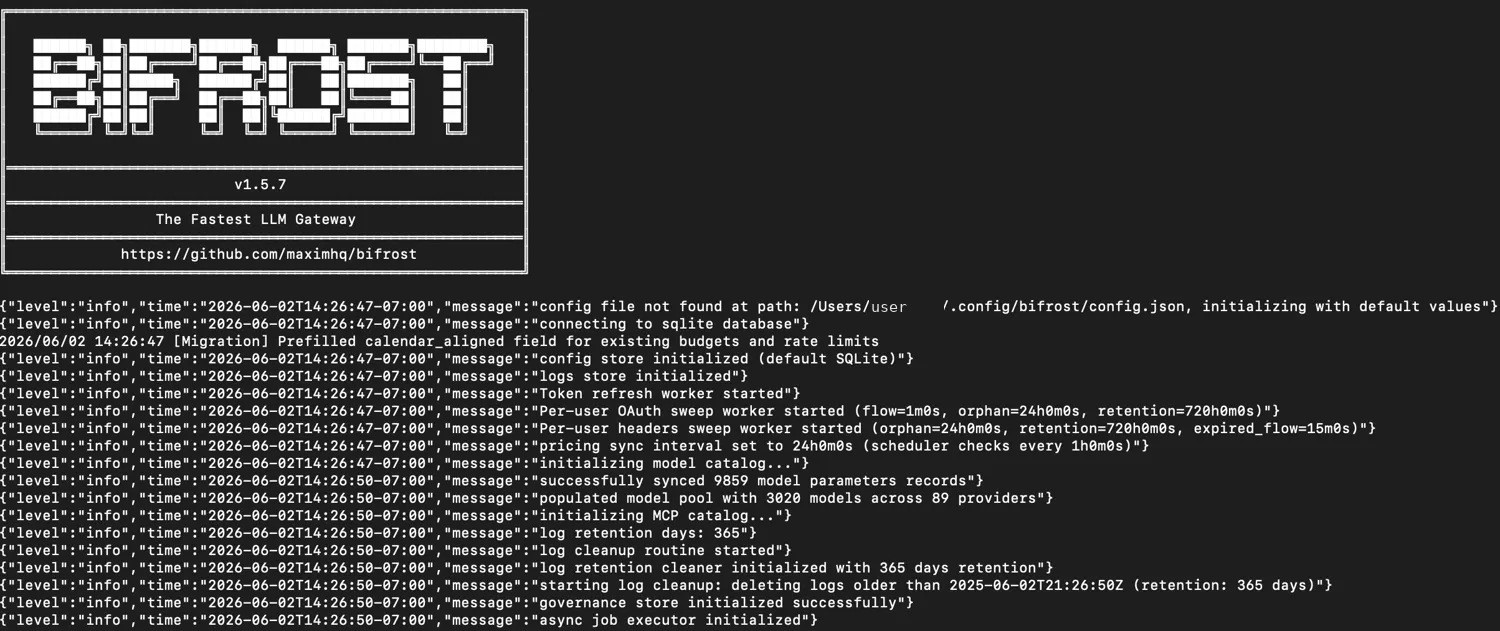
Der Startvorgang von Bifrost verdeutlicht den Unterschied. Beim ersten Ausführen erkennt es keine Konfiguration, initialisiert Standardwerte, verbindet sich mit einer lokalen SQLite-Datenbank und erstellt Konfigurations-, Protokoll- und Governance-Speicher – ohne dass zu Beginn eine externe Datenbank erforderlich ist. Es startet Worker für die Token-Aktualisierung, einen benutzerbezogenen OAuth-Abgleich und eine Preissynchronisierung, bevor es seinen Katalog lädt: in diesem Build 3.020 Modelle über 89 Anbieter hinweg, mit einer standardmäßigen Protokollaufbewahrung von 365 Tagen.
TrueFoundry AI Gateway bietet eine Latenz von ~3—4 ms, verarbeitet mehr als 350 RPS auf einer vCPU, skaliert problemlos horizontal und ist produktionsbereit, während LiteLM unter einer hohen Latenz leidet, mit moderaten RPS zu kämpfen hat, keine integrierte Skalierung hat und sich am besten für leichte Workloads oder Prototyp-Workloads eignet.





Die neuesten Nachrichten, Artikel und Ressourcen werden in Ihren Posteingang gesendet


.png)
.png)
.png)
.png)
.png)
.png)
.png)
.png)
.png)
.png)
.png)


