


October 22, 2026
|
Lesedauer: 5 Minuten


Erhalten Sie sofortigen Zugriff auf eine TrueFoundry-Live-Umgebung. Stellen Sie Modelle bereit, leiten Sie den LLM-Verkehr weiter und erkunden Sie die gesamte Plattform — Ihre Sandbox ist in Sekundenschnelle einsatzbereit, ohne dass eine Kreditkarte erforderlich ist.



.webp)
Unglaublich schnelle Methode zum Erstellen, Verfolgen und Bereitstellen Ihrer Modelle!
Die Erstellung einer einfachen LLM-Anwendung ist heute nicht mehr die größte technische Herausforderung. Die Komplexität in der Produktion entsteht, wenn Workflows Modelle, Tools, Speicher, Retrieval, Berechtigungen und Kosten koordinieren müssen. Teams stellen oft fest, dass ihr gewähltes Framework zwar die Ausführungslogik beherrscht, aber bei der unternehmensweiten Governance versagt.
LLM-Orchestrierungs-Frameworks koordinieren Aufrufe zwischen Modellen, Tools, Speichern und Retrieval-Systemen. Eine falsche Wahl kann zu technischen Schulden bei Bereitstellung, Debugging, Skalierung und Wartung führen. Das richtige Framework unterstützt klare Workflows, während die Infrastrukturkontrolle in einer separaten, regulierten Ebene verbleibt.
Dieser Leitfaden vergleicht führende LLM-Orchestrierungs-Frameworks, ihre Stärken und ihre operativen Grenzen. Er erläutert zudem, wie sich Produktionsanforderungen bei der Orchestrierung im Unternehmensmaßstab verändern. Teams können diese Kriterien anwenden, wenn sie Prototypen in regulierte Umgebungen überführen.
LLM-Orchestrierung koordiniert Modelle, Tools, Speicher und Retrieval zu einem zusammenhängenden Workflow. Eine einfache Anfrage besteht aus einem Prompt und einer Antwort. Orchestrierte Workflows verbinden mehrere Modellaktionen durch sequentielle, parallele, bedingte oder iterative Ausführungspfade.
Ein Orchestrator kann ein Tool auswählen, eine Wissensdatenbank abfragen oder eine menschliche Freigabe anfordern. Er übernimmt das Zustandsmanagement, Übergaben, die Speicherverwaltung und den Datenabruf über mehrstufige Ausführungen hinweg. Diese Funktionen helfen KI-Agenten dabei, komplexe Aufgaben zu erledigen, die mehrere Systeme einbeziehen.
Die Orchestrierungsebene definiert Kommunikation, Tool-Aufrufe und Kontextpersistenz. Sie koordiniert API-Aufrufe, externe APIs und andere externe Dienste innerhalb der Workflow-Automatisierung. Diese Workflows unterstützen Kundenservice, Recherche und interne Betriebsabläufe.
Ein Orchestrierungs-Framework gibt Unternehmen in der Regel drei Dinge vor:
Ein reguliertes LLM-Gateway kann den Modellzugriff standardisieren, ohne die Orchestrierungslogik zu verändern. TrueFoundry bietet eine einheitliche Schnittstelle mit Sicherheit, Observability und Governance für alle unterstützten Modelle.
Diese modernen Frameworks unterstützen unterschiedliche Kombinationen aus Agenten, Retrieval, Tools, Speicher und Workflow-Steuerung. Viele Open-Source-Optionen priorisieren die Flexibilität des Codes für KI-Anwendungen. Einige Optionen erfordern eine steilere Lernkurve für Entwickler.
.webp)
LangGraph nutzt eine graphbasierte Orchestrierung, um zustandsbehaftete Agenten-Workflows über komplexe Ausführungspfade hinweg zu verwalten. Die Persistenzschicht unterstützt Checkpointing, dauerhafte Wiederherstellung, manuelle Freigaben und Time-Travel-Debugging. Teams können frühere Zustände untersuchen, unterbrochene Aufgaben fortsetzen und die Verzweigungslogik präzise steuern. Unternehmensweite Governance-Kontrollen erfordern weiterhin eine separate Infrastruktur und Funktionen zur zentralen Richtliniendurchsetzung.
Hauptfunktionen
Vorteile und Herausforderungen
Ideal für: Entwicklungsteams, die komplexe Multi-Agenten-Systeme aufbauen, welche dauerhafte Zustände, Verzweigungslogik, manuelle Freigaben, kontrollierte Wiederherstellung und detailliertes Workflow-Debugging erfordern.
.webp)
LangChain bietet wiederverwendbare Abstraktionen für Modelle, Agenten, Tools, Retrieval, Middleware und Prompt-Workflows. Sein breites Integrations-Ökosystem verbindet Vektordatenbanken, Unternehmensdatenquellen und externe Dienste schnell miteinander. Das Framework unterstützt die schnelle Anwendungsentwicklung, wobei hochstrukturierte Multi-Agenten-Workflows unter Umständen eine stärkere Kontrolle über Zustände, Dauerhaftigkeit und zentralisierte Governance-Funktionen für den produktiven Einsatz erfordern.
Hauptfunktionen
Vorteile und Herausforderungen
Ideal für: Anwendungsteams, die integrierte LLM-Lösungen entwickeln, welche eine breite Konnektivität zu Modellen, Retrieval-Systemen, Tools und Unternehmensdiensten für unterschiedlichste Anwendungsfälle erfordern.
.webp)
LlamaIndex konzentriert sich darauf, Unternehmensinformationen durch Retrieval und Indexierung mit Sprachmodell-Workflows zu verknüpfen. Die Abstraktionen unterstützen die Aufnahme von Dokumenten, die Datenaufbereitung, Extraktion und das Abfragen von Wissensdatenbanken aus verschiedenen Quellen. Teams können Antworten effizient auf relevanten Kontext stützen, wobei komplexe Agenten-Orchestrierung und Unternehmens-Governance oft ergänzende Plattformen und Kontrollmechanismen erfordern.
Hauptfunktionen
Vorteile und Herausforderungen
Ideal für: Teams, die retrieval-intensive Anwendungen entwickeln, welche eine präzise Fundierung über Dokumente, interne Wissensdatenbanken, Datenbanken, Archive und andere Unternehmensinformationsquellen hinweg erfordern.
.webp)
CrewAI strukturiert Multi-Agenten-Workflows anhand definierter Rollen, Verantwortlichkeiten, Aufgaben, Teams und Abläufe. Dieses Design macht die Zusammenarbeit von Agenten bei komplexen Prozessen leichter verständlich und konfigurierbar. Es unterstützt Speicher, Tools, Wissen, Leitplanken und Beobachtbarkeit. Eine höhere Autonomie kann bei dauerhaftem produktivem Einsatz die Anzahl der Modellaufrufe, den Token-Verbrauch und die Betriebskosten insgesamt erheblich steigern.
Hauptfunktionen
Vorteile und Herausforderungen
Ideal für: Teams, die kollaborative Multi-Agenten-Workflows aufbauen, bei denen Rollenklarheit, delegierte Verantwortlichkeiten, lesbare Ausführungsstrukturen und schnelles Experimentieren wichtiger sind als ein minimaler Token-Verbrauch.
.webp)
Das OpenAI Agents SDK bietet codebasierte Bausteine für Tools, Übergaben, Leitplanken, Sitzungen, Genehmigungen und Tracing. Der Runner koordiniert die Ausführung der Agenten und die Nutzung wiederkehrender Tools innerhalb der Workflows. Teams erreichen eine starke Abstimmung mit OpenAI-Modellen, wobei dauerhafter Status, Portabilität zwischen Anbietern und eine umfassendere Infrastruktur-Governance zusätzliche Dienste oder eine individuelle Implementierung erfordern können.
Hauptfunktionen
Vorteile und Herausforderungen
Am besten geeignet für: Teams, die auf OpenAI-Modelle setzen und eine codebasierte Orchestrierung, strukturierte Übergaben, Tracing, Guardrails sowie eine flexible Tool-Ausführung innerhalb von Agenten-Workflows benötigen.
.webp)
Das Microsoft Agent Framework unterstützt die Agentenentwicklung und Workflow-Orchestrierung für .NET, Python und Go. Es umfasst Sitzungsstatus, Middleware, Telemetrie, Checkpointing und graphbasierte Ausführung. Das Framework ist eng in Microsoft- und Azure-Umgebungen integriert. Teams in Multi-Cloud-Umgebungen sollten vor einer unternehmensweiten Standardisierung die Portabilität der Anbieter, die Abhängigkeit vom Ökosystem und die Grenzen externer Daten prüfen.
Hauptfunktionen
Vorteile und Herausforderungen
Am besten geeignet für: Unternehmen, die Microsoft- und Azure-Technologien nutzen und zustandsbehaftete Orchestrierung, Telemetrie, Checkpointing, Middleware sowie Entwicklungsunterstützung für .NET, Python und Go benötigen.
.webp)
Effektive Methoden verknüpfen Workflow-Design mit einer unabhängigen Infrastruktur-Governance. Teams sollten Qualität, Sicherheit, Zustandsbeständigkeit und Ausgaben ganzheitlich bewerten. Die Wahl des Frameworks ist wichtig, doch erst das operative Design entscheidet darüber, ob Systeme auch bei Skalierung zuverlässig bleiben.
Frameworks definieren die Agentenkoordination, während die Infrastruktur den Zugriff auf Modelle und Tools regelt. Diese Trennung verhindert, dass Richtlinien fest in den Anwendungscode eingebettet werden. Zudem ermöglicht sie konsistente Kontrollen über verschiedene Workflows, Anbieter und LLM-Instanzen hinweg.
Agenten sollten innerhalb des Berechtigungsumfangs des jeweiligen Benutzers agieren, der die Anfrage initiiert. Gemeinsam genutzte Identitäten können sensible Informationen offenlegen und unbefugten Datenzugriff ermöglichen. Eine identitätsbasierte Ausführung beschränkt den Zugriff auf Tools und sensible Daten basierend auf Rollen und genehmigten Aufgaben.
Latenz, Durchsatz und Fehlerraten geben Aufschluss über den Zustand der Infrastruktur. Sie können jedoch weder Genauigkeit noch Fundiertheit oder die korrekte Auswahl von Tools bestätigen. Leistungsüberwachung sollte Metriken für Performance, Abrufgenauigkeit, Antwortqualität und Workflow-Verhalten kombinieren.
Die Gesamtzahl der Token verrät nicht, welche Workflows einen geschäftlichen Mehrwert schaffen. Teams sollten Modellausgaben mit Workflows, Benutzern, Abteilungen und Budgets verknüpfen. Dieser Ansatz verbessert das Ressourcenmanagement und unterstützt gleichzeitig einen hohen Durchsatz sowie kontrollierte Antwortzeiten.
Multi-Agenten-Workflows erfordern eine zuverlässige Datenspeicherung für Sitzungen, Checkpoints und Wiederherstellungen. Ein fehlerhafter Status kann dazu führen, dass Aktionen wiederholt werden, der Kontext verloren geht oder falsche Ergebnisse produziert werden. Teams sollten die Sitzungswiederherstellung vor der Produktivsetzung testen.
LLM-Orchestrierungs-Frameworks koordinieren Modelle, Tools, Speicher und die Workflow-Ausführung. Unternehmenseinsätze erfordern jedoch Kontrollmechanismen, die Framework-Bibliotheken oft den Plattform-Teams überlassen. Diese Lücken werden kritisch, wenn Systeme regulierte Informationen verarbeiten oder autonome Aktionen ausführen.
Diese Lücken betreffen auch das Prompt-Management, das Prompt-Engineering und die Verarbeitung von Benutzereingaben. Eine AI-Gateway-Architektur zentralisiert diese Kontrollen oberhalb der Anwendungs-Frameworks.
Produktionskontrollen sollten natürliche Sprache, Sprachverarbeitung und Sprachgenerierung schützen. Die Governance muss jedes Large Language Model und jeden verbundenen Dienst abdecken.
TrueFoundry stellt Infrastruktur für LLM-Orchestrierungs-Frameworks bereit, ohne die Workflow-Logik zu ersetzen. Das AI Gateway leitet, sichert, überwacht und steuert den Datenverkehr der unterstützten Frameworks. Anwendungen behalten ihre bevorzugten Bausteine bei, während Richtlinien konsistent bleiben.
Diese Architektur unterstützt generative KI über alle unterstützten Frameworks und Anbieter hinweg. TrueFoundry fügt Governance hinzu, ohne dass Teams ihre Kernkomponenten oder verschiedene Bausteine neu gestalten müssen. Es unterstützt produktive künstliche Intelligenz bei gleichzeitiger Wahrung der Framework-Flexibilität.
Buchen Sie eine Demo, um zu sehen, wie TrueFoundry die Orchestrierung über Modelle, Agenten, Tools, Workflows, Anbieter, Identitäten, Kosten und Produktionsumgebungen hinweg steuert.
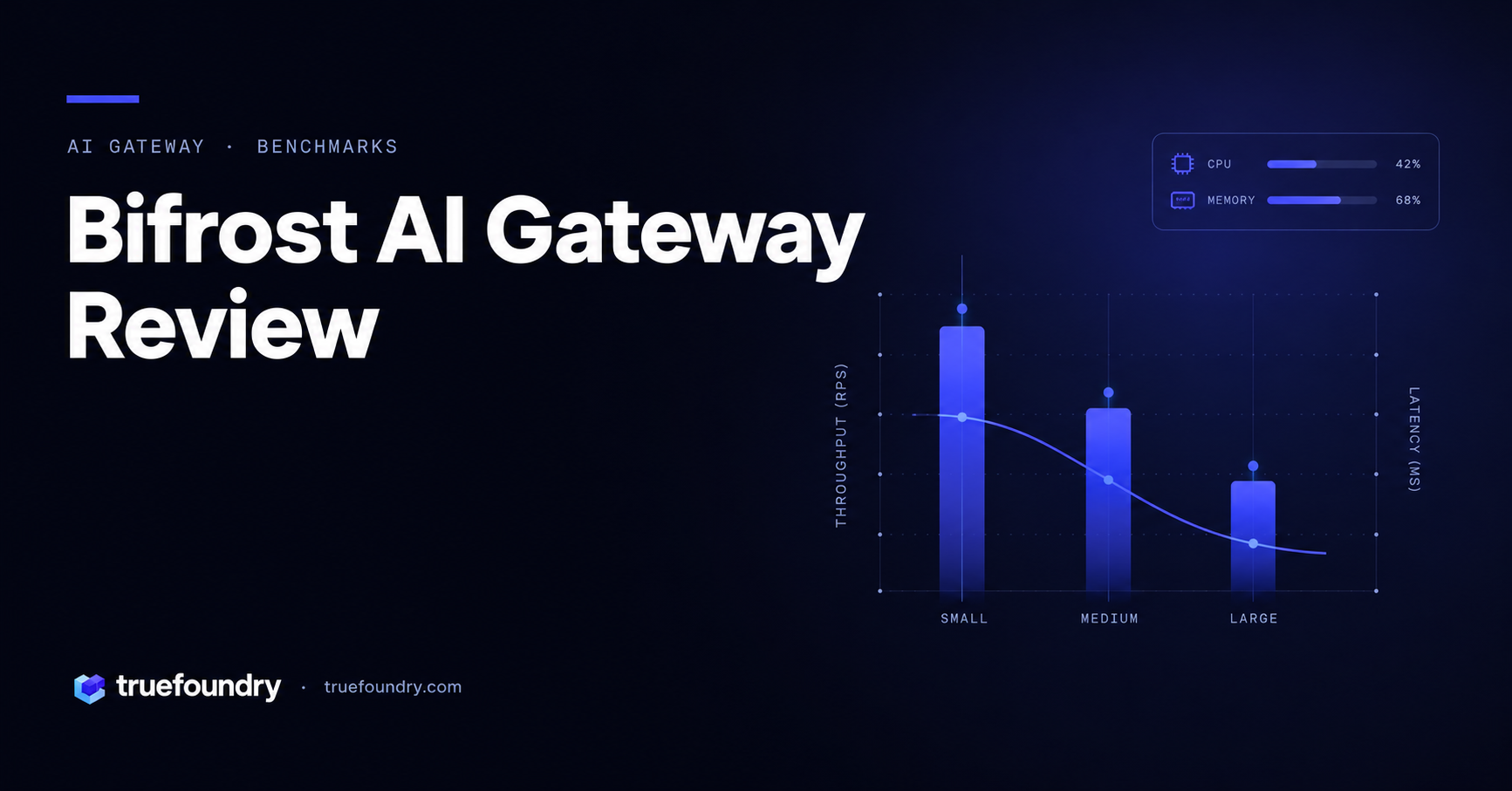
TrueFoundry AI Gateway bietet eine Latenz von ~3—4 ms, verarbeitet mehr als 350 RPS auf einer vCPU, skaliert problemlos horizontal und ist produktionsbereit, während LiteLM unter einer hohen Latenz leidet, mit moderaten RPS zu kämpfen hat, keine integrierte Skalierung hat und sich am besten für leichte Workloads oder Prototyp-Workloads eignet.





Die neuesten Nachrichten, Artikel und Ressourcen werden in Ihren Posteingang gesendet
.webp)

.png)
.png)
.png)
.png)
.png)
.png)
.png)
.png)
.png)
.png)
.png)


