


.webp)
October 21, 2026
|
Lesedauer: 5 Minuten


Erhalten Sie sofortigen Zugriff auf eine TrueFoundry-Live-Umgebung. Stellen Sie Modelle bereit, leiten Sie den LLM-Verkehr weiter und erkunden Sie die gesamte Plattform — Ihre Sandbox ist in Sekundenschnelle einsatzbereit, ohne dass eine Kreditkarte erforderlich ist.



Unglaublich schnelle Methode zum Erstellen, Verfolgen und Bereitstellen Ihrer Modelle!
Claude Managed Agents und Hermes Agent werden in letzter Zeit häufig verglichen – und das zu Recht, denn es geht hier nicht um eine bloße Geschmacksfrage. Beide lösen dasselbe grundlegende Problem (einen Agenten, der Aufgaben autonom erledigt, ohne dass jeder Schritt manuell überwacht werden muss), jedoch von entgegengesetzten Seiten: Das eine ist die gehostete, verwaltete Laufzeitumgebung von Anthropic, das andere der selbst gehostete Agent von Nous Research, der sich 2026 zum meistgenutzten Open-Source-Agenten auf OpenRouter entwickelt hat.
Welche Wahl ist also die bessere?
Die Antwort hängt von Ihren Prioritäten ab. Wenn Sie so schnell wie möglich Agenten auf Basis von Claude entwickeln möchten, sind Claude Managed Agents möglicherweise die richtige Wahl. Wenn Sie jedoch Modellportabilität, volle Kontrolle über die Infrastruktur oder die Möglichkeit benötigen, jeden Aspekt Ihres Agenten-Stacks anzupassen, bietet Hermes Agent andere entscheidende Vorteile.
In diesem Leitfaden vergleichen wir Claude Managed Agents vs. Hermes Agent hinsichtlich Architektur, Bereitstellung, Modellunterstützung, Anpassbarkeit, Enterprise-Tauglichkeit und Preisgestaltung, um Ihnen bei der Entscheidung zu helfen, welche Plattform am besten zu Ihrem KI-Entwicklungs-Workflow passt.

Claude Managed Agents ist die gehostete Laufzeitumgebung von Anthropic, mit der Sie Claude-basierte Agenten ausführen können, ohne sich um die eigene Infrastruktur kümmern zu müssen. Sie definieren einen Agenten, seine Umgebung und seine Sitzungen über die API und das SDK von Anthropic, und Anthropic übernimmt die Ausführung. Tool-Berechtigungen werden pro Agent über ein permission_policy -Feld festgelegt (der Standardwert ist always_ask, was bedeutet, dass ein Tool-Aufruf auf eine Genehmigung wartet, sofern Sie dies nicht explizit anders konfiguriert haben). Anmeldedaten für externe Tools werden in benutzerspezifischen Tresoren gespeichert, die Sie bei der Sitzungserstellung registrieren.
Es eignet sich am besten für Teams, die:
Der Kompromiss für diesen Komfort ist, dass es sich um eine reine Pro-Code-Lösung handelt: Es gibt keinen visuellen Editor; Sie schreiben und pflegen Agentendefinitionen als JSON-Payloads, und das System läuft derzeit ausschließlich mit den Claude-Modellen von Anthropic. Da es sich um ein verwaltetes Cloud-Angebot handelt, finden die Datenverarbeitung und die Ausführung Ihres Agenten zudem auf der Infrastruktur von Anthropic statt, nicht auf Ihrer eigenen.

Hermes Agent ist der im Februar 2026 veröffentlichte Open-Source-Agent von Nous Research unter MIT-Lizenz. Er ist darauf ausgelegt, als dauerhafter Hintergrundprozess auf einer Infrastruktur Ihrer Wahl zu laufen: einem kleinen VPS, einer GPU-Workstation oder einem serverlosen Backend, das bei Inaktivität herunterfährt. Sie interagieren über Chat-Plattformen wie Telegram, Discord oder Slack mit ihm, und er arbeitet auch dann an einer Aufgabe weiter, wenn Sie das Gespräch bereits beendet haben.
Das herausragende Merkmal ist die integrierte Selbstoptimierungsschleife: Anstatt bei jeder Sitzung von vorne zu beginnen, merkt sich Hermes Agent, was bereits erledigt wurde, baut im Laufe der Zeit wiederverwendbare Fähigkeiten auf und wird mit zunehmender Nutzung immer leistungsfähiger. Die Adoptionskurve war steil. Bis Mai 2026 verarbeitete das System über 224 Milliarden Token pro Tag über OpenRouter, belegte weltweit den ersten Platz in den Kategorien Produktivität, Programmierung und persönliche Agenten und veröffentlichte am 2. Juni 2026 eine offizielle Desktop-App für macOS, Windows und Linux.
Hermes Agent ist ideal für Teams, die:
Der Kompromiss ist das Gegenteil von Claude Managed Agents: Sie erhalten volle Kontrolle und Modellflexibilität. Da Hermes Agent selbst gehostet wird, sind die Entwickler für die Bereitstellung, Sicherung und Wartung der Laufzeitumgebung verantwortlich. Unternehmen müssen zudem die Infrastruktur selbst bereitstellen und Integrationen verwalten, was im Vergleich zu einem vollständig verwalteten Dienst zusätzlichen operativen Aufwand bedeuten kann. Dies ist der Preis für die größere Flexibilität und Kontrolle, die Hermes bietet.
Einer der größten Unterschiede zwischen Claude Managed Agents und Hermes Agent ist das Maß an Kontrolle, das Entwickler über Bereitstellung und Anpassung haben.
Claude Managed Agents folgt einem Managed Service -Modell. Anthropic verwaltet die zugrunde liegende Laufzeitumgebung, sodass sich Entwickler auf die Erstellung der Agentenlogik konzentrieren können, anstatt Infrastruktur bereitzustellen oder Ausführungsumgebungen zu warten. Dies reduziert die betriebliche Komplexität und ermöglicht eine schnellere Entwicklung, insbesondere für Teams, die bereits im Claude-Ökosystem etabliert sind.
Hermes Agent verfolgt den entgegengesetzten Ansatz. Als Open-Source-Projektbietet es Entwicklern die vollständige Kontrolle darüber, wo und wie Agenten ausgeführt werden. Sie können Hermes lokal, auf virtuellen Maschinen, in Kubernetes-Clustern oder auf anderer Cloud-Infrastruktur bereitstellen, je nach Ihren Anforderungen. Diese Flexibilität erleichtert zudem die Integration von Hermes in bestehende Engineering-Workflows und die Anpassung seines Verhaltens.
Der Kompromiss liegt in der betrieblichen Verantwortung. Self-Hosting bietet zwar mehr Flexibilität, erfordert aber auch, dass Teams Infrastruktur, Updates, Sicherheit und Skalierung selbst verwalten.

TrueForge ist das Open-Source- und anbieterneutrale Agenten-Framework von TrueFoundry für Teams, die mehr Kontrolle darüber wünschen, wie ihre Agenten in der Produktion laufen. Anstatt die Laufzeitumgebung an einen einzigen Modellanbieter zu binden, ermöglicht TrueForge die Nutzung eigener Modelle, MCP-Server und Infrastrukturen, während es sich um die Agenten-Schleife, Tool-Ausführung, Kontextverwaltung, Freigaben und Sandboxing kümmert.
Während ein selbst gehosteter Agent wie Hermes einen Großteil der Produktionsinfrastruktur dem Entwickler überlässt, bietet TrueForge die notwendige Steuerungsebene, um Agenten team- und umgebungsübergreifend zu betreiben. Dies umfasst zentralisierten MCP-Zugriff und Anmeldedaten, Human-in-the-Loop-Freigaben, isolierte Ausführung (Sandboxing), Observability und Governance.
Sie können es lokal mit npx @truefoundry/trueforge ausführen oder für ein Team mit Docker Compose oder Helm bereitstellen.
TrueForge trennt zudem die Agenten-Laufzeitumgebung von der Modellebene. Das bedeutet, dass Teams Modelle wechseln oder Workloads an verschiedene Anbieter weiterleiten können, ohne den Agenten selbst neu erstellen zu müssen. In Kombination mit dem AI Gateway von TrueFoundry können Teams außerdem Modell-Routing und Kostenkontrollen anwenden, um den Einsatz teurer Frontier-Modelle für Aufgaben zu vermeiden, die diese nicht erfordern. Das Ergebnis ist ein Mittelweg zwischen einer vollständig verwalteten Laufzeitumgebung und dem eigenständigen Aufbau der gesamten Agenten-Infrastruktur: ein Open-Source-Agenten-Framework mit den betrieblichen Kontrollmechanismen, die für den produktiven Einsatz von Agenten in großem Maßstab erforderlich sind.
In einem Benchmark von TrueFoundry gegen Claude Managed Agents erreichte TrueForge bei Ausführung auf Opus 4.8 eine nahezu identische Aufgabenpräzision bei einem Token-Verbrauch von nur etwa 40 %, was die Kosten pro Durchlauf um etwa 30 % senkt. Bei demselben Benchmark mit GLM-5.2 auf TrueForge wurde das gleiche Ergebnis von ca. 11/14 Aufgaben bei etwa 2,90 $ pro Durchlauf erzielt, verglichen mit 11,80 $ bei Claude Managed Agents – das entspricht etwa 75 % geringeren Kosten.
TrueFoundry bietet zudem einen zweiten Hebel zur Senkung der Modellkosten durch AI Gateway von Auto-Routing. Anstatt jede Anfrage an ein Frontier-Modell zu senden, klassifiziert Auto-Routing Anfragen nach Komplexität und leitet sie an verschiedene Modell-Tiers weiter. In einem Benchmark von TrueFoundry mit 550 Prompts konnte durch das Routing zwischen Haiku, Sonnet und Opus die Kosten um 69 % gesenkt werden, während 98 % der ursprünglichen Qualität erhalten blieben. Die durchschnittliche Latenz sank von 7,6 auf 4,0 Sekunden. Bei produktionsnahem Datenverkehr erreichte die Gesamtkostensenkung sogar 80 %.
Diese beiden Ebenen adressieren unterschiedliche Aspekte der Kostenrechnung. TrueForge reduziert den Overhead beim Betrieb des Agenten selbst, während Modell-Routing es Ihnen ermöglicht, auf teure Modelle zu verzichten, wenn die Aufgabe diese nicht erfordert. Für Teams, die Agenten in großem Maßstab betreiben, kann die Kombination beider Kontrollmechanismen wichtiger sein als der reine Preis des Modells.
TrueForge ist Open Source und unter der MIT-Lizenz verfügbar, während das AI Gateway von TrueFoundry die operative Ebene ergänzt, die Teams beim Übergang von einzelnen Agenten zur Produktion benötigen: zentralisierter Modellzugriff, Budgets, Guardrails, Anmeldedatenverwaltung und einheitliche Traces.
Wenn Sie Claude Managed Agents mit einer konfigurierbareren Architektur vergleichen, ist TrueFoundry eine Überlegung wert, wenn Modellflexibilität, Infrastrukturkontrolle und die Optimierung der Agentenkosten neben der Agenten-Laufzeit selbst von Bedeutung sind.
Claude Managed Agents und Hermes Agent repräsentieren zwei Enden des Spektrums für Agenten-Infrastruktur. Claude Managed Agents bietet Teams eine vollständig verwaltete, Claude-native Laufzeitumgebung mit minimalem operativen Aufwand. Hermes Agent bietet Entwicklern das Gegenteil: einen Open-Source-Agenten zum Selbst-Hosten mit voller Kontrolle über Modell, Infrastruktur, Speicher und Agentenverhalten.
TrueFoundry Agent Harness wählt einen Mittelweg. Es bewahrt die Flexibilität bei der Wahl von Modellen und Bereitstellungsumgebungen und bietet gleichzeitig die operative Ebene, die wichtig wird, wenn Agenten von Einzelprojekten in die Produktion überführt werden: zentralisierte MCP-Anmeldedaten, Sandboxing, menschliche Freigabeprozesse, Observability, Modell-Routing und Governance.
Die richtige Wahl hängt davon ab, was Sie selbst kontrollieren möchten. Wenn Sie Claude-fokussierte Agenten entwickeln und möchten, dass Anthropic die Infrastruktur verwaltet, ist Claude Managed Agents die einfachste Option. Wenn Sie den gesamten Agenten-Stack besitzen und anpassen möchten, bietet Ihnen Hermes Agent diese Kontrolle. Wenn Sie mehrere Agenten über verschiedene Teams und Modelle hinweg betreiben und Flexibilität wünschen, ohne die gesamte Steuerungsebene selbst entwickeln zu müssen, ist TrueFoundry Agent Harness eine Überlegung wert.
Claude Managed Agents vs. Hermes Agent: Welche Lösung ist die richtige für Sie?
Entscheiden Sie sich für Claude Managed Agents, wenn Sie eine gehostete, reine Claude-Laufzeitumgebung mit minimalem Infrastrukturaufwand suchen. Wählen Sie Hermes Agent, wenn Sie einen selbst gehosteten, sich selbst verbessernden Agenten mit voller Modellflexibilität bevorzugen und bereit sind, die eigene Infrastruktur und Governance zu verwalten.
Ist Hermes Agent kostenlos?
Ja. Hermes Agent ist Open Source und unter der MIT-Lizenz verfügbar. Sie zahlen lediglich für die Infrastruktur, auf der Sie das System betreiben, sowie für die genutzten Modell-API-Aufrufe; für das Framework selbst fallen keine Lizenzgebühren an.
Ist Claude Managed Agents kostenlos?
Nein. Die Abrechnung erfolgt nutzungsbasiert über die API von Anthropic, sodass die Kosten direkt mit dem Nutzungsumfang skalieren.
Unterstützt TrueFoundry MCP und KI-Agenten?
Ja. TrueFoundry umfasst ein MCP-Gateway, ein Agent-Gateway sowie eine MCP- und Agenten-Registry mit Zugriffskontrolle auf Tool-Ebene. Dadurch können Agenten aus beliebigen Frameworks über eine zentrale Steuerungsebene bereitgestellt und verwaltet werden.
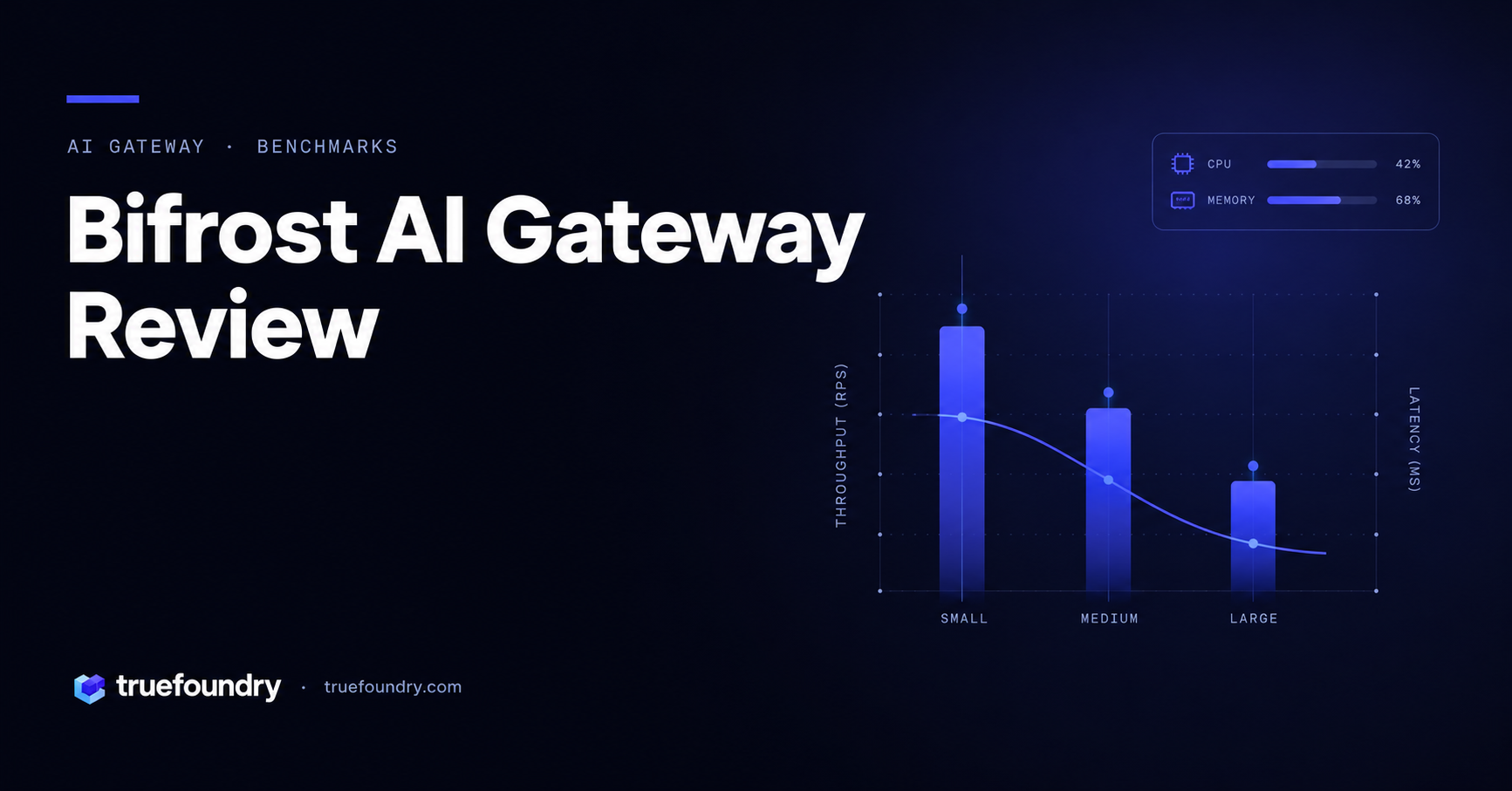
TrueFoundry AI Gateway bietet eine Latenz von ~3—4 ms, verarbeitet mehr als 350 RPS auf einer vCPU, skaliert problemlos horizontal und ist produktionsbereit, während LiteLM unter einer hohen Latenz leidet, mit moderaten RPS zu kämpfen hat, keine integrierte Skalierung hat und sich am besten für leichte Workloads oder Prototyp-Workloads eignet.





Die neuesten Nachrichten, Artikel und Ressourcen werden in Ihren Posteingang gesendet


.png)
.png)
.png)
.png)
.png)
.png)
.png)
.png)
.png)
.png)
.png)


