


.png)
October 19, 2026
|
Lesedauer: 5 Minuten


Erhalten Sie sofortigen Zugriff auf eine TrueFoundry-Live-Umgebung. Stellen Sie Modelle bereit, leiten Sie den LLM-Verkehr weiter und erkunden Sie die gesamte Plattform — Ihre Sandbox ist in Sekundenschnelle einsatzbereit, ohne dass eine Kreditkarte erforderlich ist.



Published: October 6, 2026
Unglaublich schnelle Methode zum Erstellen, Verfolgen und Bereitstellen Ihrer Modelle!
Ein MCP-Server, der während einer Demo auf dem Laptop eines Entwicklers läuft, und ein MCP-Server, der im Request-Pfad eines produktiven Agenten echten Kundenverkehr verarbeitet, sind zwei völlig unterschiedliche technische Herausforderungen. Letzterer muss einen Ausfall der Steuerungsebene überstehen, bei steigendem Volumen horizontal skalieren, seinen eigenen Overhead gering und transparent halten, statt ihn zu einer unbekannten Variablen zu machen, und bei Problemen um 2 Uhr morgens einen Audit-Trail liefern. Die meisten Vergleiche von MCP-Gateways konzentrieren sich auf Governance-Funktionen und lassen diesen Teil völlig außer Acht.
Dieser Beitrag bewertet die fünf unten aufgeführten Gateways genau danach: Wie verhält sich die Architektur unter Last, was passiert bei einem Ausfall von Abhängigkeiten und veröffentlicht der Anbieter echte Benchmark-Zahlen, anstatt Zuverlässigkeit als bloße Glaubenssache vorauszusetzen?
Das MCP-Gateway von TrueFoundry zentralisiert den Zugriff auf MCP-Server hinter einer einzigen Schnittstelle, anstatt jeden Entwickler seine Verbindungen in VS Code, Cursor und Claude Code separat konfigurieren zu lassen. Es bietet integrierte OAuth-basierte Authentifizierung, Credential-Vaulting und einen vollständigen Audit-Trail, die von Grund auf eingebaut und nicht nachträglich aufgesetzt wurden.
Was es speziell für Produktions-Workloads auszeichnet, ist die zugrunde liegende Gateway-Architektur. Es gibt keine externen Aufrufe im Request-Pfad, sofern kein Caching involviert ist; Ratenbegrenzung, Lastverteilung und Autorisierungsprüfungen laufen vollständig im Arbeitsspeicher ab. Protokolle und Metriken werden asynchron in eine Warteschlange geschrieben, sodass das Gateway einen Request niemals ablehnt, nur weil die Logging-Pipeline ausgefallen ist. Die Gateway-Ebene ist zustandslos und horizontal skalierbar. Sollte die Steuerungsebene komplett ausfallen, bedient das Gateway weiterhin Anfragen auf Basis der zuletzt synchronisierten Konfiguration, anstatt den Dienst zu verweigern.
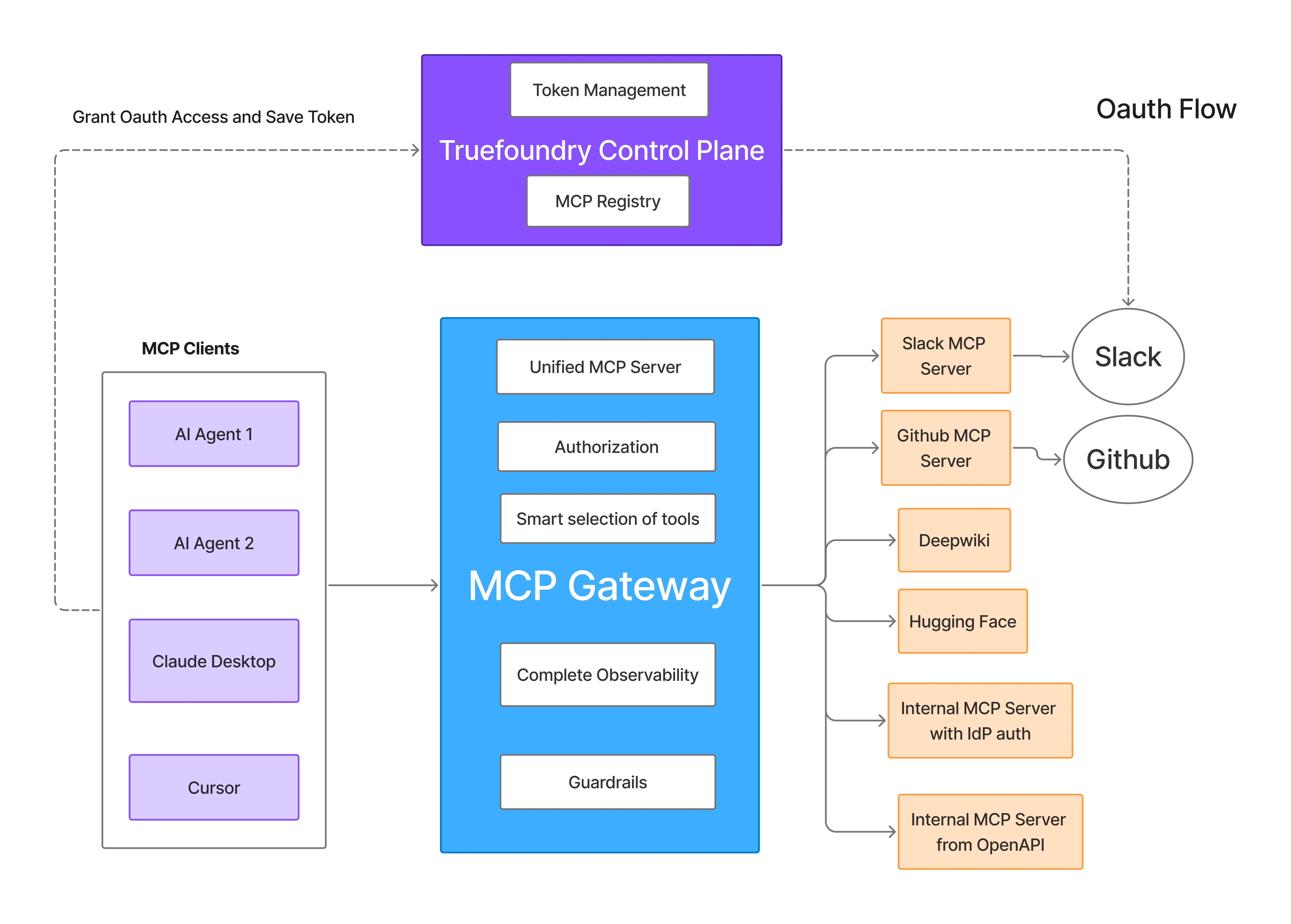
Die Benchmarks liegen bei 200 bis 220 RPS auf einem einzelnen Pod mit 1 vCPU und 1 GB RAM. Das Gateway verursacht einen Overhead von 7 ms bei deaktiviertem Tracing und 8 ms bei vollständig aktiviertem Tracing; bei 350 bis 370 RPS sind es 7 ms bzw. 12 ms, bevor die CPU-Auslastung 100 % erreicht und die Latenz zu steigen beginnt. Jenseits dieses Punktes lässt sich das Gateway durch Hinzufügen von CPU oder Replikaten auf zehntausende Anfragen pro Sekunde skalieren.
Lastverteilung beinhaltet ein automatisches Failover auf das nächste Ziel bei Nicht-HTTP-Fehlern wie ungültigen Anmeldedaten, DNS- oder TLS-Problemen. Das gesamte System lässt sich in Ihrer VPC, On-Premise, in Air-Gapped-Umgebungen oder hybrid bereitstellen und erfüllt bei Nutzung der verwalteten Infrastruktur die Anforderungen von SOC2, ISO 27001, DSGVO und HIPAA.
Vorteile:
Nachteile: Eine umfassendere Enterprise-Plattform, als Teams benötigen, wenn sie lediglich einen leichtgewichtigen Open-Source-MCP-Proxy suchen.
Ideal für: Teams, die MCP-verbundene Agenten in der Produktion einsetzen und Wert auf offengelegte Benchmark-Zahlen, ein stabiles Verhalten bei Abhängigkeitsausfällen sowie MCP-Governance in derselben Steuerungsebene wie das Modell-Routing legen.
Testen Sie das MCP-Gateway von TrueFoundry →
Traefik Hub erweitert seinen etablierten Cloud-Native-Reverse-Proxy um MCP-Funktionen durch die sogenannte „Triple Gate Security“, die Schutzmechanismen für den KI-Agenten, den MCP-Kanal und die zugrunde liegende API kombiniert. Es implementiert OAuth 2.0/2.1 als Ressourcenserver für den MCP-Schutz, unterstützt aufgabenbasierte Zugriffskontrolle für Tasks, Tools und Transaktionen und bietet sitzungsintelligentes Routing, um lang laufende Agenten-Workflows stabil zu halten. Die aktuellen Updates von 2026 fügten Failover-Routing für mehrere Anbieter sowie eine tiefgreifende, auf OpenTelemetry basierende Beobachtbarkeit hinzu, die nach MCP-Methode und Tool-Name getaggt ist.
Für Teams, die Traefik bereits als Reverse Proxy oder Ingress Controller einsetzen, ist dies eine natürliche Erweiterung und keine neue Infrastrukturkomponente. Der Kompromiss besteht darin, dass MCP-Funktionen als Middleware auf der bestehenden Traefik-Infrastruktur aufbauen; die Governance-Tiefe hängt also davon ab, wie Traefik in Ihrer Umgebung bereitgestellt und betrieben wird.
Vorteile: Detaillierte aufgabenbasierte Zugriffskontrolle für Tasks, Tools und Transaktionen; sitzungsintelligentes Routing für langlebige Agenten-Workflows; Failover-Routing für mehrere Anbieter.
Nachteile: MCP-Funktionen sind Middleware auf der bestehenden Traefik-Infrastruktur und kein eigenständiges Produkt; die Governance-Tiefe hängt von Ihrer bestehenden Traefik-Bereitstellung ab.
Am besten geeignet für: Teams, die Traefik bereits für Ingress- oder Reverse-Proxy-Aufgaben nutzen und diese Infrastruktur auf die MCP-Governance ausweiten möchten.
Apache APISIX bringt MCP-Unterstützung in ein bereits produktionserprobtes, Cloud-natives API-Gateway. Konfigurationsänderungen werden innerhalb von Millisekunden über etcd verbreitet, ohne dass das Gateway neu gestartet werden muss – ein entscheidender Faktor für KI-Workloads, bei denen sich Modell-Endpunkte und Routing-Regeln häufig ändern. Speziell für MCP leitet APISIX den Datenverkehr zwischen MCP-Clients mittels Streamable HTTP und Backend-MCP-Servern weiter und wendet dabei dieselben Authentifizierungs-, Ratenbegrenzungs- und Observability-Richtlinien an wie bei herkömmlichem API-Verkehr, wobei sowohl Ratenbegrenzungen auf Einzelknoten- als auch auf Clusterebene unterstützt werden.
Als Projekt der Apache Software Foundation profitiert es von einer offenen Governance und einer aktiven Community statt von der Roadmap eines einzelnen Anbieters, und es ist vollständig Open Source. Der Kompromiss ist derselbe wie bei jeder Open-Source-Infrastruktur: Ihr Team betreibt sie selbst, und Compliance-Zertifizierungen auf Unternehmensebene werden nicht wie bei einer Managed-Plattform durch den Anbieter bereitgestellt.
Vorteile: Dynamische etcd-basierte Konfiguration mit Millisekunden-Verbreitung; Ratenbegrenzung auf Clusterebene; vollständig Open Source unter der Apache Software Foundation; vereint herkömmlichen API- und KI/MCP-Verkehr in einem Gateway.
Nachteile: Selbst gehostet und selbst betrieben; keine vom Anbieter bereitgestellten Compliance-Zertifizierungen; die MCP-Unterstützung ist eine neuere Ergänzung eines breiteren API-Gateways und nicht der ursprüngliche Fokus des Produkts.
Am besten geeignet für: Plattform-Teams, die ein Open-Source-Gateway mit nachgewiesener Produktionstauglichkeit und schneller Konfigurationsverbreitung suchen und bereit sind, dieses selbst zu betreiben.
Kong erweitert sein langjähriges, produktionsreifes API-Gateway um KI-Plugins, die LLM-, MCP- und Agent-zu-Agent-Verkehr über dieselbe Richtlinien-Engine steuern, die auch für herkömmlichen API-Verkehr verwendet wird. Jeder MCP-Aufruf enthält eine sogenannte vollständige Delegationskette, die Aktivitäten einem spezifischen Agenten, Benutzer, Tool und Bereich zuordnet. Die KI-Plugins funktionieren in allen Bereitstellungsmodi von Kong, einschließlich Kubernetes.
Die fortgeschritteneren Funktionen wie semantisches Caching, detaillierte Analysen und Compliance-Reporting erfordern Kong Enterprise, wobei Verträge für kleinere Bereitstellungen in der Regel bei 30.000 bis 50.000 US-Dollar pro Jahr beginnen. Für ein Unternehmen, das Kong bereits im Produktionsmaßstab für das allgemeine API-Management einsetzt, ist dies eine sinnvolle Erweiterung. Für ein Team ohne bestehende Kong-Infrastruktur, das Gateways rein für MCP-Verkehr evaluiert, ist dies ein aufwendigerer Einstieg.
Vorteile: Nachgewiesene Erfolgsbilanz als allgemeines API-Gateway; einheitliche Richtlinien-Engine für API-, LLM- und MCP-Traffic; lückenloser Audit-Trail für Delegationsketten pro Anfrage.
Nachteile: Erweiterte Funktionen sind hinter Kong Enterprise verborgen; höherer Implementierungsaufwand, falls Kong noch nicht im Einsatz ist; Enterprise-Verträge beginnen bei jährlichen Kosten im fünfstelligen Bereich.
Ideal für: Unternehmen, die Kong bereits produktiv für das API-Management nutzen und dieselbe Richtlinien-Engine auf MCP-Traffic ausweiten möchten.
Envoy AI Gateway hat mit der Version 1.0 den stabilen Status erreicht. Es fungiert als additive Schicht auf dem Envoy Gateway, einem CNCF-Projekt, das bereits großflächig in vielen Kubernetes- und Istio-Umgebungen produktiv im Einsatz ist. Da es die Kubernetes Gateway API implementiert, werden beim Erstellen einer Gateway-Ressource automatisch die Deployments, Services und HorizontalPodAutoscalers bereitgestellt, die für den Betrieb und die Skalierung einer Envoy-Proxy-Flotte erforderlich sind. Version 1.0 umfasst ein vollständiges MCP-Gateway sowie Modell-Routing, eine speziell für KI-Traffic entwickelte TokenRateLimitPolicy und einen gemessenen Overhead von etwa 1 bis 3 ms.
Als CNCF-Projekt fallen keine Lizenzkosten an und es gibt eine herstellerneutrale Governance-Struktur, allerdings auch keinen einzelnen Anbieter für Enterprise-Support oder Compliance-Zertifizierungen. Teams, die sich dafür entscheiden, sind für den Betrieb selbst verantwortlich – ein Kompromiss, der bei jeder Open-Source-Infrastruktur gilt, die direkt vom Plattform-Team verwaltet wird.
Vorteile: CNCF-unterstützt mit breiter Community-Basis; automatische Bereitstellung von Kubernetes-Ressourcen über die Gateway API; MCP-Gateway und KI-spezifisches Rate Limiting in Version 1.0 enthalten; geringer Overhead.
Nachteile: Keine herstellerseitigen Compliance-Zertifizierungen oder Enterprise-Support; Eigenbetrieb erforderlich; im Vergleich zur zugrunde liegenden Envoy-Gateway-Basis noch weniger Erfahrung mit produktiven MCP-Workloads.
Ideal für: Plattform-Teams, die bereits Istio oder Envoy Gateway auf Kubernetes nutzen und eine kostenlose, protokollnative MCP-Gateway-Erweiterung suchen.
Da KI-Agenten immer leistungsfähiger werden, entwickeln sich MCP-Gateways schnell zu einem zentralen Bestandteil der produktiven KI-Infrastruktur. Sie fungieren nicht nur als Proxy für Anfragen, sondern bieten die notwendige Authentifizierung, Governance, Observability und Zuverlässigkeit, um KI-Anwendungen sicher und skalierbar mit Unternehmenswerkzeugen und Datenquellen zu verbinden.
Das passende Gateway hängt von Ihrem Bereitstellungsmodell und Ihren betrieblichen Anforderungen ab. Open-Source-Optionen wie Apache APISIX und Envoy AI Gateway sind eine starke Wahl für Teams, die bereits in diesen Ökosystemen verwurzelt sind, während Plattformen wie Traefik Hub und Kong bestehende API-Management-Funktionen auf MCP-Traffic ausweiten.
Wenn Sie ein unternehmenstaugliches MCP-Gateway mit integriertem Modell-Routing, fein abgestimmter Governance, veröffentlichten Performance-Benchmarks und flexiblen Bereitstellungsoptionen für Cloud, VPC, On-Premises oder Air-Gapped-Umgebungen suchen, bietet TrueFoundry eine umfassende Plattform für den Betrieb produktiver MCP-Workloads. Durch die Kombination von KI-Gateway- und MCP-Gateway-Funktionen in einer einzigen Steuerungsebene unterstützt es Unternehmen dabei, sichere, zuverlässige und skalierbare KI-Systeme aufzubauen, ohne verschiedene Tools mühsam miteinander verknüpfen zu müssen.
TrueFoundry AI Gateway bietet eine Latenz von ~3—4 ms, verarbeitet mehr als 350 RPS auf einer vCPU, skaliert problemlos horizontal und ist produktionsbereit, während LiteLM unter einer hohen Latenz leidet, mit moderaten RPS zu kämpfen hat, keine integrierte Skalierung hat und sich am besten für leichte Workloads oder Prototyp-Workloads eignet.





Die neuesten Nachrichten, Artikel und Ressourcen werden in Ihren Posteingang gesendet
.png)
.png)
.png)
.png)
.png)
.png)
.png)
.png)
.png)
.png)
.png)
.png)


