


.webp)
September 14, 2026
|
5 minutos de lectura


Obtenga acceso instantáneo a un entorno TrueFoundry en vivo. Implemente modelos, dirija el tráfico de LLM y explore la plataforma completa: su sandbox estará listo en segundos, sin necesidad de tarjeta de crédito.



Published: June 16, 2026
.webp)
¡Una forma increíblemente rápida de crear, rastrear e implementar sus modelos!
Gartner predicts up to 40% of enterprise applications will include task-specific AI agents by 2026, rising from less than 5% in 2025. That is a fast jump. As agentic systems move from pilots into production, the orchestration layer becomes one of the most important architecture decisions platform teams make.
Pick the wrong model for how agents coordinate, and your team inherits coordination complexity that grows quickly. The same choice affects state management, recovery behavior, latency, cost exposure, and long-term scalability. Once multiple teams adopt the same framework, early architecture debt becomes harder to reverse.
Most comparison posts miss the bigger point. A framework decides how your agents reason, hand off work, recover from errors, and hold up under load. It does not decide how they are governed, what they can access, or what they cost in production.
Those questions belong to the infrastructure and governance layer above the framework. No framework on this list fully answers them. This guide compares the leading multi-agent orchestration frameworks in 2026, where each one works well, where each one stops, and how TrueFoundry supplies the governance layer they all need.
Before comparing names, it helps to agree on what production readiness means. Four properties separate a framework that demos well from one that survives real enterprise deployment. These properties shape whether teams can operate AI systems with enough clarity, control, and resilience.
Production-ready frameworks also need strong context management. Agents often gather new information from data sources, a knowledge base, documents, APIs, and external systems. If the coordination layer cannot maintain a stable broader context, the workflow becomes difficult to trust.
The leading multi-agent orchestration frameworks use different patterns for coordination, delegation, memory, and recovery. The best choice depends on your use case, team maturity, production requirements, and governance model.
LangGraph models a multi-agent workflow as a directed graph: nodes are agents or functions, edges decide what runs next. Its conditional edges evaluate the current state and route accordingly, which is what lets you build real loops, like sending control back to an LLM node after a tool call or ending the run when an agent decides it's done.
Checkpointing saves a snapshot of the graph state at every step, organized by thread, so you get fault-tolerant resume, conversation memory, time-travel debugging, and human-in-the-loop pauses out of the box.
What are the limitations of LangGraph?
LangGraph asks the most of teams upfront. Teams need to think in state machines, async graph execution, and explicit control flow. The setup overhead is steep, especially when teams need fast prototyping or lightweight automation by the end of the week.
For Whom is LangGraph Best for?
LangGraph is best for regulated workloads and critical pipeline environments. It fits teams that need deterministic control, fault tolerance, and auditable routing decisions across complex workflows.
.webp)
CrewAI frames orchestration as a crew of role-playing agents. Each agent gets a role, goal, backstory, and tool set, which maps neatly onto many business processes. This helps teams describe work through familiar operating roles.
Crews can run sequentially, with each task output feeding the next step. They can also run through hierarchical orchestration, where a manager agent delegates work to specialists. For many teams, this simple mental model is CrewAI’s strongest advantage.
What are the limitations of LangGraph?
The role abstraction has a token cost. CrewAI prepends each agent call with that role, goal, and backstory context, and independent 2026 comparisons reportedly show it has the heaviest token footprint among popular frameworks on simple, repetitive tasks.
The exact multiplier depends on your workflow, so treat published figures as directional. The same role-based abstraction also limits fine-grained control in branching workflows that need dynamic routing.
For Whom is CrewAI Best for?
Business workflow automation, content pipelines, and customer service, where role clarity matters more than execution granularity and getting moving fast is the priority.
.webp)
AutoGen pioneered the conversational pattern, where agents debate, critique, and refine an answer over several turns. A selector decides who speaks next and when the conversation ends. That iterative pattern can improve reasoning, although it increases cost and latency.
The project history now needs careful wording. The original AutoGen project split, while the community maintains AG2 as a Python-first fork. Microsoft consolidated its official direction into Microsoft Agent Framework, which reached 1.0 GA in April 2026 with .NET and Python support.
Microsoft Agent Framework also supports graph-based workflows, GroupChat, handoff patterns, multi-provider support, A2A, and MCP. This strengthens Microsoft's path for teams seeking enterprise direction, especially in Azure-heavy environments.
What are the limitations of Microsoft AutoGen (AG2)?
Conversational orchestration can become expensive because every extra turn adds tokens and latency. The pattern suits offline, quality-sensitive work better than real-time or high-volume production traffic that needs predictable response times.
For Whom is Microsoft AutoGen (AG2) Best for?
Azure-native teams building reasoning-heavy workflows where output quality is the metric that matters and throughput isn't the constraint.
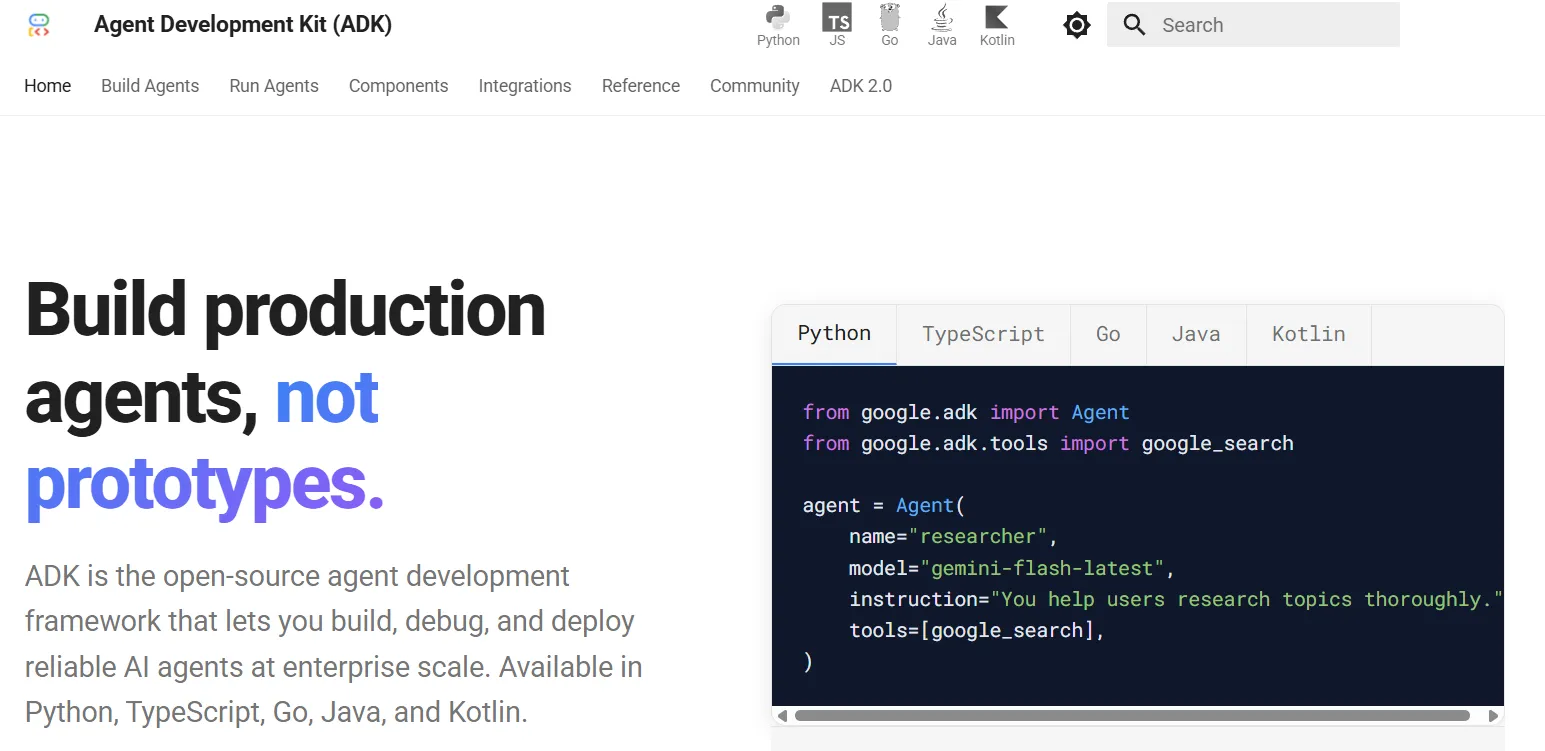
Google ADK uses a hierarchical tree. A root orchestrator delegates tasks to sub-agents, and each sub-agent can coordinate lower-level agents. Every agent has one parent, keeping command flow and data flow easier to follow.
ADK also supports the Agent2Agent protocol. A2A helps agents built on different frameworks communicate and collaborate over HTTP and JSON-RPC. This matters when enterprises want interoperability across agent ecosystems, cloud platforms, and partner tools.
What are the limitations of Google Agent Development Kit (ADK)?
ADK is open-source and model-agnostic, yet it is clearly optimized for the Google ecosystem. Teams using Gemini and Vertex AI get more native value. Multi-cloud teams should evaluate portability, vendor alignment, and integration effort carefully.
For Whom is Google Agent Development Kit (ADK) Best for?
Google ADK is best for Google Cloud environments building hierarchical agent systems. It fits teams where A2A interoperability and structured delegation are stated architectural goals.
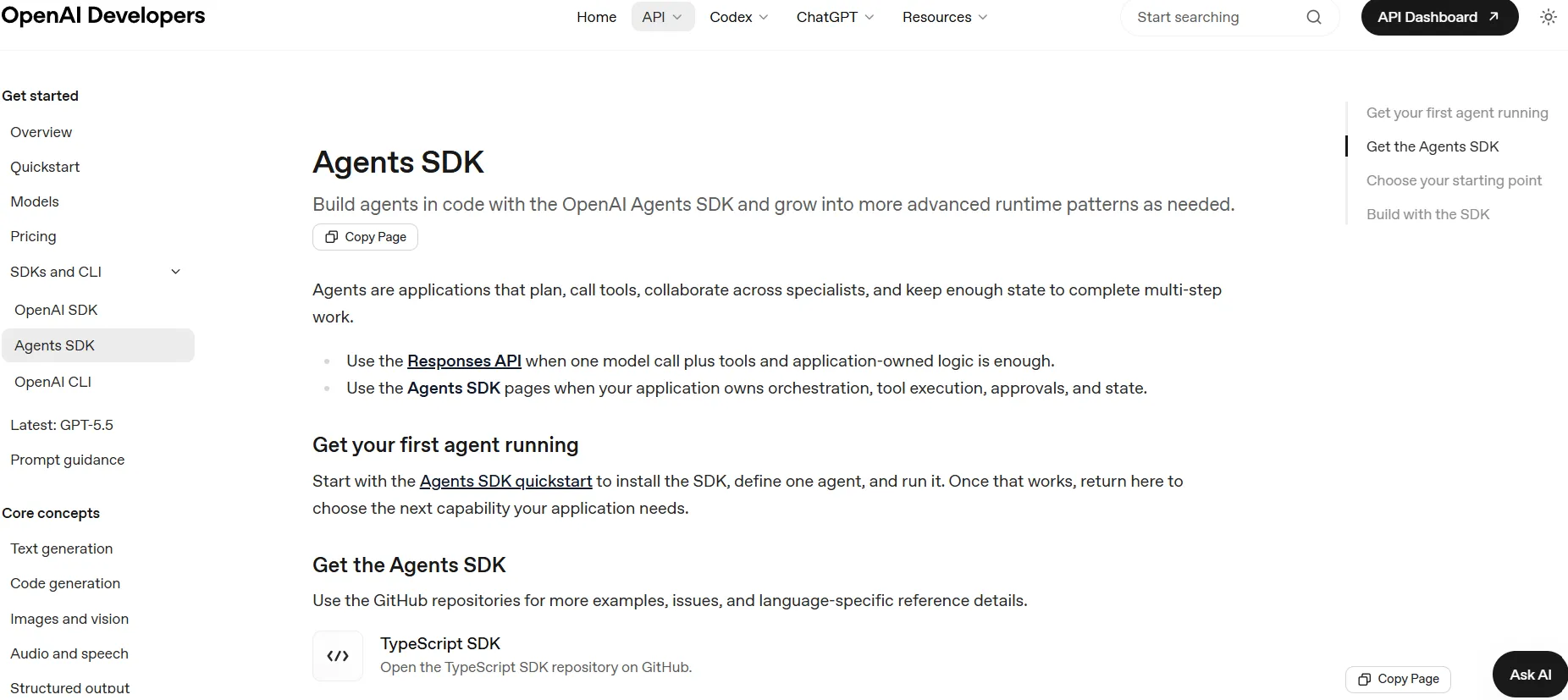
The OpenAI Agents SDK keeps orchestration transparent through explicit handoffs. A handoff is a one-way control transfer, implemented as a tool call. The agent is not making an opaque routing decision; it is calling a function that moves control.
Teams can run it as a decentralized handoff chain or a manager pattern. In the manager model, one AI agent calls specialist agents as tools. Either pattern keeps control flow easier to trace than fully conversational systems.
What are the limitations of OpenAI Agents SDK?
The SDK is tuned for OpenAI models. Other providers can work through community integrations, although that is not the default path. Enterprise buyers should also note the limited built-in RBAC, compliance evidence, and framework-level governance tooling.
For Whom is OpenAI Agents SDK Best for?
OpenAI Agents SDK is best for rapid prototyping and moderate-complexity production. It fits teams where OpenAI is confirmed and compliance evidence comes from another layer.
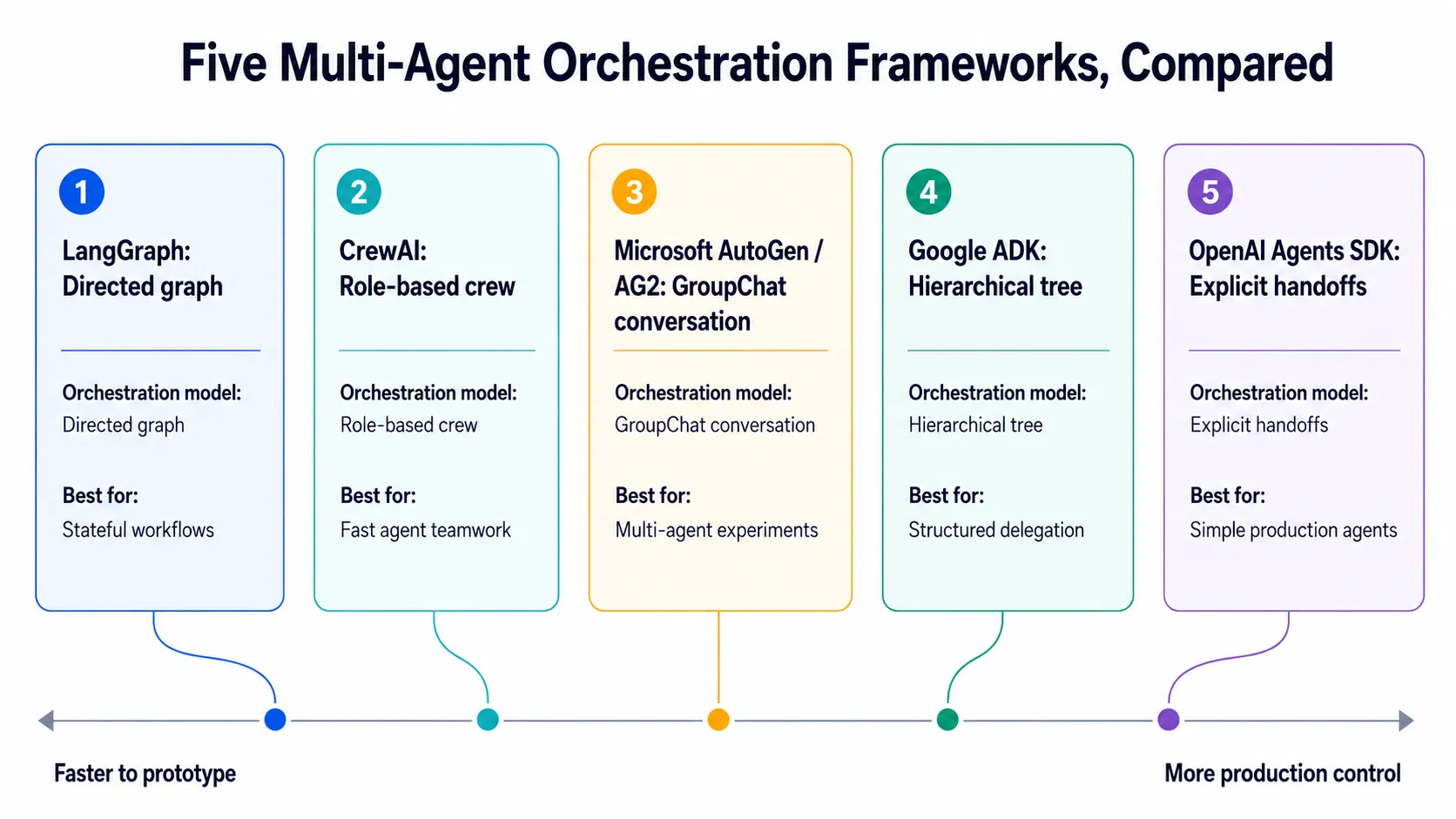
Run any of these frameworks past a single team, and the same four gaps appear. None is a product bug. They are all versions of the same problem: the framework decides how agents work, not what they are allowed to do.
No framework fully enforces which users, teams, or agents may invoke which tools or models. Access control is left to each application’s implementation. Those implementations drift as teams grow, creating blind spots between applications that should follow the same policy.
Token costs compound multiplicatively, not additively. A five-agent workflow that fires three model calls per step can create fifteen or more inference calls per user request. No framework here gives enterprises a native ceiling across every workflow, environment, and team.
Audit trails are another gap. Framework logs show what ran, although compliance evidence needs more. Regulated teams need user identity, model version, data classification, and policy result. That requirement matters across healthcare, finance, public sector, and high-risk enterprise environments.
MCP tool connections can also bypass organizational governance unless something sits in the path. The framework can let an agent call external tools it should never reach. That creates risk when sensitive data or privileged systems are involved.
Finally, frameworks do not remove single points of failure in governance design. They coordinate execution, yet they do not provide consistent RBAC, model budgets, audit trails, or tool policies across all teams. That is why enterprises need a shared layer above the framework.
.webp)
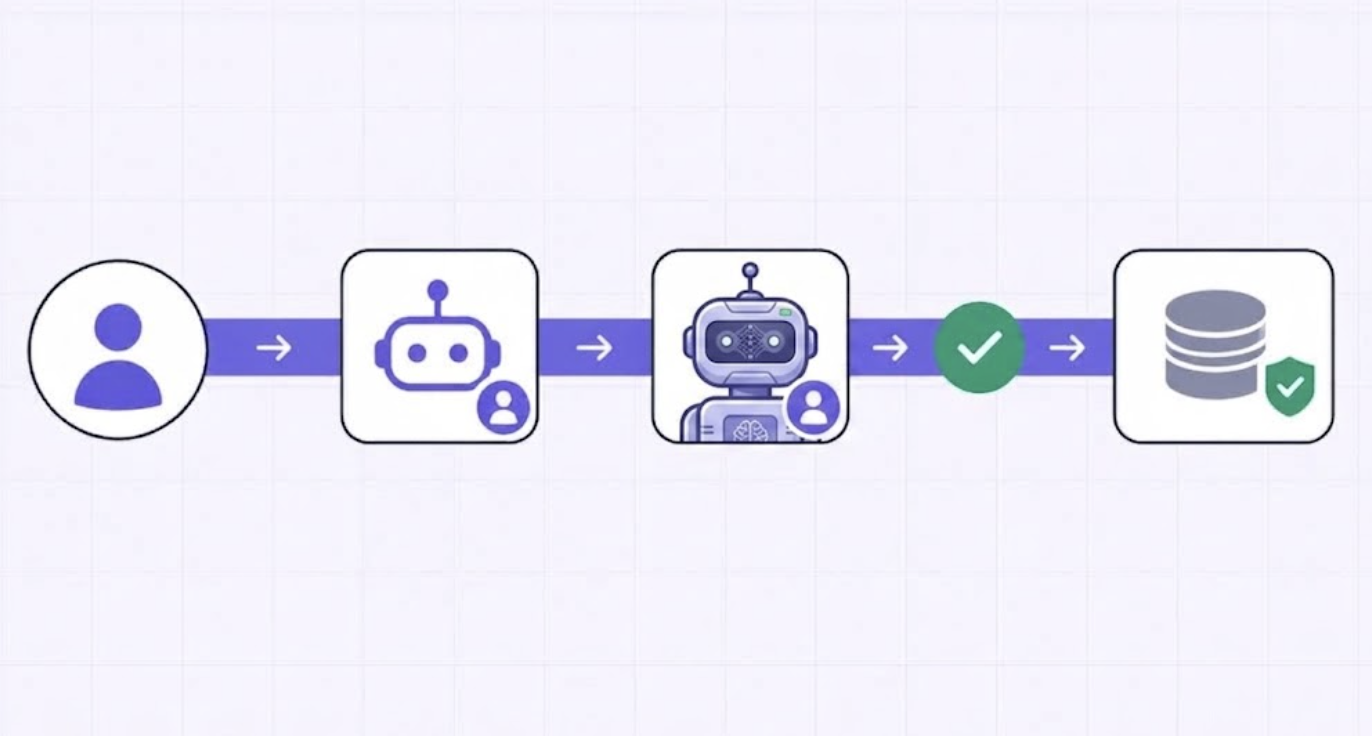
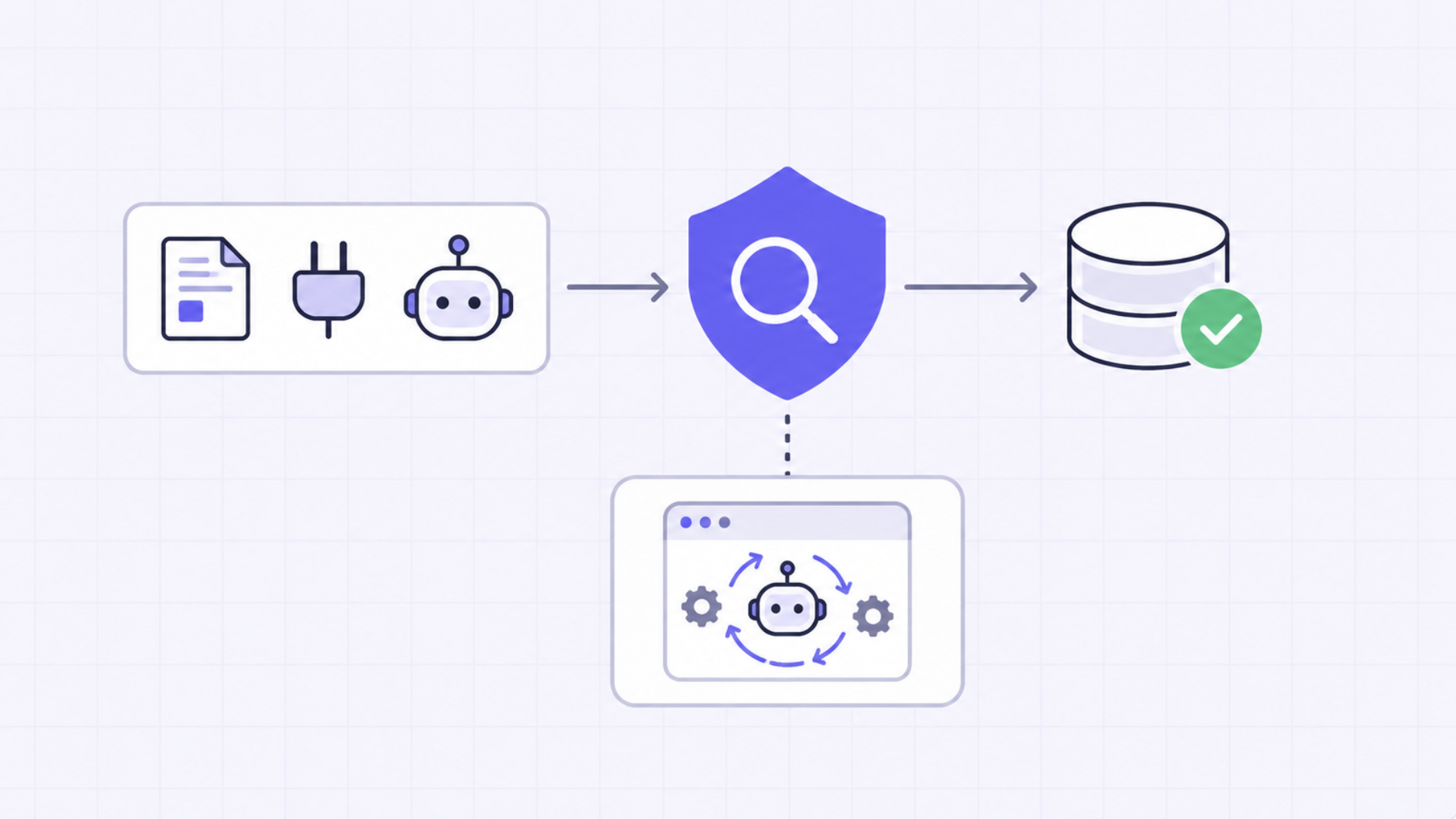
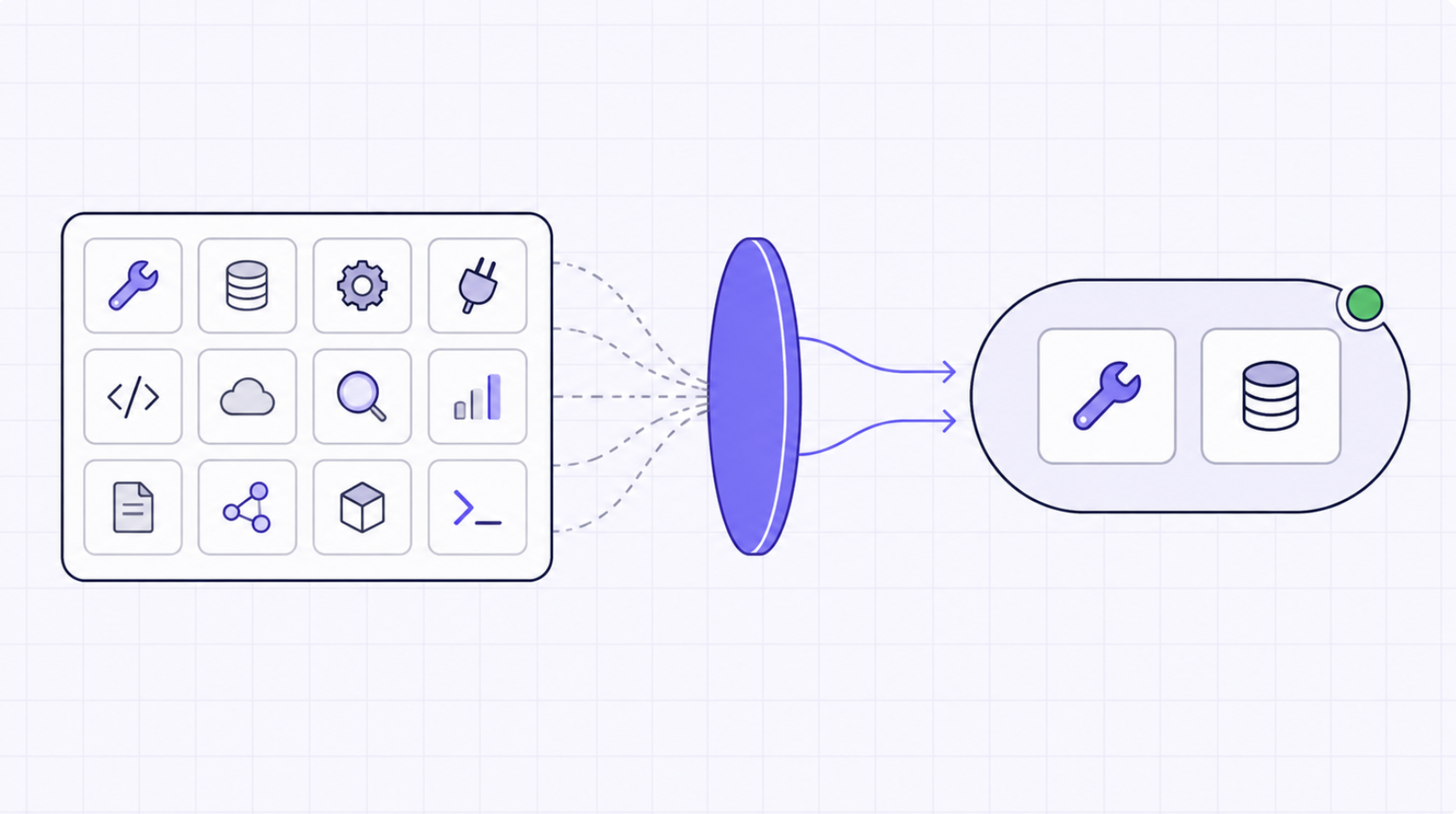
TrueFoundry is not a competing agent framework, and reading it that way misses the point. It is an enterprise-grade agent gateway that sits above the framework your teams choose. You keep using LangGraph. You keep CrewAI. Governance moves to a layer they all share.
# Gateway default applies to every workflow unless overridden
defaults:
  token_budget_per_request: 50000   # gateway-wide default
  loop_detection: on

workflows:
  research-crew:
    token_budget_per_request: 120000 # overrides the 50k default for this workflow
  support-router:
    # no override; inherits the 50,000-token gateway default
Here, the gateway-wide default is 50,000 tokens per request, with loop detection on. The research-crew workflow overrides that ceiling to 120,000 tokens because deep multi-agent research needs more context. support-router inherits the 50,000-token default, making the override explicit.
Compliance-ready audit trails inside your own VPC: Every model call, tool invocation, and coordination step can be logged with structured metadata inside your AWS, GCP, Azure, on-premise, or air-gapped boundary. TrueFoundry helps enterprises maintain SOC 2, HIPAA, and GDPR readiness without routing governance data outside their domain.
The broader AI gateway provides unified routing, governance, and observability across AI workloads. The LLM Gateway centralizes model routing across providers. TrueFoundry also supports guardrails, cost enforcement, and runtime control for autonomous agents and complex agentic workflows.
.webp)
TrueFoundry AI Gateway ofrece una latencia de entre 3 y 4 ms, gestiona más de 350 RPS en una vCPU, se escala horizontalmente con facilidad y está listo para la producción, mientras que LitellM presenta una latencia alta, tiene dificultades para superar un RPS moderado, carece de escalado integrado y es ideal para cargas de trabajo ligeras o de prototipos.





Las últimas noticias, artículos y recursos enviados a tu bandeja de entrada
.webp)
.webp)
.webp)
.webp)


