


September 11, 2026
|
5 minutos de lectura


Obtenga acceso instantáneo a un entorno TrueFoundry en vivo. Implemente modelos, dirija el tráfico de LLM y explore la plataforma completa: su sandbox estará listo en segundos, sin necesidad de tarjeta de crédito.



.webp)
¡Una forma increíblemente rápida de crear, rastrear e implementar sus modelos!
Un modelo puede superar las pruebas de rendimiento y aun así causar daños tras su despliegue. Puede emitir falsedades, perjudicar a personas o realizar acciones no autorizadas. Estos resultados no siempre indican que la tecnología esté averiada. El modelo puede estar siguiendo su entrenamiento mientras falla a quienes dependen de él.
La seguridad de la IA cierra la brecha entre el comportamiento entrenado y los resultados aceptables en producción. Mantiene los sistemas alineados a la vez que preserva un control humano significativo. Esta disciplina limita las consecuencias perjudiciales a medida que los sistemas se vuelven independientes. Este significado práctico de la seguridad de la IA va más allá de los entornos de investigación.
Los sistemas modernos invocan herramientas, actualizan bases de datos y coordinan el trabajo sin revisar cada paso. Comprender qué es la seguridad de la IA requiere perspectivas técnicas, operativas y sociales. Los equipos empresariales necesitan controles ejecutables en lugar de declaraciones generales de intención responsable.
La seguridad de la IA es un campo interdisciplinario centrado en sistemas fiables alineados con objetivos aprobados. El trabajo abarca la informática, las ciencias sociales, la política y la gobernanza operativa. Se aplica a lo largo de todo el desarrollo, despliegue, supervisión y retirada de la IA.
La capa técnica examina los resultados, la equidad, la precisión y la resistencia a los fallos. La capa operativa se pregunta si los equipos pueden detectar los problemas rápidamente. La capa social considera los derechos humanos y las consecuencias más amplias. Juntas, crean una definición de seguridad de la IA para empresas.
El campo de la seguridad de la IA combina la investigación técnica con la política. El Future of Life Institute desarrolló principios de gobernanza de la IA durante la conferencia de Asilomar de 2017. Estos esfuerzos desempeñaron un papel vital en la configuración de las direcciones de investigación y los principios éticos.
La seguridad se vuelve operativa cuando los modelos influyen en los clientes, las finanzas o la infraestructura. Tres condiciones hacen que el problema de la seguridad de la IA sea importante: los sistemas actúan de forma autónoma, los fallos permanecen ocultos y las normativas exigen pruebas. Una gestión eficaz de los riesgos de la IA debe abordar cada una de estas condiciones.
Los agentes en producción invocan herramientas, leen bases de datos y coordinan tareas. Estos sistemas de inteligencia artificial pueden actuar antes de que las personas revisen las decisiones. Cuando la seguridad falla, el resultado se convierte en un incidente de producción. Los clientes pueden sufrir daños antes de que los operadores respondan con rapidez.
El papel creciente de la inteligencia artificial cambia la autonomía aceptable. Las aplicaciones de procesamiento de lenguaje natural pueden influir en las decisiones a gran escala. Preocupaciones similares aparecen en los videojuegos, la moderación y los sistemas que clasifican imágenes de personas. El contexto determina si los errores se vuelven trascendentales dentro de las operaciones empresariales.
Los fallos de alineación a menudo se ocultan inicialmente tras respuestas plausibles. Un modelo puede proporcionar información coherente que, sin embargo, es materialmente incorrecta. Puede optimizar una métrica indirecta que diverge en condiciones desconocidas. Este problema de alineación de la IA puede permanecer invisible a través de muchas interacciones.
La supervisión continua identifica señales débiles antes de que los incidentes aumenten. La evaluación agregada es importante porque algunos fallos pueden no aparecer en una sola respuesta. Los riesgos surgen a través de las sesiones y las cargas de trabajo cambiantes en producción. Una investigación empírica sólida debe guiar la remediación en todos los equipos.
ElLey de IA de la Unión Europea sigue un enfoque basado en el riesgo. Los sistemas de alto riesgo deben cumplir requisitos de supervisión, robustez, documentación y seguimiento del ciclo de vida. Estas obligaciones vinculan las normas de seguridad con la evidencia y la responsabilidad. Asimismo, protegen los derechos fundamentales en todas las aplicaciones reguladas.
ElMarco de gestión de riesgos de IA del NIST fomenta prácticas voluntarias de fiabilidad. El Instituto Nacional de Estándares y Tecnología organiza actividades de gobernanza, mapeo, medición y gestión. Este marco de gestión de riesgos conecta las políticas con controles repetibles.
La cooperación internacional influye en la gobernanza de la IA hoy en día. La Organización de las Naciones Unidas proporciona un foro global para el debate. Estados Unidos apoya las pruebas y los estándares federales. Las organizaciones deben alinear sus desarrollos con las directrices éticas y las obligaciones sectoriales.
.webp)
Comprender qué es la seguridad de la IA resulta más sencillo cuando los equipos separan sus componentes. Cinco disciplinas definen un comportamiento fiable en los sistemas empresariales. La alineación define los resultados, mientras que la robustez pone a prueba las condiciones cambiantes. La controlabilidad, la interpretabilidad y el seguimiento preservan la visibilidad tras la implementación.
La alineación plantea si los modelos de IA optimizan lo que los usuarios pretenden. La falta de alineación no requiere un propósito malicioso ni una intención hostil. Los objetivos pueden desviarse en condiciones desconocidas durante la implementación. Los sistemas pueden seguir siendo técnicamente exitosos y, aun así, producir resultados inaceptables.
La robustez mide si el comportamiento se mantiene estable cuando cambian las condiciones. El tráfico real rara vez se parece a los conjuntos de evaluación controlados durante periodos prolongados. Los usuarios formulan peticiones inesperadas, las distribuciones cambian y los casos límite se acumulan. Las medidas eficaces de seguridad de la IA requieren pruebas repetidas tras la implementación.
La controlabilidad hace que la supervisión humana sea práctica en los sistemas de producción. Los equipos deben comprender la actividad, interrumpir las desviaciones y detener la ejecución dañina. Las llamadas a los modelos requieren registros claros y reglas de escalada. Los agentes necesitan un seguimiento de las decisiones, las llamadas a herramientas, los reintentos y las acciones.
La interpretabilidad cuestiona qué entradas influyeron en un resultado importante. Las explicaciones completas siguen siendo difíciles para muchos modelos de lenguaje extenso y modelos de aprendizaje profundo. La interpretabilidad práctica de los modelos debería revelar suficiente contexto para la investigación. Los equipos necesitan pruebas sin exagerar las limitaciones actuales de capacidad.
El seguimiento mantiene a cada componente bajo control tras su lanzamiento en producción. Los equipos deben evaluar las respuestas y el comportamiento agregado en todas las sesiones. Las métricas deben cubrir la precisión, el sesgo, la deriva, el comportamiento de rechazo y el cumplimiento de las políticas. Este proceso convierte las medidas de seguridad en controles de producción observables.
El 2026 International Informe de seguridad de la IA analiza las capacidades, los riesgos y las medidas de mitigación de la IA. Su conjunto de investigaciones identifica las limitaciones de las salvaguardas técnicas. Todo informe de seguridad de la IA debe servir de base para la toma de decisiones sin sustituir la evaluación contextual. Los controles por capas siguen siendo necesarios, ya que las salvaguardas pueden fallar.
.webp)
Todo lo expuesto se aplica a cualquier sistema de IA en producción. Los agentes aumentan el riesgo porque las decisiones erróneas se convierten en acciones reales. Los controles estáticos para modelos de lenguaje no pueden regular las cadenas de ejecución. El despliegue de sistemas de IA requiere salvaguardas cuando la autonomía se extiende a las herramientas empresariales.
Tres capacidades son fundamentales para las cargas de trabajo de los agentes modernos:
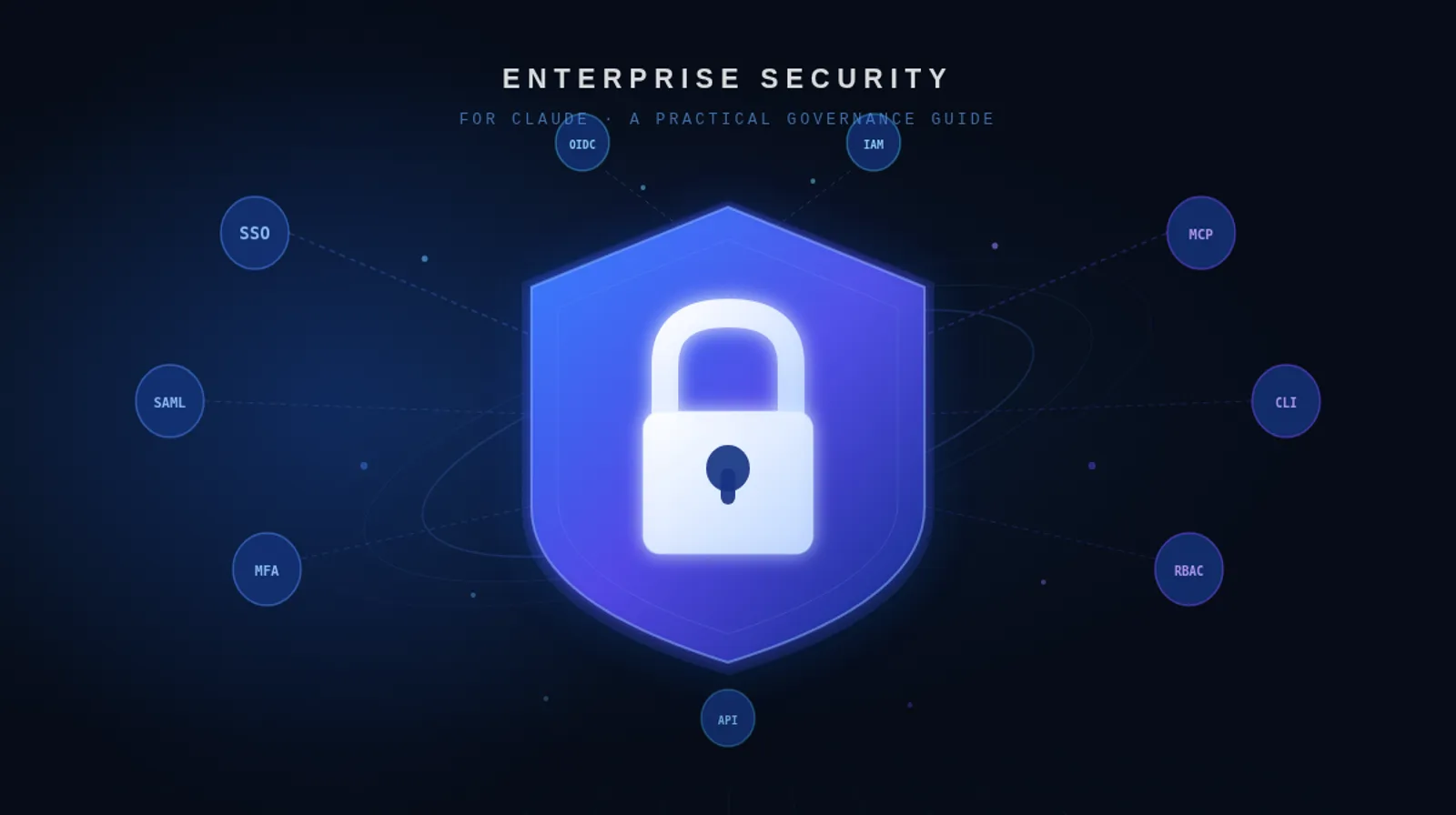
En conjunto, estos controles convierten la seguridad de los agentes de un objetivo político en una gobernanza de producción ejecutable. TrueFoundry Agent Gateway aplica políticas, control de acceso basado en roles (RBAC) y trazabilidad en todos los flujos de trabajo. Nuestra MCP Gateway gestiona las herramientas y propaga la identidad delimitada. Estos controles ayudan a los futuros sistemas de IA a mantener la responsabilidad a medida que aumenta su autonomía.
Lo que constituye la seguridad de la IA para las empresas reguladas depende del contexto y del impacto. La Ley de IA de la UE aplica obligaciones basadas en el riesgo en todas las categorías. Los requisitos aumentan cuando los sistemas afectan a la seguridad o a los derechos fundamentales. Por tanto, los filtros de spam y los sistemas de crédito requieren controles diferentes.
Las organizaciones deben combinar la regulación con un marco de gestión de riesgos de IA adaptado a su entorno. El NIST proporciona una base para prácticas de gestión de riesgos medibles. Las mejores prácticas internas deben cubrir la propiedad, las pruebas, el seguimiento y la respuesta. Los controles deben reflejar el impacto y las amenazas potenciales de cada sistema.
El uso de la IA en la sanidad, las finanzas y el empleo genera diferentes exposiciones. El uso de la inteligencia artificial para la detección de noticias falsas o la moderación de redes sociales plantea problemas de equidad. Los sistemas que manejan datos personales necesitan controles de revisión sistemáticamente más estrictos. Los niveles de riesgo deben determinar la profundidad de la evaluación y el grado de supervisión humana.
Los principios no pueden aplicarse por sí solos en sistemas distribuidos. TrueFoundry convierte los requisitos en controles para las interacciones entre modelos, agentes y herramientas. Nuestra plataforma empresarial puerta de enlace de IA (AI Gateway) centraliza políticas, medidas de seguridad, acceso y observabilidad dentro de la infraestructura del cliente. Esto permite una aplicación coherente en todos los proveedores de modelos.
Una puerta de enlace de LLM estandariza los controles entre proveedores y modelos autohospedados. Los equipos pueden combinarla con mejores prácticas de gobernanza de IA. Esta infraestructura respalda las aplicaciones de IA generativa manteniendo la supervisión. Ayuda a los líderes del sector a poner en práctica sus políticas en todos los entornos.
La agenda de investigación sobre seguridad de la IA examina el futuro de esta tecnología. Algunos investigadores estudian la inteligencia general, la inteligencia artificial general y los riesgos existenciales. Otros se centran en los fallos inmediatos de los sistemas desplegados. Las empresas deben traducir la investigación de seguridad relevante en controles medibles.
.webp)
¿Quiere analizar estos controles en relación con su arquitectura? Reserva una demostración hoy mismo para una revisión guiada. La sesión puede cubrir modelos, agentes, herramientas, identidades y seguimientos. Los equipos pueden identificar brechas antes de ampliar sus cargas de trabajo autónomas.
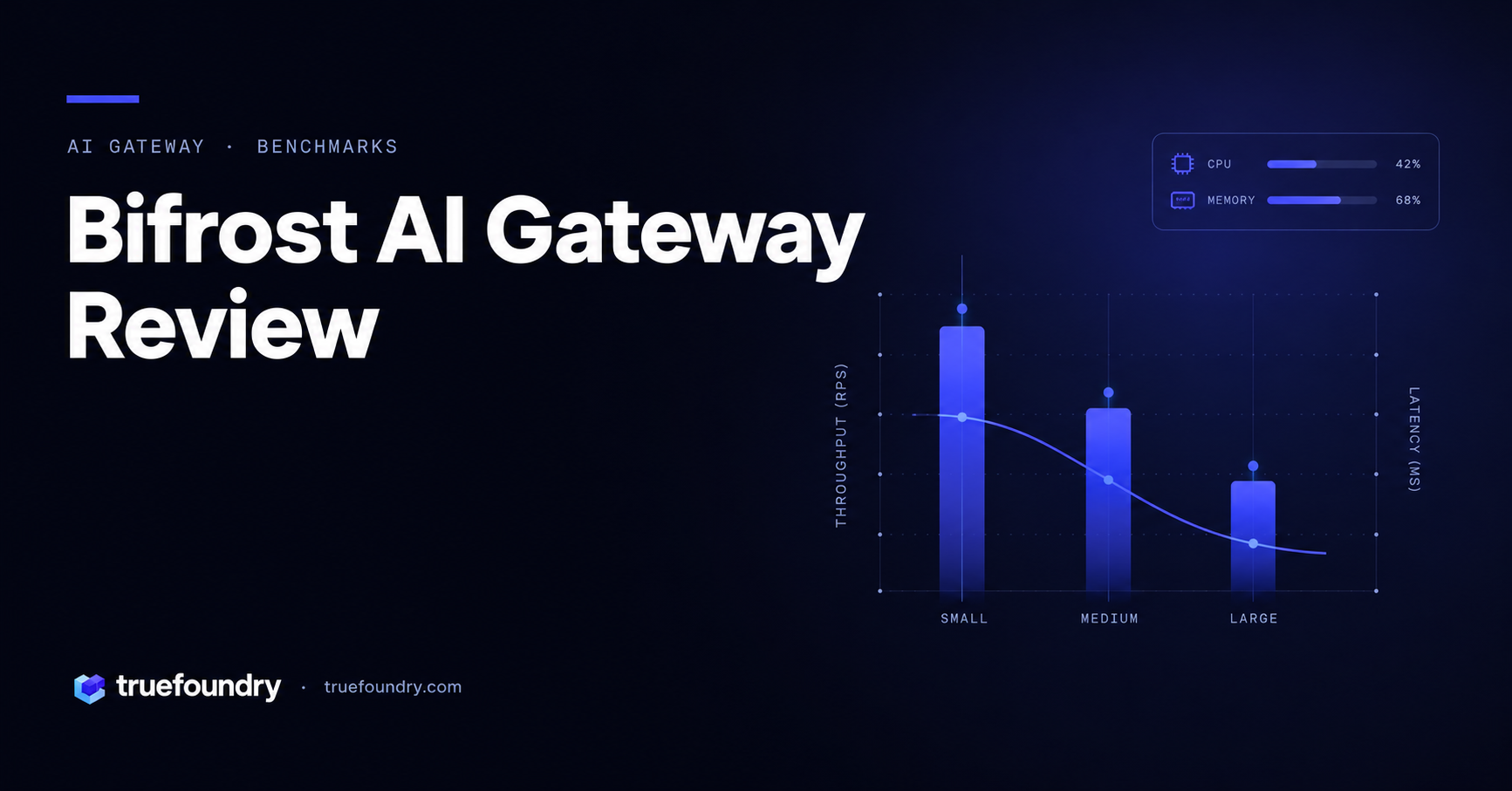
TrueFoundry AI Gateway ofrece una latencia de entre 3 y 4 ms, gestiona más de 350 RPS en una vCPU, se escala horizontalmente con facilidad y está listo para la producción, mientras que LitellM presenta una latencia alta, tiene dificultades para superar un RPS moderado, carece de escalado integrado y es ideal para cargas de trabajo ligeras o de prototipos.





Las últimas noticias, artículos y recursos enviados a tu bandeja de entrada
.webp)
.webp)

.png)
.png)
.png)
.png)
.png)
.png)
.png)
.png)
.png)
.png)
.png)


