October 19, 2026
|
Lesedauer: 5 Minuten


Erhalten Sie sofortigen Zugriff auf eine TrueFoundry-Live-Umgebung. Stellen Sie Modelle bereit, leiten Sie den LLM-Verkehr weiter und erkunden Sie die gesamte Plattform — Ihre Sandbox ist in Sekundenschnelle einsatzbereit, ohne dass eine Kreditkarte erforderlich ist.



Published: October 19, 2026
Unglaublich schnelle Methode zum Erstellen, Verfolgen und Bereitstellen Ihrer Modelle!
TrueFoundry AI Gateway bietet eine Latenz von ~3—4 ms, verarbeitet mehr als 350 RPS auf einer vCPU, skaliert problemlos horizontal und ist produktionsbereit, während LiteLM unter einer hohen Latenz leidet, mit moderaten RPS zu kämpfen hat, keine integrierte Skalierung hat und sich am besten für leichte Workloads oder Prototyp-Workloads eignet.
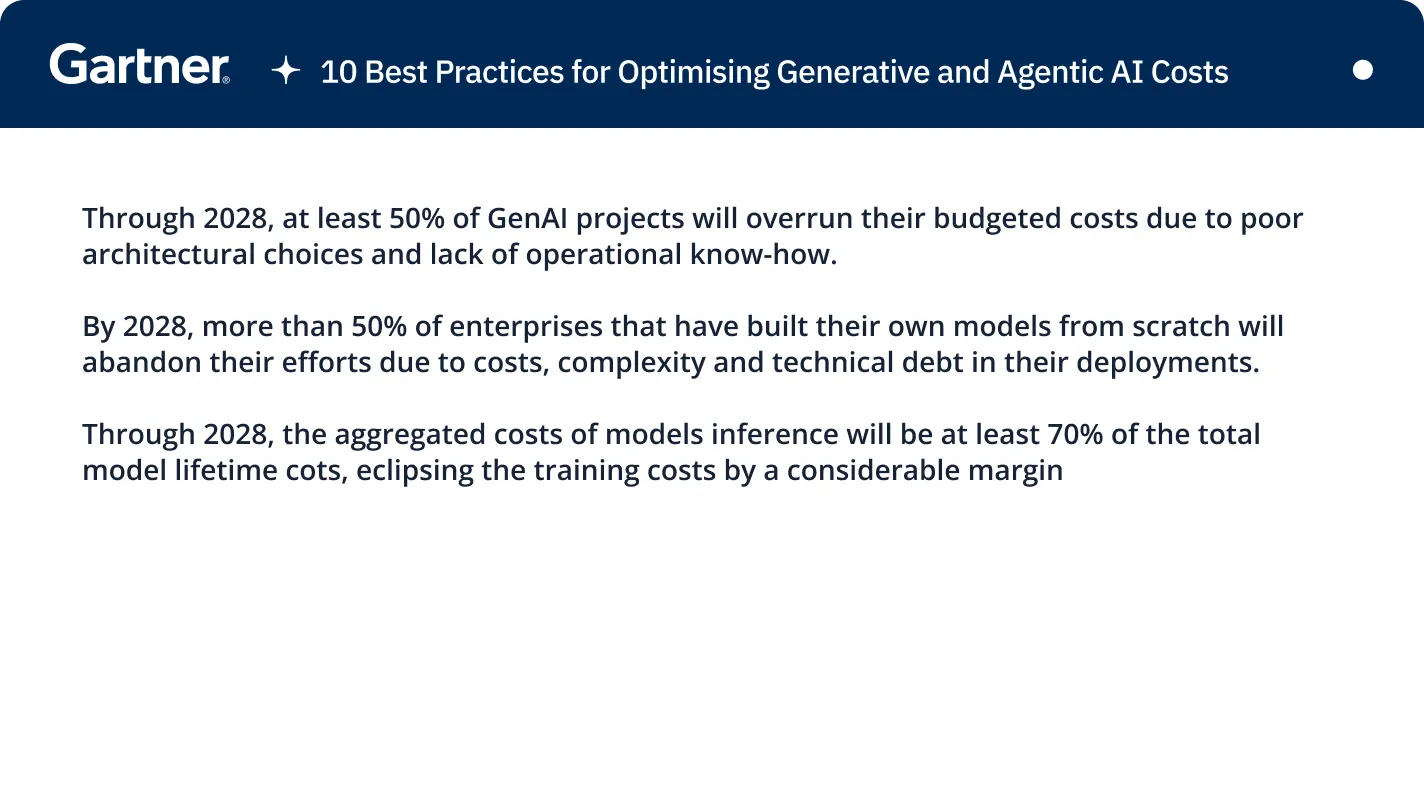


They are Claude tiers trading capability for price. Haiku 5.5 is the fastest and cheapest for high-volume tasks; Sonnet 5.5 balances speed and intelligence; Opus 5.5 is the recommended default for most workloads. Fable 5.1 sits above them for the most demanding reasoning. All share a 1M-token context window.
Haiku 5.5, starting around $0.10 input / $0.50 output per million tokens as of October 2026. Fable 5.1 is the most expensive at $10 / $50. Confirm current rates on Anthropic’s pricing page.
Usually not — most requests don’t need it, and the price spread from Haiku to Fable is roughly 100x. Route easy, high-volume work to cheaper tiers and reserve the top tiers for hard tasks.
Point the app at a logical model name backed by a tier, or use a gateway’s automatic routing to score each request and pick a tier. The application calls one endpoint; the routing lives in configuration.
Not here — all four tiers share the same 1M-token window. Choose on reasoning depth and latency, not context size.



Die neuesten Nachrichten, Artikel und Ressourcen werden in Ihren Posteingang gesendet