October 19, 2026
|
Lesedauer: 5 Minuten


Erhalten Sie sofortigen Zugriff auf eine TrueFoundry-Live-Umgebung. Stellen Sie Modelle bereit, leiten Sie den LLM-Verkehr weiter und erkunden Sie die gesamte Plattform — Ihre Sandbox ist in Sekundenschnelle einsatzbereit, ohne dass eine Kreditkarte erforderlich ist.



Published: October 19, 2026
Unglaublich schnelle Methode zum Erstellen, Verfolgen und Bereitstellen Ihrer Modelle!
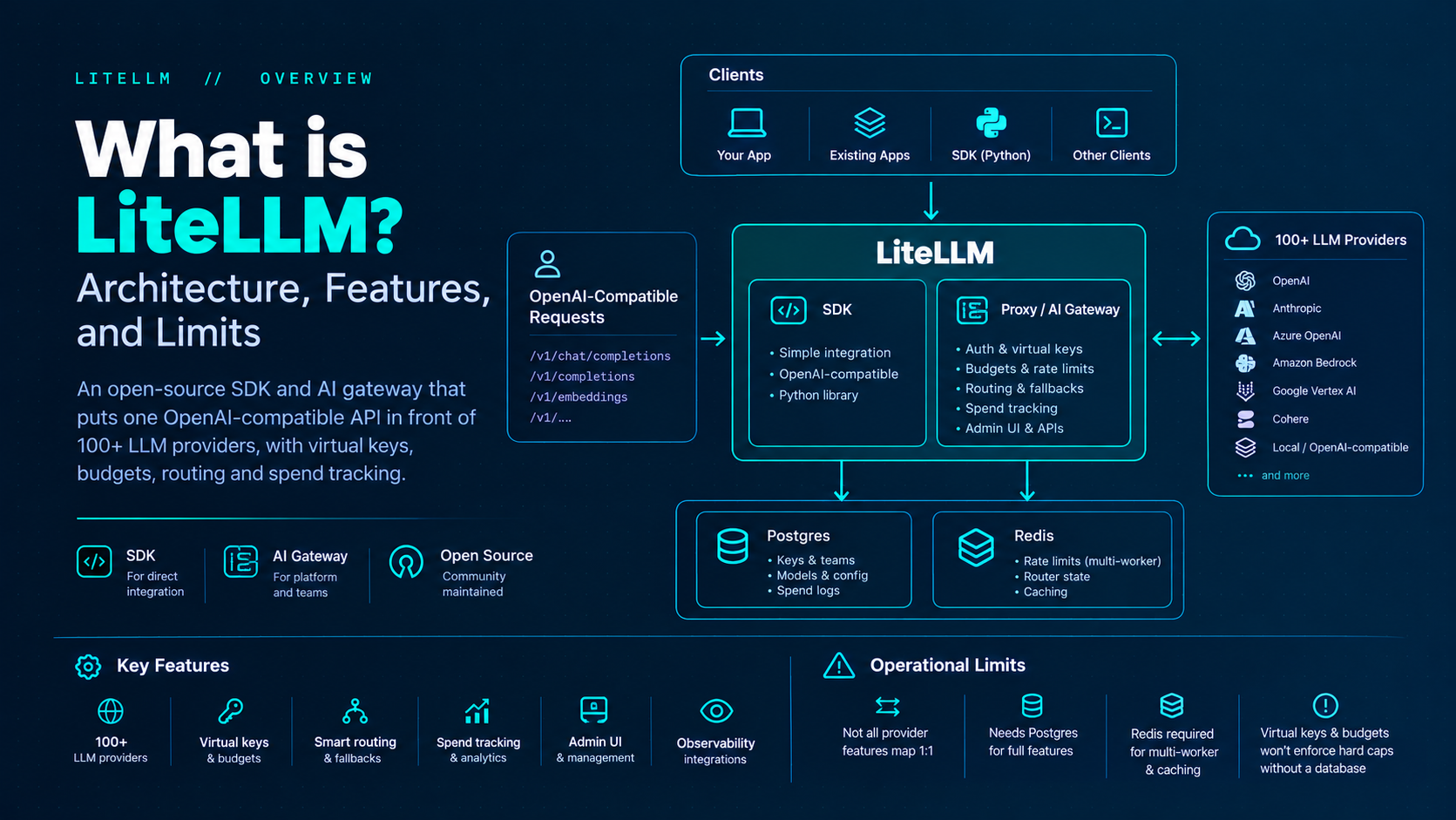
TrueFoundry AI Gateway bietet eine Latenz von ~3—4 ms, verarbeitet mehr als 350 RPS auf einer vCPU, skaliert problemlos horizontal und ist produktionsbereit, während LiteLM unter einer hohen Latenz leidet, mit moderaten RPS zu kämpfen hat, keine integrierte Skalierung hat und sich am besten für leichte Workloads oder Prototyp-Workloads eignet.
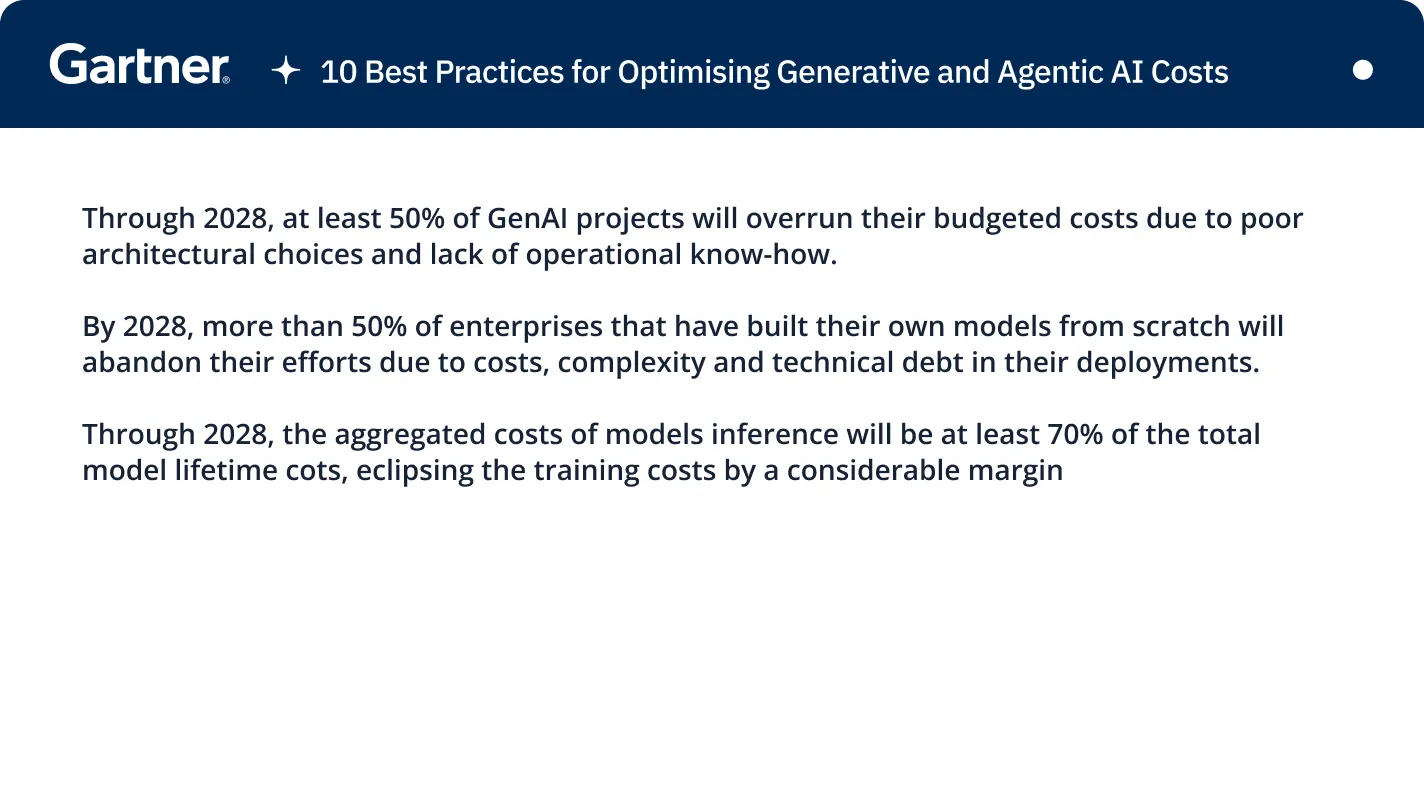


Anthropic offers a HIPAA BAA for its HIPAA-ready services (the Claude API with HIPAA configuration enabled, and HIPAA-ready Enterprise plans); a BAA doesn’t require ZDR. Running Claude on AWS Bedrock or Google Vertex places it under your cloud provider’s compliance envelope. Confirm scope with Anthropic, the provider, and your compliance team.
Under an approved ZDR arrangement, Anthropic doesn’t store your inputs or outputs except as required by law or for safety enforcement (it still keeps safety classifier results). It’s available to approved Claude API and Enterprise customers.
Yes — via AWS Bedrock or Google Vertex you choose the region, and a gateway lets you set it (with per-model overrides) and keep request data in your own regional storage.
Not necessarily — a BAA and ZDR are separate. A BAA can run with standard retention; ZDR is the control that removes storage. Choose based on whether your requirement is “no retention” or “signed BAA to process PHI.”
Apply a PII guardrail at the gateway that redacts sensitive fields on input and in tool results before the request reaches the model, so raw identifiers never leave your environment.



Die neuesten Nachrichten, Artikel und Ressourcen werden in Ihren Posteingang gesendet