September 16, 2026
|
5 minutos de lectura


Obtenga acceso instantáneo a un entorno TrueFoundry en vivo. Implemente modelos, dirija el tráfico de LLM y explore la plataforma completa: su sandbox estará listo en segundos, sin necesidad de tarjeta de crédito.



Published: June 17, 2026
.webp)
¡Una forma increíblemente rápida de crear, rastrear e implementar sus modelos!
Anthropic Claude can access files, database queries, Slack posts, and web searches through external tool connections. This works through the Model Context Protocol, which Anthropic introduced as an open standard for connecting AI assistants to systems where data already lives.
The Claude MCP registry is central to that connection layer. It helps Claude discover external tools, understand where they are hosted, and identify how clients can connect. For developers, this reduces the need for custom implementations during experiments. For enterprises, it raises governance questions about tool approval, authentication, auditability, and access control.
The official MCP registry helps with discovery, while enterprise teams still need stronger controls for production use. This guide explains how the Claude MCP registry works, how MCP server connections operate in Claude Desktop and Claude Code, where the public registry stops, and how TrueFoundry adds governed access through its MCP Gateway.
.webp)
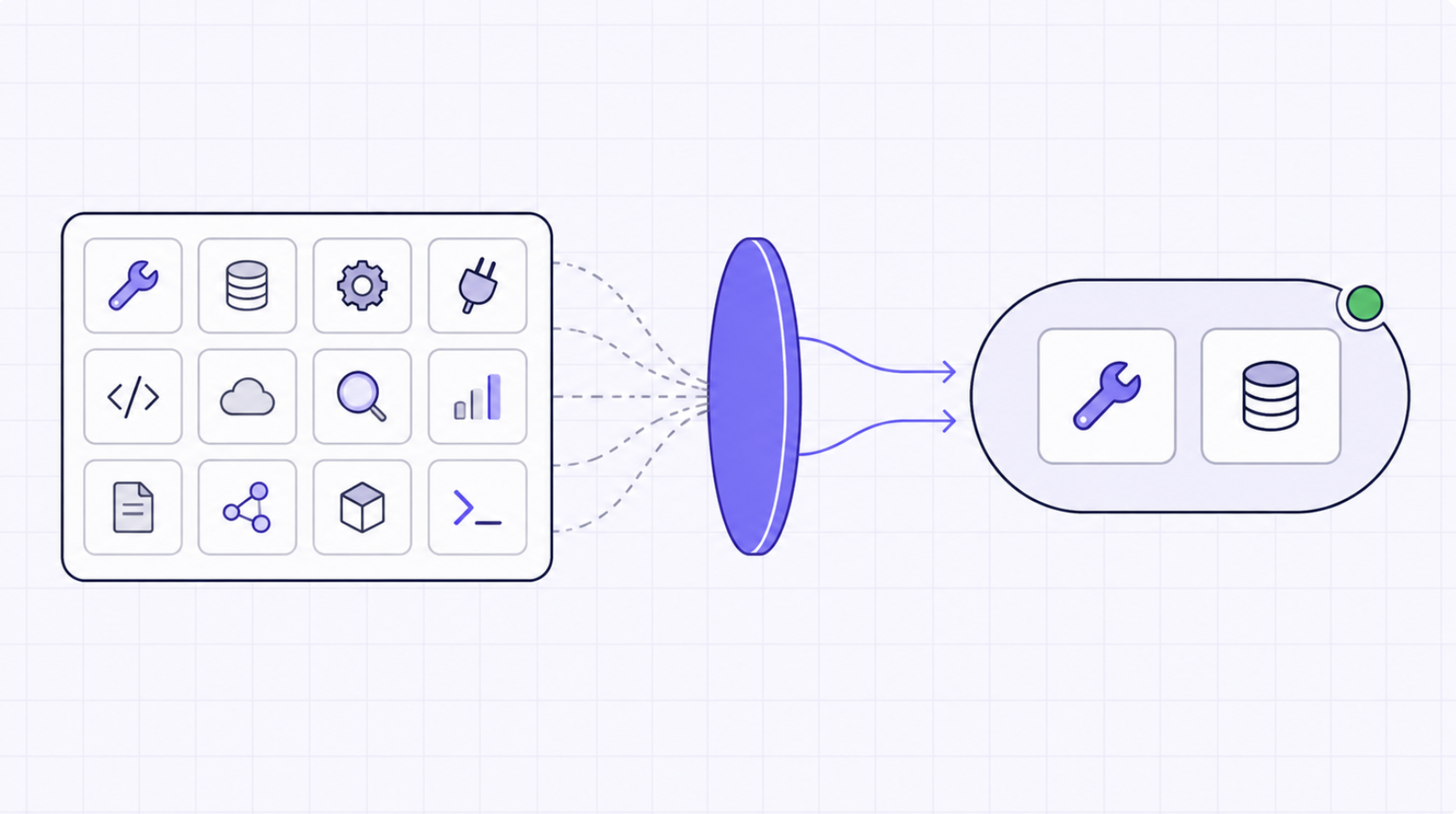
The Claude MCP registry is a discovery layer for available MCP servers. It works like an app store for MCP servers, giving MCP clients a searchable list of MCP servers with details about what each server does and how clients can reach it. The official registry describes itself as a community-driven registry service for Model Context Protocol servers.
The Claude MCP registry stores metadata rather than running servers itself. This metadata can describe each server’s purpose, exposed tools, available resources, accepted transport types, and authentication requirements. The actual source code may live in a GitHub repository, NPM, PyPI, Docker, or the provider’s own infrastructure.
In simple terms, the Claude MCP registry standardizes tool discovery across the MCP ecosystem. It gives AI clients a standardized way to find tools without requiring every developer to create separate connection logic for every service, database, or internal application.
The official registry includes open-source and community servers, as well as servers for common integration patterns. These can include filesystem access, database queries, code repositories, web automation, maps, and developer workflows. As AI applications become more tool-integrated, the registry serves as a practical infrastructure layer for Claude and other MCP-aware clients.
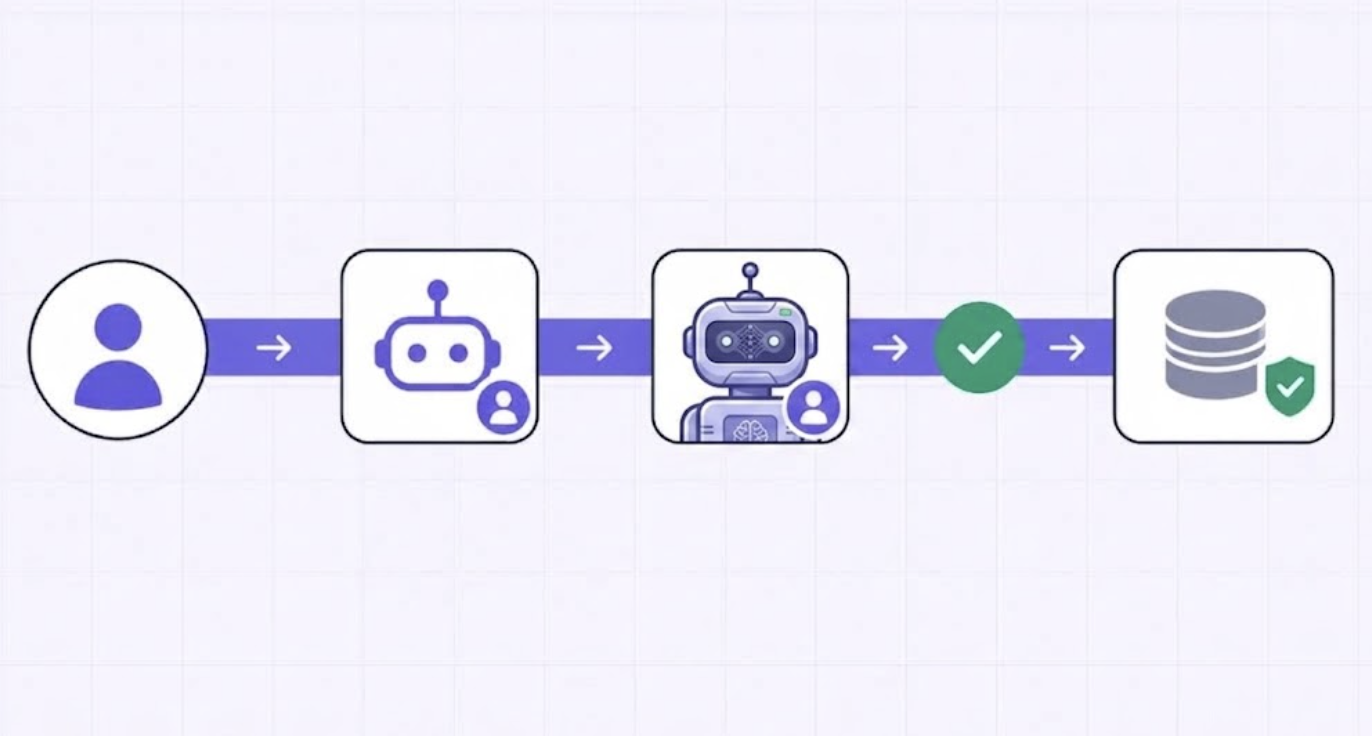
Before using the Claude MCP registry, teams need to understand how MCP works inside Claude. MCP uses a client-server model in which a host application connects to independent tool servers. The protocol enables LLM-powered applications to access external data sources, APIs, repositories, and business systems through a common interface.
MCP uses a host-client-server design. Claude Desktop or Claude Code acts as the host, while embedded clients communicate with external servers. Each MCP server operates independently and exposes its own tools, resources, prompts, or service actions.
In this design:
At the start of a session, Claude identifies available tools and decides whether a task needs them. This lets Claude use natural language requests to interact with databases, file systems, APIs, development tools, and internal systems without embedding every integration inside the model.
The MCP architecture usually relies on two transport patterns. Local stdio servers run on the same machine as Claude. Remote Streamable HTTP servers run over a network and support broader team-level deployment.
Local stdio servers are useful for experimentation because they run within the machine’s trust boundary. They often use local commands, environment variables, and a local setup flow. Remote servers support shared enterprise environments, but require stronger OAuth controls, network security, and request validation.
By default, Claude asks for user approval before using a tool. This protects users from unintended external actions, especially when a tool can read files, write to databases, call an API, or post to communication systems such as Discord.
Enterprise administrators can apply stronger control through allowlists, blocklists, approved extensions, and internal directories. This creates policy-level control over tool usage. However, consent alone does not replace enterprise governance, because teams still need identity mapping, tool-level permissions, cost controls, and audit trails.
.webp)
There are two common ways to add MCP servers into Claude Desktop. The best method depends on whether the team wants speed, flexibility, or tighter enterprise governance. Developers usually start with the extensions directory, while platform teams often need managed configuration patterns.
The Claude Desktop Extensions Directory is the easiest way to connect MCP tools. It lets users browse approved extensions, install supported servers, and start using tools with limited manual configuration. This is useful when teams want faster onboarding with safer defaults.
The typical flow includes:
Extensions are bundled and can update automatically. This reduces manual configuration work and improves onboarding speed. It also gives teams a cleaner starting point compared with direct local JSON editing, especially when users need the same tool configuration across multiple machines.
Community and internal MCP servers can also be configured manually. This usually means updating local JSON configuration files with command details, arguments, environment variables, and credentials. Manual configuration gives developers flexibility when connecting internal tools, proprietary datasets, or experimental services.
Common manual configuration inputs include:
Manual configuration is useful for internal AI applications and early preview workflows. It can also create risk when teams copy unverified server configurations from public sources. Enterprises should review the server source code, configuration schema, permissions, and tool behavior before a wider rollout.
Claude Code integrates MCP through CLI configuration. It gives software engineers more flexibility while working inside code repositories. This is valuable for teams using Claude Code with backend services, data repositories, internal APIs, and GitHub Copilot-style developer workflows.
Claude Code lets developers register MCP servers through the command line. This supports fast setup for engineering teams working across multiple repositories. The common workflow includes server registration, transport definition, authentication setup, and connection verification.
For remote servers, developers may need a browser-based OAuth flow. This keeps authentication tied to the user rather than a shared token. It also reduces risk when teams connect Claude Code to internal systems, external APIs, or enterprise workflows.
Claude Code supports scoped MCP configuration. Teams can define tool availability by project, user, or default environment. This helps avoid giving every developer the same tool set across every repository.
For example:
Scoped configuration improves consistency and reduces overexposure. A project that needs database access should not automatically inherit CRM tools. This helps enterprises reduce fragmentation while keeping each developer workflow aligned with project needs.
.webp)
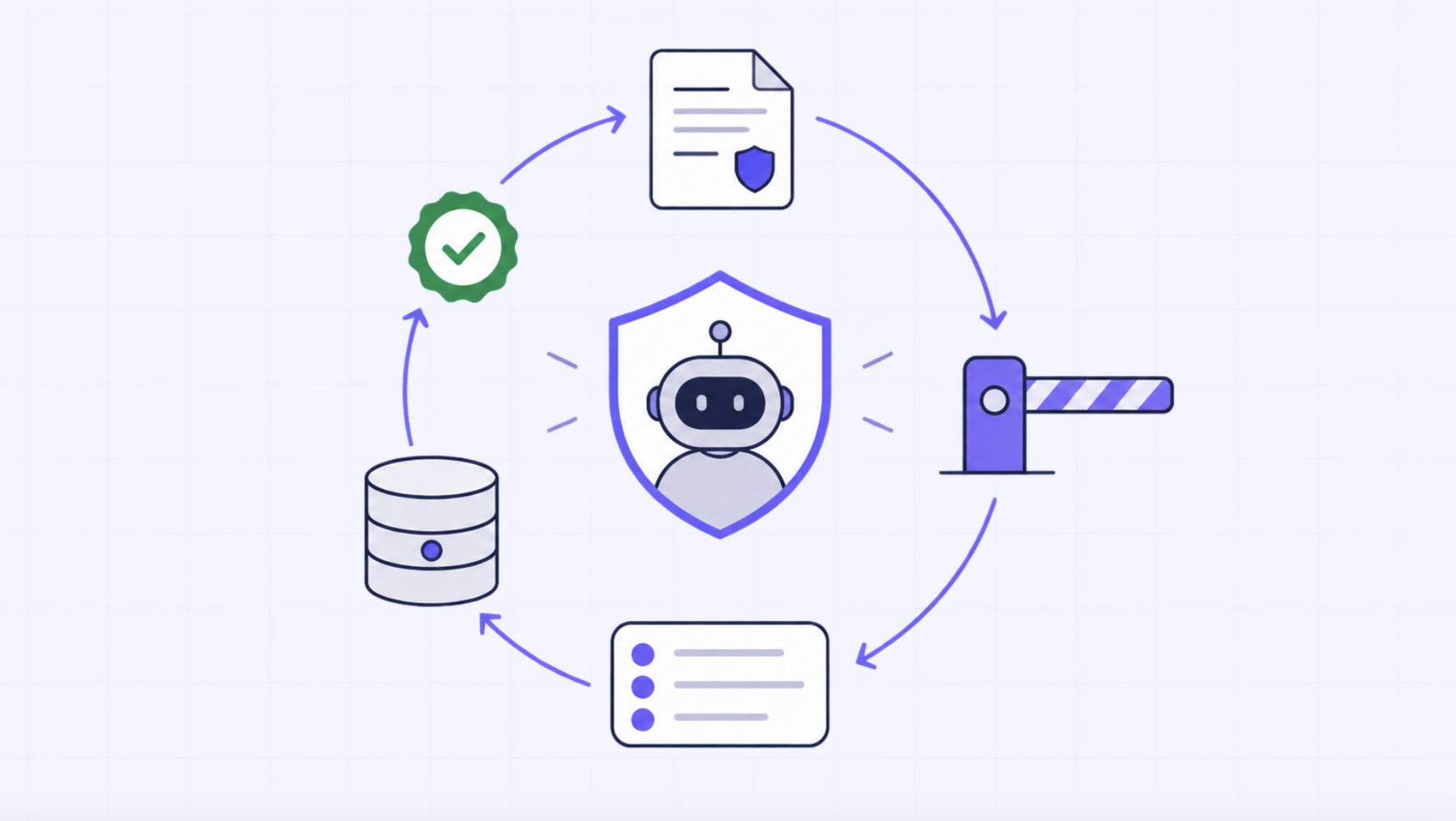
The official Claude MCP registry helps developers discover and connect to MCP servers faster. However, enterprise use cases need more than discovery. They need governance capabilities that control which servers are approved, who can access them, how calls are logged, and where data travels.
The official registry supports discovery, while enterprise controls need to live above it.
This changes the problem from discovery to governance. The Claude MCP registry helps teams find tools, while production teams still need policy control, access review, logging, approval workflows, and enterprise-grade monitoring.
.webp)
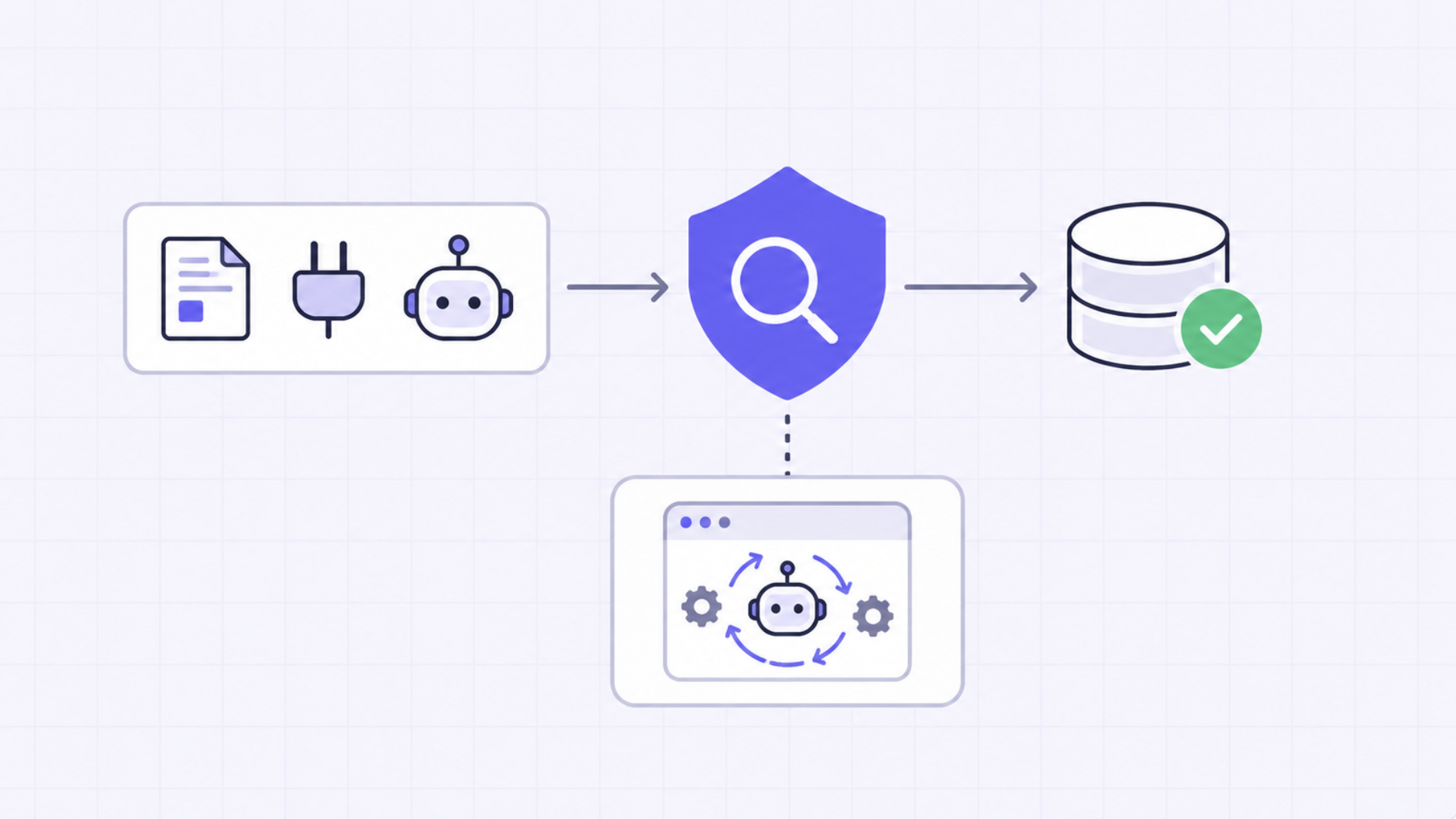
TrueFoundry adds the governance layer that enterprises need when Claude uses MCP in production. Its MCP Gateway centralizes MCP server access, authentication, routing, and observability for internal and external tools. TrueFoundry’s AI Gateway also sits between applications, LLM providers, and MCP servers, providing unified observability and governance.
With TrueFoundry, teams can use the Claude MCP registry for discovery while managing access to approved tools through a private enterprise control layer. This matters when Claude agents need to connect with internal APIs, private databases, code tools, customer systems, and governed enterprise workflows.
The AI gateway provides the broader enterprise control plane for model access, policies, observability, and cost controls. The LLM Gateway helps route across providers and self-hosted models. The Agent Gateway governs multi-step autonomous workflows, external tool use, and runtime agent behavior.
This gives enterprises a practical path from discovery to governed execution. Claude can still discover useful tools, while TrueFoundry controls which tools are approved, who can use them, what data they receive, and how every action is logged.
Book a demo to see how TrueFoundry governs models, MCP tools, agents, and enterprise AI workflows.
.webp)
TrueFoundry AI Gateway ofrece una latencia de entre 3 y 4 ms, gestiona más de 350 RPS en una vCPU, se escala horizontalmente con facilidad y está listo para la producción, mientras que LitellM presenta una latencia alta, tiene dificultades para superar un RPS moderado, carece de escalado integrado y es ideal para cargas de trabajo ligeras o de prototipos.





Las últimas noticias, artículos y recursos enviados a tu bandeja de entrada


.webp)
.webp)