


.webp)
June 15, 2026
|
Lesedauer: 5 Minuten


Erhalten Sie sofortigen Zugriff auf eine TrueFoundry-Live-Umgebung. Stellen Sie Modelle bereit, leiten Sie den LLM-Verkehr weiter und erkunden Sie die gesamte Plattform — Ihre Sandbox ist in Sekundenschnelle einsatzbereit, ohne dass eine Kreditkarte erforderlich ist.



Unglaublich schnelle Methode zum Erstellen, Verfolgen und Bereitstellen Ihrer Modelle!
Die Preisgestaltung von LangChain kann für viele Teams aus einem einfachen Grund problematisch sein: Das Open-Source-Framework ist zusammen mit LangGraph kostenlos, während die Abrechnungsplattform (und die tatsächliche Rechnung) dies nicht sind. Die gehostete Plattform LangSmith, auf der alle Funktionen für Observability, Evaluierung, Deployment und Agenten-Tools von LangChain stattfinden, wird nach Nutzungseinheiten abgerechnet, die im Voraus kaum vorhersehbar sind.
Dieses Dokument soll die Preispläne von LangChain im Detail erläutern, das LCU/LSU-Nutzungsmodell erklären und die versteckten Fallstricke aufzeigen, die zu unerwarteten Kosten führen. Sobald die Preisstruktur vollständig dargelegt ist, können wir nachvollziehen, wie sich diese Kosten je nach Phase des Produktentwicklungszyklus (vom Prototyp bis zur Produktion) verändern.
Ja, die Frameworks LangChain und LangGraph selbst sind Open-Source und (zumindest beim Self-Hosting) kostenlos verfügbar. Was Sie an LangChain Inc. zahlen, ist die Nutzung des gehosteten Dienstes für Observability, Evaluierung, Prompts und Deployment – LangSmith.
Daher lautet die eigentliche Frage hinter Suchanfragen wie „LangChain-Kosten“ oder „LangGraph-Preise“: Wie hoch sind die Kosten für LangSmith in unserem Maßstab? Dass das Framework kostenlos ist, ist der einfachste Teil. LangSmith stellt die eigentliche Herausforderung für die Budgetierung dar, da die Kosten stark davon abhängen, was Ihre Agenten nach dem Deployment tun, und nicht vom gewählten Tarif.
LangSmith bietet drei Tarife an, wobei jede zusätzliche Nutzung nach dem Pay-as-you-go-Prinzip abgerechnet wird.
In der Theorie klingt das einfach genug. Einzelpersonen können kostenlos entwickeln, kleine Teams zahlen eine Lizenzgebühr von 39 $ pro Nutzer, und für größere Unternehmen gibt es die Option eines Enterprise-Vertrags. Hier wird es jedoch kompliziert, da dies nur die Lizenzgebühr ist und die tatsächlichen Kosten für die Nutzung von LangChain durch den Verbrauch entstehen.
Die Nutzung bei LangSmith wird in zwei verschiedenen Einheiten berechnet: LangChain Compute Unit (LCU), die 1,50 $ kostet und für Berechnungen und Arbeitsvorgänge verwendet wird, sowie LangChain Storage Unit (LSU), die mit 1,00 $ berechnet wird und Tracing sowie Speicherung umfasst.
Fast alles auf der Plattform verbraucht entweder LCUs, LSUs oder beides. Deployments, Sandboxes, No-Code-Agenten der Fleet und die Engine – all dies misst Ihre Nutzung auf die eine oder andere Weise in LCUs und LSUs. Während dies Flexibilität bietet, macht es die monatlichen Kosten auch unvorhersehbar – sie hängen davon ab, wie oft Ihre Agenten ausgeführt werden, wie viele Traces sie erzeugen und wie lange diese Daten gespeichert werden. Zwei verschiedene Teams, die dieselbe 39-$-Lizenz nutzen, erhalten aufgrund ihrer unterschiedlichen Arbeitslast wahrscheinlich sehr unterschiedliche Rechnungen, was die Budgetierung und Finanzplanung erschwert.
Dies sind lediglich die Basiskosten der Plattform; die tatsächlichen Kosten für die Nutzung von LangChain steigen in der Regel hier:
Hier wird nichts in böser Absicht vor Ihnen verborgen. Dies ist lediglich ein Beispiel für eine nutzungsbasierte Preisgestaltung, die schwer vorhersehbar und leicht zu unterschätzen ist.
Stellen Sie sich beispielsweise ein Team von fünf Personen vor, das Plus-Pläne nutzt. Die Lizenzen kosten allein 195 $ pro Monat. Aktivieren Sie die Engine und rechnen Sie mit konservativen zehn LCUs pro Durchlauf bei 120 Durchläufen pro Monat – schon erhalten Sie eine zusätzliche monatliche Rechnung über 1.800 $. Wenn Sie nun noch eine produktive Always-on-Bereitstellung und deren Messung hinzurechnen, liegen Sie ohne Trace-Mehrverbrauch bereits deutlich über 2.000 $.
Die Traces skalieren nun mit der Nutzung, die Aufbewahrungsdauer für wichtige Traces steigt, und die Rechnung wächst in einer unvorhersehbaren Kurve. Der Plan war auf 39 $ pro Lizenz angesetzt. So sieht die Rechnung aus. Das ist das nutzungsbasierte Preismodell, auf das Sie achten sollten – und der perfekte Zeitpunkt, um es einer Plattform gegenüberzustellen, die auf Vorhersehbarkeit ausgelegt ist.
Sich nur am Einstiegspreis für Abonnements zu orientieren, ist einer der häufigsten Fehler bei der Kalkulation der Betriebskosten für KI-Anwendungen. Die Gesamtkosten (Total Cost of Ownership) umfassen oft weit mehr als nur die Plattformlizenz, darunter:
Wer über den beworbenen Preis pro Nutzer hinausblickt und die Gesamtkosten – einschließlich Nutzungsgebühren, Infrastruktur, Datenspeicherung und Enterprise-Funktionen – kalkuliert, erhält ein deutlich präziseres Bild der Ausgaben bei der Skalierung von KI-Anwendungen.
Das Open-Source-Framework von LangChain ist zwar kostenlos, doch für produktive Deployments reicht LangSmith allein oft nicht aus. Teams benötigen in der Regel ein KI-Gateway, Modell-Routing, Governance, Deployment-Infrastruktur, Observability und ein sicheres Zugriffsmanagement. Werden diese Funktionen über separate Tools hinzugefügt, werden die Kosten unvorhersehbar und die betriebliche Komplexität steigt.
TrueFoundry Agent Harness verfolgt einen anderen Ansatz und vereint Agenten-Orchestrierung, KI-Gateway, MCP-Gateway, Modell-Deployment und Enterprise-Governance in einer einzigen Plattform. Anstatt mehrere Produkte mit unterschiedlichen Preismodellen zu verwalten, können Unternehmen ihre KI-Anwendungen über eine zentrale Steuerungsebene betreiben.
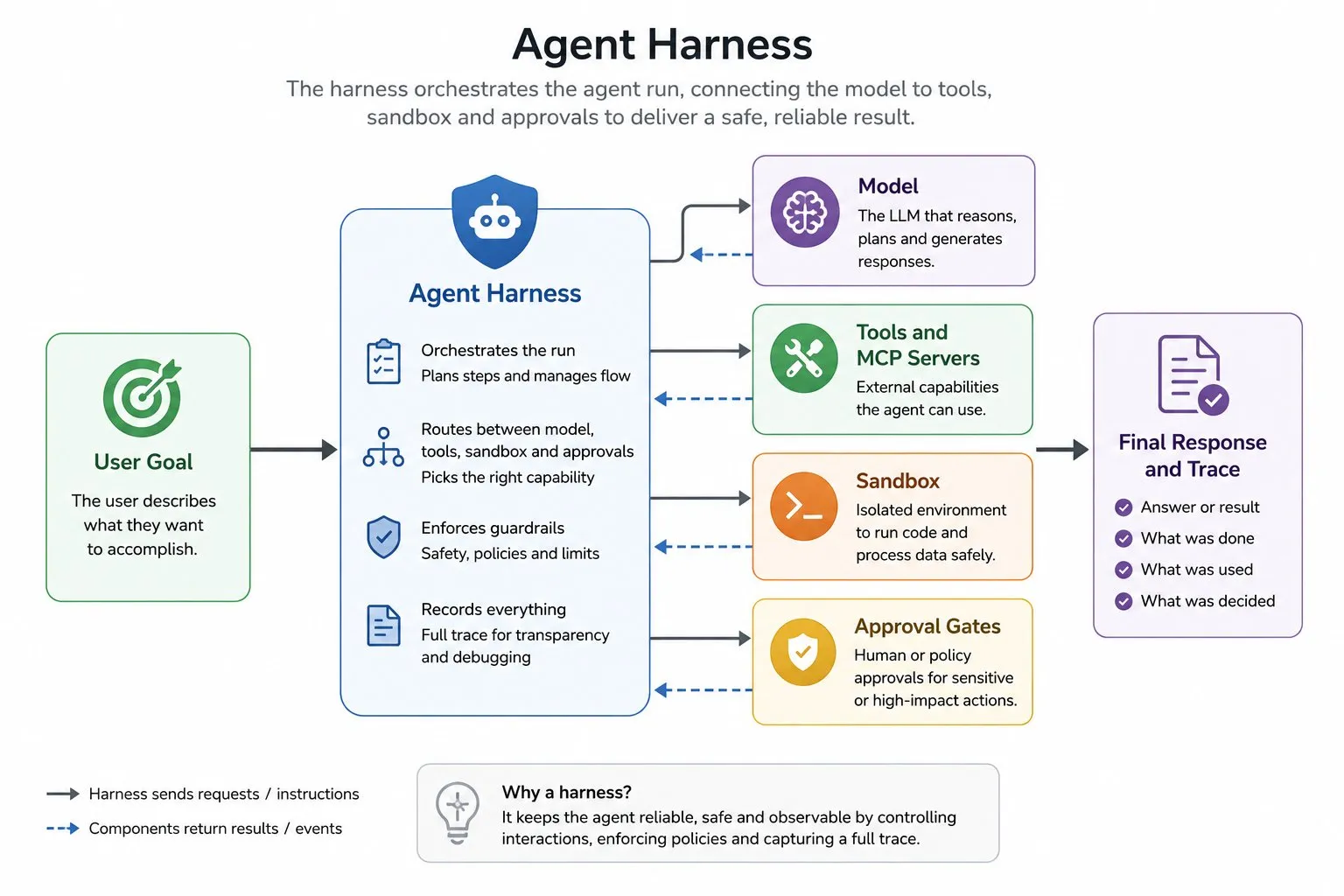
Der größte Unterschied ist nicht nur das monatliche Abonnement – es sind die Gesamtbetriebskosten.
Während jede KI-Plattform Infrastrukturkosten verursacht, kann die Konsolidierung von Bereitstellung, Governance, Routing und Observability in einer einzigen Plattform die Ausgaben planbarer machen und den operativen Aufwand für die Verwaltung mehrerer isolierter Tools reduzieren.
Unternehmen, die KI-Anwendungen für die Produktion entwickeln und planbare Infrastrukturkosten, zentrale Governance sowie einen Betrieb auf Unternehmensniveau benötigen, ohne verschiedene KI-Infrastrukturprodukte mühsam zusammenfügen zu müssen.
LangChain selbst ist kostenlos, aber der Aufbau und Betrieb von KI-Anwendungen für die Produktion mit dem LangChain-Ökosystem nicht. Sobald Sie die lokale Entwicklung verlassen, entstehen Kosten durch die Nutzung von LangSmith, einschließlich Rechenleistung, Speicher, Bereitstellungen, Trace-Aufbewahrung und anderer nutzungsbasierter Dienste. Obwohl dieses nutzungsbasierte Modell Flexibilität bietet, kann es bei wachsenden Arbeitslasten die Vorhersage der monatlichen Ausgaben erschweren.
Bevor Sie sich für eine Plattform entscheiden, sollten Sie über den reinen Listenpreis hinausblicken und die gesamten Betriebskosten (Total Cost of Ownership) bewerten, einschließlich Infrastruktur, Observability, Governance und operativem Aufwand. Wenn Sie diese Kosten von Anfang an verstehen, können Sie eine KI-Plattform wählen, die sowohl Ihre technischen Anforderungen erfüllt als auch in Ihr Budget passt, während Sie skalieren.
Wie sind die Preise für LangChain?
Das LangChain-Framework selbst ist kostenlos und Open Source. Die gehostete Lösung LangSmith ist im Developer-Tarif kostenlos ($0) und kostet im Plus-Tarif $39 pro Nutzer/Monat, zuzüglich nutzungsabhängiger Gebühren (LCU – $1,50, LSU – $1,00 sowie Kosten pro Trace).
Ist LangChain kostenlos und Open Source?
Ja, die Pakete LangChain und LangGraph sind Open Source und können selbst gehostet werden, sodass Sie nur für die zugrunde liegende Rechenleistung zahlen. Kosten fallen erst an, wenn Sie das Premium-Angebot LangSmith für Monitoring, Evaluierung oder Hosting nutzen.
Was ist der Unterschied zwischen den Preismodellen von LangSmith und LangGraph?
LangGraph ist Teil des Open-Source-Frameworks. LangSmith ist ein kostenpflichtiges Angebot, bei dem die Gebühren für die gehostete Version von LangGraph über das LCU/LSU-Modell von LangSmith abgerechnet werden.
TrueFoundry AI Gateway bietet eine Latenz von ~3—4 ms, verarbeitet mehr als 350 RPS auf einer vCPU, skaliert problemlos horizontal und ist produktionsbereit, während LiteLM unter einer hohen Latenz leidet, mit moderaten RPS zu kämpfen hat, keine integrierte Skalierung hat und sich am besten für leichte Workloads oder Prototyp-Workloads eignet.





Die neuesten Nachrichten, Artikel und Ressourcen werden in Ihren Posteingang gesendet
.webp)

.png)
.png)
.png)
.png)
.png)
.png)
.png)
.png)
.png)
.png)
.png)


