


September 11, 2026
|
Lesedauer: 5 Minuten


Erhalten Sie sofortigen Zugriff auf eine TrueFoundry-Live-Umgebung. Stellen Sie Modelle bereit, leiten Sie den LLM-Verkehr weiter und erkunden Sie die gesamte Plattform — Ihre Sandbox ist in Sekundenschnelle einsatzbereit, ohne dass eine Kreditkarte erforderlich ist.



Unglaublich schnelle Methode zum Erstellen, Verfolgen und Bereitstellen Ihrer Modelle!
Da KI-Agenten immer leistungsfähiger werden, liegt die Herausforderung nicht mehr in ihrer Entwicklung, sondern in ihrem zuverlässigen Betrieb in der Produktion. Entwickler benötigen eine Infrastruktur für Agenten-Schleifen, Zustandsverwaltung, Tool-Ausführung, Sandboxing und Skalierung – doch die Art und Weise, wie diese Aufgaben gehandhabt werden, unterscheidet sich je nach Plattform erheblich.
Claude Managed Agents und Vercel Eve verfolgen grundlegend unterschiedliche Ansätze zur Lösung dieses Problems. Anthropic bietet eine vollständig verwaltete Laufzeitumgebung, in der der gesamte Agenten-Lebenszyklus für Sie betrieben wird, während Vercel Eve ein Open-Source-Framework ist, bei dem Sie die Kontrolle über Laufzeit und Bereitstellung behalten und modellunabhängig bleiben.
In diesem Leitfaden vergleichen wir Claude Managed Agents und Vercel Eve in Bezug auf Architektur, Entwicklererfahrung, Tooling, Sicherheit und Enterprise-Readiness, damit Sie entscheiden können, welche Plattform besser zu Ihren KI-Anwendungen passt.
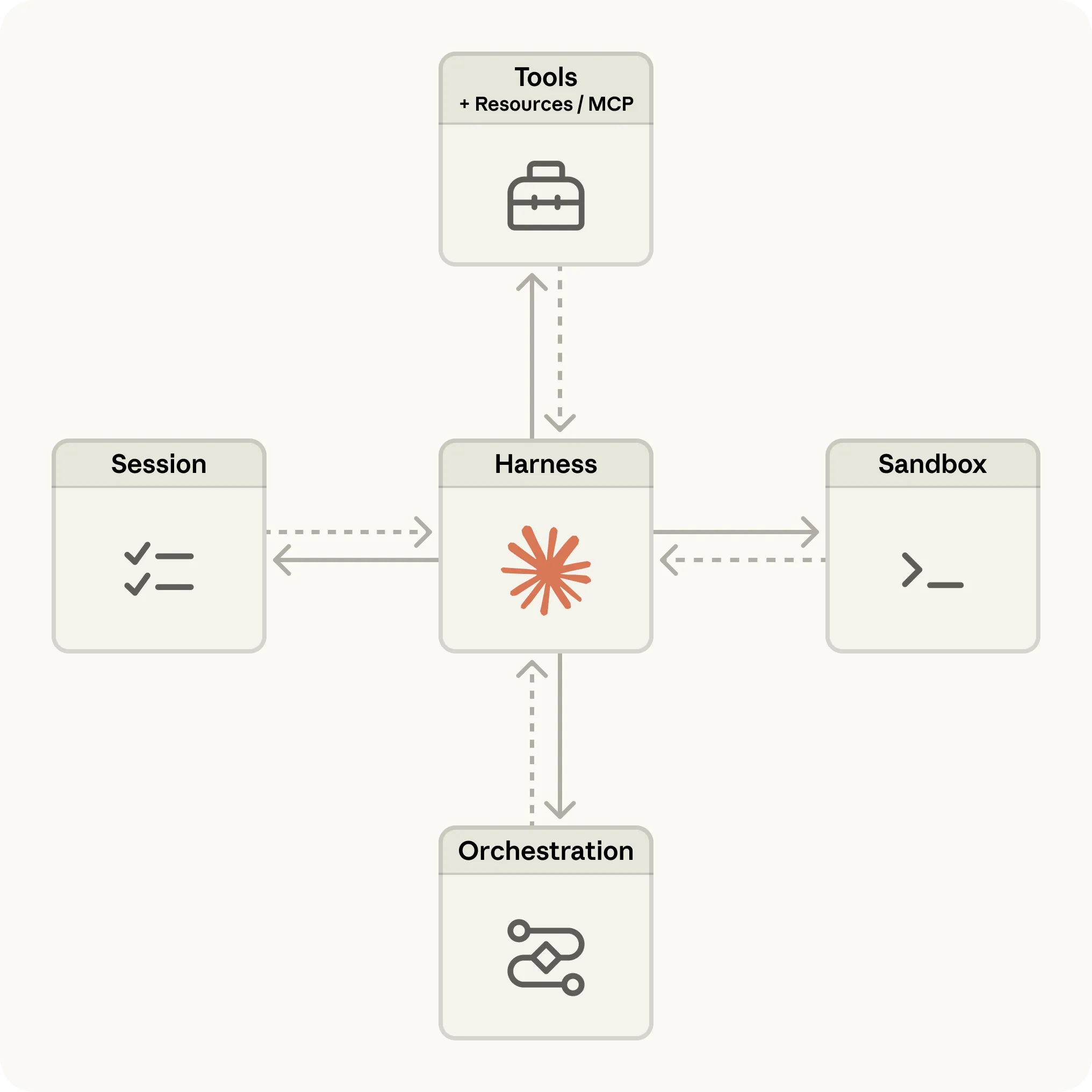
Das Modell basiert auf drei Komponenten: einem Agenten (Modell, System-Prompt, Tools, MCP-Server, Skills), einer Umgebung (eine Container-Vorlage, die Sandbox-Ressourcen, Pakete und Netzwerkzugriff definiert) und einer Sitzung (eine laufende Instanz mit persistenter Sandbox und Gesprächsverlauf). Sie erstellen den Agenten einmal und starten dann Sitzungen, die darauf verweisen. Sitzungen sind ereignisgesteuert und zustandsbehaftet: Sie senden ein Benutzerereignis und empfangen dann Ereignis-Streams (Inhalt, Tool-Aufrufe, Status, Token-Verbrauch), bis die Sitzung in den Leerlauf geht. Der Zustand – Gespräch, Sandbox, Ausgaben – wird serverseitig gespeichert und kann nach einer Pause nahtlos fortgesetzt werden.
Anthropic übernimmt die gesamte Schleife. Sie müssen den Reason-Act-Observe-Zyklus nicht selbst schreiben; Sie senden lediglich Nachrichten und lesen Ereignisse.
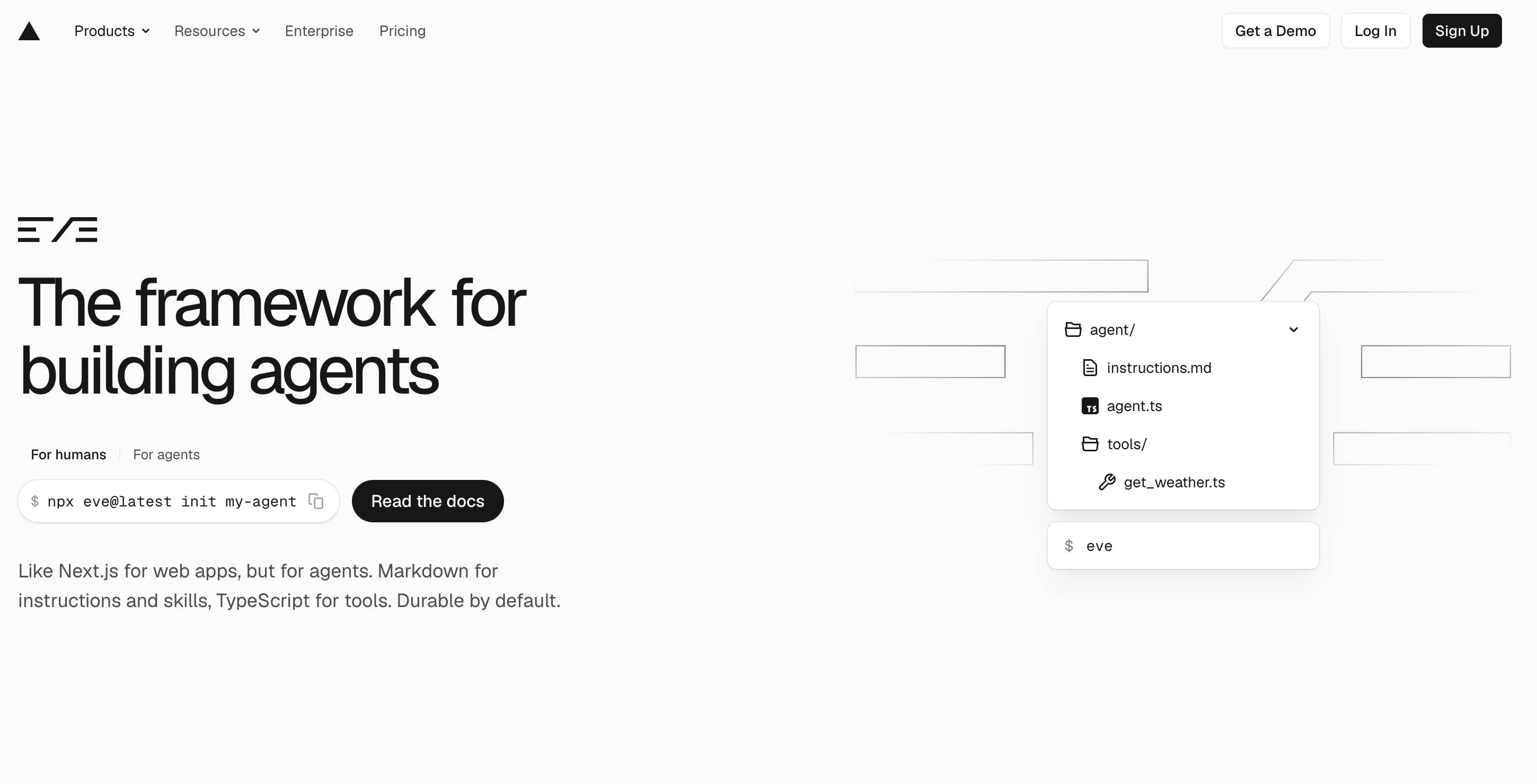
Eve ist dateisystemorientiert: Das Verzeichnis ist der Agent. agent.ts legt das Modell fest, instructions.md ist der System-Prompt, und Ordner für tools/, skills/, connections/, subagents/, channels/ und schedules/ werden jeweils einer Laufzeitfunktion zugeordnet – ohne Registrierungs-Boilerplate. Der Name und der Ort der Datei im Verzeichnisbaum definieren ihre Funktion. Eve stellt Ihnen dann eine stabile HTTP-Nachrichtenroute, einen wiederverbindbaren Sitzungs-Stream und einen dauerhaften Sitzungszustand zur Verfügung.
Dauerhaftigkeit steht im Mittelpunkt des Designs. Jedes Gespräch ist ein dauerhafter Workflow (basierend auf dem Open-Source Workflow SDK), bei dem jeder Schritt mit einem Checkpoint versehen wird. So kann eine Sitzung pausieren, einen Absturz oder eine Bereitstellung überstehen und genau dort fortgesetzt werden, wo sie unterbrochen wurde. Eve stellt zwei Identifikatoren bereit: ein continuationToken für die nächste Benutzernachricht und eine sessionId für Streaming und Inspektion.
Managed Agents werden über API-Objekte konfiguriert. client.beta.agents.create() nimmt Modell, System-Prompt, Tools, bis zu 20 MCP-Server und Skills entgegen; client.beta.sessions.create() verweist auf den Agenten sowie eine Umgebung und kann Modell, System-Prompt, Tools, MCP-Server und Skills pro Sitzung überschreiben, ohne eine neue Agentenversion zu erstellen. Die Entwicklererfahrung ist API- und Konsolen-basiert: Sie steuern alles programmatisch und inspizieren die Ausführungen in der Claude Console.
Eve wird über Code und Dateien konfiguriert. Ein Tool ist eine typisierte TypeScript-Datei (defineTool mit einem Zod-Schema); ein Skill ist eine Markdown-Datei mit einer Beschreibung; eine Verbindung, ein Subagent, ein Kanal oder ein Zeitplan ist ebenfalls eine einzelne Datei. Die Schleife wird über eve dev gesteuert – einen lokalen Server mit Terminal-UI, der jeden Skill-Ladevorgang, jeden Tool-Aufruf und jeden Sandbox-Befehl in Echtzeit anzeigt. Da der Agent aus Dateien in einem Repository besteht, ist eine Änderung an einem Prompt oder Tool ein normaler Commit mit Diff, Review und Preview-Deployment.
Managed Agents speichert den Sitzungsstatus serverseitig und ergänzt Speicher-Stores: arbeitsbereichsbezogene Sammlungen von Textdokumenten (max. 2.000 Einträge, ca. 100 kB pro Eintrag), die beim Sitzungsstart schreibgeschützt oder mit Lese- und Schreibzugriff eingebunden werden. Eine separate asynchrone Funktion, Dreams, läuft minuten- bis stundenlang im Hintergrund, um einen Speicher-Store aus vergangenen Transkripten zu deduplizieren und neu zu organisieren. Langlaufende und asynchrone Ausführung sind hierbei grundlegende Konzepte.
eve betrachtet Status als dauerhaften Workflow-Status und nicht als Speicherprodukt. Sitzungen speichern bei jedem Schritt einen Checkpoint und überstehen Abstürze sowie Deployments – eine laufende Aufgabe wird auf der Version beendet, auf der sie begonnen wurde. Agents können beliebig lange auf einen Menschen oder ein langsames System warten, ohne Rechenleistung zu verbrauchen. Dauerhaftes Wissen wird in der Regel in Skills, toolgestützten Stores oder dem Sandbox-Arbeitsbereich gespeichert, anstatt über eine dedizierte Speicher-API.
Beide unterstützen Sub-Agents. Bei Managed Agents orchestriert ein Koordinator Spezialisten, die sich eine Sandbox und Tresor-Anmeldedaten teilen, aber jeweils in einem kontextisolierten Sitzungs-Thread laufen; Agents können parallel agieren und der Koordinator delegiert Aufgaben über benutzerdefinierte Tool-Events. Bei eve entspricht ein Sub-Agent der gleichen Verzeichnisstruktur eine Ebene tiefer (eigene Anweisungen, Tools und Sandbox), wobei das übergeordnete System ihn wie ein Tool aufruft; das Kind-Element startet mit einem leeren Kontextfenster und gibt das Ergebnis zurück.
Hier ist eve breiter aufgestellt. eve behandelt Kanäle als erstklassige Bürger: Derselbe Agent bedient HTTP sowie Slack, Discord, Teams, Telegram, Twilio, GitHub und Linear – jeweils über einen einzeiligen Adapter –, wobei Sitzungen zwischen den Oberflächen wechseln können. Die Genehmigung durch den Menschen (Human-in-the-Loop) ist ein einfaches Feld in einem Tool (needsApproval) – der Agent pausiert unbegrenzt, ohne Rechenleistung zu verbrauchen, bis die Freigabe erfolgt. Zeitpläne werden über Cron-Dateien definiert, die den Agenten nach seinem eigenen Takt starten.
Claude Managed Agents verfügt über keine integrierten Endbenutzer-Kanäle – es ist eine API, die Sie in Ihre eigenen Oberflächen integrieren. Es bietet zwar MCP-Genehmigungsrichtlinien pro Aufruf (always_ask) als Freigabeprimitiv und deckt mit asynchroner Ausführung geplante bzw. Hintergrundaufgaben ab, aber die Anbindung an Slack, Discord usw. müssen Sie selbst entwickeln.
Managed Agents wird nach zwei Kriterien abgerechnet: Modell-Token zu Standardtarifen sowie Sitzungslaufzeit (sekundengenaue Abrechnung der Sandbox-Verfügbarkeit); die Websuche innerhalb der Sitzung kostet standardmäßig 10 $ pro 1.000 Suchanfragen. Die Abrechnung erfolgt pro Organisation mit Ausgabenlimits, ist exklusiv auf AWS verfügbar und durch Beta-Header geschützt. Es gibt kein Deployment – Anthropic hostet den Dienst.
Eve ist kostenlos und quelloffen; die Kosten setzen sich aus der Modell-Inferenz (über das AI Gateway) und der von Ihnen genutzten Infrastruktur zusammen. Auf Vercel lässt es sich wie ein gewöhnliches Projekt bereitstellen (vercel deploy – Zeitpläne werden zu Cron Jobs, die Sandbox wechselt zur Vercel Sandbox, sofortiges Rollback ist verfügbar); Adapter für weitere Plattformen sind bereits in Planung. Da es Ihr eigener Code ist, tragen Sie die in der Dokumentation explizit genannte operative Verantwortung – Genehmigungen, Netzwerkausgang und Tool-Beschränkungen müssen von Ihnen konfiguriert werden.

TrueForge ist das quelloffene, herstellerneutrale Agenten-Framework von TrueFoundry. Es steuert die Agenten-Schleife rund um das Modell, einschließlich Planung, Tool-Aufrufen, Kontextverwaltung, Sandbox-Ausführung, Genehmigungen und Sitzungsstatus, während Sie Ihre eigenen Modelle, MCP-Server und Infrastruktur einbinden können. Sie können es lokal mit npx @truefoundry/trueforge ausführen oder für ein Team mit Docker Compose oder Helm bereitstellen.
Die Wahl des Modells bleibt unabhängig vom Framework. Im Benchmark von TrueFoundry gegen Claude Managed Agents erreichte TrueForge bei Verwendung von Opus 4.8 eine nahezu identische Aufgabenpräzision, verbrauchte dabei jedoch nur etwa 40 % der Token, was die Kosten pro Durchlauf um etwa 30 % senkt. Beim gleichen Benchmark mit GLM-5.2 auf TrueForge wurde das identische Ergebnis von ca. 11/14 Aufgaben bei etwa 2,90 $ pro Durchlauf erzielt, verglichen mit 11,80 $ bei Claude Managed Agents – eine Ersparnis von rund 75 % der Kosten.
TrueFoundry bietet zudem einen zweiten Hebel zur Senkung der Modellkosten durch das Auto Routingdes AI Gateways. Anstatt jede Anfrage an ein Spitzenmodell zu senden, klassifiziert das Auto Routing Anfragen nach Komplexität und leitet sie an verschiedene Modell-Tiers weiter. Im Benchmark von TrueFoundry mit 550 Prompts reduzierte das Routing zwischen Haiku, Sonnet und Opus die Kosten um 69 %, während 98 % der ursprünglichen Qualität erhalten blieben und die durchschnittliche Latenz von 7,6 Sekunden auf 4,0 Sekunden sank. Bei produktionsnahem Datenverkehr erreichte die Gesamtkostensenkung sogar 80 %.
Diese beiden Ebenen adressieren unterschiedliche Aspekte der Kostenrechnung. TrueForge reduziert den Overhead beim Betrieb des Agenten selbst, während das Modell-Routing es Ihnen ermöglicht, teure Modelle zu vermeiden, wenn die Aufgabe diese nicht erfordert. Für Teams, die Agenten in großem Maßstab einsetzen, kann die Kombination beider Kontrollmechanismen wichtiger sein als der reine Preis des Modells.
TrueForge ist quelloffen und unter der MIT-Lizenz verfügbar, während das AI Gateway von TrueFoundry die operative Ebene ergänzt, die Teams beim Übergang von einzelnen Agenten zur Produktion benötigen: zentralisierter Modellzugriff, Budgets, Leitplanken, Anmeldedatenverwaltung und einheitliche Traces.
Wenn Sie Claude Managed Agents mit einer konfigurierbareren Architektur vergleichen, ist TrueFoundry eine Überlegung wert, wenn Modellflexibilität, Infrastrukturkontrolle und die Optimierung der Agentenkosten neben der Agenten-Laufzeit selbst eine Rolle spielen.
Claude Managed Agents, Vercel eve und TrueForge verfolgen unterschiedliche Ansätze beim Betrieb von KI-Agenten. Claude Managed Agents priorisiert eine vollständig verwaltete Erfahrung, während eve Entwicklern durch ein Open-Source-Framework mit Code-First-Ansatz mehr Kontrolle bietet.
TrueForge positioniert sich zwischen diesen Ansätzen: Es hält das Agenten-Framework quelloffen und modellunabhängig, fügt jedoch die für produktive Bereitstellungen notwendige Infrastruktur und operative Kontrolle hinzu. Teams können ihre Modelle und die Bereitstellungsumgebung frei wählen, ohne die zugrunde liegenden Systeme für MCP-Zugriff, Sandboxing, Freigaben, Observability und Governance selbst entwickeln zu müssen.
Die richtige Wahl hängt letztlich davon ab, wie viel Infrastruktur Sie selbst verwalten möchten. Wenn die Minimierung des operativen Aufwands Priorität hat, ist Claude Managed Agents die einfachere Option. Wenn Sie ein leichtgewichtiges, entwicklergesteuertes Framework suchen, ist eve überzeugend. Wenn Sie Open-Source-Agentenausführung mit Enterprise-Infrastruktur, Modellflexibilität und Kostenkontrollesuchen, ist TrueForge eine Überlegung wert.
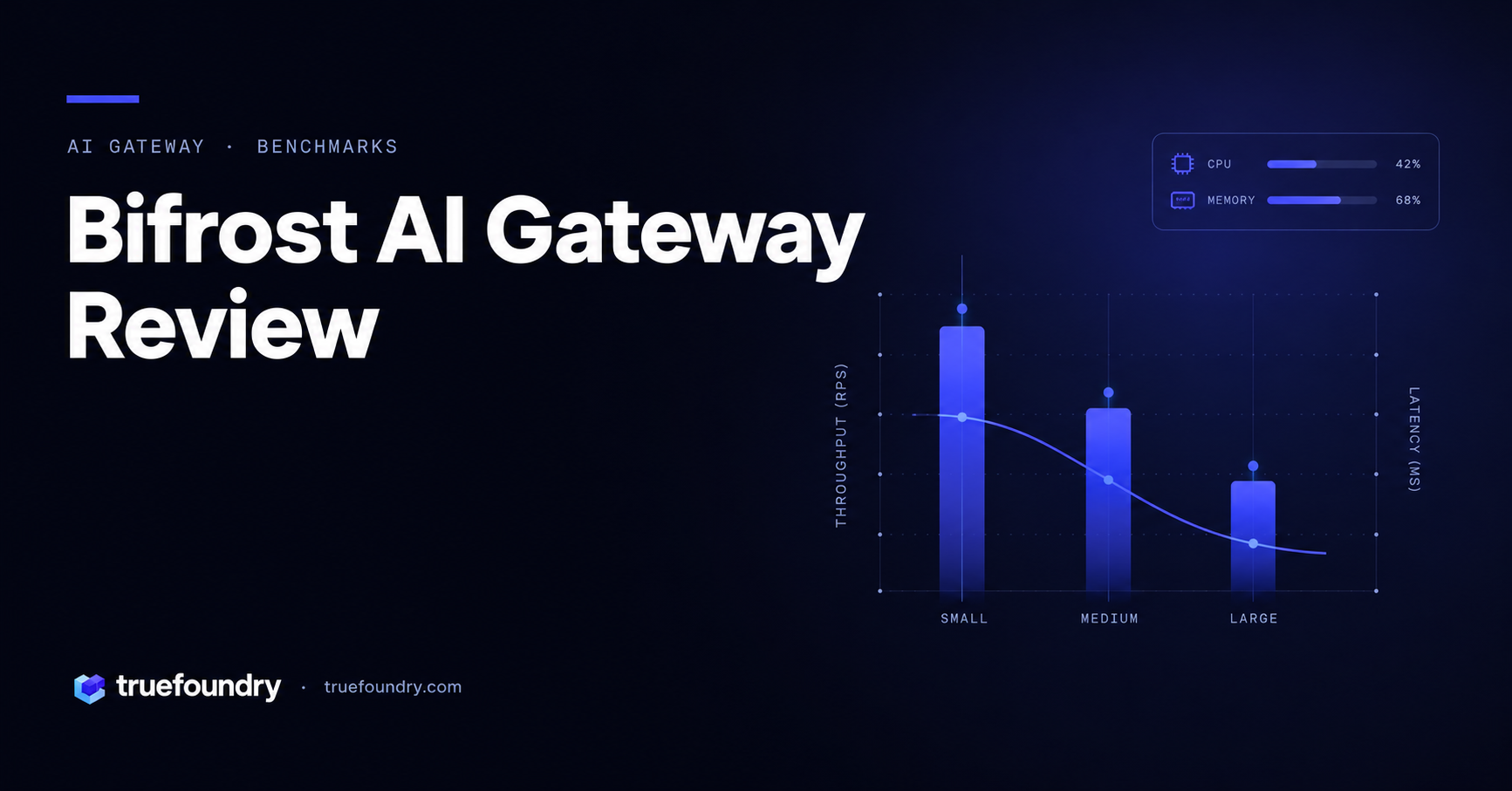
TrueFoundry AI Gateway bietet eine Latenz von ~3—4 ms, verarbeitet mehr als 350 RPS auf einer vCPU, skaliert problemlos horizontal und ist produktionsbereit, während LiteLM unter einer hohen Latenz leidet, mit moderaten RPS zu kämpfen hat, keine integrierte Skalierung hat und sich am besten für leichte Workloads oder Prototyp-Workloads eignet.





Die neuesten Nachrichten, Artikel und Ressourcen werden in Ihren Posteingang gesendet
.webp)
.webp)

.png)
.png)
.png)
.png)
.png)
.png)
.png)
.png)
.png)
.png)
.png)


