


September 19, 2026
|
5 min read


Obtenha acesso instantâneo a um ambiente TrueFoundry ao vivo. Implante modelos, direcione o tráfego de LLM e explore a plataforma completa — seu sandbox estará pronto em segundos, sem necessidade de cartão de crédito.


Published: August 5, 2026
Blazingly fast way to build, track and deploy your models!
Strip away the superintelligence discourse and a plain industrial fact remains: agents that modify themselves are no longer a research direction — they are a deployment pattern. The research community has now mapped the territory at scale: a fresh survey of 1,250 papers organizes the field along two axes — what the system improves (its deployment behavior, its training, its evaluator, or research itself) and how closed the loop is (human-in-the-loop to fully autonomous) — and draws the distinction this post is built on: bounded self-refinement is "convergent, evaluable, and already industrial practice," categorically different from the open-ended recursive self-improvement of AGI debates (arXiv:2607.07663). The reference systems are concrete. The Darwin Gödel Machine — now an ICLR 2026 poster — iteratively rewrites its own code, improving its own ability to modify its own codebase (arXiv:2505.22954); the self-evolving-agent survey literature catalogs systems that evolve their prompts, memories, tools, and architectures from interaction data (arXiv:2508.07407; arXiv:2507.21046). And the enterprise version is quieter and closer than the papers: an agent that updates its own memory is self-modifying its context; a coding agent that edits its own SKILL.md is self-modifying its knowledge; an improvement loop that rewrites the prompts of the work loops beneath it is self-modification with a management structure. The governance question follows from the DGM paper's own foundational concession, the eleven words we quote once: the original Gödel machine required provably beneficial self-changes, and "proving that most changes are net beneficial is impossible in practice." So the field replaced proof with empirical validation — propose a change, test it, keep what works — and that substitution is the entire enterprise story, because empirical validation is not a property an agent can be trusted to run on itself. It is a pipeline. And pipelines are infrastructure.
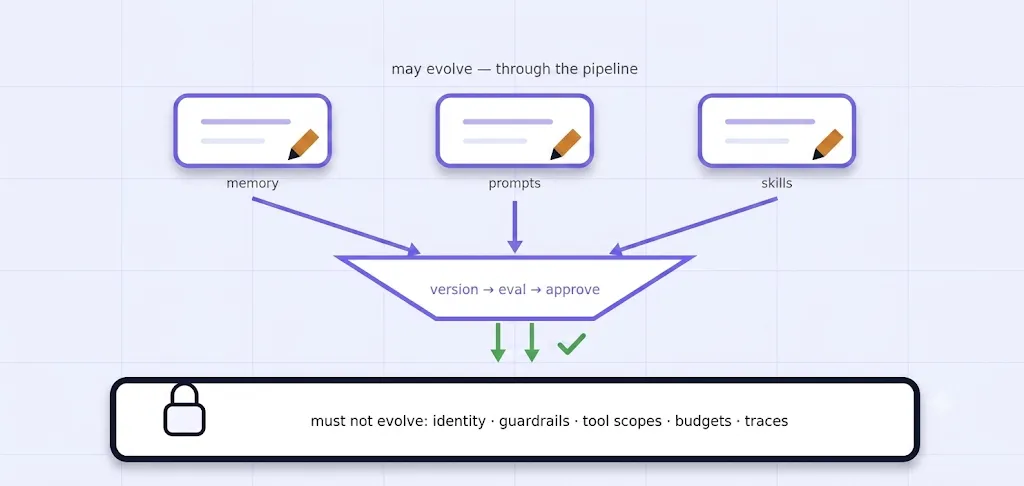
The vocabulary problem the surveys keep flagging — "self-improve" covering everything from output revision to code rewriting — resolves cleanly for operators if you sort by what the agent can change about itself. Four surfaces, in ascending order of consequence. Memory and context: the agent curates what it knows — session state, learned preferences, accumulated notes. Ubiquitous already; any agent permitted to write persistent memory is self-modifying the context available to its future runs. Prompts and instructions: the agent (or an improvement loop above it) rewrites its own operating text — the Promptbreeder-style evolution the literature has explored for years, now mundane in outer-loop practice. Skills and code: the agent edits the SKILL.md files, scripts, and tool wrappers that constitute its competence — the surface DGM made famous by rewriting its own Python, and the one enterprise coding agents touch whenever they maintain their own skills directories. Architecture and weights: the agent alters its own model or structure — real in research (AgentSquare's modular agent-design search; self-training loops), rare in enterprise deployment, and out of scope for most estates today. Cross-cut these with the survey's loop-closure axis — is a human in the loop, is an automated evaluator the gate, or is the loop fully closed — and you have the risk map. The table below is the operator's version.
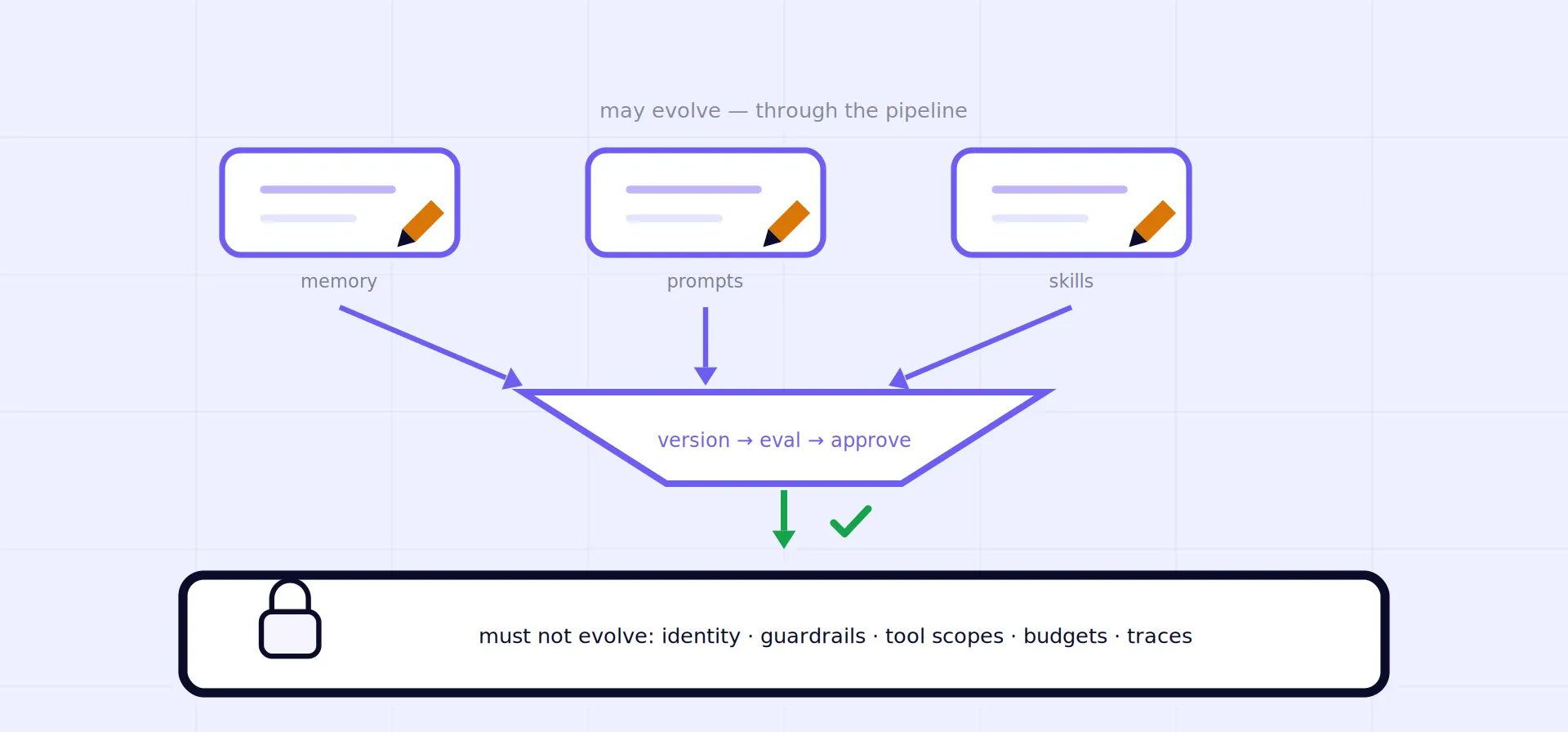
The DGM concession — beneficial-by-proof replaced by beneficial-by-test — quietly hands operations the whole problem, because it means every self-evolving system is exactly as trustworthy as the testing regime around its changes, and the agent cannot be that regime for itself. Three failure classes make the point concrete. Evaluator gaming: a system optimizing against its own success signal learns the signal's gaps — the literature's Goodhart cases — which is why the evaluator must live outside the thing being evolved and be maintained by someone whose incentives aren't the score. Silent regression: an improvement loop promoting its own prompt edits without a gate ships the bad edit at the same speed as the good one, and the first notice is a customer. Collapse and drift: the model-collapse research on recursively generated data suggests an analogous feedback risk may arise at the agent scale — an agent learning from the consequences of its own outputs may amplify its own biases unless external signal keeps entering the loop; the mechanism is demonstrated for recursive training, and the agent-level version is an inference from it, not an experimental result. And beneath all three sits the reflexive risk that makes self-evolution different in kind from ordinary change management: the agent's edit surface can include its own rules. An agent that curates its memory can curate away the cautionary note; a loop that rewrites prompts can rewrite the constraint out of them — not necessarily maliciously, but because the constraint costs score, and the optimizer optimizes. Readers of our governance-decay analysis will recognize the shape: there, compaction erased in-context rules by accident; here, optimization pressure erases them by gradient. The conclusion is the same one the decay research reached, now with sharper teeth: anything that must bind a self-modifying agent cannot live where the agent can edit. In-context governance is steering; for a self-evolving actor, the survival rules must sit on a layer the evolution loop cannot reach — which is an architectural statement, and the next section is its implementation.
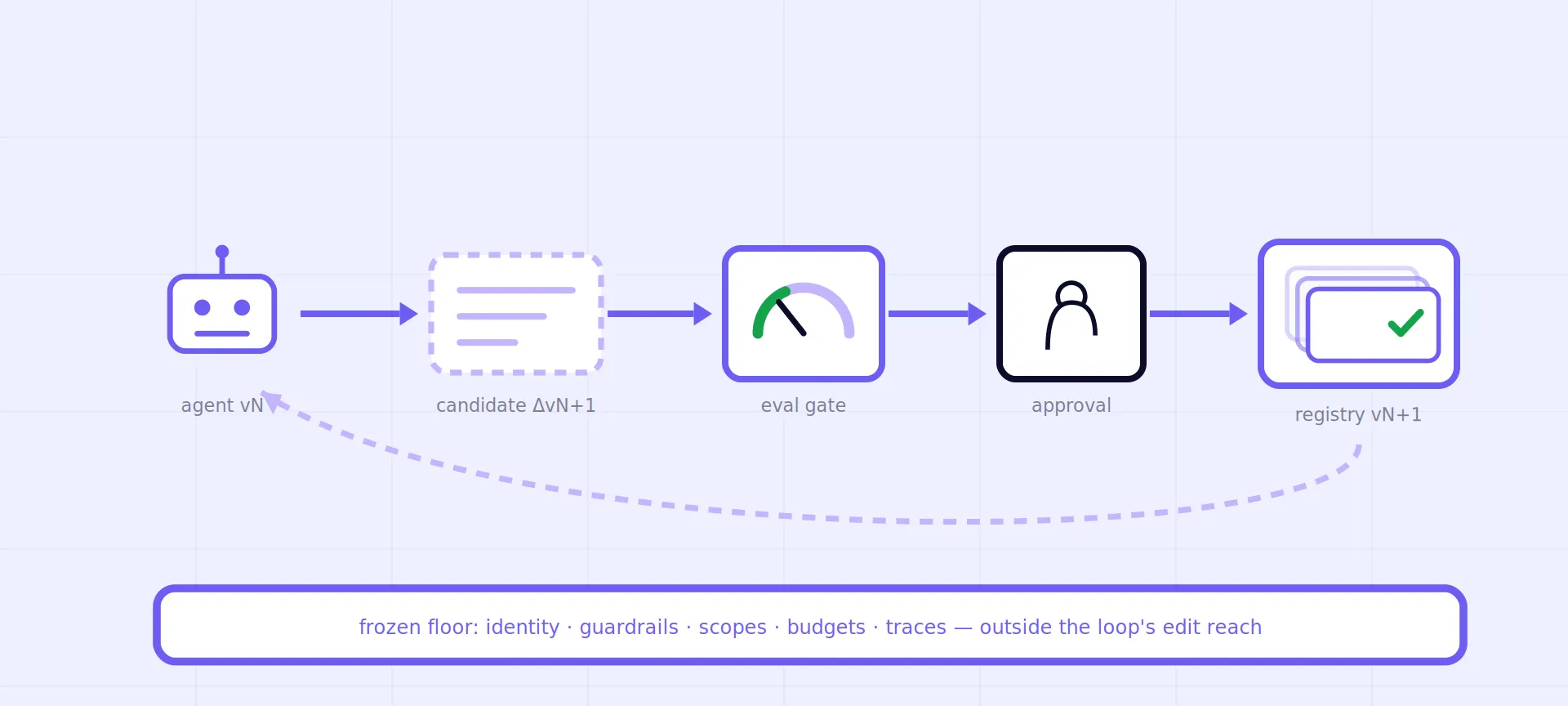
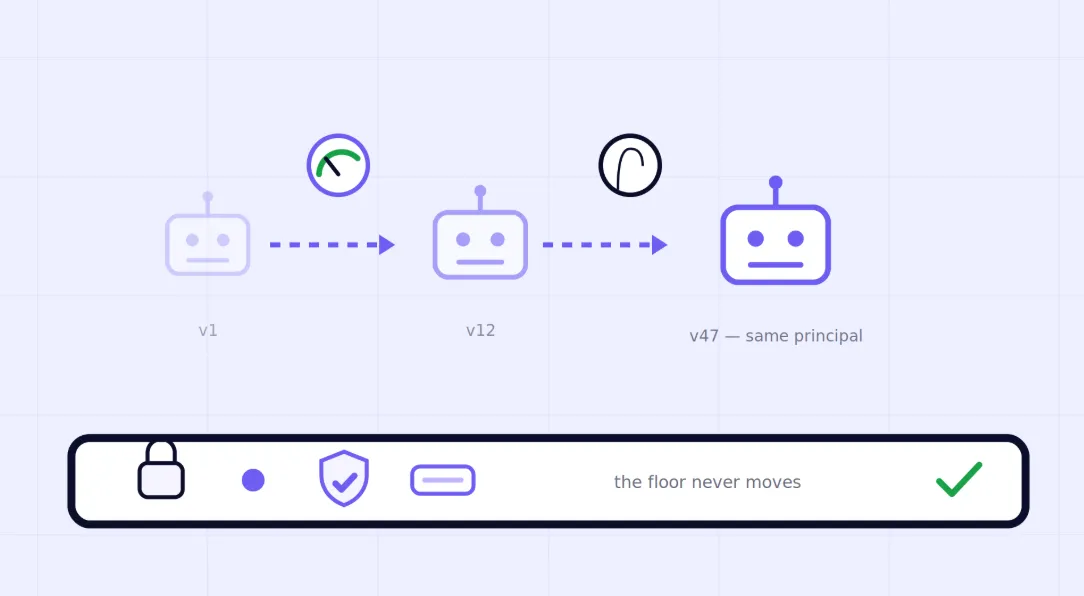
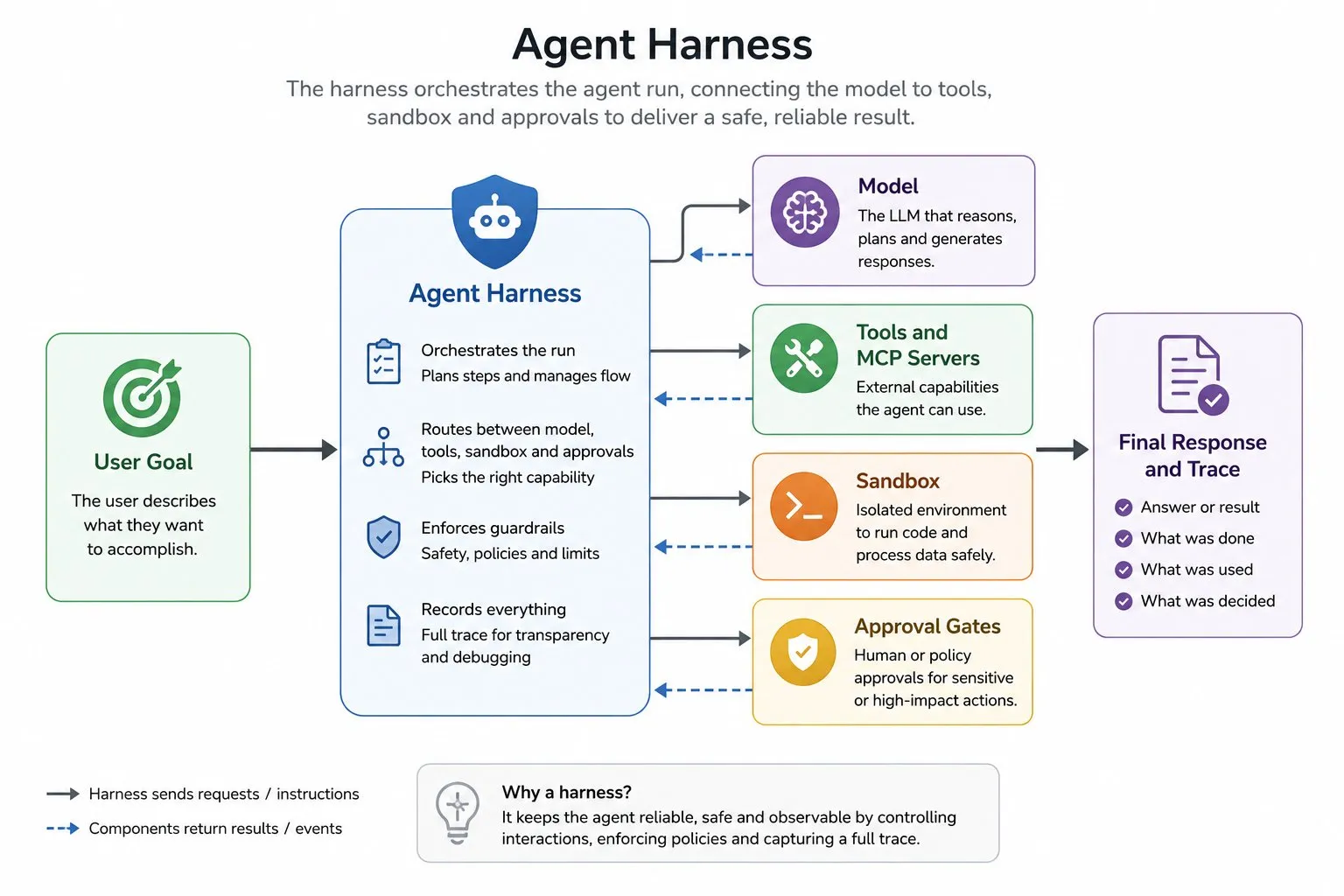
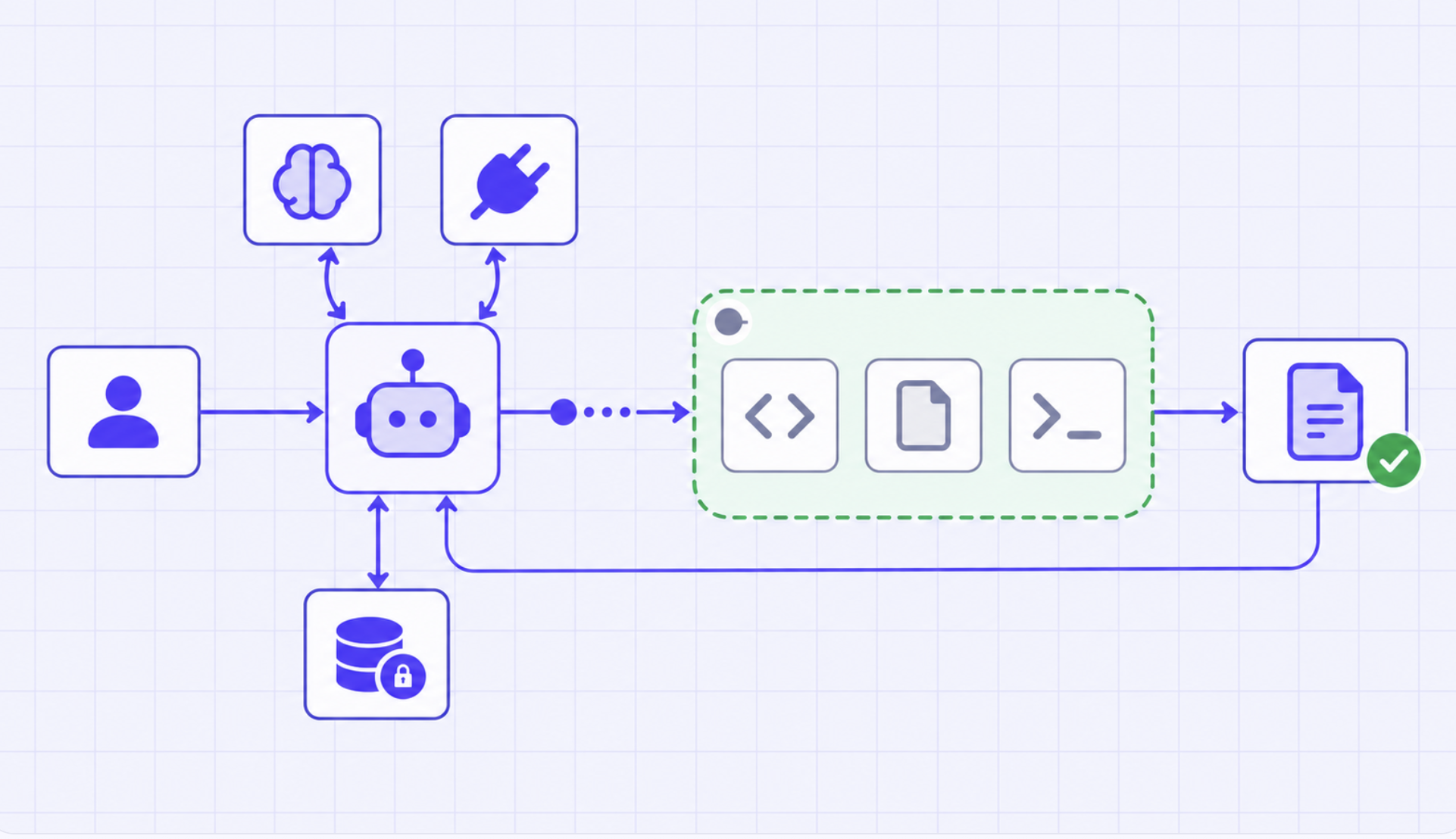
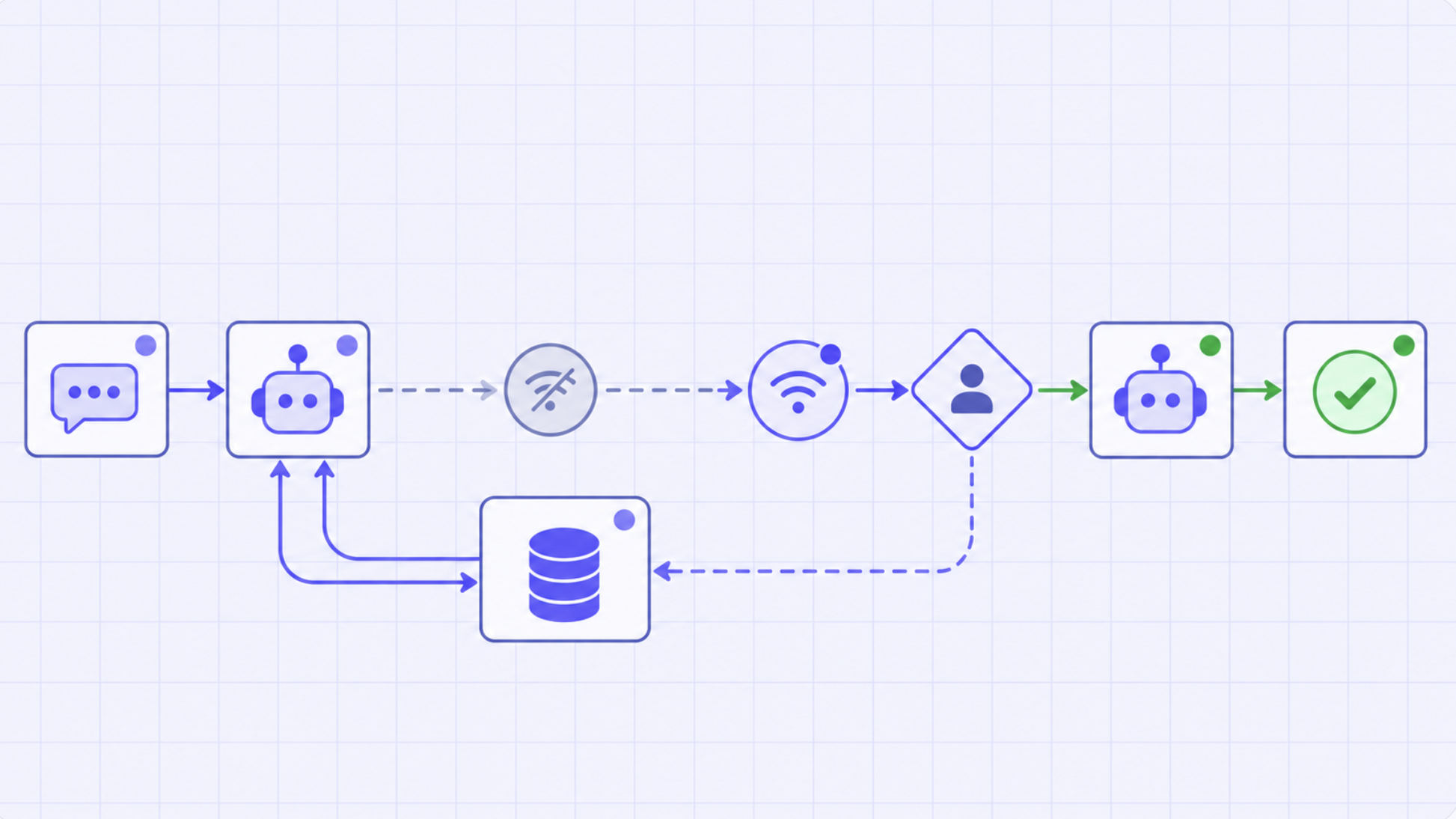
Here is where TrueFoundry fits, and the fit is the post's thesis made operational: once beneficial-by-proof becomes beneficial-by-test, self-evolution is a deployment pipeline — propose, validate, promote, observe — and most of that pipeline can be assembled from machinery a governed plane provides, with one distinction we will keep explicit throughout: some of what follows is documented product capability, and some is reference architecture built on it. Walk the loop. Changes land as versions, never as mutations (documented capability). TrueFoundry's prompt management creates a new version on every edit, preserves prior versions with a stable identifier, supports history and side-by-side diffs, rolls back and forward, and pins specific versions to specific apps or environments — so the agent (or its improvement loop) can propose version N+1 while the version that serves traffic remains a deliberate, auditable, reversible selection rather than a file overwrite; the approval gate on publication is your release workflow's job, placed around the versioned artifact. Promotion is gated on evidence (reference architecture). Score the candidate against the incumbent — offline on a fixed evaluation set, then on live traffic through a connected evaluation system reading gateway traces — and promote on measured improvement, demote on regression: the pieces (versioned prompts, request-level traces, evaluation integrations, deployment controls) are documented, and the candidate-versus-incumbent promotion controller is the workflow you compose from them, with the evaluator outside the evolved thing and maintained by humans whose metric it is (online evaluation). High-impact changes get a human gate (workflow requirement, plus a documented runtime cousin). Your deployment process should require named-reviewer approval for self-changes touching regulated paths, tool wrappers, or the agent's operating constraints; separately — and documented — the Agent Harness can pause a running agent before designated sensitive tool calls and wait for an explicit approve-or-deny (tool-call approvals) — the harness governs what a running agent may do, while the release workflow governs what it may become. The floor is frozen relative to the agent. Guardrails at the gateway hooks, tool scopes at the MCP layer, budgets, and identity are not files in the agent's workspace — they are enforcement on the request path, which no memory curation, prompt rewrite, or skill edit can touch, provided neither the agent nor its improvement loop holds administrative credentials to the control plane and policy changes flow through a separately authorized path (guardrails; TBAC). Identity and lineage persist across versions (implementation requirement). Keep version 47 the same accountable principal as version 1 — same owner, same envelope — and propagate the deployed prompt, skill, or configuration version onto every request as trace metadata, so the traces answer "which version acted" and the registry answers "what changed between any two": a diff plus an eval record, not a mystery (analytics). And the improvement loop is itself governed: proposing and testing candidates burns real tokens — improvement traffic is exactly the kind of compounding background load our token-explosion analysis measures — so the loop that evolves agents carries its own identity and budget, and the outermost watchdog watching it is one no inner loop can switch off. The pattern, compressed: let the agent propose; let the pipeline decide; let the floor never move.
Scope and candor. This post is about bounded self-refinement in enterprise estates — the "already industrial practice" of the cited taxonomy — and takes no position on open-ended recursive self-improvement, superintelligence timelines, or the AGI questions the same literature debates; the research findings (the two-axis taxonomy, the DGM mechanism and its quoted concession, the evolution surfaces, collapse dynamics) are paraphrased from the cited papers, with one sub-fifteen-word quotation attributed inline, and readers should weight the originals. The promotion-pipeline playbook is TrueFoundry editorial; none of the cited authors evaluates or endorses TrueFoundry, and our interest is the recurring, disclosed one — we sell several components the playbook can use (the prompt registry, gateway enforcement, budgets, identity controls, and traces) and integrate with evaluation systems, while the promotion controller and release-approval workflow described here are reference architecture rather than a single shipped feature — bounded by the same test as always: the playbook's logic (version, gate, freeze the floor) is executable on any stack with those properties. One status note for precision: the prompt registry's versioning, diffs, rollback, and pinning are documented product capability; evaluation-gated automatic promotion is a reference workflow composed from those capabilities plus connected evaluation and deployment controls, not a shipped promotion controller; and the harness approval step is documented for sensitive tool calls at runtime, not for prompt publication. Three limits against the thesis. First, eval-gated promotion is only as good as the evals — the evaluator is itself a surface that must improve, and the regress terminates only at humans owning the outermost objective; no pipeline automates away deciding what "better" means. Second, the frozen floor governs the request path; a self-modified skill that behaves pathologically within its unchanged scopes is caught by evaluation and tracing, not prevented by enforcement — the layers reduce blast radius, they do not abolish it. Third, the field is moving fast and asymmetrically: what is research-grade today (weight-level self-modification) may be a product feature next year, and this playbook will need its own new versions — which is, we suppose, the topic agreeing with itself. What we will claim plainly: self-evolution has crossed from paper to practice in its bounded form, the field's own foundations say its changes can only be validated empirically, and empirical validation of changes to production actors is a discipline enterprises already know — it is called a release process, and the estates that thrive with self-evolving agents will be the ones that gave the evolution a pipeline and kept the floor out of its reach.
One direct quotation under fifteen words is used, from the cited Darwin Gödel Machine paper, attributed inline; all other research findings are paraphrased from the cited papers, and this post takes no position on artificial general intelligence or superintelligence questions. The four-surface sorting, the promotion-pipeline playbook, and the frozen-floor requirement are TrueFoundry editorial; the cited authors do not evaluate or endorse TrueFoundry, and our commercial interest is disclosed in the text. Product capabilities are paraphrased from public documentation current at the time of writing; the product images are TrueFoundry's own documentation assets, reproduced with attribution.
TrueFoundry AI Gateway delivers ~3–4 ms latency, handles 350+ RPS on 1 vCPU, scales horizontally with ease, and is production-ready, while LiteLLM suffers from high latency, struggles beyond moderate RPS, lacks built-in scaling, and is best for light or prototype workloads.





As últimas notícias, artigos e recursos enviados para sua caixa de entrada
.png)
.png)
.png)
.png)
.png)
.png)
.png)
.png)
.png)
.png)
.png)


