.png)
|
5 min de lecture


Accédez instantanément à un environnement TrueFoundry en direct. Déployez des modèles, acheminez le trafic LLM et explorez la plateforme complète : votre sandbox est prête en quelques secondes, aucune carte de crédit n'est requise.



Published: June 18, 2026
.webp)
Une méthode incroyablement rapide pour créer, suivre et déployer vos modèles !
Enterprise AI spend is rising because production AI usage now moves far beyond simple model calls. Teams run copilots, internal search, agent workflows, customer support assistants, data pipelines, and GPU-backed model deployments. Each workload creates different spend patterns across tokens, compute, storage, and model providers.
The problem is not that artificial intelligence is always expensive. The problem is that AI spend becomes visible after inference requests execute, GPU hours are charged, and invoices are issued. This makes post-event dashboards useful for analysis, but weak for active cost management.
The best AI cost-optimization tools in 2026 take a more robust approach. They help enterprises move from reactive reporting toward proactive cost enforcement, better attribution, intelligent routing, semantic caching, and agent-level controls. These capabilities matter as AI agents create multi-step workflows that can multiply inference usage fast.
This guide compares leading platforms for AI cost optimization by what they optimize, where they work, and what they miss. It also explains why TrueFoundry is a stronger option for enterprises that need cost controls at the AI Gateway layer, before spend actually happens.
.webp)
Not all AI cost optimization tools address the same problem. Some provide transparency into where costs are going. Some optimize the efficiency of cloud infrastructure. Very few actually control inference spend before it accumulates. Best-in-class AI cost optimization platforms must address five key dimensions.
These AI cost optimization tools solve different parts of the enterprise AI spend problem. The strongest options prevent waste before execution, while others focus on post-event attribution, infrastructure efficiency, or cloud spend reporting.
.webp)
TrueFoundry'sAI gateway addresses AI cost optimization from the infrastructure layer inward. Rather than analyzing costs after execution, TrueFoundry intercepts every request before it reaches any model, applying budget enforcement, routing decisions, and caching at the gateway layer where costs can actually be controlled.
TrueFoundry is purpose-built for large enterprise teams that need cost optimization enforced at the inference, agent, and MCP tool invocation layers from a single governed control plane. It is the right fit for organizations in regulated industries where governance, ROI accountability, and data sovereignty are non-negotiable requirements.
.webp)
CloudZero helps finance and engineering teams understand how AI infrastructure costs allocate to product features and customers. The platform provides unit economics visibility across cloud environments, connecting infrastructure spend to revenue and gross margin. It surfaces cost-per-request attribution and margin trends, though it observes rather than controls spend at the model execution layer.
CloudZero does not enforce spend controls before model requests execute. The platform observes and analyzes AI cost-optimization opportunities after they occur, so budget overruns must be detected and addressed rather than prevented at the execution layer.
Finance and engineering teams that need unit economics visibility and cost-per-feature attribution across AI workloads, particularly where connecting AI infrastructure spend to business outcomes and ROI is the primary requirement.
.webp)
Vantage offers centralized AI spend visibility across multiple cloud providers, giving teams insight into spend trends across all environments from a unified dashboard. The platform tracks token usage across providers and supports multi-cloud cost management reporting. It does not enforce budget limits before model execution or apply semantic caching and routing to reduce inference costs proactively.
Vantage does not control AI costs before model execution occurs. The platform provides no runtime budget enforcement, no per-request semantic caching, and no intelligent model routing to reduce inference spend before it accumulates.
FinOps and platform teams managing multi-cloud AI workloads who need unified observability across providers without building custom cost aggregation pipelines.
.webp)
.webp)
nOps optimizes AWS cloud costs with a focus on reducing AI infrastructure waste through automated compute recommendations. The platform applies AI-driven recommendations for spot instances, rightsizing, and savings plans across AWS environments. It does not address model-level inference spend, token attribution, or AI cost optimization at the request layer.
nOps does not optimize model-level inference spend, perform per-request cost attribution, or apply inference-level cost optimization governance. Its value is concentrated on AWS compute infrastructure rather than the token and model usage layer where most AI cost growth occurs.
Infrastructure engineers managing AI applications hosted on AWS who need automated compute cost efficiency through spot-instance migration and resource-management rightsizing.
.webp)
Sedai automates cloud and Kubernetes infrastructure optimization in an autonomous manner, applying continuous resource adjustments without manual engineering intervention. The platform optimizes scalability and resource management across cloud environments but does not address inference-level spend, token attribution, or model routing for AI cost optimization at the request layer.
Sedai optimizes infrastructure but does not address inference-level spend optimization. Teams running managed LLM API workloads will find no direct value in Sedai's cost-optimization capabilities at the model invocation and token-usage layers.
Teams managing self-hosted AI applications on Kubernetes who need autonomous compute resource management without continuous manual tuning of infrastructure configurations.
.webp)
Holori is a cloud FinOps platform that helps teams identify cost optimization opportunities across multi-cloud environments. It surfaces resource inventory insights, identifies infrastructure inefficiencies, and provides multi-cloud cost management reporting. Like other cloud FinOps AI cost optimization platforms, Holori does not address LLM inference-level spend or model usage attribution at the request layer.
Holori does not optimize LLM inference-level spend or provide per-request attribution for AI cost optimization. Teams looking to reduce token costs, apply semantic caching, or enforce model-level budgets will need additional tooling beyond what Holori provides.
FinOps teams managing multi-cloud AI infrastructure who need unified observability and cost management across cloud providers with infrastructure-level savings recommendations.
.webp)
Even the most advanced AI cost optimization tools often miss critical dimensions of cost management, because their primary value is monitoring costs post-execution rather than controlling them pre-execution. Below are the areas where most AI cost optimization platforms fall short.
Poor data quality can increase repeated retrieval, longer prompts, and unnecessary model calls across enterprise AI workflows. Teams also need to detect cost anomalies before invoices arrive, especially when agents, GPUs, and provider usage spike suddenly. This gives engineering leaders and CFOs clearer ownership across OpenAI, Anthropic, NVIDIA GPU infrastructure, and self-hosted model deployments.
.webp)
AI cost optimization tools in 2026 fall into two functional categories: visibility tools and enforcement tools. Both categories serve a purpose, but they address fundamentally different problems at different points in the cost lifecycle. Visibility tools explain where spend went. Enforcement tools prevent unnecessary spending.
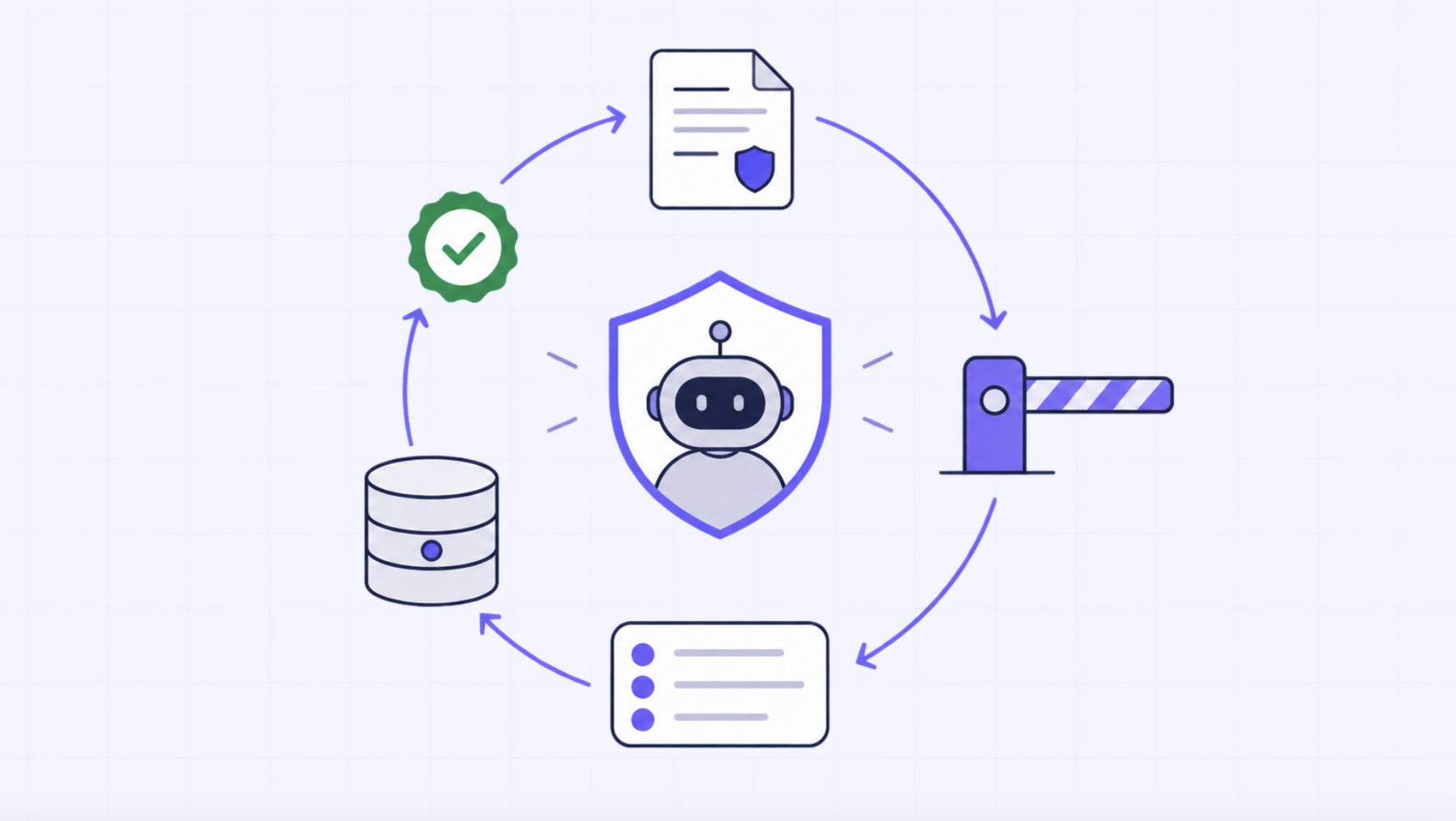
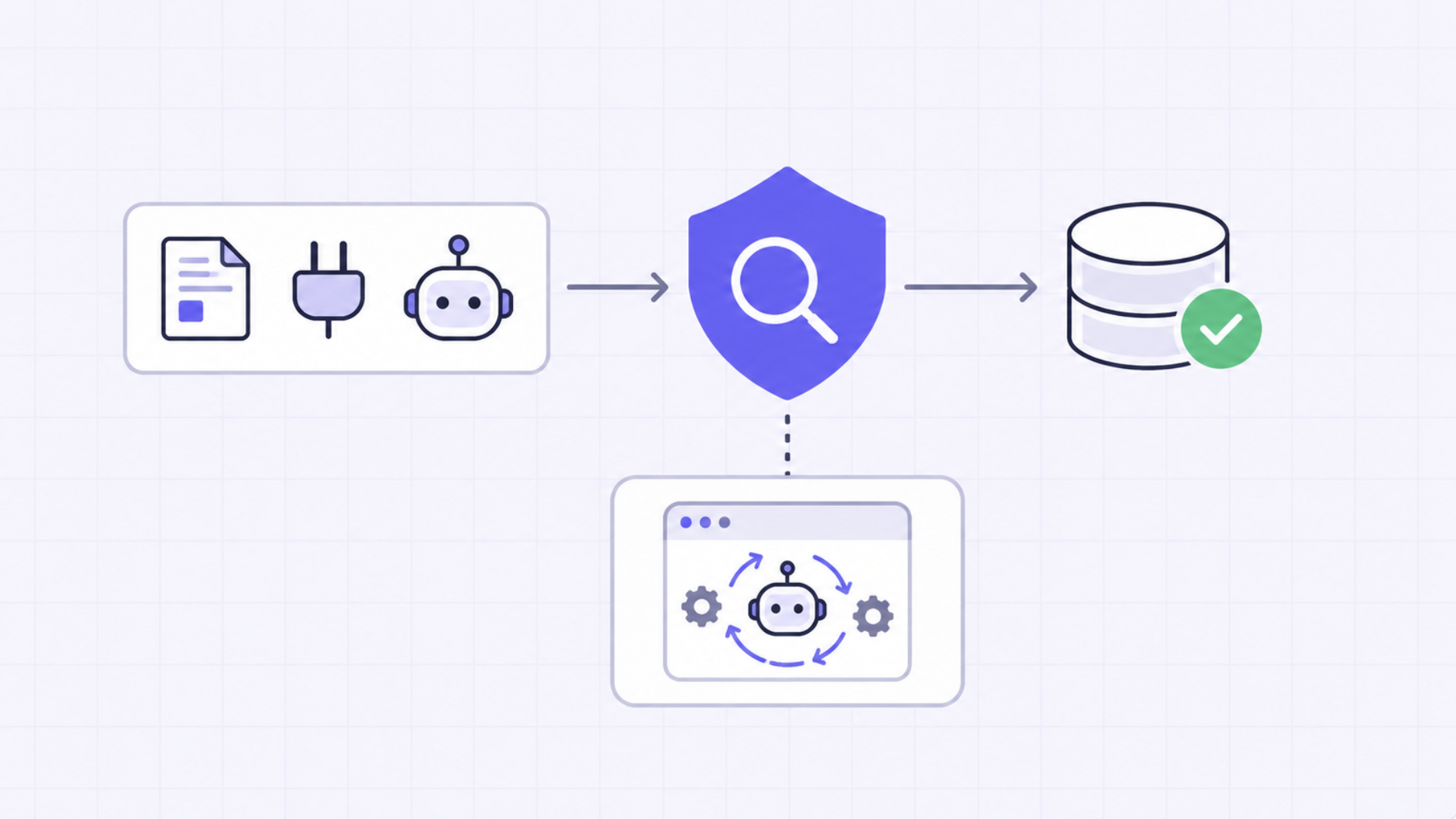
The most impactful cost optimization happens at the execution layer, where requests can be routed to the appropriate model, repeated queries can be served from cache, and budgets can be enforced before any token is consumed. This is where real cost efficiency is achieved for enterprise AI deployments, not after receiving the monthly invoice.
TrueFoundry's AI gateway platform provides that enforcement layer, helping enterprises govern inference, agentic workflows, and MCP tool invocations through a unified control plane deployed inside the enterprise's own cloud environment. The MCP gateway and Agent gateway extend cost governance to tool connections and agent workflows.
Book a demo to see how TrueFoundry controls AI costs across models, agents, MCP tools, and enterprise workflows.
.webp)
TrueFoundry AI Gateway offre une latence d'environ 3 à 4 ms, gère plus de 350 RPS sur 1 processeur virtuel, évolue horizontalement facilement et est prête pour la production, tandis que LiteLM souffre d'une latence élevée, peine à dépasser un RPS modéré, ne dispose pas d'une mise à l'échelle intégrée et convient parfaitement aux charges de travail légères ou aux prototypes.





Les dernières nouvelles, articles et ressources envoyés dans votre boîte de réception
.png)
.png)
.png)
.png)
.webp)
.webp)