Erhalten Sie sofortigen Zugriff auf eine TrueFoundry-Live-Umgebung. Stellen Sie Modelle bereit, leiten Sie den LLM-Verkehr weiter und erkunden Sie die gesamte Plattform — Ihre Sandbox ist in Sekundenschnelle einsatzbereit, ohne dass eine Kreditkarte erforderlich ist.
9,9
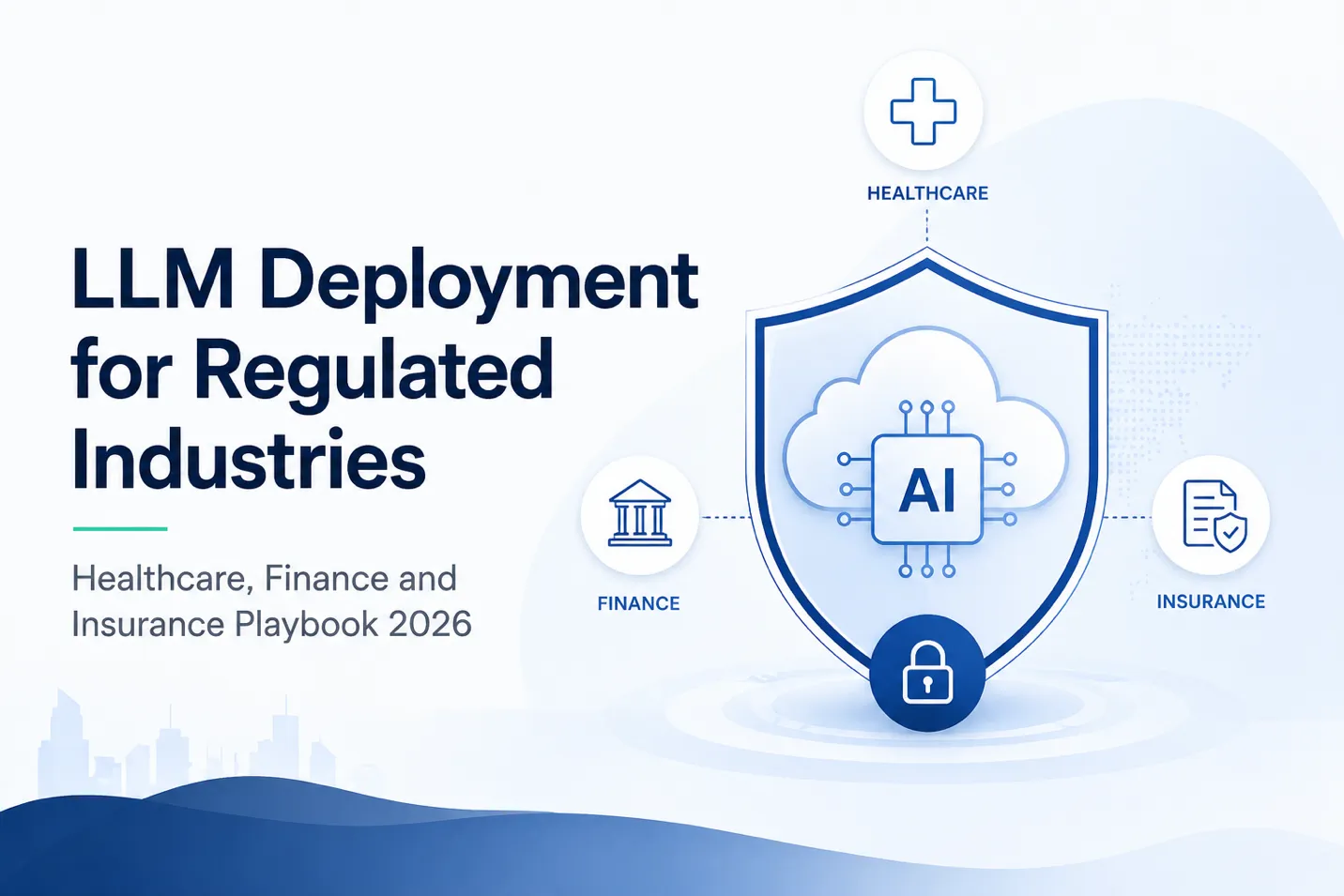
LLM-Bereitstellung in regulierten Branchen: HIPAA-, SOC2- und GDPR-Playbook für 2026
Die technische Herausforderung bei der Bereitstellung eines großen Sprachmodells in einem regulierten Unternehmen ist nicht primär ein Problem des maschinellen Lernens. Die Modelle existieren, sie funktionieren und sind leistungsfähig genug für ernsthafte klinische, finanzielle und versicherungstechnische Anwendungsfälle. Die Herausforderung liegt in der Architektur rund um das Modell: Wer kontrolliert die Daten, wohin sie fließen, was protokolliert wird, wer den Anbieter genehmigt hat und wie das Compliance-Team all dies einer Aufsichtsbehörde nachweisen kann.
Medtronic, mit 90.000 Mitarbeitern und FDA-regulierten Geräteportfolios, setzt KI in der Produktion ein. Innovaccer verarbeitet geschützte Gesundheitsinformationen in großem Umfang innerhalb einer gesteuerten klinischen Intelligenzplattform. Aviva, die unter der britischen GDPR operiert, nutzt KI in allen Versicherungsworkflows. Siemens Healthineers hat KI gleichzeitig in mehreren regulatorischen Gerichtsbarkeiten implementiert. Dies sind keine Machbarkeitsstudien. Es handelt sich um unternehmensweite Produktionsbereitstellungen, die die rechtliche, Compliance- und IT-Sicherheitsprüfung bestanden haben.
Die Architektur, die jede dieser Bereitstellungen ermöglichte, ist Gegenstand dieses Playbooks. Es behandelt die spezifischen regulatorischen Anforderungen für das Gesundheitswesen, Finanzdienstleistungen und Versicherungen, die technischen Entscheidungen, die diese Anforderungen bedingen, und wie eine gesteuerte, VPC-isolierte Bereitstellung in der Praxis für Teams aussieht, die sich auf denselben Genehmigungsprozess vorbereiten.
Was die KI-Bereitstellung in regulierten Branchen unterscheidet
Die Unterschiede zwischen regulierter und unregulierter KI-Bereitstellung sind nicht primär technischer Natur. Die zugrunde liegenden Modelle sind dieselben. Der Unterschied liegt in der rechtlichen Verpflichtung, der Verantwortlichkeitsstruktur und dem Prüfaufwand, und diese Faktoren verändern die Architektur-Entscheidungen von Grund auf.
Regeln zur Datenverarbeitung werden extern festgelegt. In regulierten Umgebungen werden zulässige Datennutzungen durch Gesetze definiert, nicht durch technische Einschätzung. Ein KI-System, das Patientenakten an eine externe API sendet, kann technisch elegant sein und gleichzeitig einen HIPAA-Verstoß darstellen. Die technische Raffinesse der Implementierung ist für den rechtlichen Standard irrelevant. Entscheidend ist, wohin die Daten gelangten und ob dies autorisiert war.
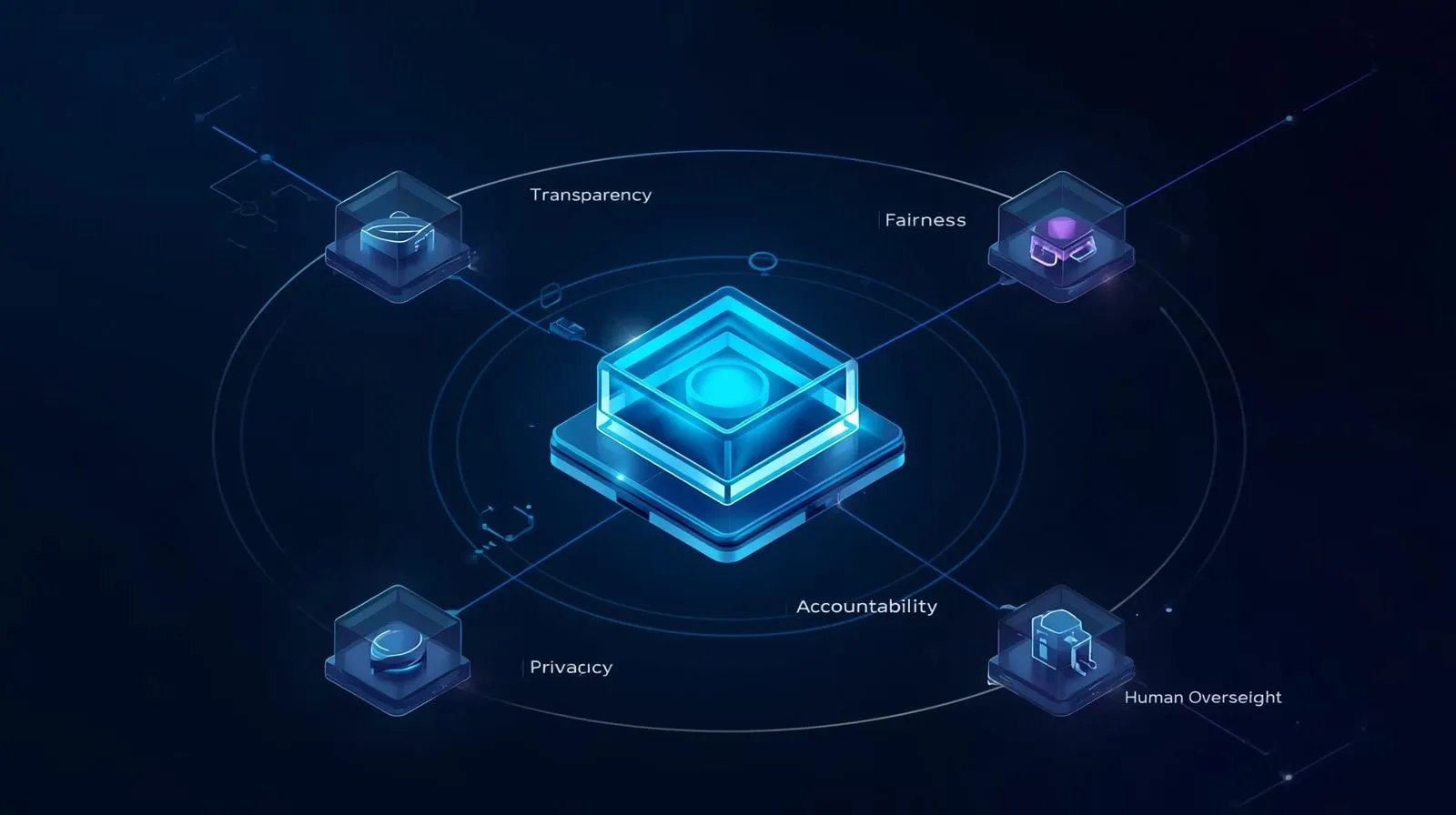
KI-Systeme fallen nun in den Geltungsbereich der behördlichen Prüfung. Aufsichtsbehörden im Gesundheitswesen, bei Finanzdienstleistungen und Versicherungen erwarten zunehmend von Organisationen, zu dokumentieren, auf welche Daten ihre KI-Systeme zugegriffen haben, welche Entscheidungen diese Systeme beeinflussten, wer die Bereitstellung autorisiert hat und wie der menschliche Überwachungsprozess aussah. Die HIPAA-Sicherheitsregel verlangt angemessene Schutzmaßnahmen, einschließlich Verschlüsselung im Ruhezustand und während der Übertragung, basierend auf einer Risikobewertung. Die Beweislast für die Einhaltung liegt jederzeit bei der Organisation.
Ihr KI-Anbieter fällt in Ihren Compliance-Bereich. Jeder Anbieter, der geschützte Gesundheitsinformationen in Ihrem Namen erstellt, empfängt, verwaltet oder übermittelt, ist ein Business Associate gemäß HIPAA und benötigt rechtlich eine unterzeichnete BAA, bevor PHI deren Infrastruktur berührt. Die meisten standardmäßigen öffentlichen LLM-API-Angebote sind standardmäßig nicht BAA-abgedeckt und erfordern Unternehmensvereinbarungen oder alternative Bereitstellungsmodelle. AWS Bedrock und Azure OpenAI Service bieten BAA-berechtigte Optionen mit spezifischen Konfigurationsanforderungen an, aber die Berechtigung ist nicht gleichbedeutend mit Compliance.
Datenresidenz kann SaaS-Optionen vollständig ausschließen. Ein europäisches Versicherungsunternehmen, das durch die GDPR abgedeckte personenbezogene Daten verarbeitet, kann diese Daten rechtlich nicht über eine US-basierte Infrastruktur leiten, ohne entweder eine Vereinbarung über Standardvertragsklauseln oder einen anderen genehmigten GDPR-Übertragungsmechanismus zu haben. Viele SaaS-KI-Gateway-Produkte sind in den USA ansässig, was bedeutet, dass die Dokumentation für den Datentransfer von der EU in die USA abgeschlossen sein muss, bevor eine technische Bereitstellung beginnt. Für einige Organisationen und bestimmte Datentypen schließt dies die SaaS-Option vollständig aus.
Audit-Trails sind nicht optional, und strukturierte sind besser. Jeder Zugriff auf regulierte Daten, einschließlich KI-gestützter Zugriffe, muss einen Audit-Eintrag erzeugen. Für HIPAA muss dieser Eintrag Zeitstempel, Identität des Zugreifenden, die durchgeführte Aktion und einen Verweis auf die zugegriffenen PHI enthalten. KI-Systeme, die diese Einträge automatisch im strukturierten JSON-Format generieren, sind einsetzbar. Systeme, die eine manuelle Log-Korrelation im Nachhinein erfordern, schaffen Compliance-Lücken, die von Aufsichtsbehörden nicht als gleichwertig akzeptiert werden.
Gesundheitswesen: HIPAA-Anforderungen für LLM-Bereitstellungen
HIPAA deckt jedes System ab, das geschützte Gesundheitsinformationen verarbeitet. Eine LLM-Bereitstellung fällt in den Geltungsbereich, wenn das Modell PHI in Prompts empfangen kann, wenn PHI im Kontext der Retrieval-Augmented Generation, der an das Modell übergeben wird, erscheint oder wenn Modellausgaben Entscheidungen über einzelne Patienten beeinflussen. Die Zusammenfassung klinischer Notizen, die Analyse von Patientenakten, diagnostische Hilfsmittel und die Unterstützung bei der Vorabgenehmigung fallen alle in diesen Bereich.
Drei HIPAA-Regeln prägen die Architektur der LLM-Bereitstellung direkt. Die Privacy Rule regelt, wofür PHI verwendet werden darf und wer darauf zugreifen kann, einschließlich des „Minimum Necessary“-Standards, der die Datenexposition auf das für die spezifische Aufgabe erforderliche Maß beschränkt. Die Security Rule verlangt administrative, physische und technische Schutzmaßnahmen für elektronische PHI, einschließlich Zugriffskontrollen, Audit-Protokollierung und Übertragungssicherheit. Die Breach Notification Rule legt fest, was passiert, wenn Kontrollen versagen. Alle drei haben technische Implementierungsanforderungen, die sich in der Gestaltung der KI-Infrastruktur zeigen, nicht nur in den Richtliniendokumenten.
PHI-Isolation: Warum die meisten Cloud-LLM-APIs für klinische Anwendungsfälle ungeeignet sind
Standard-API-Angebote für Endverbraucher von OpenAI, Anthropic und Google sind im Allgemeinen nicht für HIPAA-regulierte Arbeitslasten konzipiert und bieten typischerweise keine Business Associate Agreements (BAAs) für ihre öffentlichen Endpunkte an. Wenn PHI an einen Drittanbieterdienst übermittelt wird, der als Geschäftspartner agiert, ohne dass ein BAA vorliegt, stellt dies einen Verstoß gegen die HIPAA-Compliance dar. Dies ist eine der häufigsten Fehlerquellen bei frühen KI-Implementierungen in Unternehmen, die schneller voranschreiten als ihre Anbieter-Governance-Prozesse.
AWS und Microsoft bieten beide HIPAA Business Associate Agreements an, die bestimmte berechtigte Dienste innerhalb ihrer Plattformen abdecken. AWS schließt berechtigte Dienste in sein Standard-BAA ein, während Microsoft den Schutz über sein Online Services Data Protection Addendum bietet. Die Compliance hängt jedoch davon ab, dass nur die relevanten Dienste genutzt und korrekt konfiguriert werden. Verschlüsselung im Ruhezustand und während der Übertragung, Audit-Protokollierung und IAM-Kontrollen nach dem Prinzip der geringsten Rechte sind erforderlich. Die Unterzeichnung eines BAA ist eine Voraussetzung, nicht der Endzustand der Compliance.
Für klinische Anwendungsfälle, die PHI betreffen, bietet die VPC-isolierte oder selbst gehostete Modellbereitstellung die sauberste architektonische Abgrenzung. Wenn Modelle innerhalb des eigenen Cloud-Kontos der Organisation ausgeführt werden, bleibt PHI innerhalb des Unternehmensperimeters und wird externen Modell-Anbietern nicht zugänglich gemacht. Dies macht ein separates BAA mit einem Drittanbieter für Modell-APIs überflüssig, obwohl ein BAA mit dem zugrunde liegenden Cloud-Anbieter (z. B. AWS oder Azure) als Teil der gesamten Compliance-Strategie weiterhin erforderlich ist.
Für Organisationen, die externe Modell-APIs in begrenzten Szenarien nutzen müssen, kann Datenmaskierung oder De-Identifizierung ein praktikables Muster sein. Sensible Felder werden entfernt oder tokenisiert, bevor die Anfrage gesendet wird, und erst nach Erhalt der Antwort innerhalb der kontrollierten Umgebung rekonstruiert. Damit dies konform ist, muss die Transformation sicherstellen, dass keine identifizierbaren PHI dem externen Dienst zugänglich gemacht werden, und der Prozess muss dokumentiert, validiert und für Auditoren als Teil der Compliance-Kontrollen der Organisation nachweisbar sein.
HIPAA-Anforderungen an Audit-Protokolle für KI-Systeme
Die HIPAA-Sicherheitsregel verlangt von abgedeckten Einheiten und Geschäftspartnern die Implementierung von Audit-Kontrollen, die Aktivitäten in Systemen, die elektronische PHI verarbeiten, aufzeichnen und überprüfen. In der Praxis bedeutet dies, dass Systeme Protokolle generieren müssen, die Zugriffsereignisse so erfassen, dass sie Untersuchungen und Rechenschaftspflicht unterstützen. Obwohl die Verordnung keine exakten Felder vorschreibt, umfassen branchenübliche Implementierungen Zeitstempel, Benutzer- oder Systemidentität, die durchgeführte Aktion und die aufgerufenen Daten oder das System. Für LLM-Implementierungen erstreckt sich dies auf die Erfassung, welcher Benutzer oder Agent eine Anfrage initiiert hat, welches Modell sie verarbeitet hat und ausreichenden Kontext, um das Geschehene zu rekonstruieren. Aggregierte Nutzungsmetriken allein reichen nicht aus, um Audits oder Vorfalluntersuchungen zu unterstützen.
HIPAA verlangt, dass Dokumentationen zu Sicherheitskontrollen, einschließlich Audit-Aufzeichnungen, wo zutreffend, für mindestens sechs Jahre aufbewahrt werden. Darüber hinaus müssen Systeme Integritätskontrollen implementieren, um Protokolle vor unbefugter Änderung oder Löschung zu schützen. In der Praxis wird dies oft durch manipulationssichere Speichermechanismen wie Write-Once-Read-Many (WORM)-Konfigurationen, strenge Zugriffskontrollen und zentralisierte Protokollverwaltungssysteme erreicht, die eine Änderung durch operative Teams verhindern.
HIPAA verlangt Mechanismen zur eindeutigen Identifizierung und Authentifizierung von Benutzern, die auf Systeme mit ePHI zugreifen. Folglich müssen Audit-Protokolle in der Lage sein, Zugriffsereignisse einer bestimmten Person oder Systemidentität zuzuordnen. Implementierungen, die sich ausschließlich auf gemeinsam genutzte Dienstkonten oder API-Schlüssel ohne Benutzerzuordnung verlassen, schaffen Lücken in der Rechenschaftspflicht und erschweren die Erfüllung von Audit- und Untersuchungsanforderungen. In modernen KI-Systemen erfordert dies typischerweise die Integration identitätsbasierter Zugriffskontrollen, damit über Agenten oder Gateways ausgeführte Aktionen dem ursprünglichen Benutzer zugeordnet werden können.
Anforderungen an die Zugriffskontrolle
HIPAA verlangt, dass der Zugriff auf PHI durch technische und administrative Schutzmaßnahmen kontrolliert wird, einschließlich eindeutiger Benutzeridentifikation, Authentifizierung und rollenbasierter Zugriffskontrollen. Darüber hinaus setzt die Datenschutzregel den „Minimum Necessary“-Standard für die Nutzung und Offenlegung von PHI durch. In der Praxis bedeutet dies, dass der Zugriff über einen dokumentierten Prozess bereitgestellt und verwaltet werden muss, wobei die Berechtigungen an die Rolle des Benutzers angepasst sind. Für KI-Systeme hat dies zwei Implikationen. Erstens sollte der Zugriff über den Identitätsanbieter der Organisation an individuelle Identitäten gebunden sein, nicht an gemeinsam genutzte API-Schlüssel, die nicht bestimmten Benutzern zugeordnet werden können. Zweitens müssen rollenbasierte Kontrollen sicherstellen, dass Benutzer nur auf KI-Funktionen zugreifen können, die ihrer Funktion entsprechen, z. B. die Trennung von Abrechnungs-Workflows von klinischen Workflows mit unterschiedlicher PHI-Exposition.
Der „Minimum Necessary“-Standard gilt für die Verwendung von PHI innerhalb eines Systems, nicht nur dafür, welcher Benutzer den Zugriff initiiert. In KI-Systemen erstreckt sich dies auf die Daten, die in Modell-Prompts und Kontext enthalten sind. Das Übergeben vollständiger Patientenakten, wenn nur eine Untermenge strukturierter Felder erforderlich ist, entspricht möglicherweise nicht dem „Minimum Necessary“-Prinzip. Obwohl HIPAA nicht explizit definiert, wie dies auf KI-Prompts anzuwenden ist, wird von Organisationen erwartet, die PHI-Exposition auf das für die Aufgabe erforderliche Maß zu beschränken. Die Durchsetzung auf der Infrastrukturebene, beispielsweise durch ein KI-Gateway, das kontextsensitive Datenrichtlinien basierend auf Benutzerrolle und Anwendungsfall anwendet, ist ein Ansatz, um eine konsistente Einhaltung sicherzustellen, anstatt sich auf eine Implementierung auf Anwendungsebene zu verlassen.
Finanzdienstleistungen: SOC2 und regulatorische Anforderungen für LLM-Implementierungen
Finanzdienstleistungsunternehmen, die LLMs einsetzen, stehen vor einem vielschichtigen regulatorischen Umfeld. SOC2 Typ II-Anforderungen gelten für die Technologieinfrastruktur. Die Leitlinien von OCC, Federal Reserve und FINRA zu KI und Modellrisiko gelten für Modelle, die bei Finanzentscheidungen verwendet werden. Und die Bestimmungen des EU-KI-Gesetzes für Hochrisiko-KI-Systeme, die für EU-Operationen ab August 2026 durchsetzbar sind, fügen eine weitere Ebene für internationale Organisationen hinzu. Diese Rahmenwerke überschneiden sich auf eine Weise, die spezifische Architekturanforderungen für KI-Gateway- und Modellbereitstellungsinfrastrukturen schafft.
SOC2 Typ II-Kontrollen für KI-Infrastruktur
KI-Gateways und Modellbereitstellungsplattformen, die Finanzdaten verarbeiten, fallen in den Geltungsbereich von SOC2 Typ II-Bewertungen, wenn sie Daten oder Systeme berühren, die vom Audit abgedeckt sind. Die relevanten Trust Service Criteria sind CC6 (logische und physische Zugriffskontrollen), CC7 (Überwachung des Systembetriebs), CC8 (Änderungsmanagement) und CC9 (Risikominderung). Jedes Kriterium erfordert spezifische technische Kontrollen, die im oder neben dem KI-Gateway vorhanden sein müssen.
Der häufigste SOC2-Befund bei KI-Gateway-Implementierungen ist eine unzureichende Zugriffskontrolle auf API-Ebene: gemeinsam genutzte Dienstkonten, die den Zugriff nicht einzelnen Personen zuordnen können, in Quellcode gespeicherte API-Schlüssel oder KI-Plattformen, die die von CC6 geforderten feingranularen Zugriffskontrollen nicht unterstützen. Die Wahl einer Plattform, die sich in den Identitätsanbieter des Unternehmens integriert und RBAC auf Modell- und Teamebene durchsetzt, eliminiert diese Befunde, bevor der Audit-Zeitraum beginnt.
SOC2 Typ II erfordert einen kontinuierlichen Nachweis des Kontrollbetriebs über den Audit-Zeitraum, typischerweise sechs bis zwölf Monate. Das bedeutet, dass Audit-Protokolle kontinuierlich generiert und über den gesamten Zeitraum aufbewahrt werden müssen, nicht nur bei Bedarf, wenn Auditoren sie anfordern. KI-Gateway-Plattformen, die vom ersten Tag der Bereitstellung an strukturierte, kontinuierliche Protokolle erzeugen, sind wesentlich einfacher zu prüfen als Systeme, bei denen die Protokollierung nachträglich hinzugefügt wurde. Der Audit-Nachweis muss zeigen, dass die Kontrollen während des gesamten Zeitraums konsistent funktionierten, nicht nur zum Zeitpunkt des Audits.
Modellrisikomanagement (SR 11-7) für LLMs
Die Leitlinie SR 11-7 von OCC und Federal Reserve zum Modellrisikomanagement gilt für KI- und LLM-Modelle, die bei Kreditentscheidungen, Risikobewertungen und anderen regulatorisch relevanten Prozessen eingesetzt werden. Die Leitlinie fordert drei Dinge für jedes relevante Modell: Dokumentation von Zweck, Trainingsdaten und Testmethodik; unabhängige Validierung anhand definierter Leistungsstandards; und kontinuierliche Überwachung mit Leistungsverfolgung und Drift-Erkennung.
Für LLMs in Finanzdienstleistungen erstreckt sich die SR 11-7 Dokumentationspflicht auf die Infrastruktur, auf der das Modell läuft. Welches LLM von welchen Teams für welche Entscheidungen, zu welchen Kosten, mit welcher Latenz und welchem beobachteten Ausgabeverhalten verwendet wird, muss alles dokumentiert und für die behördliche Prüfung verfügbar sein. Ein KI-Gateway, das diese Daten automatisch im Rahmen seiner Standardprotokollierung erfasst, erstellt die Nachweise für die Modell-Dokumentation als Nebenprodukt des normalen Betriebs. Dies reduziert den sonst erheblichen manuellen Dokumentationsaufwand für jedes betroffene Modell.
Versicherung: Datenresidenz und DSGVO-Anforderungen
Versicherungsunternehmen, die in mehreren Rechtsräumen tätig sind, sehen sich Beschränkungen der Datenresidenz und des grenzüberschreitenden Datentransfers gegenüber, die KI-Architekturentscheidungen direkt einschränken. Die DSGVO, UK-DSGVO und die Datenschutzgesetze der US-Bundesstaaten enthalten alle Bestimmungen, die beeinflussen, wo und wie Kundendaten verarbeitet werden dürfen, einschließlich der Frage, ob sie zur Inferenz an eine KI-Modell-API gesendet werden dürfen.
DSGVO-Grundlage für die Datenverarbeitung: KI-Systeme, die personenbezogene Daten verarbeiten, müssen eine dokumentierte Rechtsgrundlage gemäß Artikel 6 DSGVO aufweisen. Für die meisten KI-Anwendungsfälle im Versicherungsbereich ist die Grundlage entweder ein berechtigtes Interesse oder die Erfüllung eines Vertrags. Beide erfordern, dass die Verarbeitung dokumentiert, verhältnismäßig zum Zweck und in der Datenschutzerklärung der Organisation offengelegt wird. KI-Systeme, die personenbezogene Daten ohne dokumentierte Rechtsgrundlage verarbeiten, schaffen ein direktes regulatorisches Risiko in einem Rahmen, in dem Bußgelder bis zu 4 % des weltweiten Jahresumsatzes erreichen können.
Beschränkungen des grenzüberschreitenden Datentransfers: Die Übermittlung personenbezogener Daten von EU-Bürgern an Nicht-EU-KI-Infrastrukturen erfordert entweder eine Vereinbarung auf Basis von Standardvertragsklauseln oder einen anderen genehmigten DSGVO-Übertragungsmechanismus. Viele KI-SaaS-Anbieter haben ihren Sitz in den USA. Die Compliance-Dokumentation für den Datentransfer zwischen der EU und den USA muss unter Einbeziehung der Rechtsabteilung abgeschlossen werden, bevor die technische Implementierung beginnt. Für bestimmte Datentypen und Risikotoleranzen von Organisationen erfordert diese Anforderung effektiv eine europäische oder vollständig VPC-isolierte Bereitstellung, bei der keine Daten die Jurisdiktionsgrenzen überschreiten.
Verzeichnis von Verarbeitungstätigkeiten gemäß Artikel 30: Die DSGVO verlangt von Organisationen, Verzeichnisse von Verarbeitungstätigkeiten zu führen, die KI-Systeme umfassen und den Verarbeitungszweck, Datenkategorien, gegebenenfalls internationale Übermittlungen und angewandte Sicherheitsmaßnahmen beschreiben. Audit-Logs von KI-Gateways liefern die Rohdaten für diese Verzeichnisse, müssen jedoch so konfiguriert werden, dass sie die erforderlichen Felder, einschließlich Datenkategorie, Verarbeitungszweck und Übertragungsziel, in einem Format erfassen, das das Compliance-Team auf Anfrage einem Regulierer vorlegen kann.
Recht auf Erklärung bei automatisierten Entscheidungen: Artikel 22 der DSGVO schränkt vollautomatisierte Entscheidungen ein, die Personen erheblich beeinträchtigen, und gewährt Einzelpersonen das Recht auf eine aussagekräftige Erklärung, wie die Entscheidung zustande kam. KI-Systeme im Versicherungsbereich, die bei der Underwriting- oder Schadenbearbeitung unterstützen, müssen von vornherein mit einer menschlichen Überprüfungsfunktion und der Generierung von Erklärungen in den Workflow integriert werden und dürfen nicht nachträglich hinzugefügt werden. Die Architekturentscheidung, wie KI-Empfehlungen an menschliche Entscheidungsträger gelangen, ist eine Compliance-Entscheidung und nicht nur eine Produktgestaltungsentscheidung.
Die VPC-isolierte Architektur: So sieht sie in der Praxis aus
Die VPC-isolierte LLM-Bereitstellung ist das Architekturmuster, das gleichzeitig die breiteste Palette von Anforderungen regulierter Branchen erfüllt. Die PHI-Isolation für HIPAA, Datenresidenz für die DSGVO, Netzwerksicherheitskontrollen für SOC2 und die operative Verantwortlichkeit für Finanzdienstleistungsregulierungsbehörden ergeben sich alle aus einer ordnungsgemäß implementierten VPC-Bereitstellung. Zu verstehen, was dies tatsächlich beinhaltet, ist das, was Compliance-, Infrastruktur- und Sicherheitsteams vor einem Genehmigungsgespräch benötigen.
KI-Gateway innerhalb des Perimeters: Das Gateway läuft als containerisierter Dienst innerhalb der VPC der Organisation. Alle LLM-API-Aufrufe werden über dieses interne Gateway geleitet. Keine Anwendung kommuniziert direkt mit einem externen Modell-Anbieter. Das Gateway ist die einzige Komponente mit Egress-Fähigkeit zu externen APIs, und dies nur, wenn die bereitgestellte Architektur den Zugriff auf externe Modelle für spezifische Anwendungsfälle erlaubt, die keine regulierten Daten betreffen. Bei vollständig isolierten Bereitstellungen ist selbst dieser Egress nicht vorhanden.
Modellbereitstellung innerhalb des Perimeters: Für HIPAA und strenge Anforderungen an die Datenresidenz läuft das LLM selbst innerhalb der VPC. AWS Bedrock, das innerhalb desselben AWS-Kontos aufgerufen wird, Azure OpenAI Service innerhalb eines Azure-Abonnements mit entsprechender BAA-Abdeckung oder selbst gehostete Open-Source-Modelle auf GPU-Infrastruktur innerhalb des Cloud-Kontos erfüllen alle diese Anforderung. Bei vollständig isolierten Bereitstellungen verlassen keine Modellinferenzdaten zu keinem Zeitpunkt des Anfragelife-Cycles die Cloud-Kontogrenze der Organisation.
Audit-Logs in kundeneigenem Speicher: Alle Audit-Logs werden in die eigene Logging-Infrastruktur der Organisation geschrieben: CloudWatch, Azure Monitor, Splunk oder ein vom Kunden spezifiziertes SIEM. Protokolldaten, die selbst regulierte Informationen enthalten können, werden niemals an den SaaS-Logging-Dienst eines Anbieters übertragen. Aufbewahrungsrichtlinien, Zugriffskontrollen und manipulationssichere Speicherkonfigurationen werden vom Compliance-Team der Organisation verwaltet, ohne von den Aufbewahrungseinstellungen eines Anbieters abhängig zu sein.
Kein Anbieterzugriff auf den Produktionsdatenverkehr: Bei einer ordnungsgemäß implementierten VPC-isolierten Bereitstellung verbleiben der Inferenz-Traffic im Produktionsbetrieb, Prompt-Inhalte und Modellantworten in der Cloud-Umgebung des Kunden, anstatt über die vom Anbieter verwaltete Infrastruktur geleitet zu werden. Dies reduziert die externe Sichtbarkeit sensibler Datenflüsse erheblich und entspricht den Anforderungen an Datenresidenz und Datenschutz. Der Support-Zugriff wird bei Bedarf über kontrollierte, zeitlich begrenzte „Break-Glass“-Verfahren mit ausdrücklicher Kundenzustimmung geregelt, anstatt über einen dauerhaften Zugriff. Diese Architektur minimiert das Risiko für den Anbieter in Bezug auf regulierte Daten im Produktionspfad, obwohl die Anbieterbeziehung für Plattformsoftware und Support im gesamten Compliance-Umfang der Organisation verbleibt.
Wie TrueFoundry die LLM-Bereitstellung in regulierten Branchen löst
TrueFoundry wird vollständig im Cloud-Konto des Kunden auf AWS, Azure oder GCP bereitgestellt. Keine Produktionsdaten, einschließlich Prompt-Inhalten, Modellantworten, MCP-Tool-Aufrufparametern oder Audit-Log-Daten, verlassen die Unternehmensgrenzen, um die Infrastruktur von TrueFoundry zu erreichen. Dies ist keine Bereitstellungsoption. Es ist die Standardarchitektur für Unternehmensbereitstellungen, kein Premium-Tier.
VPC-isolierte Bereitstellung standardmäßig: TrueFoundry wird mithilfe von Infrastructure-as-Code im eigenen Cloud-Konto des Kunden bereitgestellt. Das AI-Gateway, MCP-Gateway, die Management-UI und der Audit-Log-Speicher laufen alle innerhalb der Kundengrenzen. Vier Bereitstellungsoptionen decken das gesamte Spektrum ab, von vollständig verwaltetem SaaS ohne Infrastrukturkosten bis hin zu einer vollständigen Control Plane plus Gateway Plane innerhalb des Kundenkontos mit Infrastrukturkosten von ca. 800 bis 1.000 US-Dollar pro Monat. Für regulierte Workloads stellen die Optionen 3 und 4 sicher, dass keine Daten die Infrastruktur von TrueFoundry durchlaufen. Der TrueFoundry-Supportzugriff erfolgt über dokumentierte Break-Glass-Verfahren mit Kundenzustimmung.
Strukturierte Audit-Logs konform mit HIPAA, SOC2 und GDPR: Jeder LLM-Aufruf generiert einen strukturierten JSON-Audit-Log-Eintrag über den X-TFY-LOGGING-CONFIG-Header. Auf Gateway-Ebene stellt REQUEST_LOGGING_MODE: ALWAYS bei selbst gehosteten Bereitstellungen sicher, dass jede Anfrage ohne Konfigurationsdrift erfasst wird. Die Log-Felder umfassen Benutzeridentität, Modell, Token-Anzahl, Latenz, Kosten, Richtlinienentscheidung und Ausgabe. Logs werden über OpenTelemetry an Grafana, Datadog, Splunk oder jedes OTLP-kompatible SIEM exportiert. Bei selbst gehosteten Bereitstellungen werden Log-Daten im Parquet-Format mit konfigurierbarer Aufbewahrungsdauer in den eigenen AWS S3, GCS oder Azure Blob Storage des Kunden geschrieben. S3 Object Lock im WORM-Modus erfüllt die HIPAA-Anforderung an manipulationssichere Aufbewahrung für das Sechs-Jahres-Minimum.
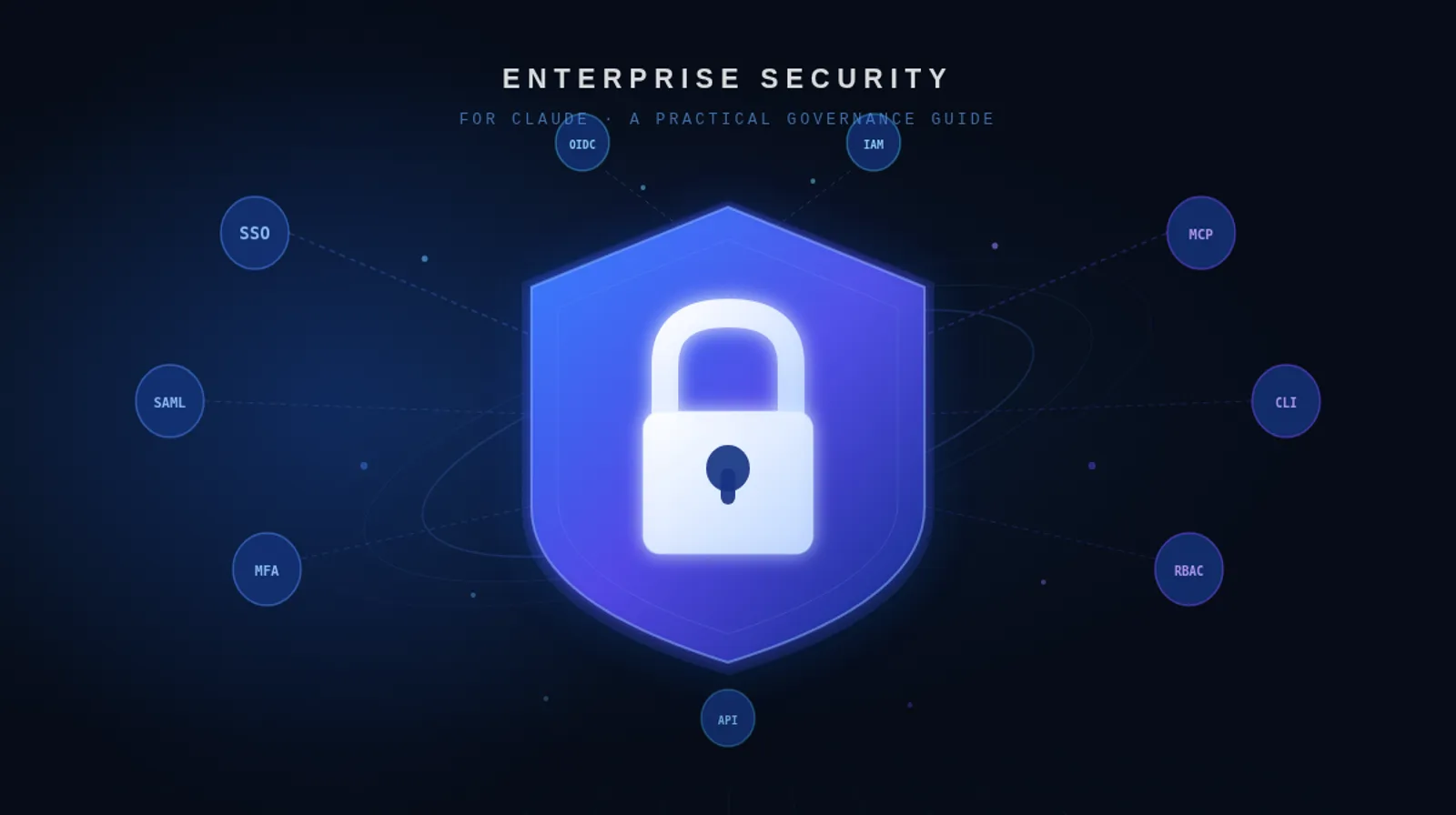
SSO-Integration mit klinischen und Unternehmens-Identitätssystemen: TrueFoundry integriert sich mit Okta, Azure Active Directory, PingFederate und jedem SAML 2.0- oder JWKS-kompatiblen Identitätsanbieter. Die Zugriffsverwaltung folgt dem standardmäßigen Identitäts-Lebenszyklusmanagementprozess der Organisation. Entwickler, die einem Team beitreten, erhalten über denselben IdP-Workflow Zugriff auf das AI-Gateway, der auch ihre anderen Systeme bereitstellt. Entwicklern, die das Unternehmen verlassen, wird der Zugriff über denselben Offboarding-Workflow entzogen. Es gibt kein separates AI-Gateway-Anmeldesystem, das unabhängig gewartet oder geprüft werden müsste.
Katalog genehmigter Modelle für regulierte Workloads: Plattformadministratoren definieren, welche Modelle für welche Datentypen und Anwendungsfälle zugelassen sind. Ein klinisches Team kann keine PHI-haltigen Prompts an ein nicht BAA-berechtigtes Modell weiterleiten, da das Gateway Modell-zu-Anwendungsfall-Richtlinien auf der Routing-Ebene durchsetzt, bevor die Anfrage die Perimeter verlässt. Diese Richtliniendurchsetzung erfolgt am AI-Gateway, nicht auf der Anwendungsebene, was bedeutet, dass sie konsistent angewendet wird, unabhängig davon, welche Anwendung oder welcher Agent die Anfrage initiiert.
Verifizierte Produktionsbereitstellungen in regulierten Branchen: Medtronic, mit FDA-regulierten Medizinprodukteportfolios, betreibt TrueFoundry im Produktionsbetrieb. Siemens Healthineers setzt es in globalen Medizintechnik-Operationen mit regulatorischer Exposition in mehreren Jurisdiktionen ein. Innovaccer verarbeitet monatlich etwa 17 Millionen klinische KI-Inferenzanfragen innerhalb von AWS GovCloud unter HIPAA, wobei keine Daten ihre Cloud-Grenzen verlassen, und nutzt dabei das TrueFoundry-Gateway mit OpenTelemetry zur Speisung von Grafana-Dashboards. Aviva betreibt TrueFoundry für britische Versicherungsgeschäfte unter GDPR. ResMed nutzt es für digitale Gesundheitsanwendungen. Dies sind Produktionsbereitstellungen im Unternehmensmaßstab mit behördlicher Compliance-Freigabe, keine Pilotprojekte.
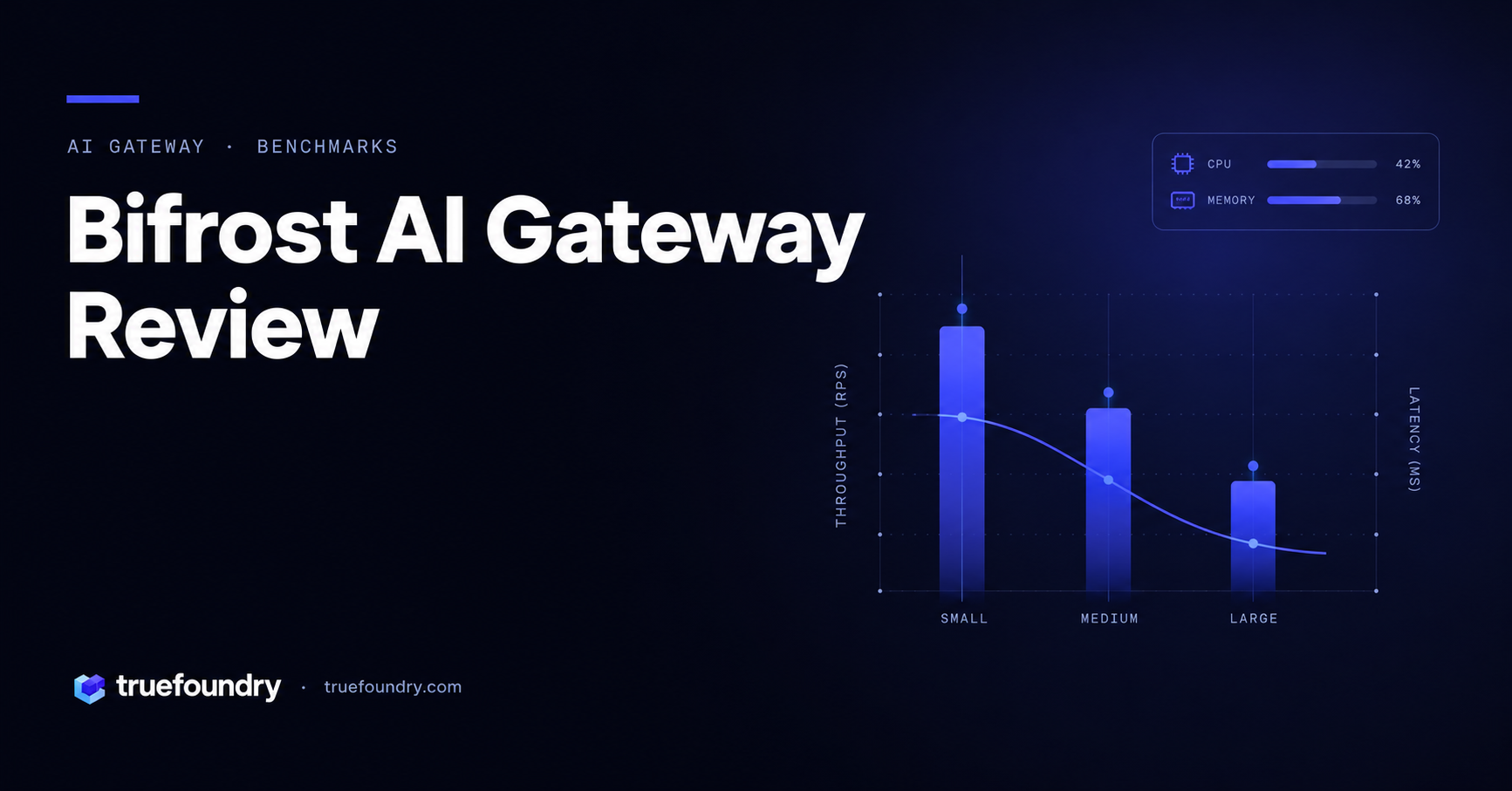
TrueFoundry AI Gateway bietet eine Latenz von ~3—4 ms, verarbeitet mehr als 350 RPS auf einer vCPU, skaliert problemlos horizontal und ist produktionsbereit, während LiteLM unter einer hohen Latenz leidet, mit moderaten RPS zu kämpfen hat, keine integrierte Skalierung hat und sich am besten für leichte Workloads oder Prototyp-Workloads eignet.
Auf Geschwindigkeit ausgelegt: ~ 10 ms Latenz, auch unter Last
Unterzeichnet TrueFoundry eine HIPAA-Geschäftspartnervereinbarung für Unternehmensbereitstellungen?
Das VPC-isolierte Bereitstellungsmodell von TrueFoundry wurde entwickelt, um zu reduzieren, in welchem Umfang PHI (geschützte Gesundheitsinformationen) jemals mit der vom Anbieter verwalteten Infrastruktur interagieren. In Bereitstellungskonfigurationen, bei denen sowohl die Steuerungsebene als auch die Gateway-Komponenten vollständig innerhalb des eigenen Cloud-Kontos des Kunden ausgeführt werden, verbleiben Produktionsanfragen, Modellantworten und Audit-Protokolle in der Umgebung des Kunden, anstatt Systeme zu durchlaufen, die von TrueFoundry betrieben werden.
Die Notwendigkeit einer Geschäftspartnervereinbarung (Business Associate Agreement, BAA) hängt davon ab, ob PHI von einem Drittanbieter im Auftrag der abgedeckten Entität erstellt, empfangen, verwaltet oder übertragen werden. In der Praxis hängt diese Bestimmung vom tatsächlichen Datenfluss und der Rolle ab, die TrueFoundry bei der Bereitstellung spielt. Organisationen sollten den Umfang der BAA mit dem Enterprise-Team von TrueFoundry auf der Grundlage ihrer Architektur, ihrer Compliance-Haltung und der Art und Weise, wie PHI durch das System bewegt werden, bewerten.
Kann die VPC-Bereitstellung von TrueFoundry für HIPAA zertifiziert werden, ohne dass PHI über die TrueFoundry-Infrastruktur geleitet werden?
Ja. Bei VPC-isolierten Bereitstellungen, bei denen die Gateway- und Steuerkomponenten im eigenen AWS-, Azure- oder GCP-Konto des Kunden gehostet werden, können PHI vollständig innerhalb der Unternehmensgrenzen verarbeitet werden. Die Modellinferenzanfrage, die Antwort und das Audit-Protokoll dieser Interaktion verbleiben alle innerhalb der Cloud-Umgebung des Kunden, anstatt externe Anbieterinfrastruktur zu durchlaufen.
Allerdings wird die HIPAA-Konformität nicht allein durch die Architektur bestimmt. Sie hängt von der vollständigen Systemkonfiguration ab: Identitätskontrollen, Zugriffsrichtlinien, Audit-Protokollierung und der Nutzung HIPAA-konformer Dienste über den gesamten Datenpfad hinweg. Selbst bei einer VPC-Bereitstellung müssen Unternehmen prüfen, ob ein Anbieter an der Verarbeitung von PHI im Rahmen des Workflows beteiligt ist, da dies letztendlich definiert, ob eine Business Associate-Beziehung besteht.
Welche LLM-Anbieter stehen für eine VPC-isolierte Bereitstellung zur Verfügung, die keine Datenübertragung an eine externe API erfordern?
Für vollständig VPC-isolierte Inferenz gibt es drei praktikable Ansätze. AWS Bedrock, das innerhalb desselben AWS-Kontos aufgerufen wird, hält die Inferenz bei korrekter Konfiguration innerhalb der von AWS verwalteten Infrastruktur und innerhalb der Kontogrenzen des Kunden. Verfügbare Modelle umfassen Claude Sonnet, Llama-Varianten, Mistral-Modelle und andere, wobei der spezifische Katalog von der AWS-Region abhängt. Der Azure OpenAI Service, der innerhalb eines Azure-Abonnements genutzt wird, das durch Microsofts BAA abgedeckt ist, stellt GPT-4 und andere Modelle innerhalb der Azure-Grenzen bereit. Selbst gehostete Open-Source-Modelle, darunter Llama 3, Mistral und deren Derivate, können auf GPU-Infrastruktur innerhalb des Cloud-Kontos des Kunden bereitgestellt und über die Modell-Deployment-Schicht von TrueFoundry bereitgestellt werden, wobei das Gateway Anfragen an den internen Endpunkt weiterleitet.
Die Virtual Models-Konfiguration von TrueFoundry ermöglicht es Plattformadministratoren, benannte Modell-Endpunkte zu erstellen, die zu jeder dieser Optionen weiterleiten, sodass Anwendungen einen stabilen internen Endpunkt aufrufen und das zugrunde liegende Modell ohne Änderungen am Anwendungscode geändert oder aktualisiert werden kann.
Wie handhabt TrueFoundry die Aufbewahrung von Audit-Logs, um die 6-jährige Aufbewahrungspflicht von HIPAA zu erfüllen?
Bei selbst gehosteten Bereitstellungen (Optionen 3 und 4) werden Audit-Logs im Parquet-Format in den eigenen AWS S3-, GCS- oder Azure Blob-Speicher des Kunden geschrieben. Der Kunde konfiguriert Aufbewahrungsrichtlinien, Zugriffssteuerungen und Speicherklassen direkt in seinem Cloud-Konto. AWS S3 Object Lock im WORM-Modus (Write Once Read Many) bietet manipulationssicheren Speicher, der die HIPAA-Anforderung für Audit-Datensätze erfüllt, die von den erzeugenden Teams nicht geändert oder gelöscht werden können. Aufbewahrungsfristen werden vom Compliance-Team des Kunden auf das HIPAA-Minimum von sechs Jahren oder länger festgelegt, je nach Unternehmensrichtlinie. Protokollformat, Aufbewahrungskonfiguration und Zugriffssteuerungen werden für die Erstellung von Audit-Nachweisen dokumentiert, ohne dass der TrueFoundry-Support involviert ist.
Kann TrueFoundry so konfiguriert werden, dass bestimmte Teams daran gehindert werden, bestimmte Datentypen an externe Modell-Anbieter weiterzuleiten?
Ja, durch zwei komplementäre Kontrollen. Auf der Routing-Ebene definieren virtuelle Modelle und die Modellkatalogkonfiguration, welche Modell-Endpunkte welchen Teams und Benutzern zur Verfügung stehen. Der Modellkatalog eines klinischen Teams kann beispielsweise auf ausschließlich VPC-gehostete Modelle beschränkt werden, sodass keine Endpunkte externer Anbieter sichtbar oder zugänglich sind. Auf der Guardrail-Ebene können die LLM-Eingangs-Guardrails von TrueFoundry PHI oder andere regulierte Datentypen in Prompts erkennen und blockieren, bevor diese ein Modell erreichen. Hierfür stehen PII-Erkennung und benutzerdefinierte Regex-Mustererkennung zur Verfügung, um sensible Inhalte zu kennzeichnen. Wird eine Eingangs-Guardrail ausgelöst, wird die Anfrage blockiert, bevor sie das Modell erreicht. Das Ergebnis der Guardrail wird zusammen mit dem Erkennungsgrund für den Prüfnachweis protokolliert. Beide Kontrollen arbeiten auf der AI-Gateway-Ebene und werden konsistent über alle Anwendungen hinweg angewendet, die die Plattform nutzen.
Welche Dokumentation stellt TrueFoundry für SOC2 Typ II-Audits bereit, die die KI-Gateway-Infrastruktur abdecken?
TrueFoundry besitzt eine SOC2 Typ II-Zertifizierung. Für Kunden-Audits kann TrueFoundry seinen SOC2 Typ II-Bericht für Auditoren bereitstellen, die die Plattform im Rahmen der Lieferantenrisikobewertung des Kunden prüfen. Für die KI-Gateway-Infrastruktur selbst werden die Prüfnachweise hauptsächlich aus der eigenen TrueFoundry-Bereitstellung des Kunden generiert: strukturierte Audit-Protokolle, die den kontinuierlichen Betrieb der Zugriffskontrollen während des gesamten Prüfzeitraums belegen, RBAC-Konfigurationsdokumentation, IdP-Integrationsaufzeichnungen, die das Identitäts-Lebenszyklusmanagement belegen, sowie Konfigurations- und Ausführungsprotokolle der Schutzmaßnahmen (Guardrails). Das Solutions-Team von TrueFoundry kann mit den Audit-Vorbereitungsprozessen der Kunden zusammenarbeiten, um zu identifizieren, welche Protokollfelder und Konfigurationsexporte für jedes zu prüfende SOC2-Vertrauensdienstkriterium benötigt werden.


.webp)










.webp)

.png)
.png)
.png)
.png)
.png)
.png)
.png)
.png)
.png)
.png)
.png)


