November 2, 2026
|
5 min read


Blazingly fast way to build, track and deploy your models!
For a team that wants a transparent, self-hosted MCP gateway and is happy to own the infrastructure, Lunar is a strong pick. The trade-offs are operational and enterprise-readiness.
TrueFoundry gives you what Lunar’s open-source model intentionally does not: a managed and self-hostable enterprise plane that governs MCP, LLMs and agents together. It puts every MCP server and model behind one endpoint, with an MCP registry, agent identity and on-behalf-of delegation, LLM routing with fallbacks, per-team token budgets and a cross-provider cost ledger, and guardrails — deployable as SaaS, in your VPC, on-prem or air-gapped.
Against Lunar, the difference is operations and scope. Lunar is a transparent OSS MCP gateway you run yourself; TrueFoundry you can consume managed or self-host, and it covers model and cost governance alongside MCP. It is consistently ranked among the best MCP gateways.
Top Features:
Why it’s a Lunar.dev alternative: the same MCP-governance job, available managed or self-hosted, with LLM and cost governance built in. See the definitive guide to AI gateways.
Kong extends its mature API gateway with MCP proxying, available as a hybrid (Konnect SaaS control plane) or fully self-hosted. For teams already running Kong, consolidating MCP traffic onto a proven gateway is attractive.
Why it’s a Lunar.dev alternative: gateway maturity and a managed control-plane option. See our Kong AI alternatives guide.
Mintive is a managed, governance-first MCP platform — Virtual MCP Bundles, agent identities, runtime guardrails (Mint Guard) and audit, with SOC 2 Type II. For teams that want Lunar’s MCP governance without running it themselves, Mintive is the managed counterpart.
Why it’s a Lunar.dev alternative: the managed, governance-first version of the same MCP job. See TrueFoundry vs MintMCP.
Portkey, now part of Palo Alto Networks as Prisma AIRS, combines LLM routing with MCP governance and offers SaaS, open-source, self-hosted and air-gapped deployment. Being backed by a major security vendor appeals to enterprises that want AI gateway plus security posture together.
Why it’s a Lunar.dev alternative: broader LLM + MCP governance with a managed option and security-vendor backing.
Bifrost is a fast, open-source LLM-and-MCP gateway core, known for low overhead and fine-grained budget control. For teams that like Lunar’s open-source approach but want more LLM-gateway capability, it is a close peer.
Why it’s a Lunar.dev alternative: a similarly open-source path with stronger LLM-gateway features. See our Bifrost alternatives guide.
Obot is an open-source-first MCP gateway with self-hosted Kubernetes deployment and an optional managed Obot Cloud. It sits close to Lunar philosophically, but adds a managed path for teams that want one.
Why it’s a Lunar.dev alternative: the same open-source spirit, with an optional managed cloud.
Lunar.dev is a strong, transparent open-source MCP gateway for teams happy to run it themselves. The ones that look elsewhere usually want a managed option, broader LLM and cost governance, or more enterprise maturity. For a plane you can consume managed or self-host — governing MCP, models and agents together — TrueFoundry is the most complete alternative, with Kong, Mintive, Portkey/Prisma AIRS, Bifrost and Obot covering narrower needs.
TrueFoundry AI Gateway delivers ~3–4 ms latency, handles 350+ RPS on 1 vCPU, scales horizontally with ease, and is production-ready, while LiteLLM suffers from high latency, struggles beyond moderate RPS, lacks built-in scaling, and is best for light or prototype workloads.

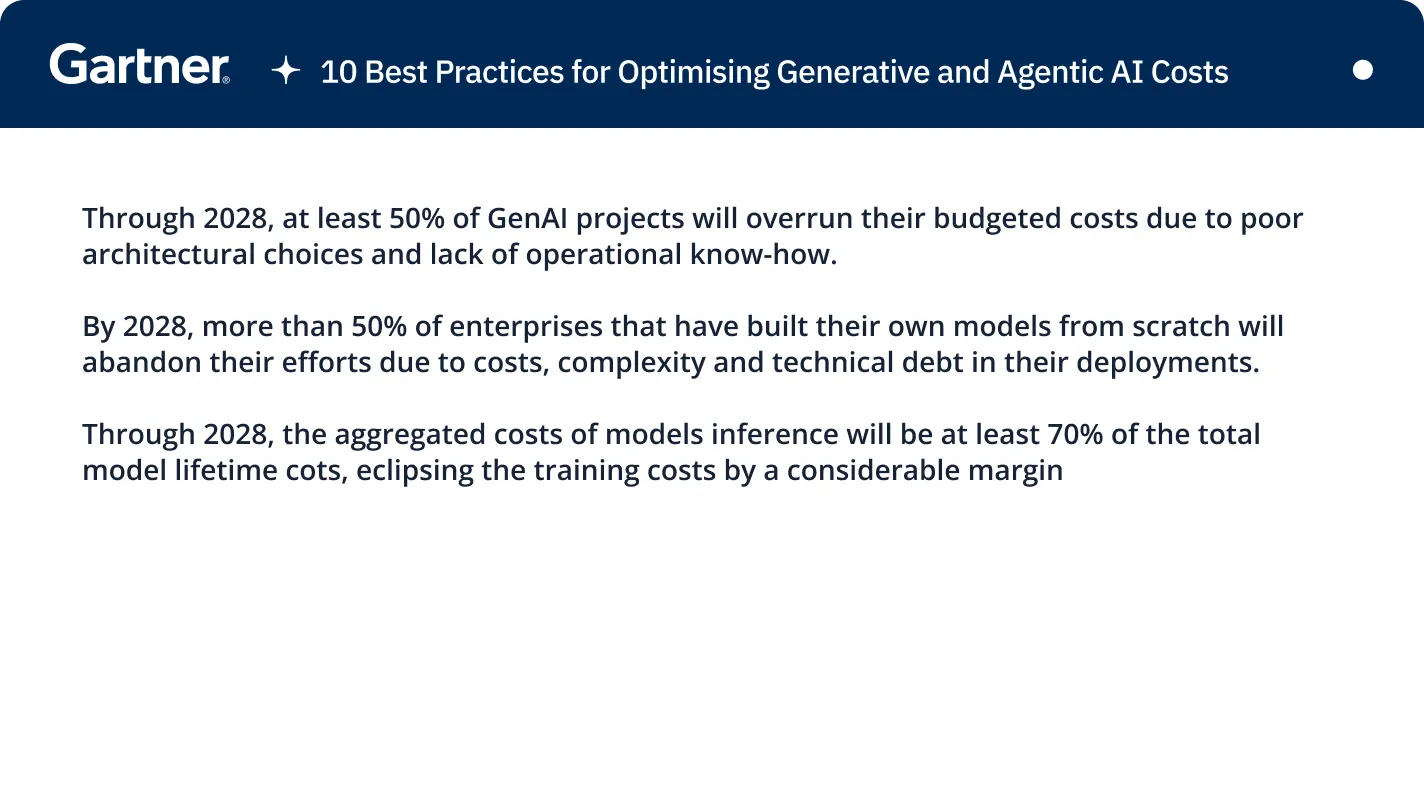

For teams that want MCP governance managed or self-hosted — with LLM routing and cost governance too — TrueFoundry is the most complete. For a managed governance-first MCP platform, Mintive; for an open-source peer with more LLM-gateway power, Bifrost.
Yes — Lunar.dev is MIT-licensed and open-source (Lunar Proxy plus the MCPX aggregator). The MIT license covers non-production and personal use; production use is gated behind onboarding and platform tiers, and there is no managed SaaS option.
Common reasons are the lack of a managed SaaS option, the operational burden of self-hosting (Kubernetes/Docker, upgrades, compliance), gated production access, and the desire for broader LLM and cost governance alongside MCP.
Lunar.dev is self-managed; it does not describe a managed SaaS option. Teams that want a managed MCP gateway typically choose TrueFoundry, Mintive, or Obot’s optional managed cloud.



The latest news, articles, and resources sent to your inbox