October 19, 2026
|
5 min de lecture


Accédez instantanément à un environnement TrueFoundry en direct. Déployez des modèles, acheminez le trafic LLM et explorez la plateforme complète : votre sandbox est prête en quelques secondes, aucune carte de crédit n'est requise.



Published: October 19, 2026
Une méthode incroyablement rapide pour créer, suivre et déployer vos modèles !
TrueFoundry AI Gateway offre une latence d'environ 3 à 4 ms, gère plus de 350 RPS sur 1 processeur virtuel, évolue horizontalement facilement et est prête pour la production, tandis que LiteLM souffre d'une latence élevée, peine à dépasser un RPS modéré, ne dispose pas d'une mise à l'échelle intégrée et convient parfaitement aux charges de travail légères ou aux prototypes.
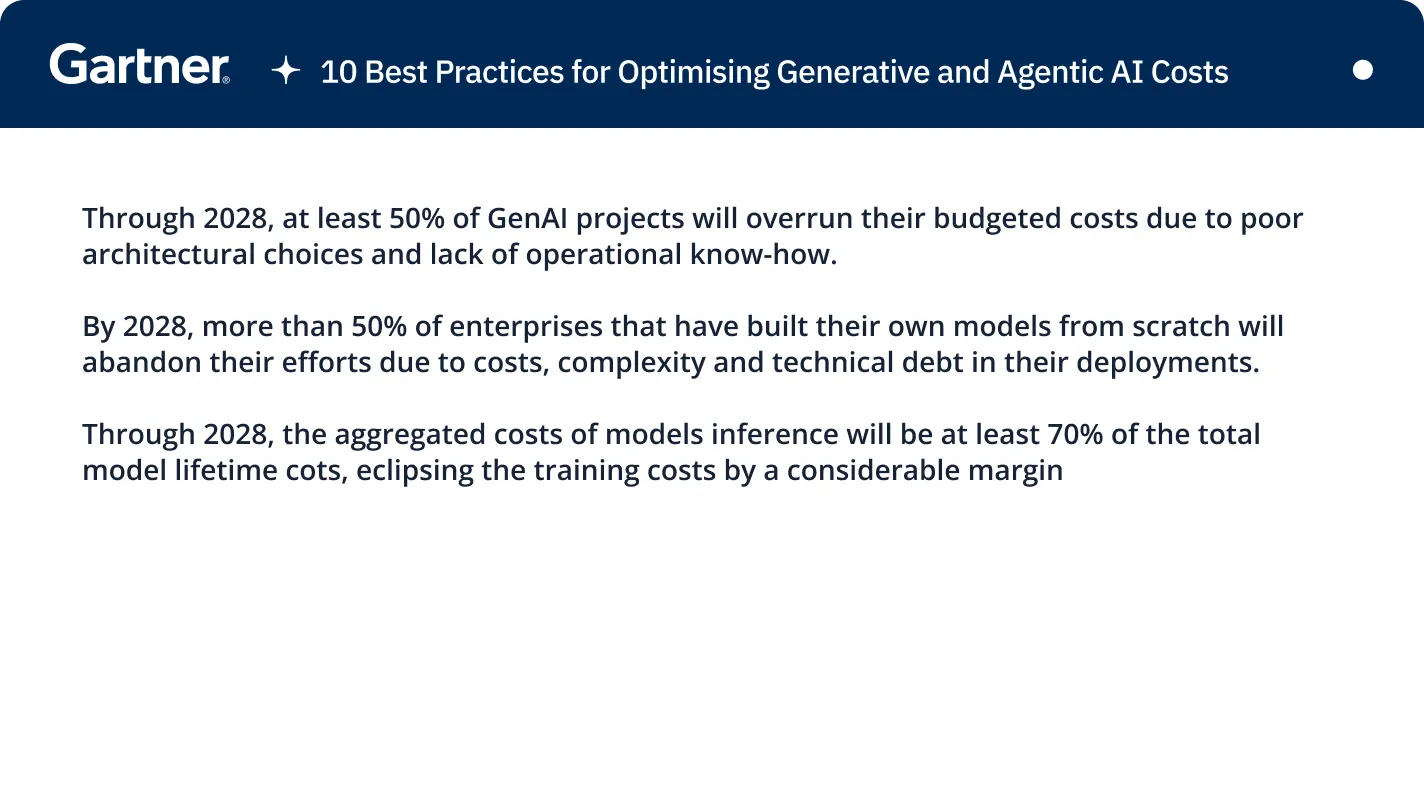


They are Claude tiers trading capability for price. Haiku 5.5 is the fastest and cheapest for high-volume tasks; Sonnet 5.5 balances speed and intelligence; Opus 5.5 is the recommended default for most workloads. Fable 5.1 sits above them for the most demanding reasoning. All share a 1M-token context window.
Haiku 5.5, starting around $0.10 input / $0.50 output per million tokens as of October 2026. Fable 5.1 is the most expensive at $10 / $50. Confirm current rates on Anthropic’s pricing page.
Usually not — most requests don’t need it, and the price spread from Haiku to Fable is roughly 100x. Route easy, high-volume work to cheaper tiers and reserve the top tiers for hard tasks.
Point the app at a logical model name backed by a tier, or use a gateway’s automatic routing to score each request and pick a tier. The application calls one endpoint; the routing lives in configuration.
Not here — all four tiers share the same 1M-token window. Choose on reasoning depth and latency, not context size.



Les dernières nouvelles, articles et ressources envoyés dans votre boîte de réception