


.webp)
October 16, 2026
|
5 min read


احصل على وصول فوري إلى بيئة TrueFoundry مباشرة. انشر النماذج، ووجّه حركة مرور LLM، واستكشف المنصة بالكامل — بيئة الاختبار الخاصة بك جاهزة في ثوانٍ، ولا يلزم وجود بطاقة ائتمان.



.webp)
Blazingly fast way to build, track and deploy your models!
Bifrost هي بوابة ذكاء اصطناعي عالية الأداء تم تطويرها بلغة Go بواسطة Maxim AI. توفر واجهة برمجة تطبيقات (API) متوافقة مع OpenAI لأكثر من 20 مزوداً للنماذج، مع إضافة طبقات من آليات التبديل التلقائي، والمفاتيح الافتراضية، والميزانيات، والتخزين المؤقت الدلالي، وبوابة MCP. تركز استراتيجيتها التسويقية بشكل كبير على الأداء الخام واعتماد المصادر المفتوحة.
يعمل تسعير Bifrost بشكل مختلف عن البوابات المستضافة. تغطي نسخة Bifrost مفتوحة المصدر (OSS) البوابة الأساسية، والتوجيه، ومبادئ الحوكمة، والمراقبة دون أي تكاليف ترخيص. بينما تضيف نسخة المؤسسات (Enterprise) ميزات الشبكات الخاصة، وتكاملات الأمان للمؤسسات، وميزات الموثوقية المتقدمة للأنظمة الإنتاجية الأكبر.
السعر المعلن هو الجزء الأسهل. تكمن المشكلة في معظم التقييمات في تجاهل ما لا يغطيه هذا السعر: الاستضافة، والاستجابة للحوادث، والاحتفاظ بالبيانات، وإدارة المفاتيح، وفاتورة المزود التي تتأثر بسياسات التوجيه. تابع القراءة لمعرفة المزيد.
يفصل تسعير Bifrost بين حالات استخدام النسخة مفتوحة المصدر (OSS) ونسخة المؤسسات (Enterprise). تغطي نسخة OSS البوابة الأساسية، والتوجيه، ومبادئ الحوكمة، والمراقبة. وتضيف فئة المؤسسات ميزات الشبكات الخاصة، وتكاملات الأمان، وميزات الموثوقية المتقدمة لبيئات الإنتاج الكبيرة.
يمكن أن تكون نسخة Bifrost مفتوحة المصدر جذابة لفرق الهندسة التي ترغب في التحكم والسرعة دون البدء بعقد مدفوع مع بائع. يمكن تشغيل البوابة مفتوحة المصدر محلياً أو عبر Docker، وهي تدعم واجهة متوافقة مع OpenAI للوصول إلى المزودين.
ومع ذلك، فإن تكلفة Bifrost الحقيقية تتجاوز مجرد ترخيص البرنامج. لا تزال الفرق بحاجة إلى تشغيل البوابة، وإدارة وقت التشغيل (uptime) في بيئة الإنتاج، وتكوين التوجيه، وتأمين المفاتيح، ومراقبة السجلات، وإجراء التحديثات، والتعامل مع الاستجابة للحوادث، وربط البوابة بسير عمل الامتثال الداخلي.
# Run the OSS gateway locally
npx -y @maximhq/bifrost

# Or run it as a container
docker run -p 8080:8080 maximhq/bifrost

# Verify the OpenAI-compatible endpoint
curl -X POST http://localhost:8080/v1/chat/completions \
  -H "Content-Type: application/json" \
  -d '{
    "model": "openai/gpt-4o-mini",
    "messages": [{"role": "user", "content": "Say hello from the gateway"}]
  }'
هذا العرض التوضيحي صادق، ولكنه أيضاً النقطة التي تبدأ عندها تقديرات التكلفة بالانحراف. عملية واحدة على حاسوب محمول لا تخبر المشترين الكثير عن شكل البنية التحتية للمؤسسات. يتطلب الاستخدام في بيئة الإنتاج المتانة، والمراقبة، وإدارة الأسرار، والشبكات، والتحديثات، والمسؤولية عن الدعم الفني.
وثائق إعداد Bifrost محددة بشأن الإعدادات الافتراضية. بدون ملف تكوين، تنشئ البوابة مخزن تكوين SQLite، حيث تكتب `config.db` لتكوينات واجهة المستخدم و `logs.db` لسجلات الطلبات.
هذا جيد للتقييم. يوضح دليل النشر على Kubernetes ما تتطلبه بيئة الإنتاج: `config_store` و `logs_store` يشيران إلى Postgres أو MySQL، أو في حال عدم توفرهما، وحدة تخزين مخصصة مع PersistentVolume و PersistentVolumeClaim مطابقين لضمان بقاء قاعدتي البيانات بعد إعادة تشغيل الحاوية (pod).
نقل تلك الحاوية إلى بيئة الإنتاج يعني الإجابة على بقية القائمة. أين يتم إنهاء TLS؟ كم عدد النسخ المتماثلة التي تعمل عبر مناطق التوفر؟ من يقوم بتدوير مفاتيح المزود؟ أين يتم تخزينها قبل تفعيل دعم Enterprise Vault؟
تمتد تكلفة Bifrost الحقيقية إلى ما هو أبعد من ترخيص البرمجيات. لا تزال الفرق بحاجة إلى تشغيل البوابة، والحفاظ على وقت التشغيل في بيئة الإنتاج، وتحديد التوجيه، وتأمين المفاتيح، ومراقبة السجلات، وتطبيق التحديثات، والتعامل مع الاستجابة للحوادث، وربط البوابة بسير عمل الامتثال الداخلي.
يستحق الاحتفاظ بالسجلات بنداً خاصاً به. تكتب Bifrost سجلات الطلبات في مخزنها الخاص، ويعامل دليل النشر هذا المخزن كبنية تحتية يجب عليك تحديد حجمها، ونسخها احتياطياً، والدفع مقابلها. يتبع حجم التخزين حجم حركة المرور، بينما تترجم فترات الاحتفاظ بالبيانات مباشرة إلى تكاليف التخزين والاستعلام.
بالنسبة للمشترين الذين يقارنون بين البوابات ذاتية الاستضافة، فإن دليل تكلفة بوابة الذكاء الاصطناعي الخاص بـ TrueFoundry يمكن أن يساعد في صياغة نموذج ملكية المنصة بالكامل. فهو ينقل التقييم إلى ما هو أبعد من مجرد نسخة مفتوحة المصدر مجانية ليشمل التكاليف التشغيلية، والاحتفاظ بالبيانات، وعناصر التحكم، ومسؤولية ضمان وقت التشغيل.
النص البديل: خريطة تكلفة ملكية تسعير Bifrost لفرق المؤسسات
تنتقل تسعيرة Bifrost إلى فئة المؤسسات عندما تتجاوز احتياجات الإنتاج مجرد التوجيه الأساسي والمراقبة. عادةً ما تحتاج الفرق الكبيرة إلى شبكات خاصة، وتكاملات أمنية للمؤسسات، وضوابط وصول أقوى، وميزات موثوقية متقدمة، ودعم تشغيلي أعمق قبل نقل حركة المرور الفعلية.
تضع صفحة تسعير Bifrost هذه الإمكانات ضمن عرض المؤسسات الخاص بها:
هناك عامل واحد يتفوق على البقية من الناحية العملية. فالمراجعة الأمنية الجادة الأولى تتطلب تسجيل دخول موحد مقابل مزود الهوية الخاص بالشركة، والتحكم في الوصول القائم على الأدوار، وسجل تدقيق غير قابل للتغيير. تتوفر هذه الميزات الثلاث جميعها في فئة المؤسسات، لذا تتحول التجربة المجانية إلى عملية شراء بمجرد أن يحظى المشروع باهتمام الإدارة التنفيذية.
لا تنشر Maxim AI رقماً محدداً لفئة المؤسسات. تتوفر تجربة مجانية لمدة 14 يوماً للمؤسسات، مما يتيح للفرق التحقق من ضوابط المؤسسة قبل الالتزام. يتم تحديد الرقم التجاري من خلال المبيعات، مما يعني أن الجدول الزمني للتقييم يجب أن يتضمن تفاصيل التسعير، والمراجعة الأمنية، والمراجعة القانونية.
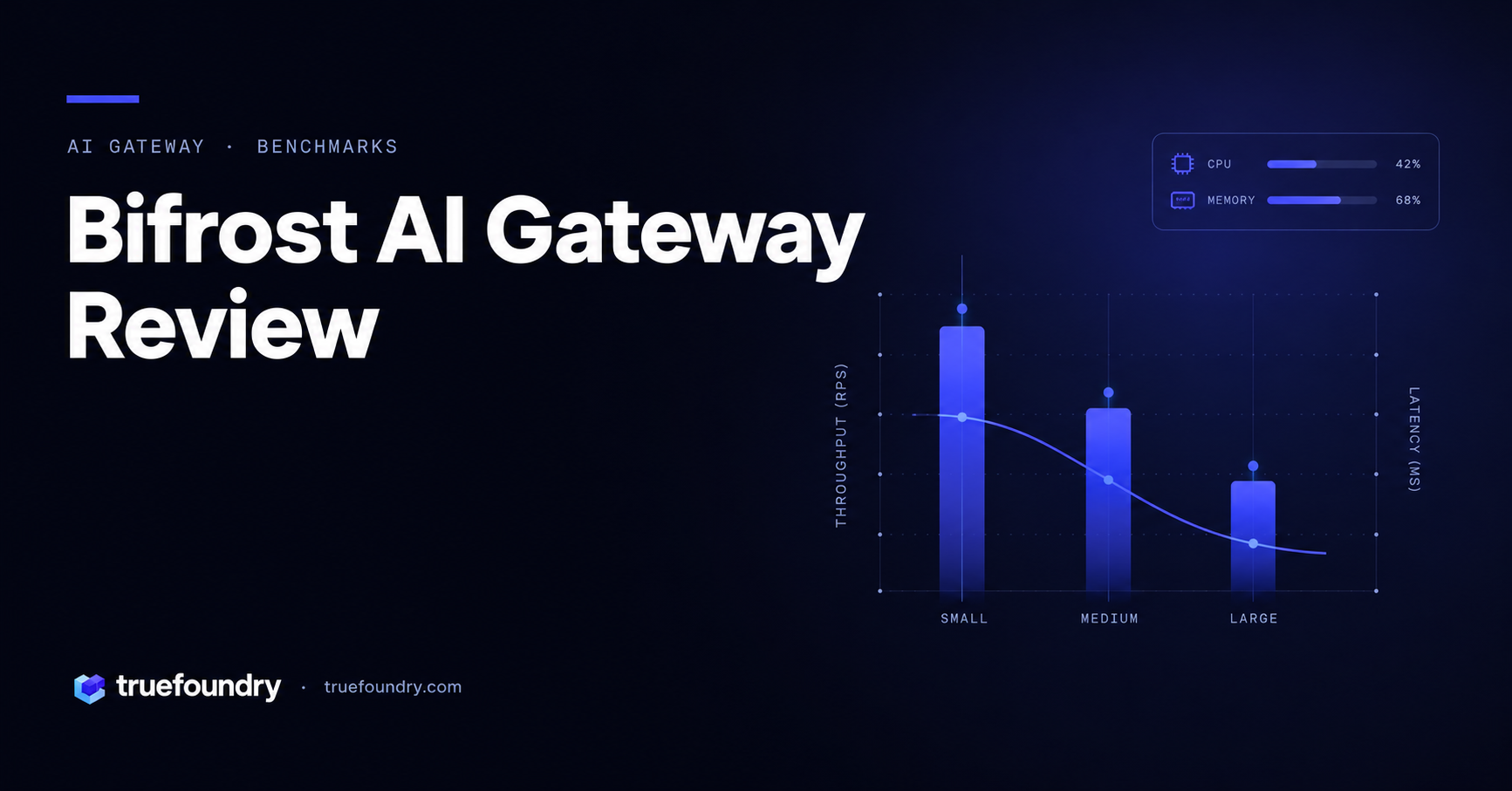
تروج Bifrost للسرعة والأداء، بما في ذلك الادعاءات العامة حول انخفاض زمن الاستجابة المضاف والإنتاجية العالية. تشير تقارير الاختبارات المعيارية الخاصة بها إلى 11 ميكروثانية من الحمل الزائد لكل طلب عند 5000 طلب في الثانية على مثيل t3.xlarge. وهذا يجعلها جذابة للفرق التي تركز على كفاءة البوابة.
ومع ذلك، يجب أن تستند تسعيرة Bifrost إلى سلوك الإنتاج، وليس سرعة البوابة وحدها. ينبغي على الفرق تقدير استخدام النماذج، ورموز المخرجات، ومعدلات نجاح التخزين المؤقت، ومسارات النسخ الاحتياطي، والاحتفاظ بالسجلات، وحجم البنية التحتية، والدعم الهندسي قبل نقل حركة مرور الإنتاج.
إليك الحقيقة المزعجة: رقم الـ 11 ميكروثانية يقيس العبء التشغيلي للبوابة تحت حمل اصطناعي على نوع مثيل واحد فقط. وهو لا يغطي زمن انتقال المزود، الذي لا تتحكم فيه أي بوابة وعادة ما يشكل الجزء الأكبر من الطلب.
لا تزال أرقام العبء التشغيلي المنشورة مفيدة للفحص الأولي. ومع ذلك، يقوم الموردون بإجراء اختبارات الأداء على أجهزة مختلفة وتحت ملفات تعريف تحميل مختلفة. إن التعامل مع هذه الأرقام على أنها قابلة للمقارنة بشكل مباشر قد يضلل المشترين، خاصة عندما تضيف استدعاءات المزود ثوانٍ بينما تضيف البوابات أجزاءً من الألف من الثانية إلى زمن الانتقال.
سياسة التراجع (Fallback) تؤثر على التكاليف. فإعادة المحاولة تعيد إرسال المطالبة بالكامل، كما أن التحويل التلقائي إلى نموذج متطور يمكن أن يستبدل طلباً مكلفاً بآخر أقل تكلفة. قم بنمذجة هذا السلوك قبل الإطلاق، خاصة إذا كانت سير عمل الإنتاج الفعلية تعتمد على عدة مسارات تراجع.
# Effective provider spend under a priority fallback chain.
# Retries and failovers re-send the prompt, so input tokens get billed again.

PRIMARY_COST_PER_REQ  = 0.0042   # avg $/request on the primary model
FALLBACK_COST_PER_REQ = 0.0180   # avg $/request on the frontier fallback
MONTHLY_REQUESTS      = 4_000_000
PRIMARY_FAILURE_RATE  = 0.015    # share of requests that exhaust retries
RETRY_ATTEMPTS        = 2        # extra attempts before failing over

primary_calls  = MONTHLY_REQUESTS * (1 + PRIMARY_FAILURE_RATE * RETRY_ATTEMPTS)
fallback_calls = MONTHLY_REQUESTS * PRIMARY_FAILURE_RATE

with_fallback = primary_calls * PRIMARY_COST_PER_REQ + fallback_calls * FALLBACK_COST_PER_REQ
baseline      = MONTHLY_REQUESTS * PRIMARY_COST_PER_REQ

print(f"baseline spend:      ${baseline:,.0f}")
print(f"with retry+fallback: ${with_fallback:,.0f}")
print(f"overhead:            {(with_fallback / baseline - 1) * 100:.1f}%")
baseline spend:      $16,800
with retry+fallback: $18,384
overhead:            9.4%
معدل فشل بنسبة 1.5% يزيد التكاليف بنسبة 9.4%. لا أحد يضع ميزانية لهذا البند، ولا يوجد اختبار أداء للبوابة يكشفه. دليلنا حول تجاوز فشل نماذج اللغة الكبيرة (LLM) وموازنة الأحمال يستعرض كيفية تفاعل إعدادات إعادة المحاولة والتراجع عند حدوث انقطاعات فعلية لدى المزود.
نص بديل: TrueFoundry تشرح تقييم تسعير Bifrost للمؤسسات
تكمن المخاطرة الأكبر في تقييم تسعير Bifrost في التعامل مع توفر البرمجيات مفتوحة المصدر على أنها الصورة الكاملة للتسعير. فالبرمجيات المجانية تقلل من تكاليف الترخيص، لكنها تنقل المزيد من المسؤولية إلى فريق المنصة. وتصبح هذه المسؤولية جسيمة عندما توضع البوابة أمام أنظمة الإنتاج.
تتكرر ثلاثة أخطاء في الفهم أثناء التقييمات. الأول هو التعامل مع الترخيص المجاني على أنه نظام مجاني، وهو ما يتجاهل تكاليف الاستضافة، والاحتفاظ بالبيانات، وفريق المناوبة الذي أصبح الآن مسؤولاً عن مسار الطلب لكل ميزة ذكاء اصطناعي.
الخطأ الثاني هو التعامل مع رقم اختبار الأداء على أنه زمن انتقال في بيئة الإنتاج. العبء التشغيلي للبوابة مهم، لكن استدعاءات المزود تهيمن على معظم الطلبات الفعلية. يجب على الفرق اختبار حركة المرور الخاصة بهم وإجراء اختبار الأداء الخاص بهم قبل اتخاذ قرار الشراء.
الخطأ الثالث هو افتراض أن حوكمة البوابة تعادل حوكمة المؤسسة. فالمفاتيح الافتراضية، والميزانيات، وحدود المعدل تحكم استدعاءات النماذج بشكل جيد. لكن الوكلاء يقومون أيضاً باستدعاء الأدوات، والاستعلام عن قواعد البيانات، والتفاعل مع التطبيقات الداخلية، وكل منها يتطلب مصادقة خاصة به، ونماذج صلاحيات، ومسارات تدقيق.
تكون Bifrost قوية عندما ترغب الفرق في بوابة ذكاء اصطناعي سريعة وقابلة للاستضافة الذاتية مع اعتماد سهل للمطورين. وتظهر القيود عندما تحتاج المؤسسات إلى حوكمة أعمق عبر استدعاءات نماذج اللغة الكبيرة، وأدوات MCP، والوكلاء المستقلين، وضوابط التكلفة، ومسارات التدقيق، ونماذج النشر الخاصة.
يجب على الفرق التي تفكر في اتخاذ قرار بشأن Portkey إبقاء هذه المقارنة منفصلة. فالمقارنة مع Portkey أو اختيارها قد يتضمن اقتصاديات البوابة المستضافة، في حين أن Bifrost غالباً ما تستلزم ملكية أكبر للبنية التحتية. يجب أن تعكس مقارنة البنية التحتية هذا الاختلاف.
كما أن ضوابط الشبكة لا تحل مشكلة حوكمة الذكاء الاصطناعي بالكامل. يمكن لنشر Palo Alto Networks أو سياسة جدار حماية Palo Alto دعم أمن المؤسسة، لكنها لا تزال غير قادرة على توضيح أي مستخدم أو نموذج أو إجراء MCP أو سير عمل وكيل تسبب في حدث ذكاء اصطناعي محفوف بالمخاطر.
توفر TrueFoundry للفرق مسار تسعير أكثر وضوحاً. وتأتي أسعارها المعلنة لتحدد باقة المطورين (Developer) بسعر 0 دولار شهرياً، وباقة المحترفين (Pro) بسعر 499 دولاراً شهرياً، وباقة المحترفين بلس (Pro Plus) بسعر 2,999 دولاراً شهرياً، بالإضافة إلى أسعار مخصصة للمؤسسات التي تحتاج إلى حوكمة متقدمة، ونشر مخصص، وموثوقية عالية للمهام الحساسة.
تتضمن هذه الباقات حدوداً معلنة، مما يحول عملية تخطيط السعة إلى مهمة حسابية بسيطة بدلاً من الحاجة إلى مكالمات استكشافية. تغطي باقة المطورين 50,000 طلب و3 مستخدمين، بينما تنتقل باقة المحترفين إلى مليون طلب و10 مستخدمين.
تحافظ باقة المحترفين بلس على سقف المليون طلب مع رفع عدد المقاعد إلى 25، واستدعاءات أدوات MCP إلى 5 ملايين. وتبدأ باقة المؤسسات من 10 ملايين طلب شهرياً مع حدود مخصصة. وهذا يجعل المقارنة بين باقة الدخول وباقة الإنتاج الشهرية أسهل في المراحل الأولى.
الشفافية هنا تسير في كلا الاتجاهين؛ حيث تخصص TrueFoundry مستويات الدعم والنشر بناءً على الباقة. تعمل باقة المطورين كخطة مجانية مع دعم مجتمعي وبدون اتفاقية مستوى خدمة (SLA). وتضيف باقة المحترفين دعماً للإنتاج بموجب اتفاقية مستوى خدمة قياسية، بينما توفر باقة المؤسسات شروطاً قابلة للتخصيص.
تندرج عمليات التثبيت داخل السحابة الخاصة (VPC) والأنظمة المعزولة (air-gapped) ضمن باقة المؤسسات، والتي تغطي كلاً من مستويات التحكم والبوابة. تضيف الاستضافة الذاتية ما يقرب من 600 إلى 1,000 دولار شهرياً كتكاليف استضافة، وهو رقم تعلنه TrueFoundry بدلاً من تركه للمفاوضات.
يصبح تقييم TrueFoundry أسهل عندما يرغب مشترو المؤسسات في رؤية مستويات الأسعار قبل التفاوض. قد تكون Bifrost خياراً جذاباً عندما يرغب فريق المنصة في امتلاك برمجيات مفتوحة المصدر، والتحكم المباشر في البنية التحتية، وتفضيل أقوى لميزات البوابة ذاتية الإدارة.
يكمن الفرق الحقيقي في طبقة التشغيل. يمكن لـ Bifrost توجيه حركة مرور نماذج اللغة الكبيرة (LLM) بسرعة عالية وتحكم ذاتي. بينما توفر TrueFoundry AI طبقة حوكمة أوسع لفرق التطبيقات التي تحتاج إلى الوصول إلى النماذج، واستخدام أدوات MCP، وسير عمل الوكلاء، والميزانيات، وضوابط الأمان، وسجلات التدقيق.

النص البديل: مقارنة أسعار Bifrost مع بنية بوابة TrueFoundry AI
يمكن أن تكون Bifrost خياراً عملياً للفرق الهندسية التي تبحث عن بوابة مفتوحة المصدر وعالية الأداء وتمتلك المهارات اللازمة لتشغيلها. كما أنها مفيدة عندما ترغب الفرق في توجيه الطلبات المتوافقة مع OpenAI عبر مزودين مختلفين دون الحاجة إلى اعتماد منصة ذكاء اصطناعي مؤسسية شاملة على الفور.
تصف وثائق Bifrost المنصة بأنها توحد أكثر من 20 مزوداً في واجهة برمجة تطبيقات واحدة متوافقة مع OpenAI. وهذا قد يناسب فرق التطبيقات التي تحتاج بشكل أساسي إلى توجيه حركة مرور نماذج اللغة الكبيرة، وإدارة الوصول للمزودين، والحفاظ على البوابة قريبة من بنيتها التحتية المؤسسية.
تكون Bifrost مناسبة عندما:
ستجد الفرق التي تدرس هذه الفئة الأوسع أن مقارناتنا بين Bifrost و Portkey و Bifrost و OpenRouter مفيدة للفصل بين سهولة التوجيه وعمق الحوكمة.
تظهر TrueFoundry كبديل أفضل لـ Bifrost عندما تحتاج المؤسسات إلى أكثر من مجرد بوابة ذكاء اصطناعي سريعة وقابلة للاستضافة الذاتية. تعمل Bifrost بشكل جيد للفرق التي ترغب في توجيه متوافق مع OpenAI وامتلاك مباشر للبوابة، لكن الذكاء الاصطناعي في بيئات الإنتاج يتطلب غالباً طبقة تحكم أوسع.
بوابة الذكاء الاصطناعي من TrueFoundry تتوسط التطبيقات، ومزودي النماذج اللغوية الكبيرة (LLM)، وخوادم MCP، وسير عمل الوكلاء. وهي تمنح فرق المؤسسات حوكمة موحدة، وقابلية للمراقبة، وتوجيهاً، وأمناً، وتحسيناً للتكاليف عبر أحمال عمل الذكاء الاصطناعي في بيئات الإنتاج.
يبدأ الاعتماد بتغيير عنوان URL الأساسي، بحيث يستمر الكود المتوافق مع OpenAI في العمل كما هو:
TrueFoundry AI Gateway delivers ~3–4 ms latency, handles 350+ RPS on 1 vCPU, scales horizontally with ease, and is production-ready, while LiteLLM suffers from high latency, struggles beyond moderate RPS, lacks built-in scaling, and is best for light or prototype workloads.





أحدث الأخبار والمقالات والموارد تصلك مباشرة إلى بريدك الوارد
.webp)

.png)
.png)
.png)
.png)
.png)
.png)
.png)
.png)
.png)

.png)
.png)


