


.webp)
October 16, 2026
|
5 min read


احصل على وصول فوري إلى بيئة TrueFoundry مباشرة. انشر النماذج، ووجّه حركة مرور LLM، واستكشف المنصة بالكامل — بيئة الاختبار الخاصة بك جاهزة في ثوانٍ، ولا يلزم وجود بطاقة ائتمان.



.webp)
Blazingly fast way to build, track and deploy your models!
توفر Requesty بوابة موحدة لنماذج اللغة الكبيرة (LLM) للوصول إلى مئات النماذج عبر واجهة برمجة تطبيقات واحدة. تسعيرها العام مباشر؛ حيث يدفع عملاء نظام "الدفع حسب الاستخدام" هامش ربح بنسبة 5% على تكلفة النماذج الأساسية. لا توجد رسوم اشتراك قياسية أو متطلبات التزام بحد أدنى، بينما تخضع خطط المؤسسات لتسعير مخصص.
يناسب هذا النموذج الفرق التي تبحث عن بوابة ذكاء اصطناعي مُدارة توفر وصولاً واسعاً للنماذج مع الحد الأدنى من أعمال البنية التحتية. تتضمن Requesty ميزات التوجيه، والتخزين المؤقت، وتجاوز الفشل، والتحكم في الإنفاق، والمراقبة لأكثر من 600 نموذج. يمكن للفرق أيضاً استخدام مفاتيح الموفر الخاصة بهم، حيث تشير Requesty حالياً إلى أن هامش الربح في هذه الحالة يصبح 0%.
لذلك، ينبغي على مشتري المؤسسات النظر إلى ما هو أبعد من النسبة المئوية المعلنة. تعتمد التكلفة الفعلية لـ Requesty AI على اختيار النموذج، وحجم حركة المرور، وعقود الموفرين، وحجم المخرجات، وعمليات إعادة المحاولة للوكلاء. كما يمكن لمتطلبات الأمان واحتياجات النشر الخاص أن تغير القرار النهائي بشأن المنصة.
تقدم Requesty ثلاثة مسارات تسعير عامة. توفر خطتها المجانية الوصول إلى النماذج بحد أقصى 200 طلب يومياً ولا تتطلب بطاقة ائتمان. يضيف نظام "الدفع حسب الاستخدام" 5% إلى أسعار النماذج الأساسية. أما تسعير المؤسسات فيعتمد على ضوابط التنظيم، ومتطلبات الدعم، والشروط المتفاوض عليها.
يمنح مفتاح واجهة برمجة التطبيقات (API Key) التطبيقات إمكانية الوصول عبر نقطة النهاية الموحدة. يعد خيار BYOK مهماً للشركات التي تفاوضت على أسعار خاصة مع OpenAI أو Anthropic أو غيرهما من الموردين، حيث يسمح للفرق بالاحتفاظ بتلك العقود مع الاستفادة من طبقة التوجيه والمراقبة في Requesty.
تفترض الأمثلة التالية نموذجاً بتكلفة 10 دولارات لكل مليون رمز (token). كما تفترض أن Requesty توفر الوصول إلى النموذج ضمن هيكل "الدفع حسب الاستخدام" بنسبة 5%. ستتبع أحمال العمل التي تستخدم مفاتيح خاصة (BYOK) اقتصاديات بوابة مختلفة لأن Requesty تدرج حالياً هامش ربح بنسبة 0% لهذا الخيار.
السيناريو
الرموز الشهرية
إنفاق المزود
رسوم Requesty بنسبة 5%
الإجمالي
نموذج أولي فردي
5 مليون
50 دولاراً
2.50 دولار
52.50 دولاراً
فريق منتج صغير
50 مليون
500 دولار
25 دولاراً
525 دولاراً
عبء عمل إنتاجي متنامٍ
500 مليون
5,000 دولار
250 دولاراً
5,250 دولاراً
منصة وكلاء متعددة الخدمات
2.5 مليار
25,000 دولار
1,250 دولار
26,250 دولار
أعباء عمل المؤسسات الكبيرة
10 مليار
100,000 دولار
5,000 دولار
105,000 دولار
توضح هذه الأرقام هيكل التسعير وليس الإنفاق المتوقع للعملاء. تختلف تكاليف النماذج الفعلية بشكل كبير باختلاف الموفرين والنماذج. كما قد تختلف أسعار GPT وGemini وClaude وMistral بالنسبة للرموز (tokens) المدخلة والمخرجة والمخزنة مؤقتاً.

النص البديل: صفحة تسعير Requesty تقارن بين الاستخدام المجاني وخطط البوابة المدفوعة
هذا يجعل Requesty سهلة الفهم للفرق الناشئة التي ترغب في نظام دفع حسب الاستخدام يمكن التنبؤ به. سهلة البدء. وسهلة الشرح للإدارة المالية. صفحة التسعير بأكملها عبارة عن شاشة واحدة.
منطقة التسعير
ما تقدمه Requesty
ما يجب على الفرق التحقق منه
التسعير القياسي
هامش ربح 5% على تكاليف النموذج الأساسي
مزيج الموفرين والنماذج الفعلي
رسوم الاشتراك
لا توجد اشتراكات مدرجة
قد تختلف خطة المؤسسات
رسوم المقاعد
لا توجد رسوم مقاعد مدرجة
احتياجات المسؤولين والفريق
الحد الأدنى للإنفاق
لا يوجد حد أدنى للإنفاق مدرج
التزامات الحجم في حال تم التفاوض عليها
تسعير المؤسسات
تسعير مخصص
تسجيل الدخول الموحد (SSO)، والتحكم في الوصول المستند إلى الأدوار (RBAC)، واتفاقيات مستوى الخدمة (SLAs)، والدعم الفني
تُقدم Requesty نفسها كبوابة مُدارة لنماذج اللغات الكبيرة. تغطي المنصة الوصول إلى النماذج، والموثوقية، والتحكم في التكاليف، والتخزين المؤقت، والمراقبة. وهي تدعم OpenAI وAnthropic وGoogle وAWS Bedrock وGemini وMistral وغيرها من المزودين من خلال واجهة متوافقة واحدة.
تتضمن طبقة البوابة العديد من الإمكانات التي تتجاوز مجرد الوصول إلى النماذج:
تنشر Requesty أيضاً بيانات تشغيلية على مستوى المزود تغطي معدلات النجاح، واعتماد البث، وسلوك التخزين المؤقت. توضح هذه الاختلافات سبب عدم تحديد اختيار النموذج وحده لأداء الإنتاج؛ إذ يمكن لموثوقية المزود أن تؤثر بشكل جوهري على قرارات التوجيه.
توجه Requesty حركة المرور عبر واجهة متوافقة مع OpenAI. يمكن لعمليات تكامل OpenAI SDK الحالية التحويل عن طريق تغيير عنوان URL الأساسي وبيانات اعتماد Requesty. يعمل النمط نفسه عبر العديد من أدوات وأطر التطوير الشائعة.
إذا كنت تستخدم OpenAI SDK بالفعل، فقم بتوجيهها إلى نقطة نهاية الموجه router.requesty.ai وقم بتغيير سلسلة النموذج:
import os
from openai import OpenAI
client = OpenAI(
api_key=os.environ["REQUESTY_API_KEY"],
base_url="https://router.requesty.ai/v1",
)
response = client.chat.completions.create(
model="openai/gpt-4o",
messages=[{"role": "user", "content": "لخّص تقرير الحادث هذا."}],
)
تتبع النماذج صيغة provider/model-name، ويمكنك أيضاً الإشارة إلى سياسات التوجيه باستخدام policy/policy-name ليقوم البوابة باختيار النموذج المناسب لك.
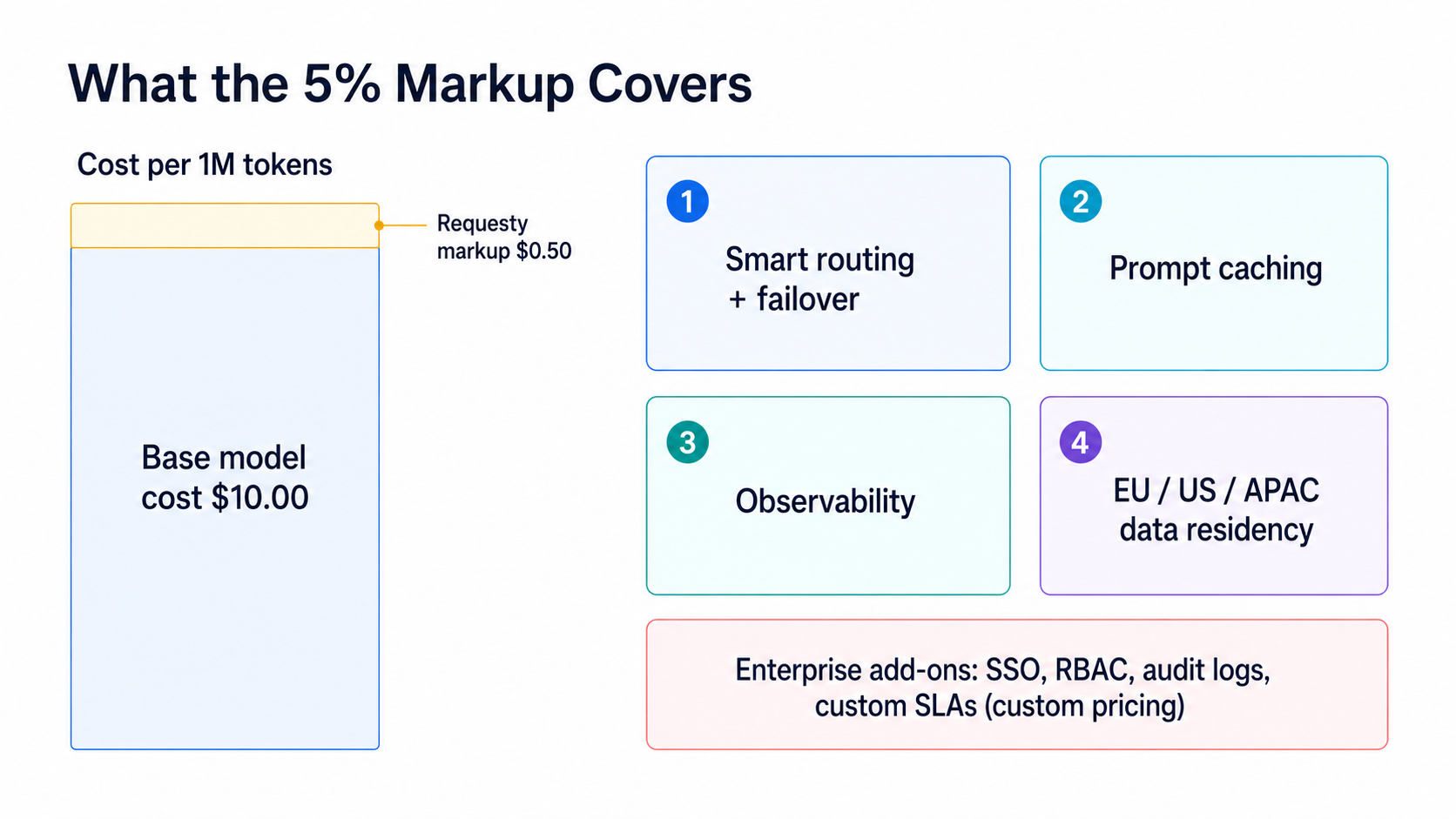
الشكل 1: هامش الربح بنسبة 5% يغطي طبقة البوابة المستضافة، وليس مجرد الوصول إلى النموذج
النص البديل: تشمل رسوم بوابة Requesty التوجيه، والتخزين المؤقت، والمراقبة، وتجاوز الفشل
النسبة المئوية بحد ذاتها واضحة، في حين أن حركة مرور الإنتاج نادراً ما تكون كذلك. يجب على الفرق المالية تقدير حجم الطلبات، وحجم السياق، والمخرجات، وإعادة المحاولات، والتوجيه، واختيار المزود. كما يغير التخزين المؤقت التكلفة الفعلية عندما يصبح المحتوى المتكرر مؤهلاً للحصول على خصم التخزين المؤقت.
تجعل أعباء عمل الوكلاء (Agents) التنبؤ أكثر صعوبة لأن إجراءً واحداً من المستخدم يمكن أن يؤدي إلى استدعاءات متعددة للنماذج. قد يقوم الموجه أيضاً بتبديل النماذج بعد حدوث أخطاء أو مشاكل في السعة. وبالتالي، يمكن لسياسات التبديل الاحتياطي المختلفة أن تغير كلاً من الموثوقية وإجمالي الإنفاق.
للتوضيح ببساطة، لنفترض وجود 2.5 مليار رمز (token) شهرياً على نموذج بتكلفة 10 دولارات لكل مليون رمز. سيبلغ إنفاق المزود 25,000 دولار. وتضيف رسوم Requesty بنسبة 5% للدفع حسب الاستخدام 1,250 دولاراً. تتغير هذه الحسابات في حالة استخدام مفاتيحك الخاصة (BYOK)، حيث تشير Requesty حالياً إلى أن مفاتيح المزود الخاصة بك لا تحمل أي هامش ربح إضافي.
الدرس الأوسع هو أن التسعير بالنسبة المئوية يتتبع إنفاق المزود. يجب على الفرق وضع نماذج لأنماط الاستخدام لفواتيرها بدلاً من الاعتماد على متوسط أسعار الرموز. دليل TrueFoundry لـ تحسين تكلفة النماذج اللغوية الكبيرة (LLM) يشرح كيف يؤثر التوجيه، والتخزين المؤقت، والميزانيات، وتخصيص التكاليف على إنفاق الذكاء الاصطناعي في بيئة الإنتاج.
عامل التكلفة
لماذا يعد مهماً
اختيار النموذج
يمكن للنماذج المتطورة أن ترفع تكلفة الطلب الواحد
طول المخرجات
تؤدي الاستجابات الأطول إلى زيادة استهلاك الرموز (Tokens)
إعادة محاولات الوكيل
يمكن لسير العمل متعدد الخطوات أن يضاعف الاستنتاج
معدل نجاح التخزين المؤقت
انخفاض معدل النجاح يقلل من وفورات التخزين المؤقت
اختيار المسار
قد تختلف الأسعار باختلاف المزودين
ضوابط المؤسسات
قد تؤدي المتطلبات المتقدمة إلى تغيير أسعار العقود
يجب أن تأخذ الميزانية في الاعتبار أيضاً التنبيهات، وحدود الإنفاق، وسلوكيات التنفيذ. يدعم Requesty سقف الميزانية والإيقاف التلقائي. هذا التمييز مهم لأن مراقبة الإنفاق وإيقافه يلبيان متطلبات تشغيلية مختلفة.
تستخدم Requesty وTrueFoundry نماذج تسعير مختلفة. تفرض Requesty هامش ربح بنسبة 5% على تكاليف النماذج الأساسية لحركة المرور العادية بنظام الدفع حسب الاستخدام. بينما تستخدم TrueFoundry تسعيراً يعتمد على الخطط، بدءاً من فئة المطورين المجانية. وتتطور خطط التسعير الخاصة بها بناءً على حجم الطلبات ومتطلبات المنصة.
يصبح هذا الاختلاف أكثر أهمية مع زيادة الاستخدام. ترتفع تكاليف Requesty مع زيادة الإنفاق على المزودين، لذا فإن النماذج باهظة الثمن أو المخرجات الأطول تزيد من رسوم البوابة. في المقابل، يتبع تسعير TrueFoundry مخصصات الطلبات. وهذا يجعل تكاليف الحوكمة أسهل في التنبؤ عندما ينمو الإنفاق على النماذج بشكل أسرع من عدد الطلبات.
منطقة التسعير
Requesty AI
TrueFoundry
تسعير الدخول
تتوفر باقة مجانية
تبدأ باقة المطورين من 0 دولار شهرياً
التسعير القياسي
هامش ربح 5% على تكلفة المزود
تبدأ باقة Pro من 499 دولاراً شهرياً
تحكم متقدم
تسعير مخصص للمؤسسات
باقة Pro Plus بسعر 2,999 دولاراً شهرياً
تسعير المؤسسات
مخصص
مخصص
أساس الفوترة
نسبة مئوية من الإنفاق على النماذج
مخصصات الباقة بناءً على الطلبات
النشر
سحابة مُدارة
برمجيات كخدمة (SaaS)، سحابة خاصة افتراضية (VPC)، داخل مقر العمل، ومعزولة عن الإنترنت
يخلق النشر فرقاً ثانياً. يظل Requesty خدمة سحابية مُدارة، بينما يمكن لـ TrueFoundry بوابة الذكاء الاصطناعي (AI Gateway) أن تعمل أيضاً داخل البنية التحتية للمؤسسة. وهذا أمر مهم عندما يجب أن تظل المطالبات (prompts)، والسجلات، أو ضوابط الحوكمة ضمن حدود أمنية معتمدة.
لا يوجد نموذج تسعير أرخص تلقائياً. يمكن أن يكون التسعير القائم على النسبة المئوية فعالاً لأحمال العمل الصغيرة أو المتغيرة، بينما قد تصبح الخطط القائمة على عدد الطلبات أكثر قابلية للتنبؤ مع نمو حجم الاستخدام في بيئة الإنتاج.
يمكن للفرق التي تقارن بوابات مستضافة أخرى مراجعة تحليل تسعير OpenRouter للحصول على نموذج آخر يعتمد على الاستخدام. كما يوفر دليل تسعير LiteLLM مقارنة مفيدة للفرق التي تفكر في استخدام بنية تحتية للبوابة مفتوحة المصدر.
يجب أن يأخذ القرار النهائي في الاعتبار تسعير Requesty AI، واستخدام النماذج، واحتياجات النشر، ومستوى الحوكمة المطلوب في بيئة الإنتاج.

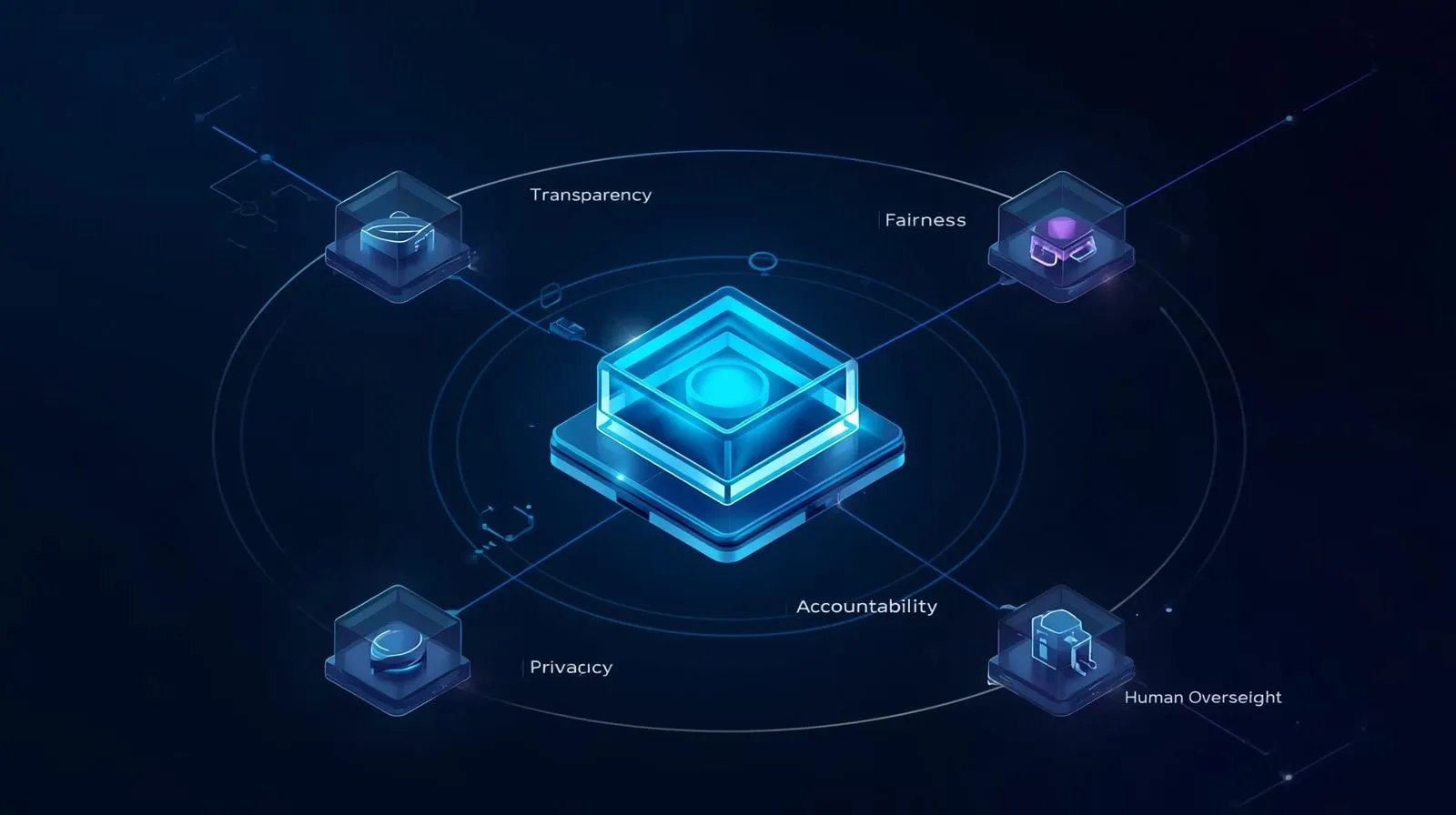
الشكل 2: فرق التسعير هو في الواقع فرق في طريقة النشر: خدمة مستضافة تمر عبرها البيانات مقابل بوابة تعمل داخل حدود بنيتك التحتية.
النص البديل: يختلف Requesty و TrueFoundry بشكل أساسي عبر حدود النشر المؤسسي
يعمل Requesty بشكل جيد عندما تحتاج الفرق إلى خيارات متعددة للنماذج دون الحاجة إلى تشغيل بنية تحتية للبوابة. تقلل خدمته المُدارة من جهد الإعداد مع توفير التوجيه الذكي، وتجاوز الفشل، والمراقبة، وضوابط الميزانية. وهذا ما قد يجعله البديل الأفضل للتكامل المباشر مع مزودي الخدمة لبعض أحمال العمل في مراحلها الأولى.
يعد Requesty خياراً مناسباً عندما:
تخيل فريق منتج ينفق 500 دولار شهرياً على الموردين عبر مفتاح Requesty الموحد. ستضيف رسوم البوابة حوالي 25 دولاراً بموجب الهيكل الحالي البالغ 5%. نادراً ما يكون بناء نظام توجيه ومراقبة داخلي مماثل منطقياً بهذا الحجم.
يتغير المشهد عندما يتم توزيع حركة المرور عبر عدة فرق وسير عمل للوكلاء. قد تتطلب البيئات الأكبر ضوابط تكوين أقوى، وبيانات وصفية مفصلة، وشبكات خاصة، وسياسات هوية موحدة. غالباً ما تكون هذه المتطلبات أكثر أهمية من نسبة الرسوم نفسها.
لافتة تحسين معدل التحويل (CRO):
العنوان: ارتقِ بحوكمة الذكاء الاصطناعي إلى ما هو أبعد من توجيه النماذج المستضافة
النص الفرعي: تحكم في النماذج والأدوات والوكلاء والميزانيات والسياسات من بوابة واحدة
زر اتخاذ إجراء (CTA): ابدأ الآن
النص البديل: تعمل TrueFoundry على مركزية حوكمة الذكاء الاصطناعي للمؤسسات بما يتجاوز توجيه النماذج المستضافة
الرابط: https://www.truefoundry.com/book-demo?ref=requesty_ai_pricing
قد تظل أسعار Requesty AI جذابة حتى عندما تتجاوز المتطلبات المعمارية نموذج النشر الخاص بها. Requesty هي خدمة مُدارة بالكامل ولا توفر حالياً خيار الاستضافة الذاتية. يمكن لفرق المؤسسات الاستفادة من إقامة البيانات في الاتحاد الأوروبي عبر فرانكفورت واختيار نقاط نهاية إقليمية للنماذج حيثما توفرت.
يتطلب موقفها المتعلق بالاحتفاظ بالبيانات قراءة دقيقة. يتم تفعيل تسجيل البيانات (Logging) ذاتياً بشكل افتراضي، ويمكنه الاحتفاظ بمحتوى المطالبات لمدة تصل إلى 30 يوماً. يمكن للفرق تعطيل تسجيل المحتوى لكل مفتاح على حدة، كما يتوفر خيار عدم الاحتفاظ بالبيانات على مستوى المؤسسة بالكامل عند الطلب الكتابي.
تذكر Requesty حالياً أن برنامجها لشهادة SOC 2 Type II لا يزال قيد الإعداد، وتدرج صفحة الأمان الخاصة بها تاريخ الإنجاز المتوقع خلال الربع الثالث من عام 2026. يجب على فرق المشتريات في المؤسسات التحقق من حالة الاعتماد الحالية مباشرة قبل الاعتماد عليها لأغراض الامتثال.
يجب على فرق المؤسسات طرح الأسئلة التالية:
تنطبق الأسئلة نفسها عندما يتحول تطبيق الدردشة إلى سير عمل مستقل. يمكن للوكلاء استدعاء النماذج بشكل متكرر واستدعاء الأنظمة الداخلية. عندئذٍ، تتجاوز متطلبات التحكم مجرد اختيار النموذج لتشمل الهوية، والأدوات، والتكاليف، وسياسة التنفيذ.
بالنسبة للمؤسسات التي تبحث عن الخيار الأفضل التالي بعد توجيه النماذج المُدارة، تلبي TrueFoundry مجموعة أوسع من احتياجات البنية التحتية. تعمل بوابة الذكاء الاصطناعي (AI Gateway) الخاصة بها على مركزية الوصول إلى النماذج، والتوجيه، وحواجز الحماية، وضوابط التكلفة، والمراقبة. يمكن تشغيل المنصة نفسها كخدمة سحابية (SaaS) أو داخل بيئات المؤسسات الخاصة.
تدعم TrueFoundry أيضاً مزودين مثل OpenAI وAnthropic وGoogle، بالإضافة إلى النماذج المستضافة ذاتياً من خلال واجهة واحدة. يمكن للفرق تتبع زمن الاستجابة، والتكاليف، والأخطاء، وتحليلات مستوى الطلب عبر حركة مرور الإنتاج المشتركة. يمكن للسياسات استخدام بيانات وصفية مخصصة لتحديد الفريق أو العميل أو المشروع أو البيئة.
تصبح الضوابط الثلاثة التالية مهمة مع توسع أعباء العمل:

وحدة تحكم بوابة TrueFoundry تعرض عناصر التحكم المرتبطة باستدعاء نموذج واحد: تفعيل التسجيل، مع التخزين المؤقت، وحواجز حماية المدخلات والمخرجات، وفتحات المخرجات المهيكلة في نفس الطلب.
النص البديل: عناصر تحكم بوابة TrueFoundry للذكاء الاصطناعي لكل استدعاء، تشمل التسجيل والتخزين المؤقت وحواجز الحماية
تستخدم TrueFoundry أيضاً واجهة متوافقة مع OpenAI، لذا لا يتطلب اعتمادها استخدام مجموعة تطوير برمجيات (SDK) جديدة. يمكن للتطبيقات الحالية توجيه روابطها (URLs) إلى البوابة مع الاحتفاظ بتنسيقات الطلبات المألوفة. يمكن لنقطة النهاية المحددة أن تمثل خدمة TrueFoundry السحابية (SaaS) أو بيئة مؤسسية خاصة.
from openai import OpenAI
client = OpenAI(
api_key="your_truefoundry_api_key",
base_url="https://gateway.truefoundry.ai", # أو نقطة نهاية VPC الخاصة بك
)
تعمل عناصر التحكم في التكلفة ضمن مسار الطلب. يمكن للفرق تحديد حصص قائمة على التكلفة أو على عدد الرموز (tokens) لكل مستخدم أو خدمة أو نموذج أو سير عمل. وبناءً على ذلك، يمكن للبوابة تقييد النشاط أو خفض مستواه أو حظره وفقاً للسياسة المتبعة.
تصبح هذه البنية مفيدة عندما يُراد الحفاظ على استقلالية كود التطبيق عن منطق المزود. كما أنها تجعل عمليات التجاوز التلقائي عند الفشل، والتوجيه، والميزانيات متسقة عبر جميع أعباء العمل بدلاً من تنفيذ كل قاعدة على حدة.

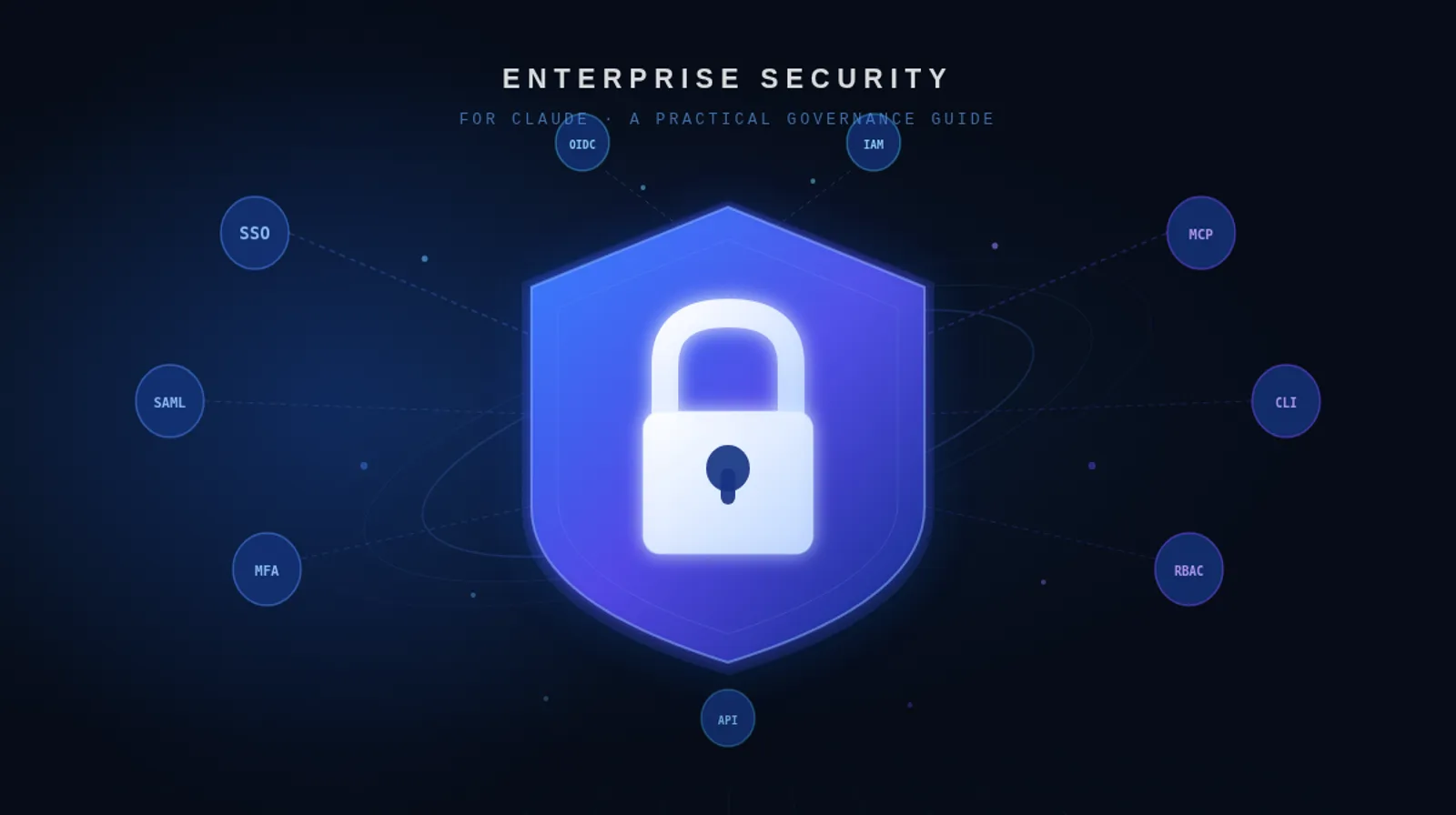
الشكل 3: حدود النشر ونطاق الحوكمة هما اللذان يحددان ذلك، وليس هامش الربح.
تتفوق Requesty في إدارة الوصول إلى مزودي خدمات متعددين. بينما تخدم TrueFoundry المؤسسات التي تحتاج إلى بوابة، وحركة مرور للنماذج، وأدوات MCP، ووكلاء ضمن طبقة بنية تحتية واحدة خاضعة للحوكمة.
بالنسبة للمؤسسات التي تقارن إجمالي تكاليف Requesty AI بمتطلبات الحوكمة، قد تكون حدود النشر في النهاية عاملاً حاسماً أكثر من رسوم النماذج الأساسية.
احجز عرضاً توضيحياً مع TrueFoundry لتقييم متطلباتك المتعلقة بتوجيه النماذج، وحوكمة الوكلاء، والنشر، والتحكم في التكاليف.
تفرض Requesty هامش ربح بنسبة 5% على تكاليف النماذج الأساسية للوصول القياسي بنظام الدفع حسب الاستخدام. لا توجد رسوم معلنة لكل مستخدم أو حد أدنى للإنفاق. تتضمن الخطة المجانية 200 طلب يومياً. وتذكر Requesty حالياً أن حركة المرور عبر مفاتيحك الخاصة (BYOK) لا تخضع لأي هامش ربح، بينما تستخدم خطط المؤسسات تسعيراً مخصصاً للتحكم المتقدم والدعم.
الوصول المباشر للمزود يتجنب هامش الربح البالغ 5% الذي تفرضه Requesty بنظام الدفع حسب الاستخدام. تغطي هذه الرسوم التوجيه المدار، وخطط الطوارئ، والتخزين المؤقت، والمراقبة، والميزانيات، والوصول الموحد للنماذج. يغير خيار BYOK المعادلة لأن Requesty توثق حالياً هامش ربح بنسبة 0% عندما يقدم العملاء مفاتيحهم الخاصة. لذا، يجب أخذ الجهد الهندسي والمتطلبات التشغيلية في الاعتبار بجانب أسعار الرموز (Tokens) الأساسية.
يؤدي اختيار النموذج عادةً إلى أكبر تباين لأن أسعار المدخلات والمخرجات تختلف بشكل كبير. كما يؤثر طول المخرجات، وعمليات إعادة المحاولة، واختيار المسار، وأداء التخزين المؤقت على إجمالي الإنفاق. يمكن أن تضيف متطلبات المؤسسات تسعيراً مخصصاً لخدمات SSO، وRBAC، وسجلات التدقيق، وضوابط الحماية، والدعم. قد يغير خيار BYOK أيضاً الجوانب الاقتصادية للشركات التي لديها بالفعل اتفاقيات تفاوضت عليها مع المزودين.
توفر Requesty خدمات SSO للمؤسسات، وRBAC، وسجلات التدقيق، وسياسات النماذج، وضوابط الإنفاق، وضوابط الحماية، وتوطين البيانات في الاتحاد الأوروبي. تظل المنصة مدارة بالكامل ولا تدعم حالياً الاستضافة الذاتية. كما أن برنامج SOC 2 Type II الخاص بها مدرج حالياً كقيد التنفيذ. لذا، يجب على المؤسسات مقارنة ضوابطها بمتطلبات النشر الداخلي، وتوطين البيانات، والامتثال الخاصة بها.
تعد TrueFoundry بديلاً قوياً عندما تحتاج المؤسسات إلى نموذج SaaS بجانب خيارات النشر في سحابة خاصة (VPC)، أو داخل مقر العمل، أو في بيئات معزولة (Air-gapped). تعمل بوابة الذكاء الاصطناعي الخاصة بها على حوكمة الوصول إلى النماذج، والتوجيه، والميزانيات، وضوابط الحماية. وتوسع بوابات MCP والوكلاء هذه الضوابط لتشمل أدوات المؤسسات وسير العمل المستقل. يناسب هذا النطاق الأوسع الفرق التي تتجاوز متطلبات بنيتها التحتية مجرد توجيه النماذج المستضافة.
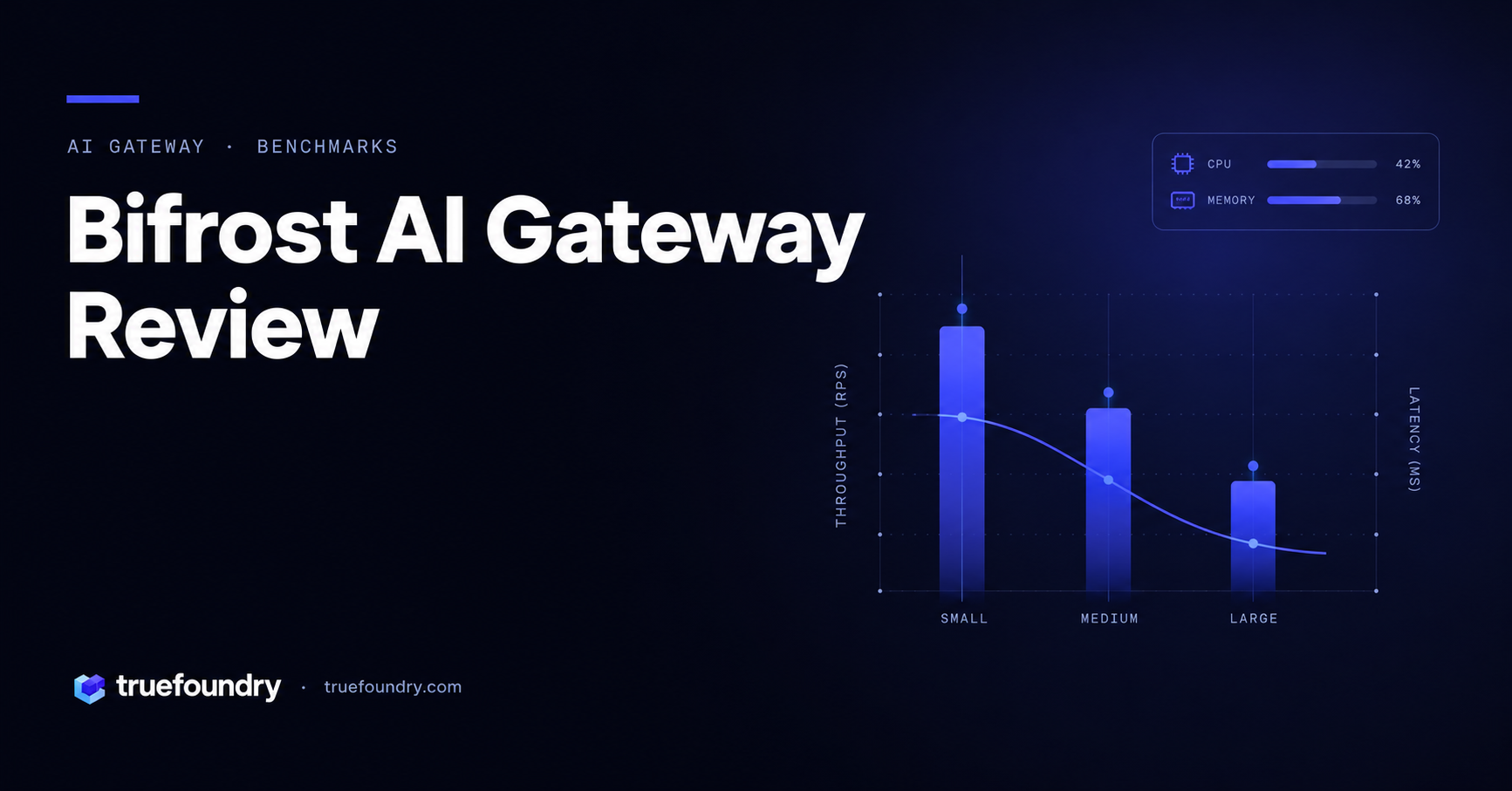
TrueFoundry AI Gateway delivers ~3–4 ms latency, handles 350+ RPS on 1 vCPU, scales horizontally with ease, and is production-ready, while LiteLLM suffers from high latency, struggles beyond moderate RPS, lacks built-in scaling, and is best for light or prototype workloads.





أحدث الأخبار والمقالات والموارد تصلك مباشرة إلى بريدك الوارد
.webp)

.png)
.png)
.png)
.png)
.png)
.png)
.png)
.png)
.png)

.png)
.png)


