.png)
October 17, 2026
|
5 minutos de lectura


Obtenga acceso instantáneo a un entorno TrueFoundry en vivo. Implemente modelos, dirija el tráfico de LLM y explore la plataforma completa: su sandbox estará listo en segundos, sin necesidad de tarjeta de crédito.


Published: October 7, 2026
¡Una forma increíblemente rápida de crear, rastrear e implementar sus modelos!
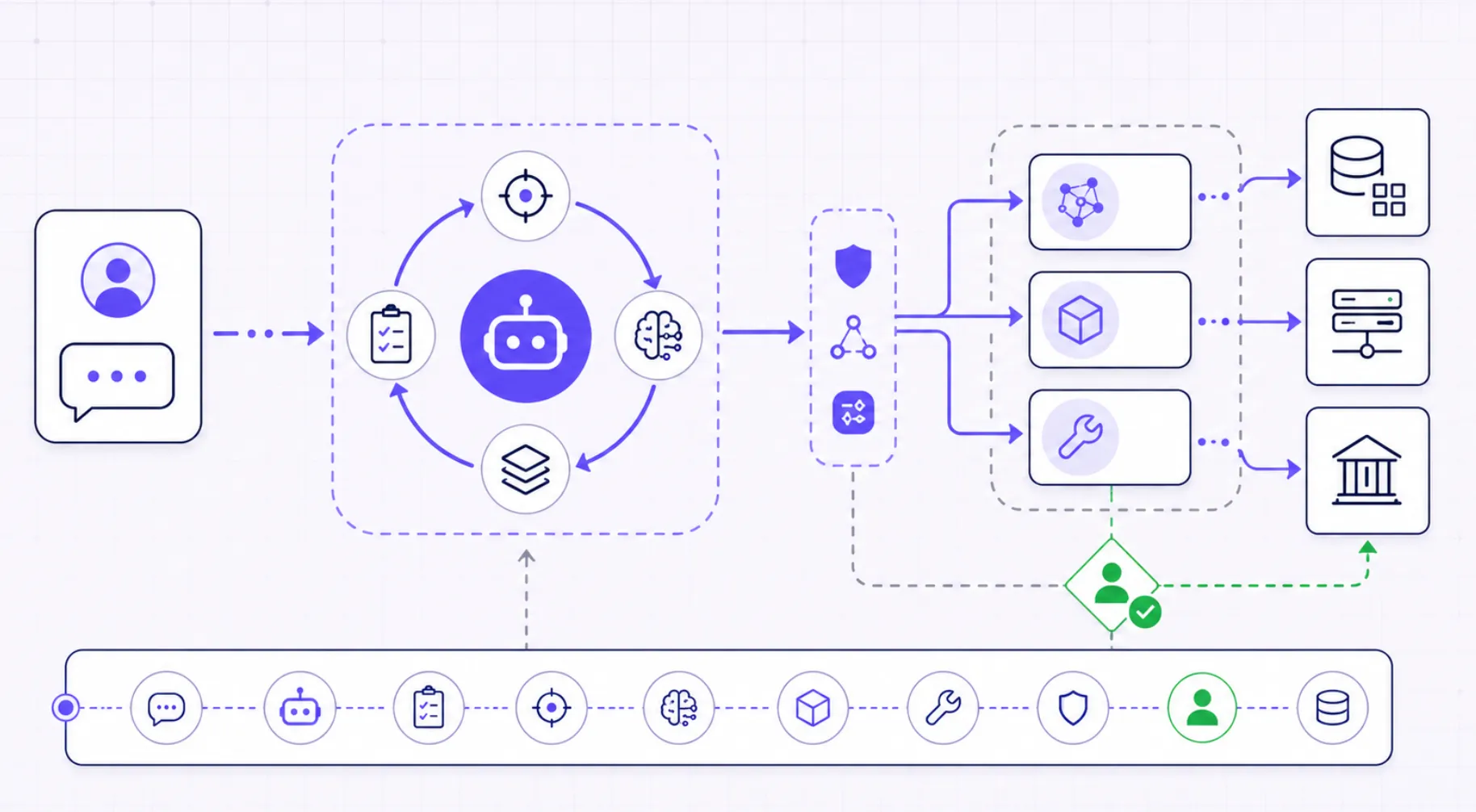
La colección de investigación "IA en 2026" de HBS Working Knowledge se enmarca bajo el concepto "De la adopción a lo agentico". Nuestra interpretación de la infraestructura es un cambio hacia la ejecución delegada: una vez que la IA puede realizar tareas a través de pasos, herramientas, sistemas y personas, las empresas deben decidir qué puede hacer el sistema, con qué autoridad, bajo qué controles y con qué pruebas posteriores.
Muchos de los primeros programas de IA generativa empresarial se centraron en el acceso y la adopción. Los sistemas agenticos amplían la unidad de trabajo: en lugar de un solo turno para obtener una respuesta, una ejecución puede abarcar llamadas a modelos, herramientas, estados persistentes, aprobaciones, reintentos y efectos secundarios externos.
Eso cambia la cuestión operativa. Un prompt puede solicitar información o una transformación; una ejecución de agente puede convertirse en una delegación de trabajo.
Ese es el hilo conductor de la investigación de HBS. El artículo sobre liderazgo plantea qué sucede cuando los ejecutivos obtienen equipos de apoyo digital. La investigación sobre puestos de trabajo pregunta qué tareas están dispuestas a delegar las personas. El estudio sobre trabajo en equipo analiza cuándo la IA mejora el resultado colaborativo. El estudio sobre préstamos pregunta qué valoran las personas cuando los algoritmos toman decisiones trascendentales. El debate sobre la densidad de talento analiza cómo las organizaciones convierten la experiencia escasa en una ventaja organizativa.
EnEn "Cómo es el liderazgo en un mundo de IA agentica", Tsedal Neeley y Ritcha Ranjan describen la IA agentica como un posible recurso de apoyo digital para los líderes: sistemas capaces de recopilar información, sintetizarla en función de las prioridades de la organización, preparar a los líderes para las interacciones y realizar tareas complejas de forma semiautónoma.
La implicación técnica es fácil de pasar por alto. Un "equipo de apoyo digital" útil no puede modelarse como una finalización única sin estado. Necesita un tiempo de ejecución que pueda preservar un problema, operar en varios turnos, utilizar herramientas, hacer pausas cuando se requiera criterio y exponer lo sucedido.
Este es el papel que desempeña un entorno de agentes (agent harness) . TrueForge, en su documentación oficial, se describe a sí mismo como un entorno de agentes que actúa como el tiempo de ejecución en torno a un LLM, el cual gestiona el bucle de ejecución de modelos y herramientas, mantiene el contexto de tareas largas, admite herramientas y habilidades MCP, proporciona ejecución en entornos aislados (sandboxed) cuando es necesario, hace pausas para la aprobación humana, admite subagentes y persiste las sesiones tras reconexiones y reinicios.
La afirmación debe mantenerse dentro de unos límites: TrueForge puede hacer que la ejecución de un agente sea duradera y auditable. No determina las prioridades de un líder, no decide qué tareas deben delegarse ni sabe en qué consiste un buen liderazgo.
La investigación de James Riley en HBS sobre las actitudes públicas hacia la automatización encuestó a 2357 personas en 940 ocupaciones. Los encuestados apoyaron la automatización de aproximadamente el 30% de los puestos de trabajo con las capacidades actuales; al pedirles que imaginaran una IA que superara a los humanos a un menor coste, el apoyo aumentó al 58%. Sin embargo, un grupo significativo de ocupaciones siguió mostrando resistencia social o moral a la automatización.
Para la arquitectura empresarial, la lección importante no es el porcentaje principal. Es que los límites de la delegación dependen del contexto. Algunos trabajos pueden realizarse sin supervisión. Otros deben ser aumentados. Algunos requieren una decisión humana incluso cuando el modelo es técnicamente capaz de actuar.
Esto argumenta en contra de un "modo autónomo" universal. Un sistema de producción necesita puntos de control explícitos:
TrueFoundry MCP Gateway se adapta de forma natural al límite de herramientas compartido: registro y descubrimiento, identidad entrante, control de acceso a nivel de herramienta, credenciales posteriores, barreras de seguridad antes y después de la herramienta, flujos de trabajo de aprobación y auditoría para el tráfico MCP enrutado a través de la puerta de enlace. puerta de enlace de IA (AI Gateway) proporciona un límite de modelo correspondiente con acceso unificado, RBAC, límites de tasa, presupuestos, enrutamiento/alternativas, barreras de seguridad y observabilidad.
La autorización de producción también debe preservar los distintos principales. El humano o la carga de trabajo es el sujeto en cuyo nombre se realiza el trabajo; el agente registrado es el actor que realiza la llamada; y el servicio descendente aplica la credencial y la autoridad empresarial configuradas para ese destino. El diseño de beta Agent Identity de TrueFoundry puede mantener la trazabilidad del usuario o servicio mientras identifica y autoriza por separado al agente que realiza la llamada. Eso todavía no otorga un derecho empresarial: el permiso para acceder a process_refund es diferente del permiso para reembolsar un pedido concreto por un importe determinado.
Ninguna de las dos puertas de enlace toma la decisión empresarial subyacente por usted. Si un reembolso, préstamo, despliegue o cambio de permisos tiene reglas de autorización específicas del dominio, esas reglas siguen perteneciendo a la política y al sistema de registro pertinentes.
El artículo de HBS “When AI Joins the Team, Better Ideas Surface” informa sobre un experimento de campo con 791 profesionales de Procter & Gamble. Los equipos que utilizaron IA produjeron las soluciones de mayor calidad en el experimento; las ideas situadas en el 10% superior tenían tres veces más probabilidades de provenir de equipos que utilizaban IA que de personas que trabajaban sin ella. La IA también redujo el tiempo de finalización en un 16% para los individuos y en un 13% para los equipos. El estudio final revisado por pares se publicó en Organization Science en 2026.
Eso no significa que todas las empresas deban crear un enjambre de agentes. Sugiere algo más sutil: la IA puede ampliar el acceso a la experiencia y ayudar a disolver los silos funcionales cuando se integra en un sistema de trabajo bien diseñado.
Para los equipos de infraestructura, esto plantea un problema de reutilización. Si cada equipo construye sus propios adaptadores de modelos, credenciales de herramientas, bucles de agentes, experiencia de usuario para aprobaciones, habilidades y seguimientos, la organización obtiene una aceleración local pero una fragmentación global.
Un patrón más escalable es:
El beneficio organizativo no es "más agentes". Es que las prácticas útiles se vuelven reutilizables en lugar de quedar atrapadas en un solo prompt, en el portátil de un desarrollador o en la integración privada de un equipo.
La investigación de Elisabeth Paulson sobre los responsables de la toma de decisiones humanos frente a los algorítmicos estudió a aproximadamente 9.000 participantes. En el escenario de préstamos, los participantes tenían 4,3 puntos porcentuales más de probabilidades de elegir a un director de banco humano que a un algoritmo. Los participantes seguían mostrando una preferencia media por los responsables de la toma de decisiones humanos, pero el estudio concluyó que los atributos de rendimiento del responsable de la toma de decisiones importaban colectivamente más que si era humano o algorítmico.
Eso no es prueba de que la equidad, la legalidad o el debido proceso puedan sacrificarse. El estudio en sí evalúa las preferencias declaradas en dos experimentos conjuntos, no la validez en el mundo real de implementar un sistema de decisión automatizado. La lección más sólida de los sistemas es más limitada: las afirmaciones de rendimiento necesitan pruebas medibles, mientras que las obligaciones legales, éticas, de privacidad, equidad, transparencia e implementación deben evaluarse de forma independiente.
Eso requiere separar al menos cuatro capas:
El modelo de Agente → Sesión → Turno → Evento de TrueForge puede preservar la evidencia de tiempo de ejecución en torno a una ejecución. Las pasarelas de TrueFoundry añaden telemetría de solicitudes y límites de herramientas para el tráfico que se enruta a través de ellas. Esos registros son sustratos útiles para la depuración, revisión, evaluación y auditoría, pero un seguimiento no es en sí mismo un evaluador, y una aprobación no sustituye a una autorización.
En la entrevista de HBS Working Knowledge con Boris Groysberg, el argumento central es que adquirir el mejor talento en IA es más fácil que integrar ese talento para que su conocimiento se combine en toda la organización. La "densidad de talento" no trata solo del número de personas excepcionales; trata de colocar a personas fuertes en roles críticos y crear condiciones donde su experiencia cambie el rendimiento del sistema que les rodea.
Esta investigación conlleva implicaciones a nivel de infraestructura. Los ingenieros de IA altamente cualificados deberían dedicar su escaso tiempo a la arquitectura, la evaluación, el criterio de producto, la elección de modelos y herramientas, y la lógica distintiva del negocio, en lugar de reconstruir la autenticación, los adaptadores de proveedores, la gestión de credenciales de herramientas, el estado de aprobación, la contabilidad de costes y la infraestructura de trazabilidad para cada aplicación.
Registro de habilidades de TrueFoundry es especialmente relevante en este contexto. Proporciona un catálogo compartido de habilidades de agente reutilizables y versionadas, con control de acceso basado en roles (RBAC) para repositorios, historial de versiones y auditoría. Esto convierte un procedimiento útil de una técnica individual en un activo organizacional. El mismo principio se aplica a los agentes registrados, las políticas de pasarela, las reglas de enrutamiento, los presupuestos y la observabilidad compartida.
Al integrar los cinco temas de HBS, se sugiere un modelo operativo empresarial que no se basa ni en que "los humanos aprueben todo" ni en que "los agentes ejecuten todo". Se trata de un sistema de delegación por capas:
La investigación de HBS es de carácter organizacional, no una especificación de arquitectura de software. Sin embargo, una vez que una organización acepta la premisa de que la IA operará cada vez más como un compañero de equipo, un delegado y un participante en la toma de decisiones, surge una serie de cuestiones de infraestructura inevitables.
Considere un agente de soporte que utiliza las herramientas get_orderyprocess_refund de la documentación de TrueForge. Una ruta de producción comienza persistiendo la solicitud del cliente, la sesión y el contexto de identidad. El agente puede recuperar el pedido a través de MCP Gateway, pero la accesibilidad de la herramienta es solo la primera comprobación: la aplicación o el sistema de pedidos debe confirmar que este cliente —o el servicio que actúa en nombre del cliente— puede acceder a ese pedido y que el pedido es elegible para un reembolso.
Si el modelo propone process_refund, el tiempo de ejecución debe crear una acción pendiente antes de cualquier mutación. Ese registro debe vincular la aprobación al pedido, importe, motivo, ID de operación y versión de política o datos exactos. Un revisor aprueba esa acción específica, no la herramienta en abstracto ni todos los conjuntos de argumentos futuros. Si el pedido cambia materialmente mientras la ejecución está en pausa, la acción debe ser revalidada o enviada de nuevo para su aprobación.
Tras la aprobación, TrueForge puede continuar la sesión encadenada desde el estado persistente. La solicitud de mutación debe incluir una clave de idempotencia o un ID de operación estable. Si la conexión se agota, el sistema no debe asumir un fallo y repetir el reembolso a ciegas; debe conciliar la operación con el sistema de pedidos o pagos autorizado y volver a intentarlo solo cuando el resultado registrado lo permita. Esta distinción separa el agente decidió intentar un reembolso,se emitió la llamada a la herramienta, yel reembolso se ejecutó correctamente.
Los eventos de TrueForge y los seguimientos de Gateway permiten correlacionar la propuesta, las comprobaciones de políticas, la aprobación, la llamada, la respuesta, la latencia y el coste. El recibo del sistema de registro sigue siendo la prueba definitiva del resultado. Los evaluadores pueden trabajar sobre el registro consolidado (conjuntos de regresión offline, comprobaciones de trayectoria o éxito de tareas y supervisión de resultados tras el despliegue) sin pretender que el seguimiento por sí mismo garantice la calidad. El valor de la plataforma reside en la coherencia de estos límites: el estado en tiempo de ejecución, la política del modelo, la política de herramientas, la identidad, la aprobación y las pruebas permanecen conectados, mientras que la autorización empresarial y la verdad final siguen residiendo en el sistema de dominio.
La expresión «de la adopción a la IA agente» es útil porque marca un cambio real en la responsabilidad. Cuando la IA es una herramienta, el humano realiza el trabajo y la IA ayuda. Cuando la IA se vuelve agente, parte del trabajo se delega en un sistema capaz de elegir pasos intermedios e interactuar con capacidades externas.
Por eso la arquitectura de agentes empresariales no puede limitarse a la selección del modelo. La organización necesita un entorno de ejecución para el trabajo delegado y planos de control en torno a los recursos a los que ese trabajo puede acceder.
TrueForge es el arnés de agentes de código abierto de TrueFoundry para esta capa de ejecución. puerta de enlace de IA (AI Gateway),MCP Gateway,Registro de Agentes, yRegistro de Habilidades proporcionan control compartido y superficies de reutilización en torno a modelos, herramientas, agentes y conocimiento procedimental. Nada de esto sustituye al criterio organizativo. Juntos, proporcionan la infraestructura necesaria para codificar políticas, aplicar el acceso, preservar las pruebas de ejecución y mejorar el comportamiento de los agentes con el paso del tiempo.
Nota editorial: Harvard Business School, HBS Working Knowledge y el profesorado mencionado no están afiliados a este artículo ni respaldan a TrueFoundry. La investigación de HBS se utiliza como marco externo; todas las asignaciones de productos y conclusiones sobre infraestructura son análisis editorial de TrueFoundry. Las capacidades del producto se describen a partir de la documentación pública disponible a fecha de 1 de septiembre de 2026.
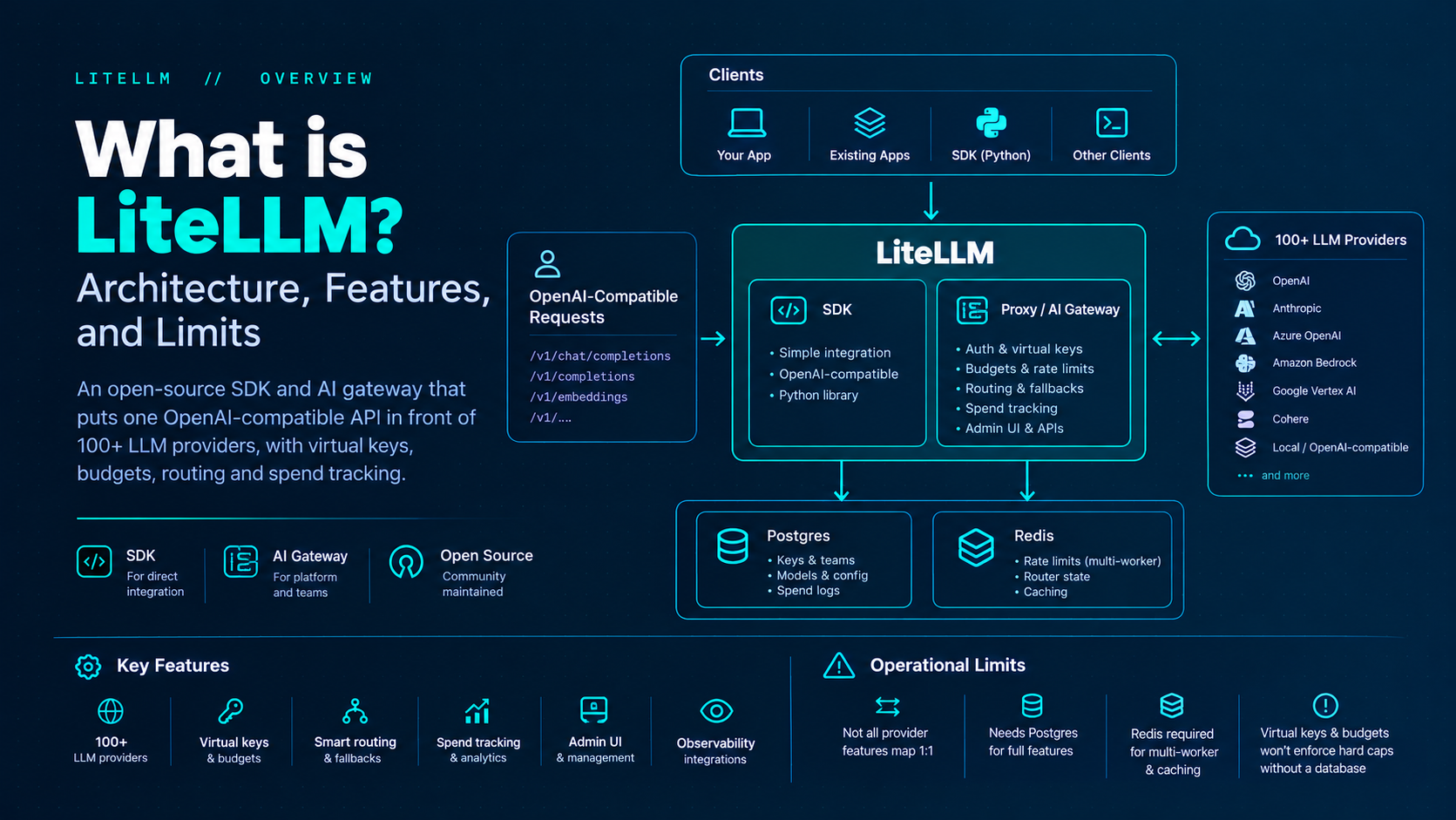
TrueFoundry AI Gateway ofrece una latencia de entre 3 y 4 ms, gestiona más de 350 RPS en una vCPU, se escala horizontalmente con facilidad y está listo para la producción, mientras que LitellM presenta una latencia alta, tiene dificultades para superar un RPS moderado, carece de escalado integrado y es ideal para cargas de trabajo ligeras o de prototipos.





Las últimas noticias, artículos y recursos enviados a tu bandeja de entrada
.png)
.png)
.png)
.png)
.png)
.png)
.png)
.png)