September 23, 2026
|
5 min read

Published: September 11, 2026

Blazingly fast way to build, track and deploy your models!
For DevOps engineers and architects operating within the AWS perimeter, Amazon Bedrock Agents—architecturally known as the AgentCore runtime—is the standard path for building agentic workflows. It standardizes the complex recursive loops required for agents, handling the reasoning, memory, and API orchestration that developers previously hand-rolled using libraries like LangChain.
Adopting a managed agent framework, however, often necessitates a tradeoff between initial velocity and long-term architectural control. It couples application logic to a specific cloud provider's orchestration philosophy. This report analyzes the technical architecture of Amazon Bedrock Agents, evaluates the operational realities regarding observability, and contrasts it with an agnostic control plane approach using the TrueFoundry Platform.
Bedrock Agents function as an orchestration engine designed to execute multi-step tasks. Unlike a stateless InvokeModel API call, an Agent operates as a stateful loop.
When defining an Agent in Bedrock, developers configure three distinct primitives:
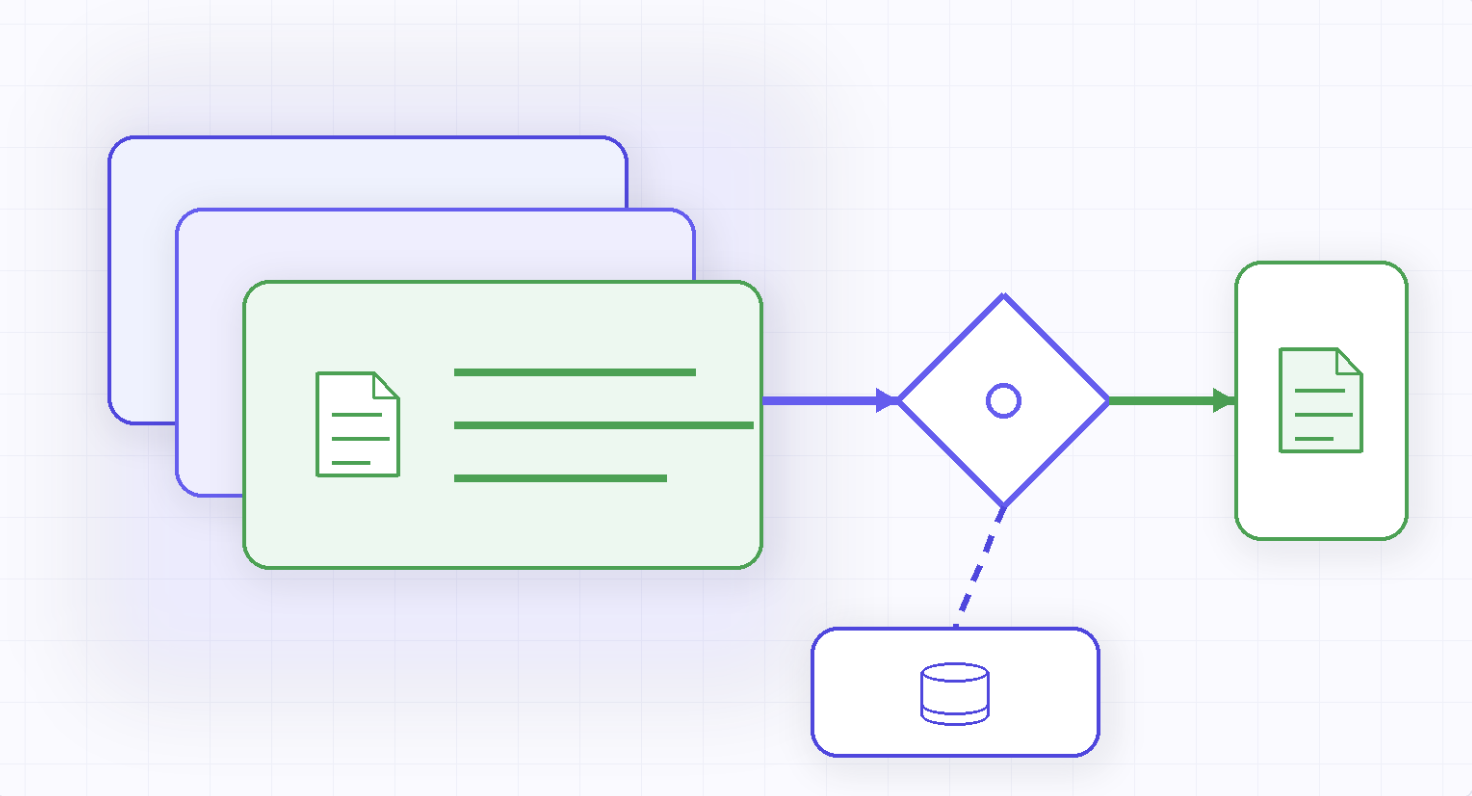
The primary utility is automating the reasoning steps. When a user asks to "Check the inventory for Item X and update the database," the runtime decomposes this request:
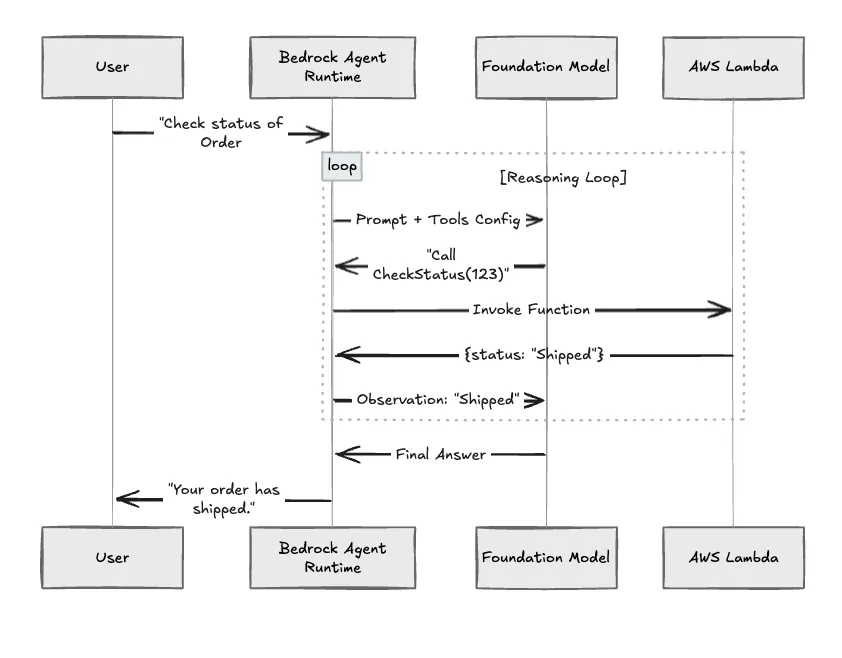
Fig 1: The recursive orchestration loop managed by AWS Bedrock Agents.
Managed services accelerate initial deployment, but Day 2 operations—debugging, scaling, and migration—often reveal the cost of abstraction.
In a fully managed runtime, the prompt loop is abstracted. The system instructions and tool definitions are constructed by AWS and sent to the LLM behind the service boundary.
If an agent hallucinates or calls the wrong tool, debugging can be complex because the raw context window and intermediate reasoning steps are often managed implicitly. This can lead teams to focus on debugging the final output rather than inspecting the granular reasoning process.
Architectures using an AI Gateway like TrueFoundry keep the orchestration logic transparent. The agent's "brain" runs on your infrastructure, ensuring every prompt, token, and reasoning step is visible in tracing tools like OpenTelemetry or Arize.
Bedrock Agents are optimized for the AWS ecosystem. Calling a tool natively typically implies that the tool exists as a Lambda function.
If an enterprise uses external tools—such as a Snowflake database, a Salesforce API, or a service hosted on Azure—developers often coordinate via wrapper Lambdas in AWS to bridge the gap. This can introduce additional latency and maintenance overhead.
The industry is currently coalescing around the Model Context Protocol (MCP), an open standard allowing agents to connect to data sources universally. TrueFoundry is designed to be MCP-native, acting as a neutral hub where an agent can connect to a Google Drive MCP server, a local Postgres database, and an AWS Lambda function simultaneously, without custom infrastructure wrappers.
TrueFoundry proposes a Control Plane architecture. Instead of bundling the model, runtime, and tools into a single vertical cloud service, this approach decouples them.
Here, the Cloud Provider (AWS, Azure, GCP) functions as the scalable backend for compute and models, while the TrueFoundry Gateway remains the governable interface for applications.
A defining characteristic of Bedrock Agents is the architectural binding to Bedrock models (Titan, Claude, Llama on Bedrock). Complex agents perform many steps, and using a high-end model like Claude 3.5 Sonnet for every step of a recursive loop can drive up costs.
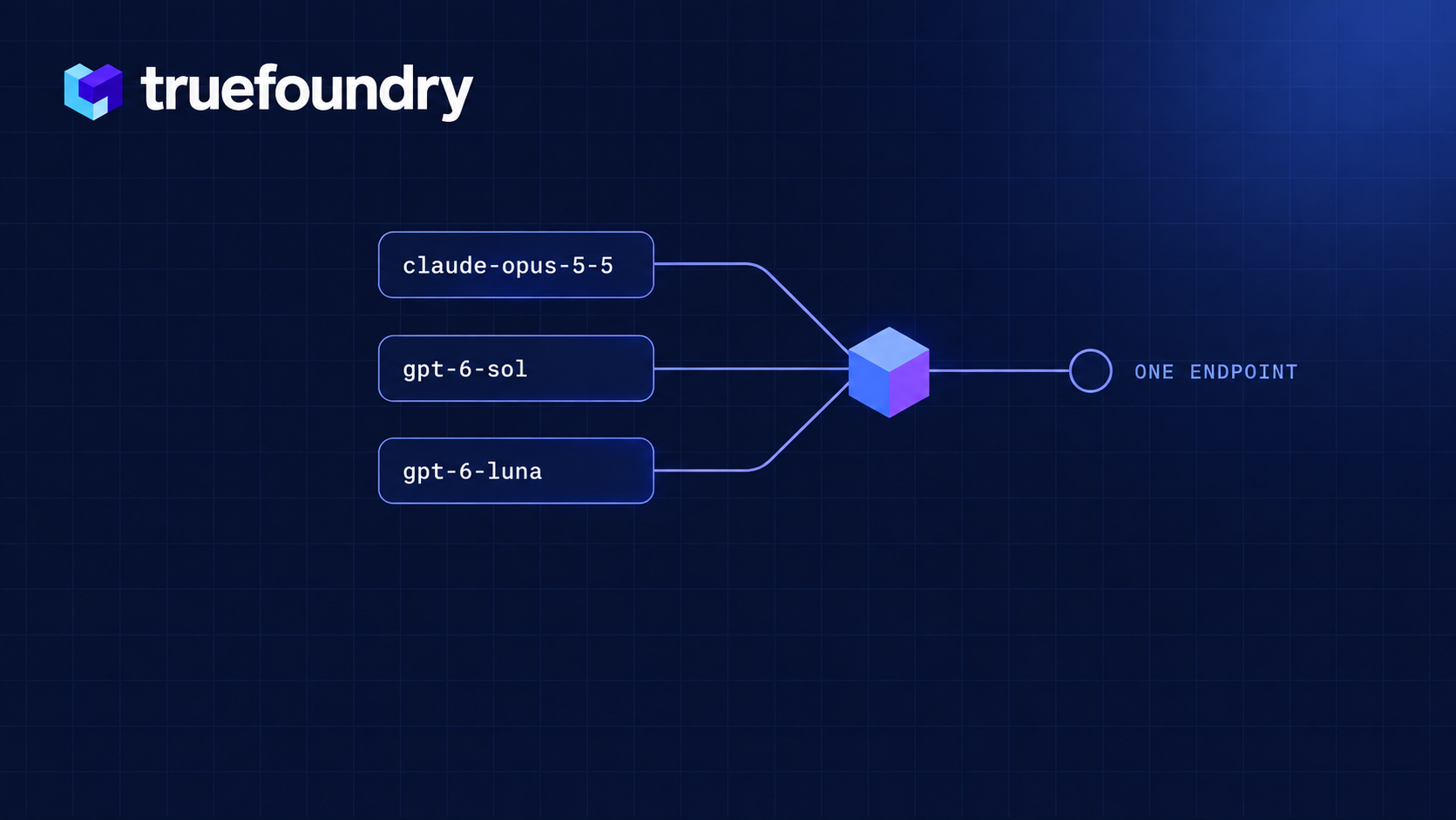
TrueFoundry facilitates semantic routing. The Gateway analyzes the complexity of a step; if the agent merely needs to extract a date from a string, the request routes to a more cost-effective model (like Meta Llama) hosted on AWS Spot Instances. If the step requires complex reasoning, it routes to GPT-4o or Claude 3.5 Opus.
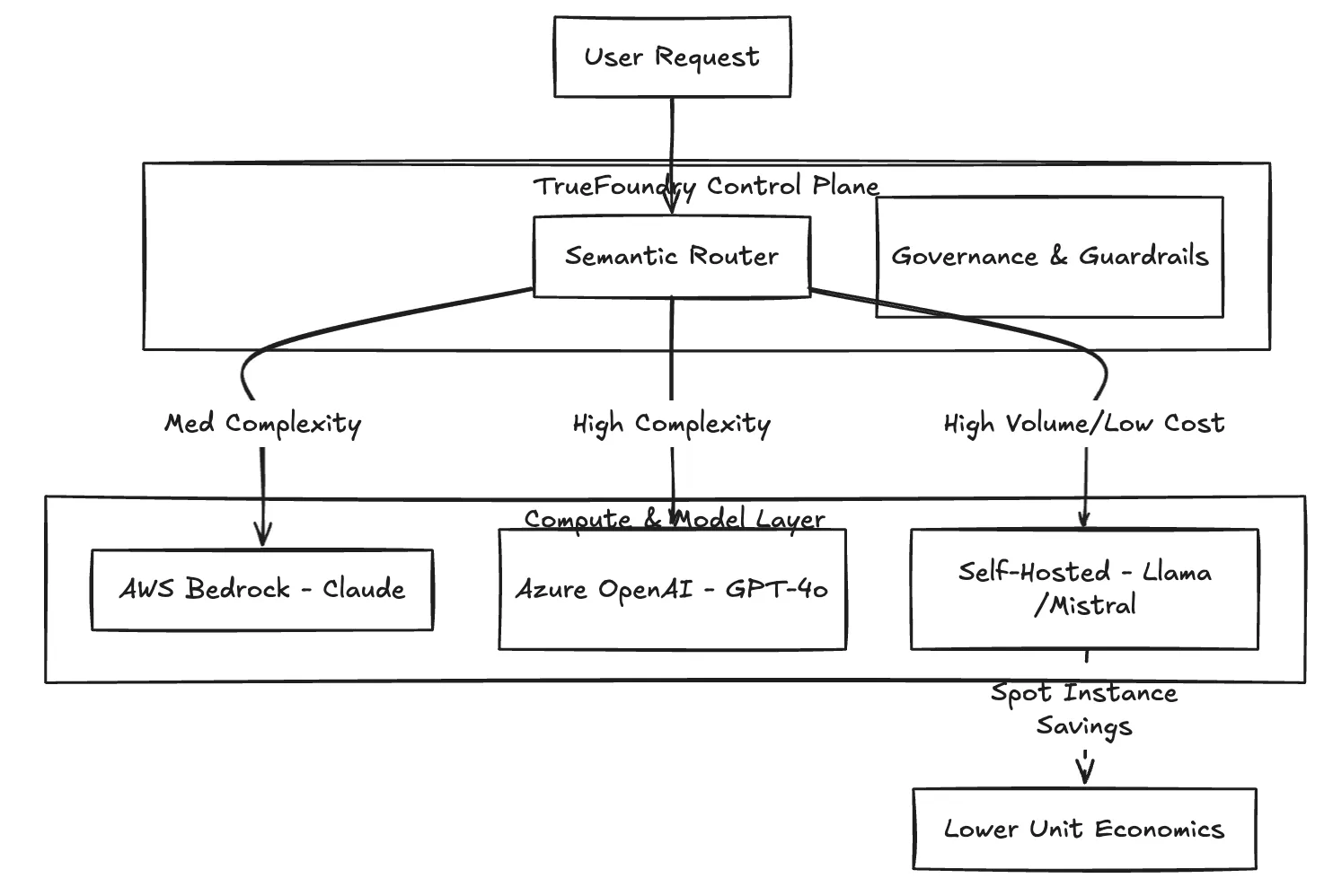
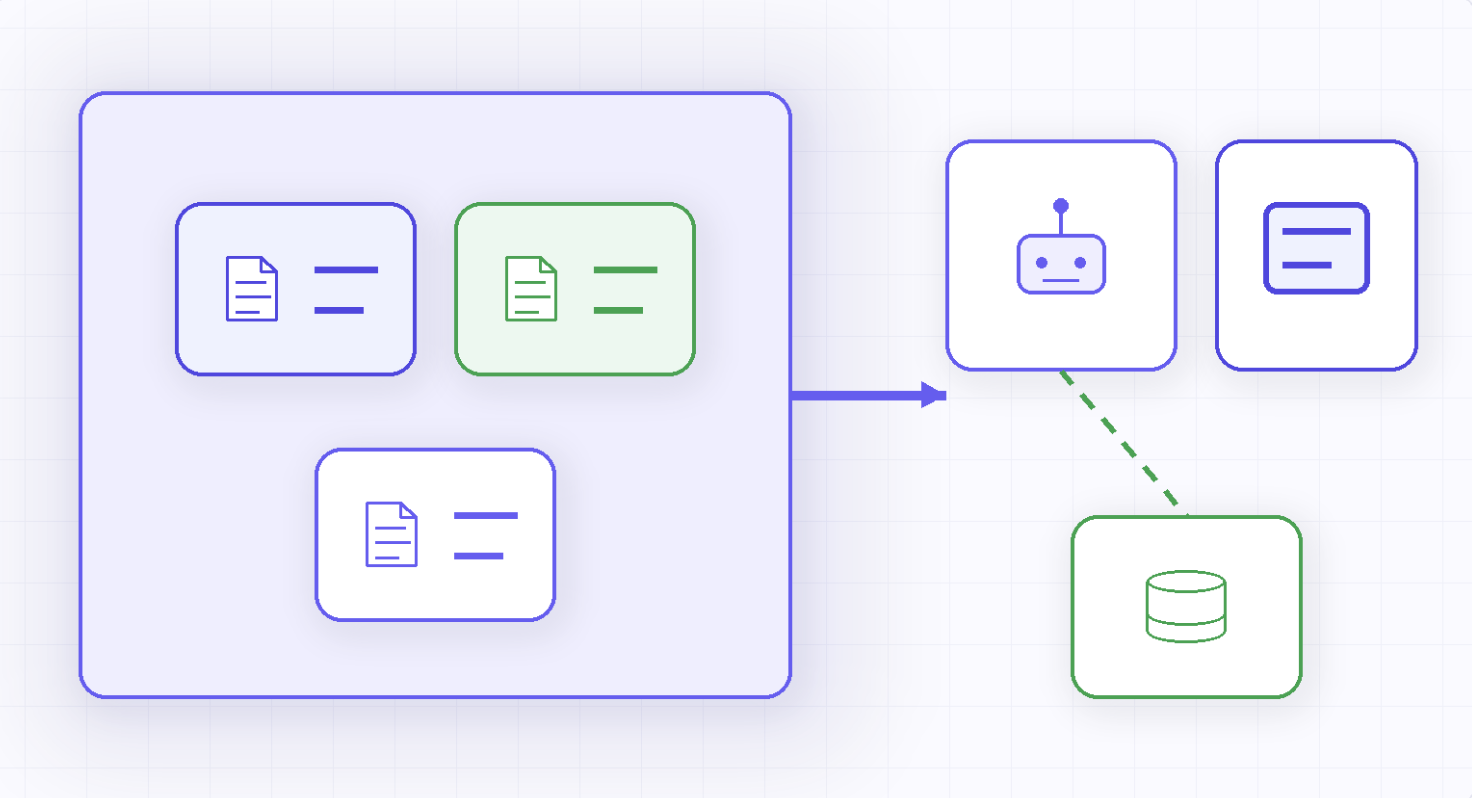
Fig 2: TrueFoundry’s routing logic optimizes unit economics by matching task complexity to the most cost-effective provider.
This table contrasts the capabilities of the AWS managed service against the TrueFoundry control plane.
For many enterprises, the future is not "All-in on AWS" or "All-in on Azure," but a hybrid state dictated by data gravity and cost.
AgentCore excels when the entire lifecycle of the data—from ingestion to inference—lives inside AWS. However, as agentic workflows scale, they often require access to data in Microsoft SharePoint, Customer Data Platforms on Google Cloud, or on-premise warehouses.
TrueFoundry facilitates a cross-cloud routing pattern. The agent's logic resides in the control plane, allowing it to reach out to tools across different clouds without traversing complex VPNs or manually configuring API Gateways. This future-proofs the stack; if Azure OpenAI Service releases a new model that outperforms Claude, or if Llama 3 becomes viable for a specific use case, switching the underlying engine is a configuration change rather than a code rewrite.
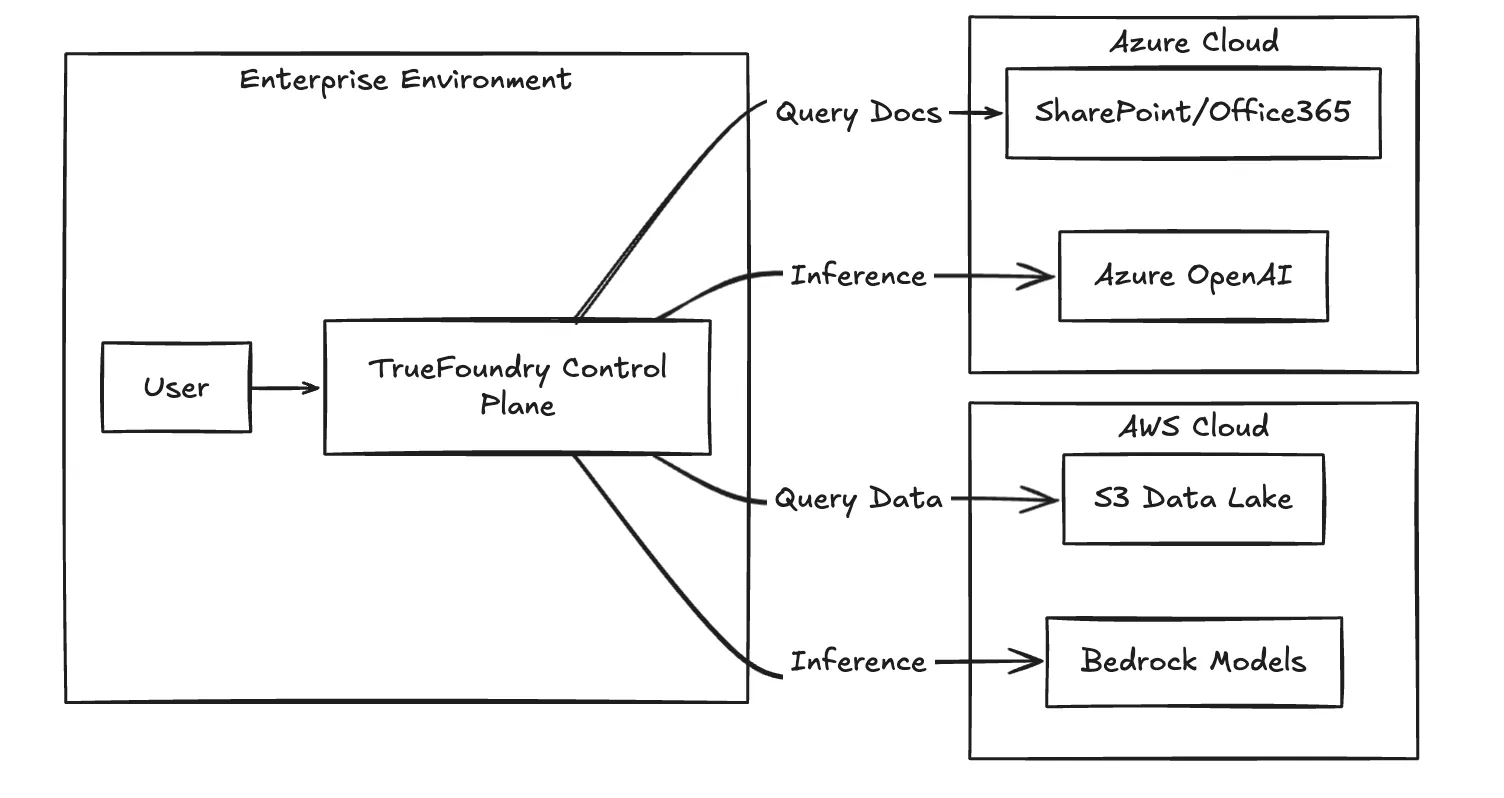
Fig 3: The TrueFoundry routing architecture enabling cross-cloud data access.
The choice between the AWS managed service and the TrueFoundry control plane is effectively a choice between integration speed and architectural optionality.
TrueFoundry AI Gateway delivers ~3–4 ms latency, handles 350+ RPS on 1 vCPU, scales horizontally with ease, and is production-ready, while LiteLLM suffers from high latency, struggles beyond moderate RPS, lacks built-in scaling, and is best for light or prototype workloads.






The latest news, articles, and resources sent to your inbox
.png)

.png)
.png)
.png)
.png)
.png)
.png)
.png)
.png)
.png)