


September 15, 2026
|
5 min read


Published: June 17, 2026
.webp)
Blazingly fast way to build, track and deploy your models!
Electricity demand is surging. Grids are aging. Emissions pressure keeps tightening. The workforce that built the grid is also retiring faster than utilities can replace it. The International Energy Agency reports that advanced economies have 2.4 energy workers nearing retirement for every worker under 25.
Renewable capacity is expanding faster than older grid operations systems were designed to handle. The operating environment for utility companies in 2026 looks very different from previous cycles. Utilities now need faster forecasting, stronger resource allocation, and more resilient operational systems across the value chain.
AI-first utilities are responding by redesigning core operations across generation, transmission, energy distribution, and customer workflows. National Grid Partners reported that 96% of utility leaders now view AI as a strategic focus. This shows how fast AI adoption has moved from pilots into boardroom planning.
The shorthand for this shift is AI utility. It means applying artificial intelligence, machine learning, generative AI, computer vision, and autonomous agents to energy and water operations. This guide explains what is AI utility, which use cases matter in 2026, and how TrueFoundry supports governed production deployments.
AI utility is the application of AI to the operations, infrastructure, and customer-facing functions of energy and water companies. The AI utility meaning covers two related dimensions. One is operational improvement across assets and workflows. The other is strategic redesign of how utilities make decisions.
The operational axis is easy to identify. Models analyze sensor data, forecast energy demand, detect equipment anomalies, and adjust grid flows in real time. These systems use historical data, live telemetry, weather conditions, and usage patterns to support faster decisions across utility operations.
The strategic axis runs deeper. Decisions that once required large teams of analysts can now happen through intelligent systems. These systems support planning, field operations, energy management, asset management, and customer support. This gives AI utility a crucial role in modern utility transformation.
Most leading energy companies have moved beyond isolated pilots. AI now sits near the operational core. It supports energy efficiency, outage response, forecasting, compliance, and customer workflows. The technology does more than improve old processes. It changes how the whole operating model works.
Investment scale reflects the shift. PowerLines found that investor-owned utilities plan to spend at least $1.4 trillion in capital expenditures through 2030. The spend supports grid modernization, rising load, and AI-related electricity demand.
Demand is rising in parallel. EIA-linked reporting shows US power consumption reached 4,082 billion kWh in 2024. It was projected to rise to 4,239 billion kWh in 2026. That demand shift increases pressure on power supply, energy supply, and grid planning.
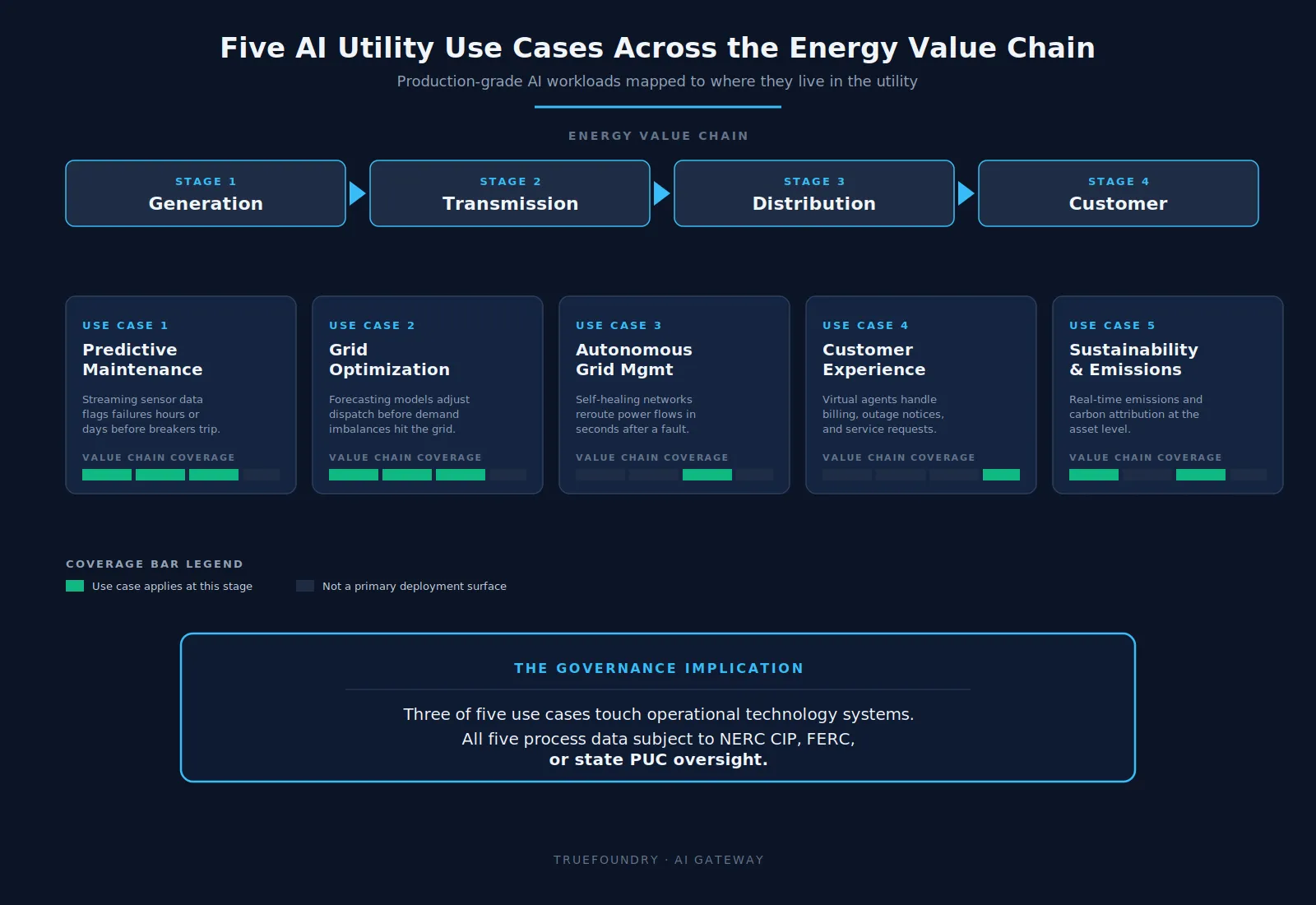
Five use cases are producing practical results in 2026. They cover the energy value chain from power generation to the meter. Most utilities running production AI use at least three of them across operations, customer teams, and regulatory functions.
The potential of AI in utilities extends across generation, distribution, field operations, and customer engagement. Better energy resource management helps utilities balance demand, improve reliability, and plan for a sustainable future. This becomes vital as renewable capacity, electrification, and distributed energy assets reshape utility planning.
Streaming sensor data from transformers, substations, and transmission lines feeds AI models. These models flag failure signatures before equipment fails. Vibration anomalies, thermal drift, partial discharge patterns, and related signals often appear before traditional inspections find the issue.
The same patterns appear in model outputs hours or days before faults occur. This changes maintenance from calendar-driven cycles to condition-based intervention. Predictive maintenance can reduce downtime, extend asset life, and support direct cost savings across large service territories.
Best for: Transmission and distribution asset managers running aging infrastructure across large coverage areas, where every truck roll has a real cost and downtime translates directly into lost revenue.
Forecasting models combine weather feeds, historical consumption, smart meters, and live grid telemetry. They predict demand spikes before imbalances affect dispatch. This is becoming essential as data center load, electrification, and distributed energy sources reshape demand profiles.
Grid Strategies reported that utilities’ five-year summer peak demand forecasts rose sharply between 2023 and 2024. Much of the new load is tied to AI data center construction. Forecast accuracy at this scale directly affects grid performance and operational resilience.
Best for: Grid operations teams managing renewable integration alongside legacy baseload generation, particularly inside deregulated RTO markets like PJM, MISO, and ERCOT.
When a fault occurs, AI systems detect it and automatically reroute power flows, reducing outage duration without placing a human operator at every decision point. Self-healing distribution networks have already shaved meaningful minutes off average customer interruption duration in production deployments, especially in dense urban networks where the topology offers multiple reconfiguration paths.
The most important decisions happen in the first seconds after a fault. Human response alone cannot match that timescale. Autonomous systems improve response times, support smart grids, and help stabilize the utility system during high-stress events.
Best for: Distribution system operators managing dense urban networks where outage restoration time directly affects regulatory performance metrics like SAIDI, SAIFI, and CAIDI.
Routine billing questions and outage notifications once required human agents. Many now resolve through AI-powered virtual agents. This lowers call volume, improves customer service, and gives support teams more time for complex disputes or vulnerable account cases.
Generative AI also helps representatives surface account history, payment plans, outage updates, and escalation context. This improves customer experience, shortens wait times, and strengthens customer engagement during storms, billing spikes, and service interruptions.
Best for: Customer operations teams managing high inbound contact volumes from residential and small-business accounts, particularly during storm season and bill-shock weeks.
Real-time emissions measurement and carbon accounting at the asset level, paired with optimization recommendations, help utilities make progress toward net-zero commitments without sacrificing operational reliability.
The audit posture for state and federal emissions reporting also tightens once carbon attribution gets that granular. And the same models that optimize generation dispatch can be wired to prioritize lower-carbon resources whenever grid conditions permit, turning sustainability targets into operational decisions rather than reporting line items.
AI also supports broader sustainability goals across the energy transition. Utilities can measure greenhouse gas emissions, reduce carbon emissions, and track the environmental impact of operational choices. The same approach can support waste management, waste disposal, supply chain decisions, and circular economy programs across energy and water networks.
Best for: Sustainability and regulatory affairs teams managing compliance with state and federal emissions reporting requirements.
Use case identification is the easy part. Pilot results follow without much trouble. So, where do utility AI programs actually fail?
Almost always at the same point — when the pilots scale into production across multiple teams, systems, and regions, and the governance layer that should have been built alongside the first pilot has to be retrofitted around a sprawling production deployment instead.
The specific governance failures that derail utility AI programs at scale follow a consistent pattern.
The same pattern shows up at investor-owned utilities, public power organizations, and rural cooperatives alike. Size, geography, and ownership model don't change the dynamic — and the underlying cause doesn't vary much either.
Governance built around the first pilot doesn't scale to the tenth, and governance retrofitted onto production at month 18 carries dramatically more risk than governance built into the platform on day one. The fix is structural, not procedural. Enforcement has to live at the infrastructure layer, where every AI call already passes through.
.webp)
Three governance capabilities separate AI utility programs that scale from those that stall. Each closes a production failure mode that appears across regulated utility deployments. Missing any capability creates a gap that the other layers cannot fully cover.
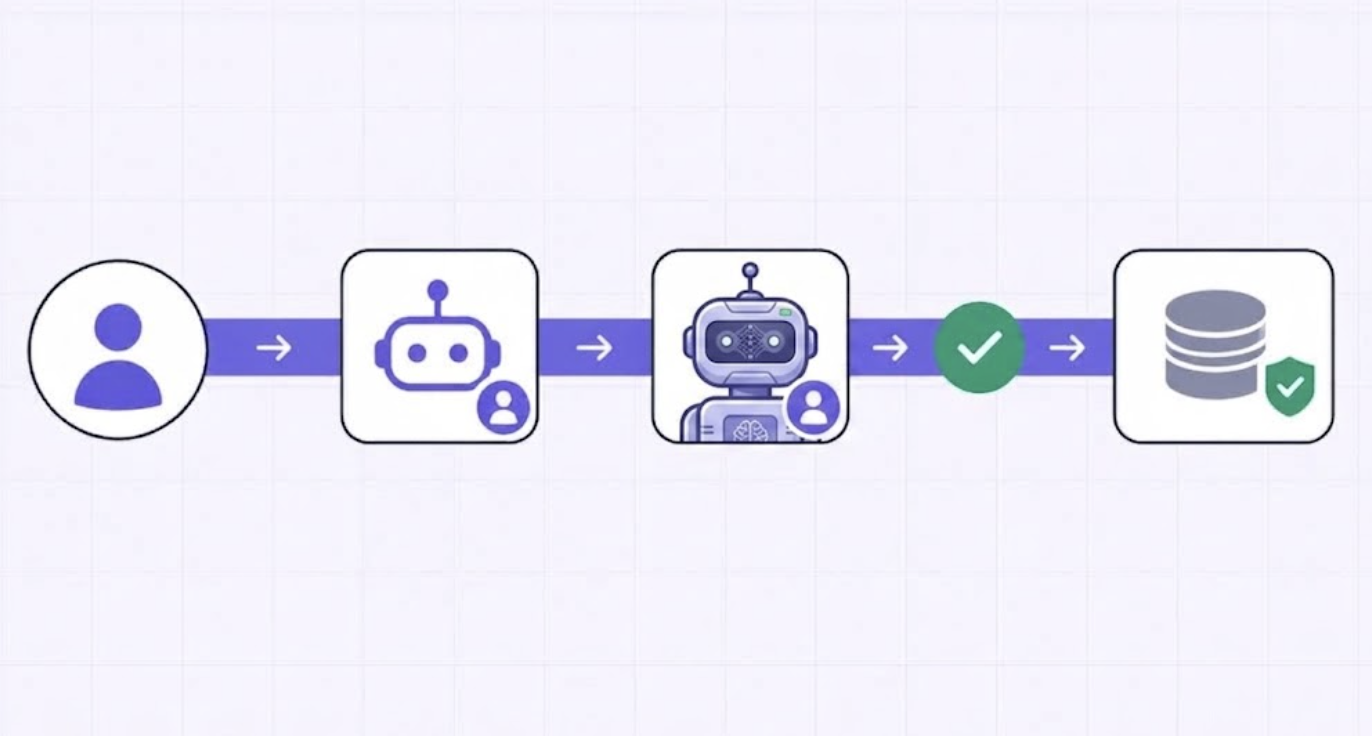
Every AI agent on utility infrastructure needs an authenticated identity. It also needs a defined permission scope before it touches tools or systems. Shared service accounts create a wide blast radius because every agent inherits broad permissions.
Audit trails from shared credentials also fail to reconstruct accountability. Per-department and per-use-case access controls solve this problem. A predictive maintenance agent should never invoke tools reserved for customer billing or outage communications.
Identity-aware governance also matters for Internet of Things deployments. Field devices, sensors, meters, and gateways create continuous data streams. AI systems using these inputs need access boundaries that match operational roles and risk categories.
A consolidated cloud bill at month-end isn't actionable data. Without real-time token and compute attribution down to department, use case, and environment, utility leadership can't tell which AI initiatives are returning value and which ones are quietly burning capital.
The same attribution layer is what makes hard budget limits enforceable at the gateway. Skip those caps and an agentic workload that loops over a high-volume operational data stream can blow through a quarterly inference budget in an afternoon and the postmortem won't arrive until the next billing cycle.
Cost governance also supports resource management, resource allocation, and procurement review. Utilities can align AI spend with business outcomes. This helps keep significant investment tied to measurable operational priorities and compliance requirements.
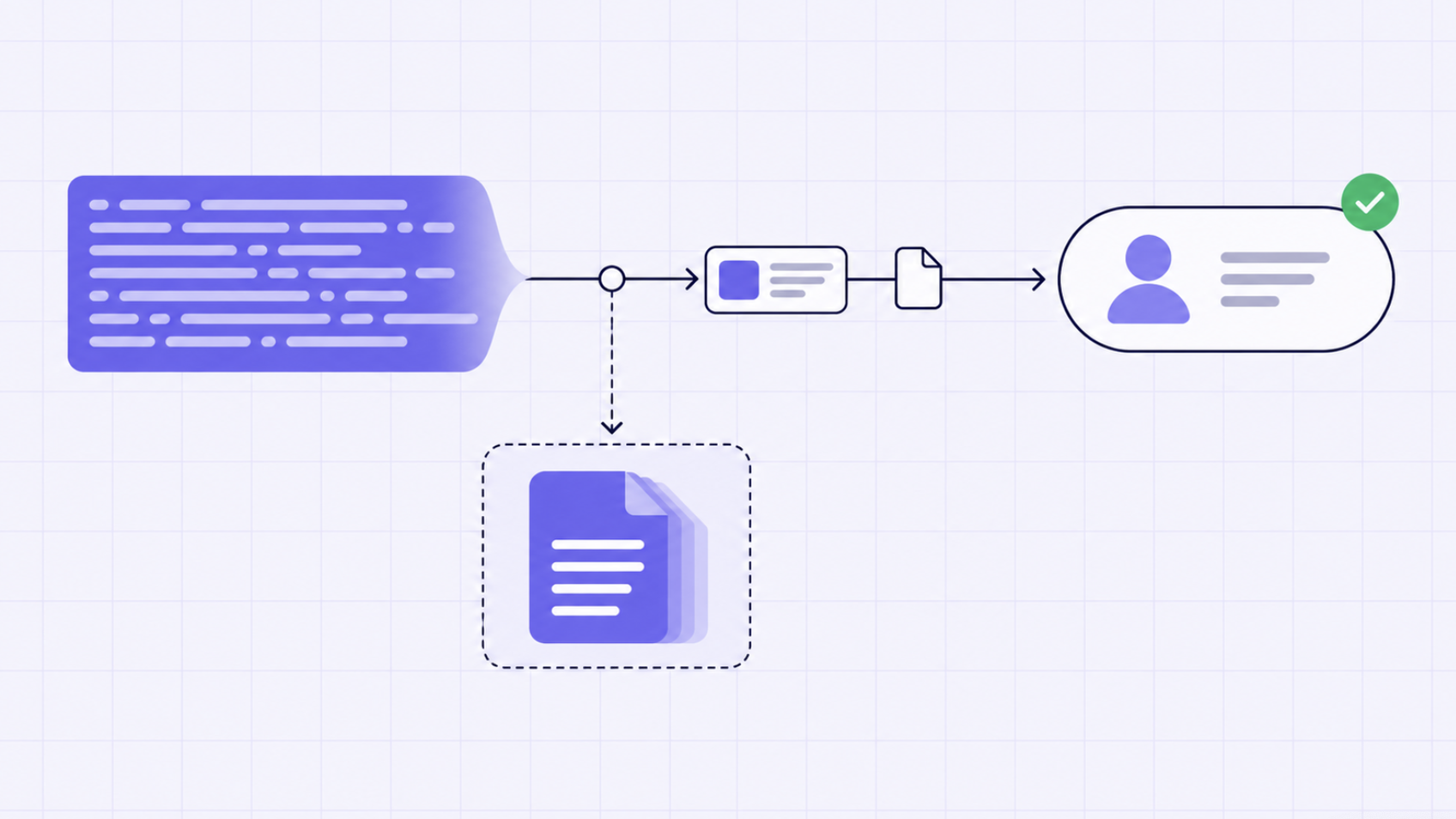
Every model call, every agent action, every tool invocation needs structured metadata logged against it. User identity. Model name. Input. Output. Timestamp. At minimum. And those records have to remain within the utility's own environment for regulatory review, not on a third-party SaaS platform.
For utilities operating under NERC CIP, FERC, and state public utility commission oversight, evidence sitting in a vendor's cloud isn't equivalent to evidence the utility holds inside its own security controls. Several state PUCs have already started making the distinction explicit in compliance guidance.
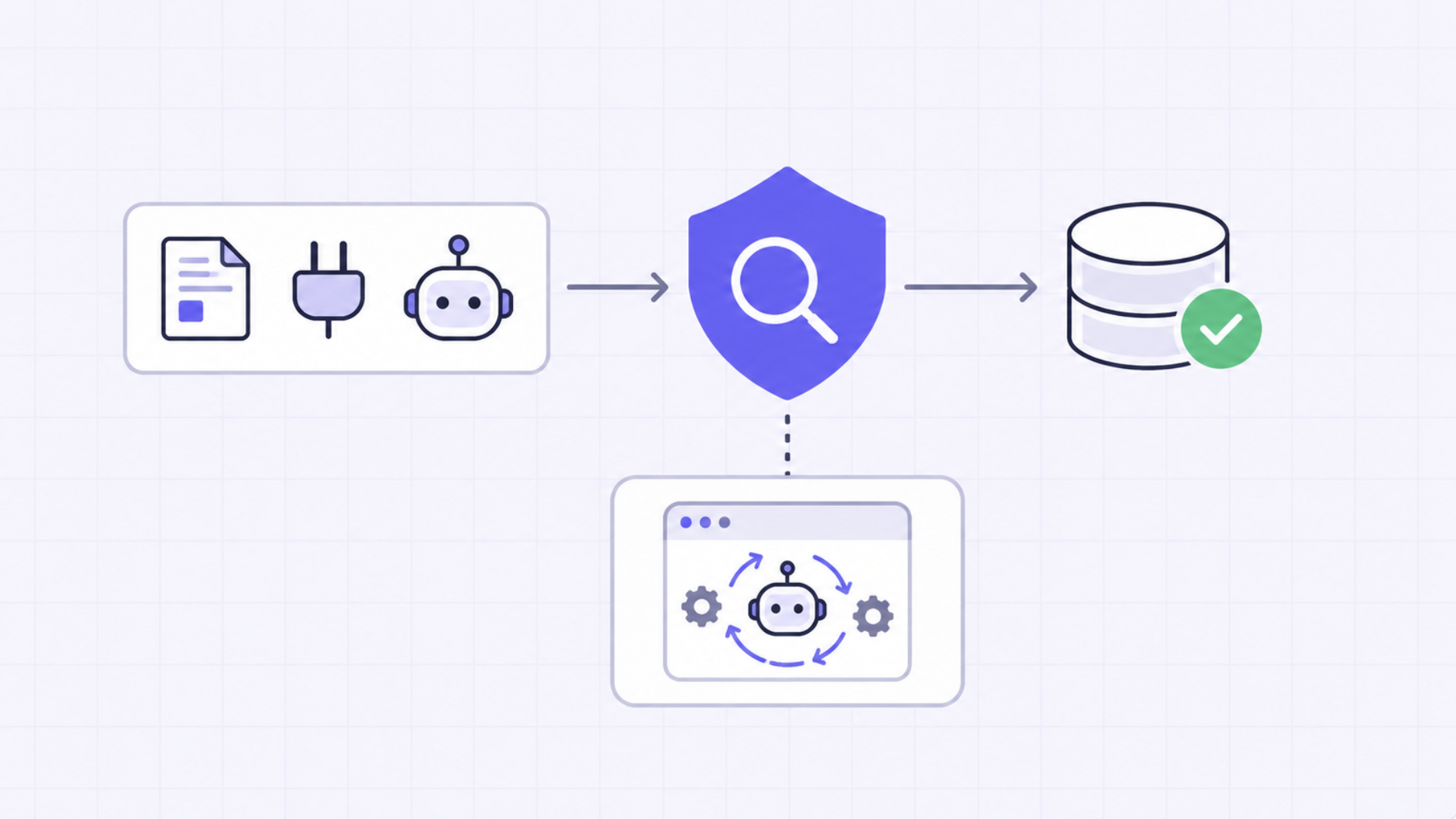
We built the TrueFoundry AI Gateway as the unified control plane for utility organizations running AI across operational and customer-facing workloads. The platform pulls together an LLM Gateway, an MCP Gateway, and an Agent Gateway, and the whole thing deploys within the utility's own AWS, GCP, or Azure environment.
Operational data never leaves the utility's security boundary. Residency and sovereignty requirements get satisfied at the architecture level, not as a configuration option that can be misconfigured later.
If your utility is moving from pilot AI to scaled AI production this year, the governance question matters as much as the use case selection. We can walk you through how TrueFoundry handles identity, cost, and audit across LLM, agent, and MCP workloads from a single control plane running in your own cloud.
Book a demo, and we'll run the gateway against your actual use cases, not a sandbox.
TrueFoundry AI Gateway delivers ~3–4 ms latency, handles 350+ RPS on 1 vCPU, scales horizontally with ease, and is production-ready, while LiteLLM suffers from high latency, struggles beyond moderate RPS, lacks built-in scaling, and is best for light or prototype workloads.



AI utilities are energy and water companies that use AI across operational and customer-facing workflows. These workflows may include grid management, energy consumption forecasting, outage response, billing support, and emissions optimization. In this guide, AI utility refers to utilities running production AI workloads tied to real operational decisions across energy, water, and customer systems.
The main types of AI utility include predictive maintenance, demand forecasting, grid optimization, autonomous grid management, customer experience automation, and emissions optimization. These categories support energy production, energy output, power demand planning, and renewable energy sources integration. They also help utilities manage energy storage, distributed assets, and grid reliability across complex environments.
A utility function in AI measures the desirability of different outcomes. It is used in decision theory, optimization, and reinforcement learning. This concept differs from AI utility in the energy sector, where predictive models and predictive analytics help improve utility operations, meter reading, asset decisions, and service planning.
Utilities use AI for predictive equipment maintenance, grid optimization, demand forecasting, fault detection, and customer service automation. AI also supports water demand planning, energy usage analysis, heat recovery, and energy management systems. It can improve data quality across operational records and support planning for electric vehicles, solar panels, and distributed energy assets.
Identity-aware access across AI agents. Cost attribution by department and use case. Audit trail retention inside the utility's own environment. And meeting NERC CIP, FERC, and state PUC oversight without retrofitting controls onto production deployments after the fact.



The latest news, articles, and resources sent to your inbox

.webp)
.webp)
.webp)


