September 17, 2026
|
5 min read


Published: June 18, 2026
.webp)
Blazingly fast way to build, track and deploy your models!
AI per-token pricing has reduced across several models, yet enterprise AI costs continue rising. This is happening because AI workloads have moved beyond single-call applications. Modern generative AI systems now support agents, tool calls, retries, multimodal reasoning, and long-running workflows.
A single user request can now trigger several model calls across planning, tool use, validation, and response generation. Recent research on agentic coding tasks found that agents can consume far more tokens than code chat or code reasoning, with large variation between runs. This makes cost management harder than traditional cloud budgeting.
Deloitte’s 2026 enterprise AI report shows that worker access to sanctioned AI tools grew by 50% in 2025. It also found that companies expect production-scale AI projects to grow sharply within months. This shift makes AI cost optimization strategies a board-level concern rather than a technical cleanup task.
This guide explains the practical optimization strategies enterprise teams need in 2026. It covers token spend, GPU usage, agent loops, semantic caching, cost attribution, and gateway-level cost governance. It also explains how TrueFoundry helps teams enforce AI cost optimization before spending escapes control.
.webp)
AI spending rarely grows in a clean, predictable line. Early experiments feel manageable because usage stays limited. Production changes the equation because teams add agents, workflows, AI applications, retrieval, monitoring, and continuous usage across departments.
The nature of AI spending also differs from ordinary cloud costs. Every request may carry model, token, tool, storage, retrieval, and infrastructure cost. Without cost monitoring at request level, teams see the bill after consumption has already happened.
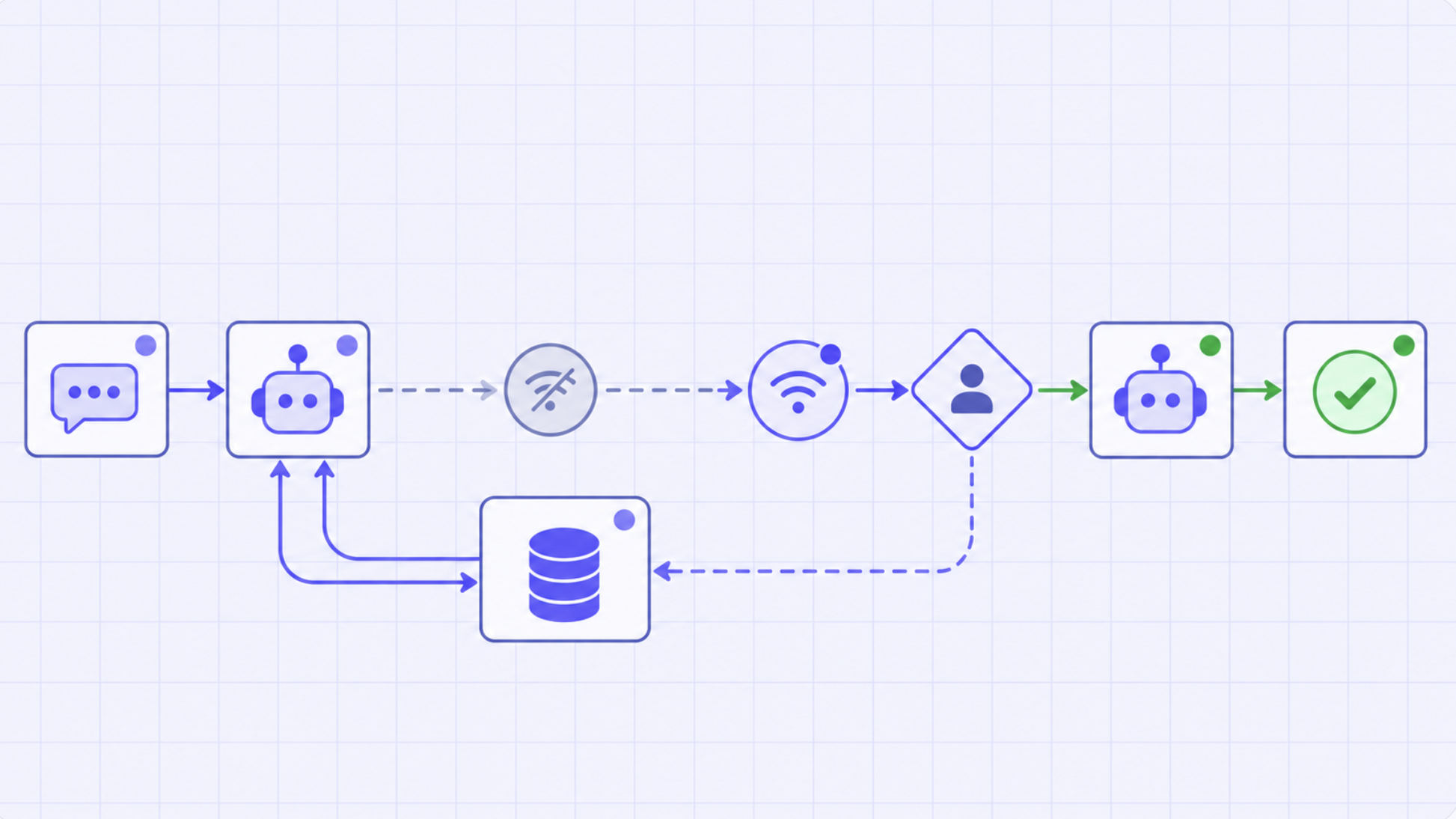
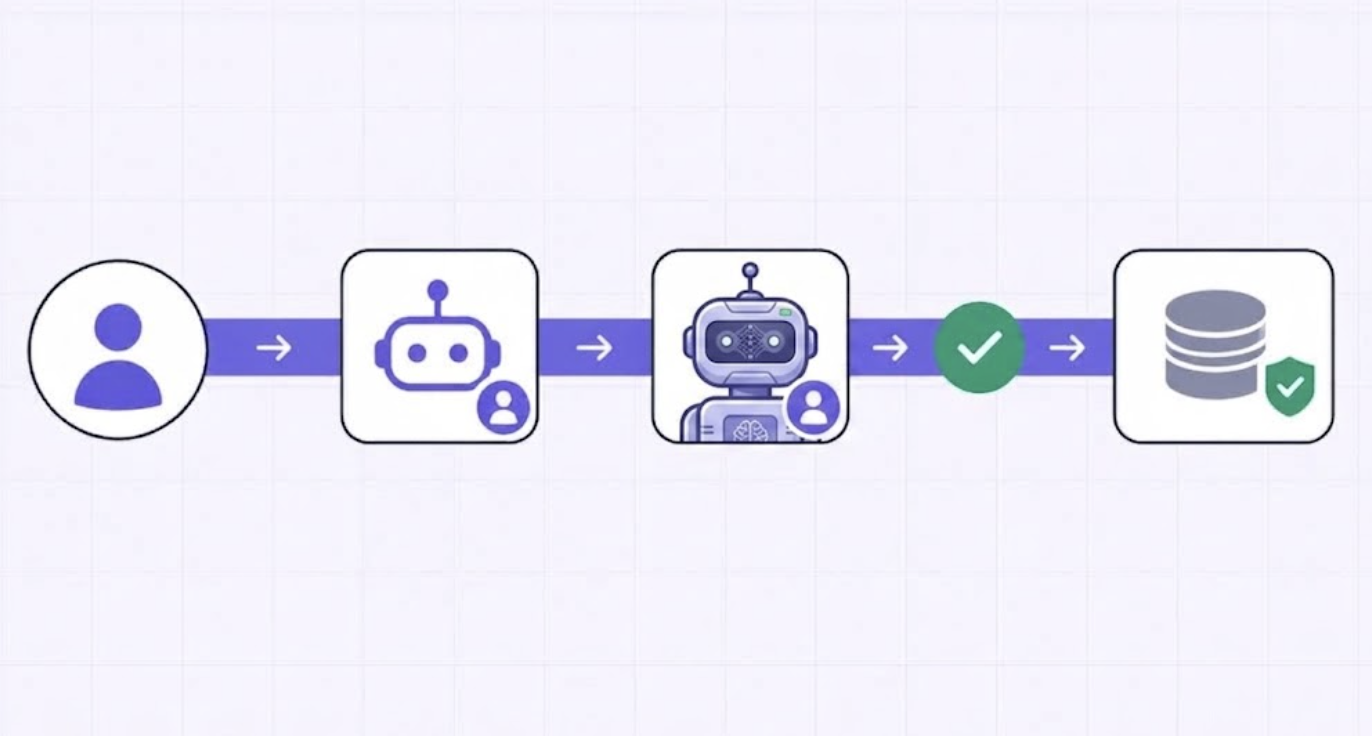
Chatbots usually process one query at a time. Agentic workflows behave differently. One task can include planning, calling tools, checking results, retrying failed steps, and correcting outputs. Each step may create a new model request.
The result is one request translating into many inferences. Each step can expand context through prior outputs, tool outputs, and conversation history. This increases token usage and raises operational costs across agents, copilots, and workflow automation.
Agentic AI also creates unpredictable resource utilization. A workflow may complete quickly in one run and consume far more tokens in another. Research shows that token use can vary widely across identical agentic tasks, making proactive controls essential.
Many models price output tokens higher than input tokens. This means the answer often costs more than the request. Long-form generation, summaries, reports, customer replies, and multistep reasoning outputs can increase spending quickly.
This matters because teams often optimize prompts while ignoring output size. The large language model may receive a compact instruction and still generate a long response. Output length limits, structured responses, and concise formatting can reduce spend while preserving user experience.
Provider dashboards often show account-level spending. They usually do not provide clear per-team, per-application, per-feature, and per-agent breakdowns. This weakens cost visibility and makes sudden cost spikes hard to explain.
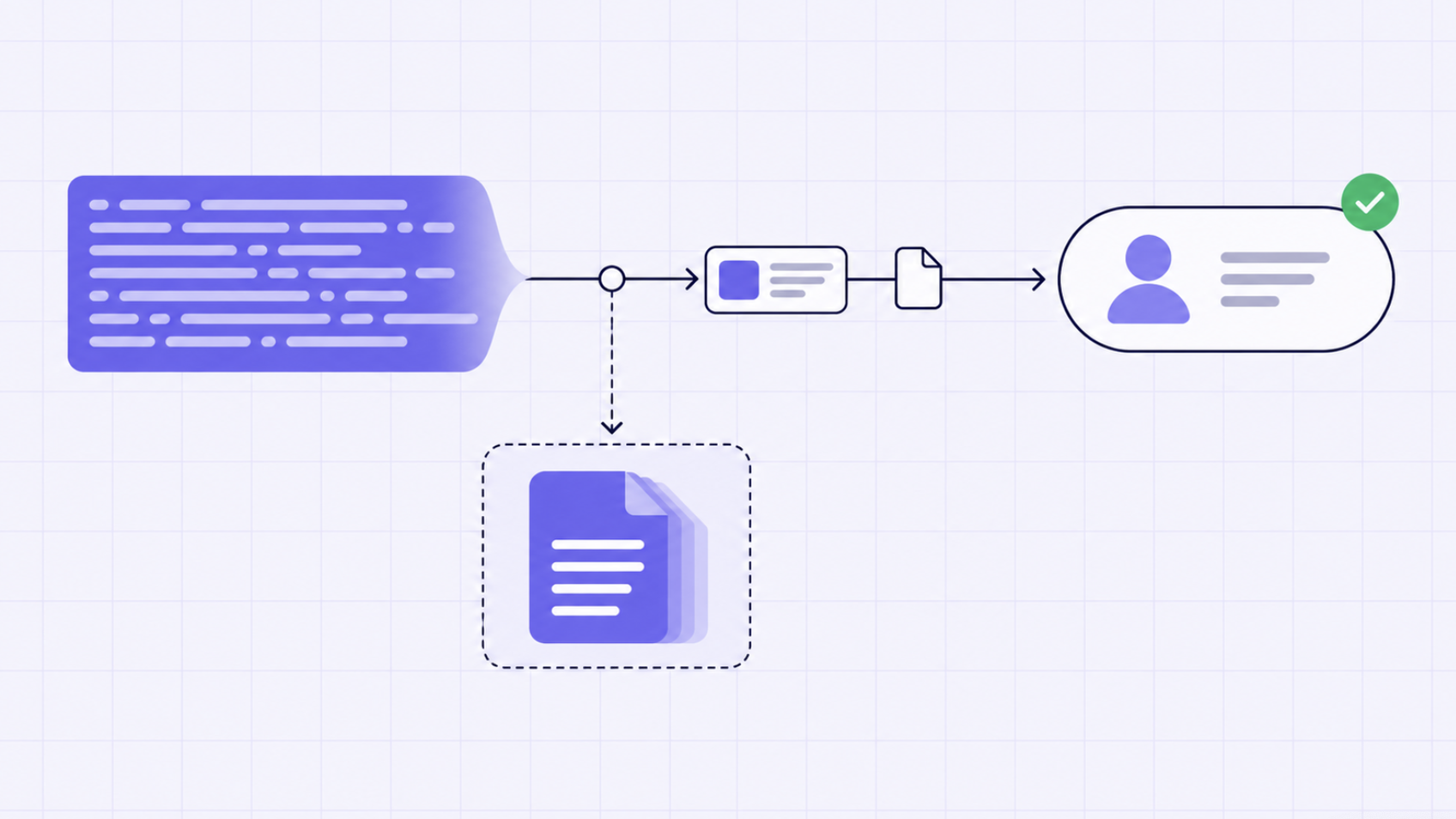
Without per-request attribution, finance teams cannot connect spending to business goals. Engineering cannot identify expensive workflows quickly. Product teams cannot compare business value against model spend. Financial accountability needs tagging at the execution level, not monthly reports.
Autonomous agents retry, validate, and self-correct during execution. These behaviors are useful when controlled, yet expensive when left open-ended. A failed tool call can create repeated attempts, context expansion, and unnecessary inference cycles.
Without circuit breakers or task-level spend limits, one agent can burn through tokens quickly. A misbehaving workflow may incur high costs before the team receives any warning. This is where tight budgets and runtime cost control become essential.
.webp)
Optimizing AI spend requires more than dashboards. The best AI cost optimization strategies work at the execution layer. They decide which model to use, when to cache, how much context to pass, and when to block expensive workflows.
Not every query needs the most expensive AI model. Classification, extraction, basic Q&A, and formatting tasks can often be handled by smaller models. Frontier models should be reserved for complex reasoning, high-risk outputs, and tasks requiring deeper context.
This model selection approach supports stronger cost efficiency without weakening quality. Teams can route work by complexity, latency needs, risk level, and outcome value. The best place to apply routing is the gateway layer, so every app inherits it.
The TrueFoundry LLM Gateway helps teams centralize model routing across providers and self-hosted models. This makes model optimization easier across teams, apps, and production environments.
Many enterprise prompts are semantically similar to previous requests. Semantic caching detects meaning-level similarity and returns cached responses where appropriate. This reduces token usage, latency, provider cost, and repeated model calls.
Semantic caching works well for customer support, internal search, policy Q&A, documentation assistants, and repetitive use case patterns. TrueFoundry explains that semantic caching can sit in the request path before model inference, which helps reduce repeated calls.
Budget alerts are reactive. Token budgets are proactive because they block or reroute requests before excess spending happens. Strong token budgets apply by team, application, environment, user, model, and individual agent workflow.
Good token-budget strategies include:
This changes cost management from billing review to execution governance. It also improves cost reduction because teams can stop waste before it becomes part of monthly operating expense.
Some unnecessary AI spending comes from oversized prompts and broad context windows. RAG pipelines often retrieve too many documents. Long histories, repeated system instructions, and redundant context blocks can inflate input token usage.
Effective improvements include:
Prompt and context controls improve model performance and reduce cost per request. Small token reductions compound across high-volume workflows. These controls are among the most practical cost-optimization strategies for large enterprise AI deployments.
AI spend becomes a black hole when per-request attribution is missing. Provider dashboards show overall account-level spend. They rarely show which team, agent, feature, environment, or workflow created the cost.
Execution-layer attribution should track:
This moves cloud cost management into daily operations. It also connects AI spending with business objectives, AI investments, and measurable business value. Without attribution, teams cannot sustain cost savings at scale.
Idle GPUs are a major cost driver for teams hosting models. Overprovisioned compute resources cost money even when requests are low. This makes GPU sizing, autoscaling, and scheduling central to AI infrastructure planning.
Useful options include:
Right-sizing reduces infrastructure costs, operational expenses, and idle compute waste. It also supports better resource management across training, inference, batch processing, and experimentation.
.webp)
Many teams apply AI spending controls inside individual applications. This can help one workload, although it leaves enterprise-wide exposure unresolved. The same routing, caching, budget, and attribution logic then gets rebuilt across several teams.
The common problems include:
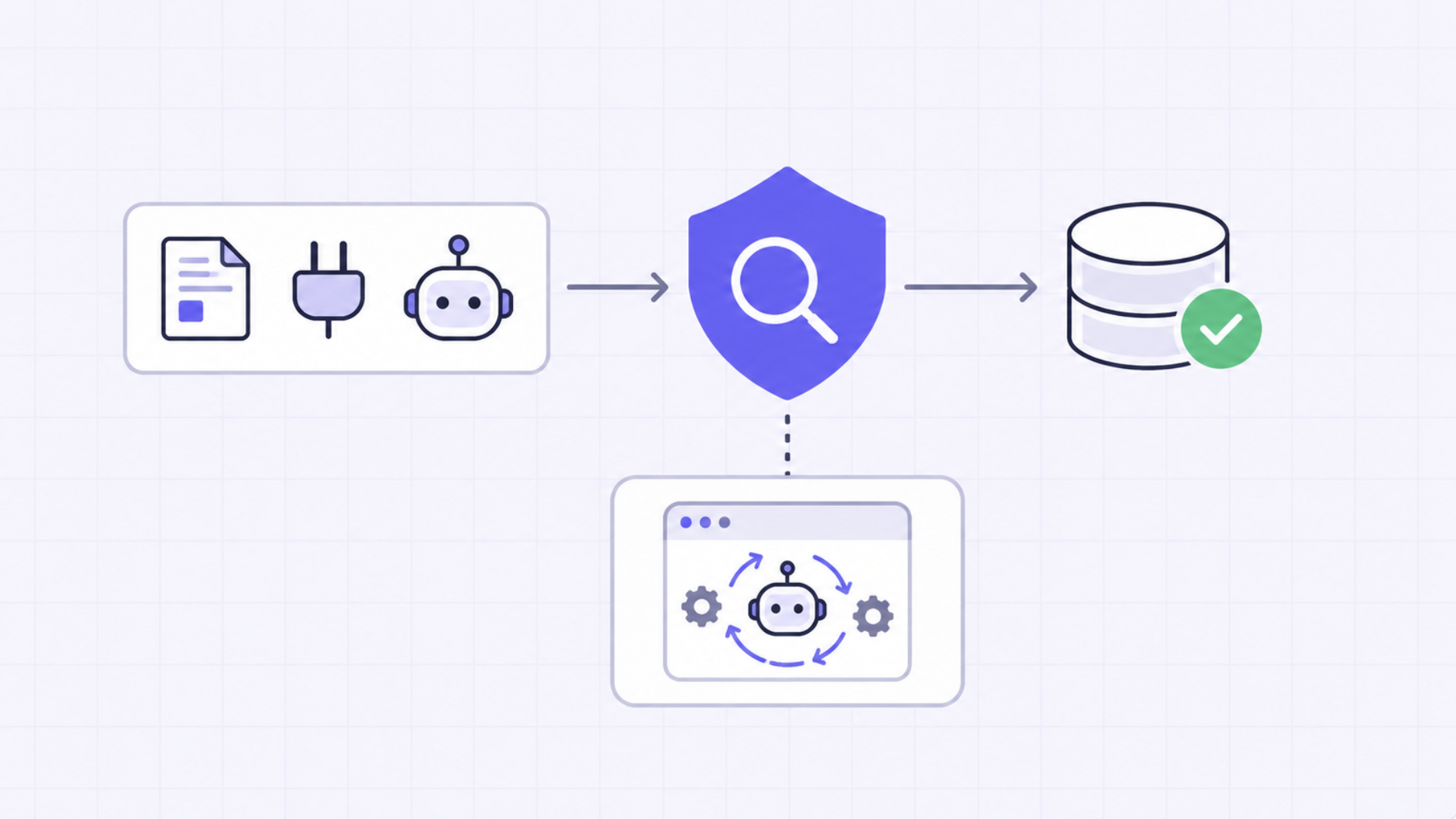
The issue is architectural. The most durable AI cost optimization strategies operate at the execution layer. That is where every model request, agent step, and MCP tool call already passes through.
A gateway-level approach lets teams apply policies once and inherit them across AI projects. It also creates consistent cost governance, request tagging, and enforcement across production systems.
.webp)
TrueFoundry makes AI cost optimization strategies part of the central AI platform. Instead of asking every team to implement separate controls, TrueFoundry applies routing, caching, budgets, and attribution through the AI gateway.
The gateway sits between applications, models, agents, and MCP tools. This provides teams with a single enforcement layer for AI infrastructure, AI systems, and agentic execution. TrueFoundry’s AI cost optimization guide also highlights per-team token budgets, routing policies, and real-time cost attribution.
By centralizing cost optimization, routing, caching, budgets, and attribution, TrueFoundry makes controls consistent across use cases. This gives enterprises better financial governance without forcing each application team to rebuild cost logic.
Book a demo to see how TrueFoundry reduces AI spend across models, agents, and MCP tools.
.webp)
TrueFoundry AI Gateway delivers ~3–4 ms latency, handles 350+ RPS on 1 vCPU, scales horizontally with ease, and is production-ready, while LiteLLM suffers from high latency, struggles beyond moderate RPS, lacks built-in scaling, and is best for light or prototype workloads.



Cloud cost optimization focuses on compute, storage, network usage, and cloud services. AI cost optimization strategies focus on token usage, model routing, semantic caching, prompt size, and inference efficiency. AI workloads also require cost attribution by model, team, agent, and application because spending happens at the execution layer.
Billing alerts notify teams after spending crosses a threshold. Token budgets act before execution and can block, reroute, or limit costly requests. This makes budgets more useful for agentic workflows, where one task can trigger repeated model calls, tool attempts, and expanded context before a monthly bill appears.
Semantic caching and routing work well for repeated customer support, internal search, documentation assistants, and agentic pipelines. These workloads often receive similar questions with minor wording changes. Caching reduces repeated inference, while routing sends simpler requests to cheaper models and preserves advanced models for complex tasks.
Enterprises should measure AI ROI through cost per workflow, cost per resolved ticket, cost per user interaction, time saved, output quality, and business value created. Strong AI cost optimization connects spend to outcomes. This helps teams compare AI initiatives against operational efficiency, customer support performance, and broader business goals.
Agentic workflows usually cost more than single-call applications because they involve planning, validation, retries, tool calls, and self-correction. A single task can trigger several model requests and context expansions. This makes token budgets, circuit breakers, model routing, and real-time cost attribution essential for production agents.



The latest news, articles, and resources sent to your inbox
.png)
.png)
.png)
.png)
.png)
.webp)
.webp)