



September 26, 2026
|
5 min read


Published: September 10, 2026

Blazingly fast way to build, track and deploy your models!
As AI systems become central to how organizations process, analyze, and act on data, regulatory compliance has become a core infrastructure concern - not just a legal checkbox. For teams operating in or serving users in the European Union, the General Data Protection Regulation (GDPR) sets strict requirements around how personal data is collected, processed, stored, and governed.
TrueFoundry now supports GDPR-compliant AI deployments, enabling organizations to build, deploy, and operate AI systems while maintaining strong controls over personal data, access, and processing across the entire AI lifecycle.
This milestone reinforces TrueFoundry’s broader focus on secure, governed, and enterprise-ready AI infrastructure, especially for organizations operating in regulated environments.
The General Data Protection Regulation (GDPR) is the European Union’s data protection framework that governs how personal data is collected, processed, stored, and accessed. It applies to any organization handling the personal data of EU residents, regardless of where the organization or its infrastructure is located.
As AI systems increasingly operate on user-generated and user-linked data, GDPR has direct implications for how AI workloads are designed, deployed, and governed. In AI systems, personal data does not exist only in databases, it can surface across prompts, model outputs, embeddings, agent memory, and system logs.
GDPR introduces a set of core principles that become architectural requirements when applied to AI:
These principles are difficult to enforce when AI systems are built on fragmented tooling or opaque SaaS platforms with limited visibility into data handling.
In a typical AI workflow, personal data can appear across multiple layers:
Without centralized governance, data can be unintentionally logged, stored outside approved regions, or reused across workflows - creating GDPR compliance risks.
As AI systems become more autonomous and interconnected, GDPR is no longer just a legal requirement it becomes a core design constraint for production AI infrastructure.
TrueFoundry’s platform is designed to provide end-to-end control over AI workloads, making it possible to meet GDPR requirements without sacrificing modern AI capabilities.
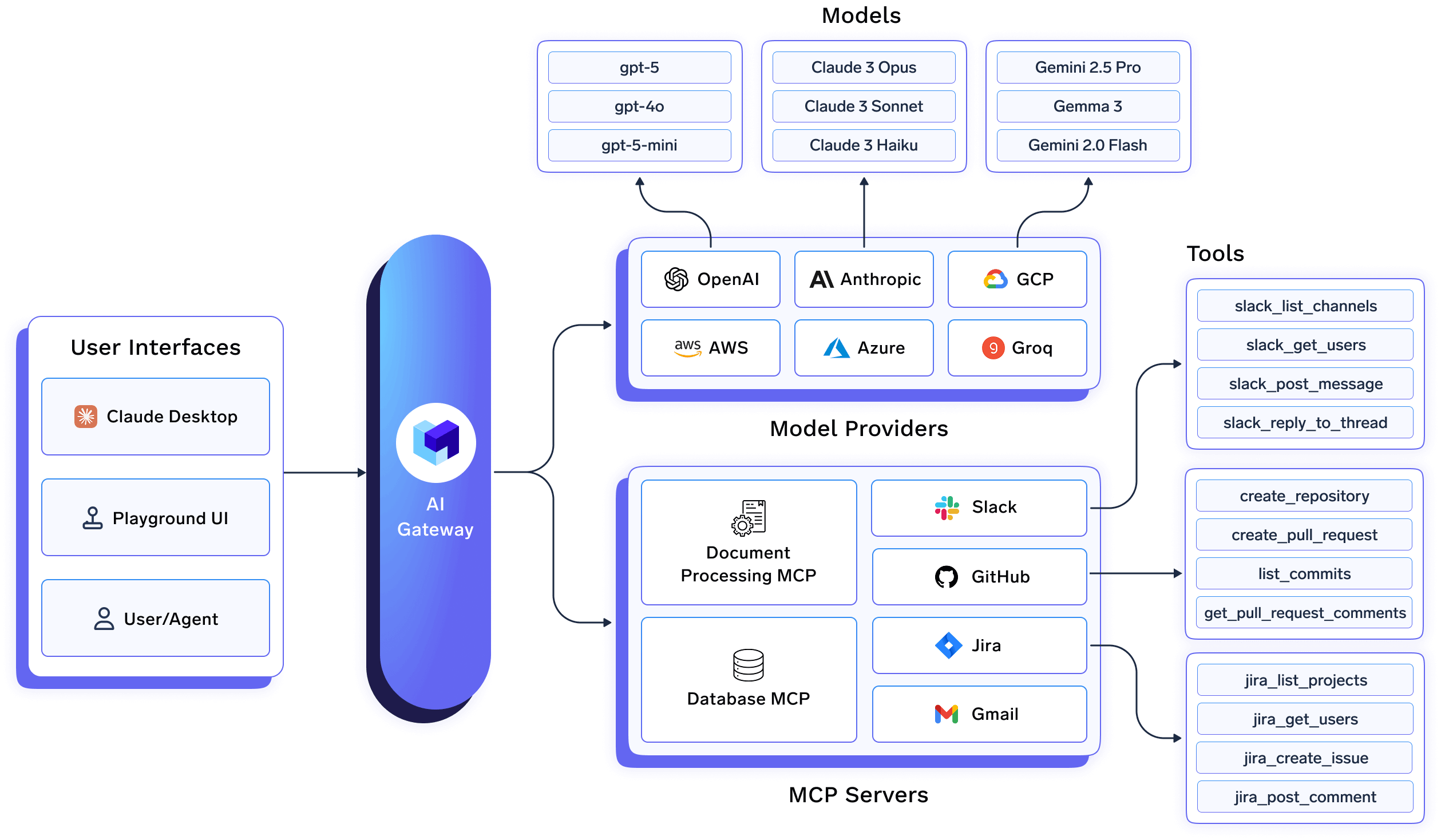
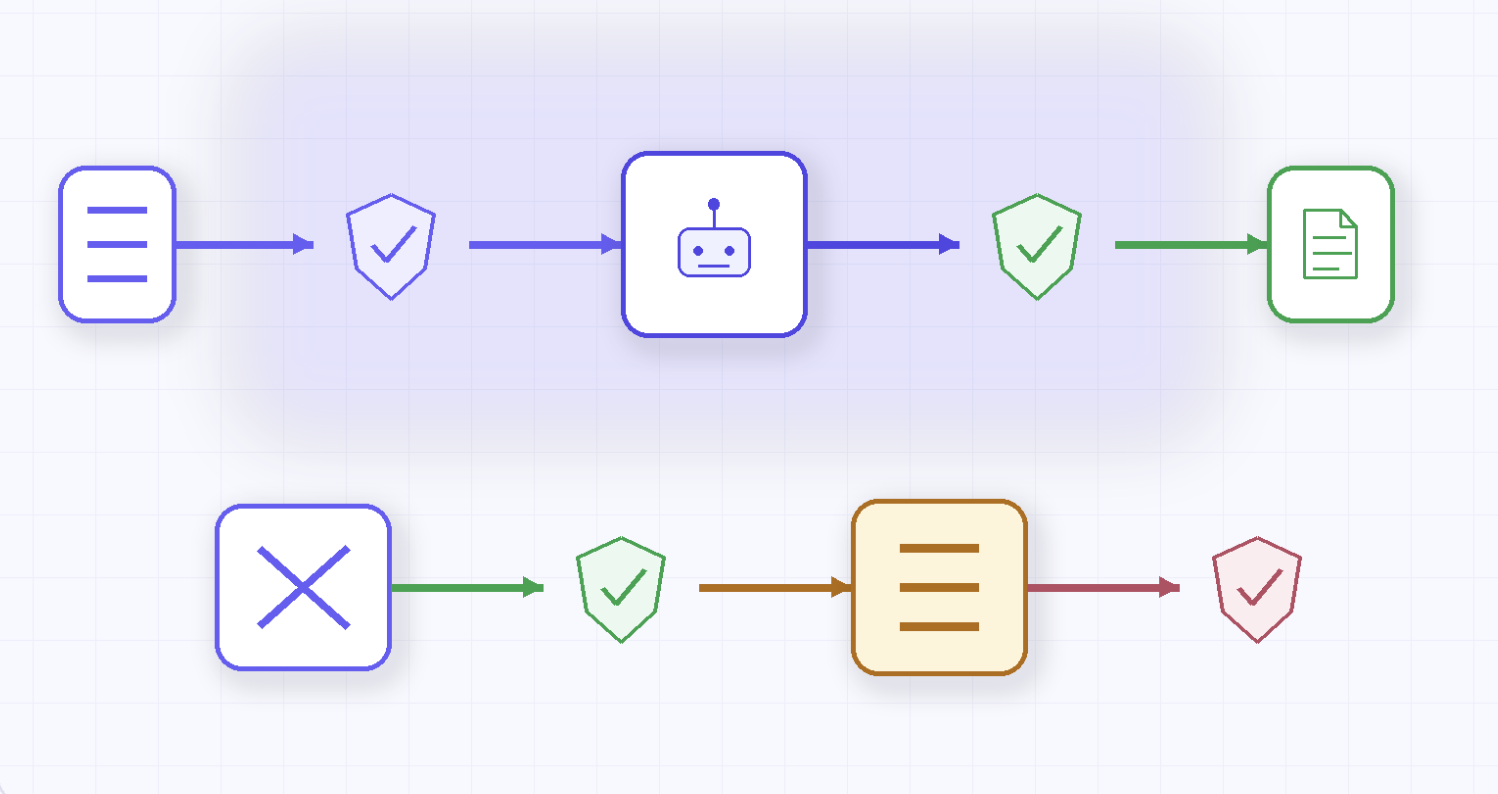
TrueFoundry routes all AI requests - across models, agents, and tools through a single AI Gateway. This creates a consistent enforcement point for:
By centralizing AI traffic, organizations gain clear visibility into how personal data moves through their AI systems.
TrueFoundry supports deployment models that align with GDPR requirements, including:
This allows organizations to control where data is processed and stored, helping meet data residency and sovereignty obligations.
The platform integrates with enterprise identity and access management systems to enforce:
These controls help ensure that personal data is accessed only by authorized users and services, in line with GDPR principles of data protection and accountability.
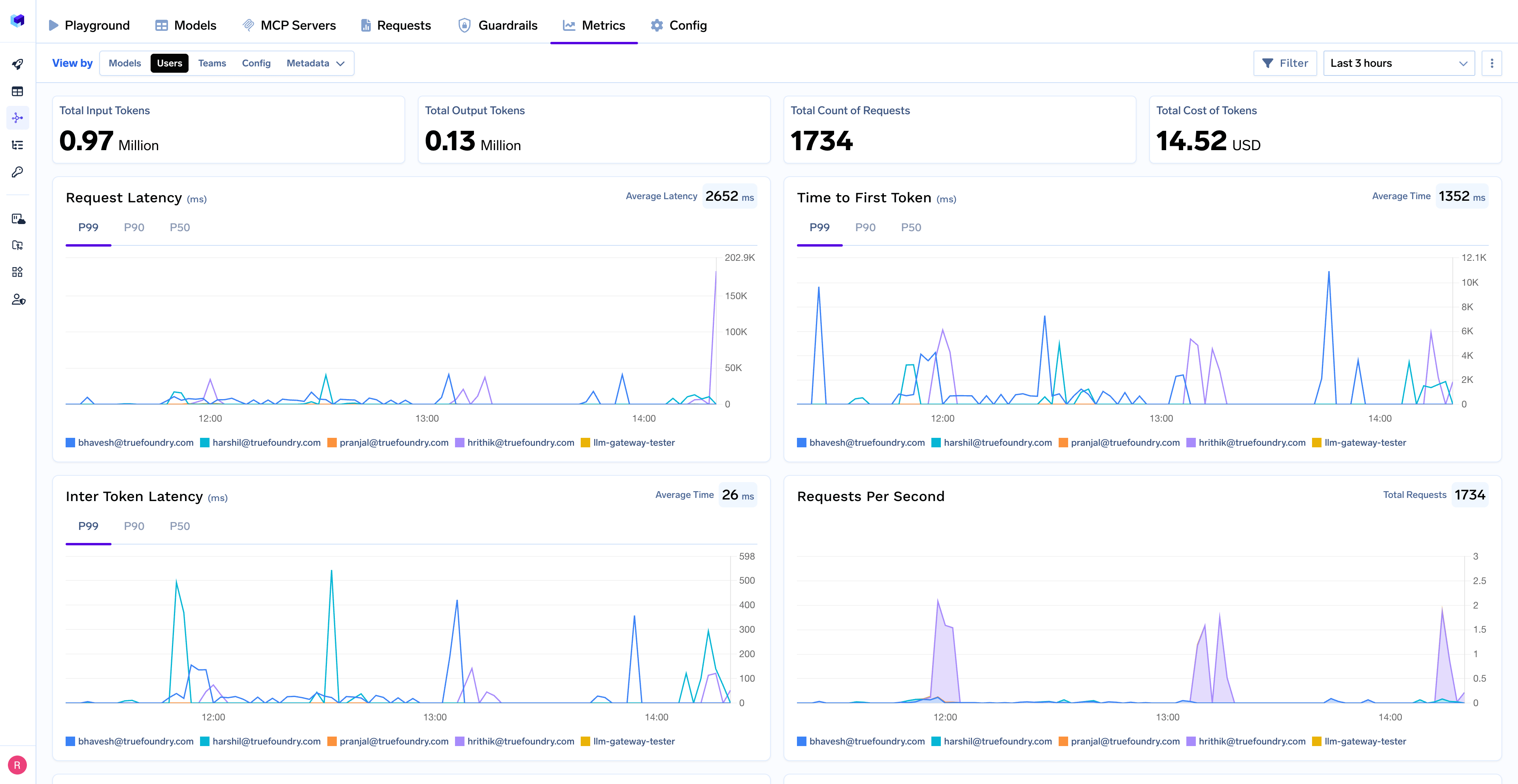
GDPR requires demonstrable accountability. TrueFoundry provides:
This makes it easier to support internal reviews, audits, and compliance assessments related to AI data processing.
Key Metrics for Evaluating Gateway
| Criteria | What should you evaluate ? | Priority | TrueFoundry |
|---|---|---|---|
| Latency | Adds <10ms p95 overhead for time-to-first-token? | Must Have | ✅ Supported |
| Data Residency | Keeps logs within your region (EU/US)? | Depends on use case | ✅ Supported |
| Latency-Based Routing | Automatically reroutes based on real-time latency/failures? | Must Have | ✅ Supported |
| Key Rotation & Revocation | Rotate or revoke keys without downtime? | Must Have | ✅ Supported |
| Key Rotation & Revocation | Rotate or revoke keys without downtime? | Must Have | ✅ Supported |
| Key Rotation & Revocation | Rotate or revoke keys without downtime? | Must Have | ✅ Supported |
| Key Rotation & Revocation | Rotate or revoke keys without downtime? | Must Have | ✅ Supported |
| Key Rotation & Revocation | Rotate or revoke keys without downtime? | Must Have | ✅ Supported |

With GDPR-compliant AI infrastructure, organizations can:
This is especially critical as AI systems become more autonomous, interconnected, and deeply embedded in customer-facing and internal workflows.
GDPR compliance is part of a broader approach to building enterprise-grade, governed AI platforms.
TrueFoundry supports organizations with requirements around:
Our focus is to ensure that organizations can adopt modern AI capabilities while maintaining trust, control, and regulatory alignment.
As data protection and AI regulations continue to evolve, organizations need infrastructure that is designed for governance from the ground up.
With GDPR-compliant AI deployments, TrueFoundry provides a strong foundation for building responsible, compliant AI systems—while remaining flexible enough to adapt to future regulatory and operational requirements.
TrueFoundry AI Gateway delivers ~3–4 ms latency, handles 350+ RPS on 1 vCPU, scales horizontally with ease, and is production-ready, while LiteLLM suffers from high latency, struggles beyond moderate RPS, lacks built-in scaling, and is best for light or prototype workloads.






The latest news, articles, and resources sent to your inbox


.webp)
.webp)
.webp)
.webp)
.webp)
.png)
.png)
.png)
.png)
.png)
.png)


