احصل على وصول فوري إلى بيئة TrueFoundry مباشرة. انشر النماذج، ووجّه حركة مرور LLM، واستكشف المنصة بالكامل — بيئة الاختبار الخاصة بك جاهزة في ثوانٍ، ولا يلزم وجود بطاقة ائتمان.
An LLM Gateway is a middleware layer between your application and multiple LLM providers — OpenAI, Anthropic, Cohere, Mistral, and self-hosted models — that routes requests, enforces auth, tracks cost, and handles failover through a single API.
Key takeaways
What it is: a single API in front of every model provider, so you stop maintaining separate integrations for each one.
The problem it solves: without it, teams juggle per-provider SDKs, API keys, rate limits, and brittle failover logic.
How it works: it routes and load-balances requests, applies auth and rate limiting, caches responses, and fails over automatically.
Key benefits: unified cost tracking and observability, resilience, faster provider switching, and centralized governance.
vs. direct API: a gateway trades a tiny bit of latency for control, visibility, and portability across providers.
What is an LLM Gateway? (Quick answer)
An LLM Gateway is a middleware layer that sits between your application and multiple LLM providers - OpenAI, Anthropic, Cohere, Mistral, and self-hosted models. It routes requests, enforces authentication, tracks costs, and handles failover through a single API.
Instead of writing separate integrations for every provider, your team talks to the gateway. The gateway handles the rest.
Curious how an LLM Gateway behaves in production?
See TrueFoundry's LLM Gateway handle real traffic - routing, caching, and cost tracking live.
The 5 challenges LLM gateways solve that direct API integration can't
How an LLM gateway works step-by-step
Key features to look for in 2026
LLM Gateway vs. Direct API Integration - when each makes sense
A comparison of real gateway options and best practices
What is an LLM Gateway? (Explained)
An LLM Gateway is a middleware layer that sits between your application and multiple LLM providers.
Think of it as a translator and traffic controller for AI models:
Your application sends a request to the gateway
The gateway decides which LLM to use, based on cost, performance, or policy
It standardizes input/output formats so your application code doesn't change
Just like an API gateway provides a unified way to manage REST/GraphQL services, an LLM gateway provides a single integration point for AI models. It's closely related to - but broader than - an LLM proxy, which handles basic request forwarding; the gateway adds routing intelligence, policy enforcement, and observability on top.
Orchestration → Smart routing, chaining, and fallback
The Challenges Without an LLM Gateway
Before diving into gateways, it's worth understanding the pain points of integrating directly with LLM APIs:
Vendor Lock-in: When you integrate directly with one provider, say OpenAI, your entire system becomes tightly coupled with their API. If prices rise, performance drops, orcompliance requirements change, migrating to another LLM becomes costly and time consuming.
API Fragmentation: Each LLM provider defines requests and responses differently.OpenAI uses one structure for chat completion, Anthropic uses another, and open source models on Hugging Face or vLLM add their own quirks. This fragmentation forces developers to write and maintain multiple connectors.
Scalability Issues: Applications that use multiple LLMs - one for summarization, another for reasoning - struggle to coordinate across APIs. Scaling such systems means managing parallel integrations, implementing LLM load balancing strategies, and building custom fallbacklogic across multiple providers.
Security & Compliance Risks: Enterprises must control sensitive data flowing through LLMs. Without a gateway, every integration has to be audited separately, making governance expensive and error-prone.
Operational Overhead: Monitoring usage, optimizing cost, and debugging issues across different LLMs becomes a nightmare when everything is scattered across direct APIs.
Key Metrics for Evaluating Gateway
Criteria
What should you evaluate ?
Priority
TrueFoundry
Latency
Adds <10ms p95 overhead for time-to-first-token?
Must Have
✅ Supported
Data Residency
Keeps logs within your region (EU/US)?
Depends on use case
✅ Supported
Latency-Based Routing
Automatically reroutes based on real-time latency/failures?
Must Have
✅ Supported
Key Rotation & Revocation
Rotate or revoke keys without downtime?
Must Have
✅ Supported
Key Rotation & Revocation
Rotate or revoke keys without downtime?
Must Have
✅ Supported
Key Rotation & Revocation
Rotate or revoke keys without downtime?
Must Have
✅ Supported
Key Rotation & Revocation
Rotate or revoke keys without downtime?
Must Have
✅ Supported
Key Rotation & Revocation
Rotate or revoke keys without downtime?
Must Have
✅ Supported
Evaluating an AI Gateway?
A practical guide used by platform & infra teams
How Does an LLM Gateway Work?
When your application sends an LLM request, here's what happens inside the gateway:
Request Interception: The gateway receives the request from your application before it reaches any LLM provider.
Authentication & Policy Check: It validates API keys, checks RBAC permissions, and applies rate limits. Requests that fail policy checks are rejected before consuming any tokens.
Routing Decision: The LLM router within the gateway decides which provider or model to use - based on cost, latency, task type, or custom rules you define.
Model Call: The gateway translates your standardized request into the provider specific format (OpenAI, Anthropic, Bedrock, etc.) and makes the API call.
Response Standardization: The provider's response is translated back into a consistent format your application always expects, regardless of which model served the request.
Logging & Cost Attribution: Every request and response is logged. Token usage, latency, and cost are attributed to the user, team, or project that made the request.
This entire flow adds approximately 3–10ms of overhead - imperceptible to end users but providing your team with complete visibility and control over every LLM interaction.
Key Features of an LLM Gateway
Model Abstraction The gateway provides a standard API, so switching from GPT-4 to Claude or to a self-hosted LLaMA doesn’t require rewriting your application code.
Routing & Orchestration Intelligent routing allows requests to be sent to the most suitable model. For example:
Route quick summarization tasks to a cheaper model.
Route complex reasoning tasks to a more advanced model. It can also chain models together for workflows (e.g., retrieval + reasoning).
Security Enterprises can enforce authentication, redact sensitive information, and monitor data flow, all through the gateway.
Monitoring & Observability The gateway provides detailed metrics like latency, token usage, error rates, and model performance across providers.
Cost Optimization By dynamically routing to cheaper models for simpler tasks, organizations can significantly reduce expenses while maintaining performance.
Customization & Extensions Many gateways allow developers to plug in prompt templates, caching mechanisms, and fine-tuned models for faster and more consistent results.
Not sure which LLM Gateway fits your stack?
We compared the top options — LiteLLM, Portkey, Kong, and more — on latency, cost, and enterprise readiness.
Faster Integration → Write once, connect to many models.
Flexibility → Switch providers or mix-and-match without re-engineering.
Reliability → Failover and fallback reduce downtime when a provider is unavailable.
Governance → Centralized logging, monitoring, and compliance.
Lower Costs → Optimize routing to avoid unnecessary usage of expensive LLMs.
Future-Proofing → Stay adaptable as new LLMs and modalities emerge.
LLM Gateway vs Direct API Integration
Aspect
Direct API Integration
LLM Gateway
Setup
Separate code for each provider
One integration point
Flexibility
Hard to switch providers
Easy provider switching
Scalability
Complex orchestration
Built-in routing & load balancing
Monitoring
Distributed across APIs
Centralized dashboard
Security
Managed per integration
Unified enforcement
Costs
Often higher
Optimized with routing
Verdict: While direct integration may work for small projects, enterprises and production-scale applications benefit greatly from an LLM gateway.
LLM Gateway Use Cases
Multi-LLM Applications AI copilots or chatbots that dynamically select the best model for different tasks.
Enterprises Requiring Compliance Banks, healthcare companies, and governments can enforce policies centrally.
Startups Experimenting with Models Quickly A/B test different providers without rewriting integrations.
Cost-Sensitive Applications توجيه الاستعلامات غير الحرجة إلى نماذج أقل تكلفة، مع تخصيص النماذج المتميزة للمهام ذات القيمة العالية.
تنسيق الذكاء الاصطناعي في بيئة الإنتاج يمكن للبوابات أن تجمع بين RAG (التوليد المعزز بالاسترجاع) والاستدلال وسير العمل المضبوطة بدقة في مسار عمل واحد سلس.
حلول بوابات نماذج اللغة الكبيرة (LLM) الشائعة
بوابات مفتوحة المصدر
LangChain ← توفر إمكانيات تجريد النماذج وتنسيقها.
LMQL ← توفر لغة استعلام للتفاعل المنظم مع نماذج اللغة الكبيرة (LLMs).
بوابات تجارية
TrueFoundry ← بوابة نماذج لغة كبيرة (LLM) متكاملة مع إمكانيات المراقبة والتوجيه والأمان.
KongAI ← بوابة API معززة بميزات تكامل الذكاء الاصطناعي.
خيارات سحابية أصلية
خدمات مُدارة من مزودي الخدمات السحابية (AWS، GCP، Azure) تدمج توجيه نماذج اللغة الكبيرة (LLM).
أفضل الممارسات لتطبيق بوابة نماذج اللغة الكبيرة (LLM)
اختيار الـ أفضل بوابة نماذج لغة كبيرة (LLM) لمؤسستك يعني الموازنة بين التجريد والحوكمة وقابلية المراقبة والمرونة على المدى الطويل، بدلاً من التركيز على التوجيه فقط.
تبنى التجريد مبكرًا لا تربط التطبيقات بشكل وثيق بواجهة برمجة تطبيقات نموذج لغوي كبير (LLM API) واحدة. استخدم البوابات منذ البداية.
تمكين المراقبة وتتبع التكاليف تتبع استخدام الرموز وتكاليف المزودين.
إعطاء الأولوية للأمن استخدم التشفير، واحجب المدخلات الحساسة، وطبق ضوابط الوصول المستندة إلى الأدوار.
قياس الأداء بانتظام اختبر المزودين باستمرار لضمان أفضل توازن بين التكلفة والأداء.
التوافق مع الحوكمة ضمان الامتثال للوائح خصوصية البيانات ومتطلبات التدقيق الداخلي.
مستقبل بوابات النماذج اللغوية الكبيرة (LLM)
التوحيد القياسي توقع تقاربًا نحو واجهات مشتركة للنماذج اللغوية الكبيرة (LLMs)، مدفوعًا بالبوابات.
دعم متعدد الوسائط لن تتعامل بوابات المستقبل مع النصوص فقط، بل ستدمج نماذج الرؤية والصوت والفيديو.
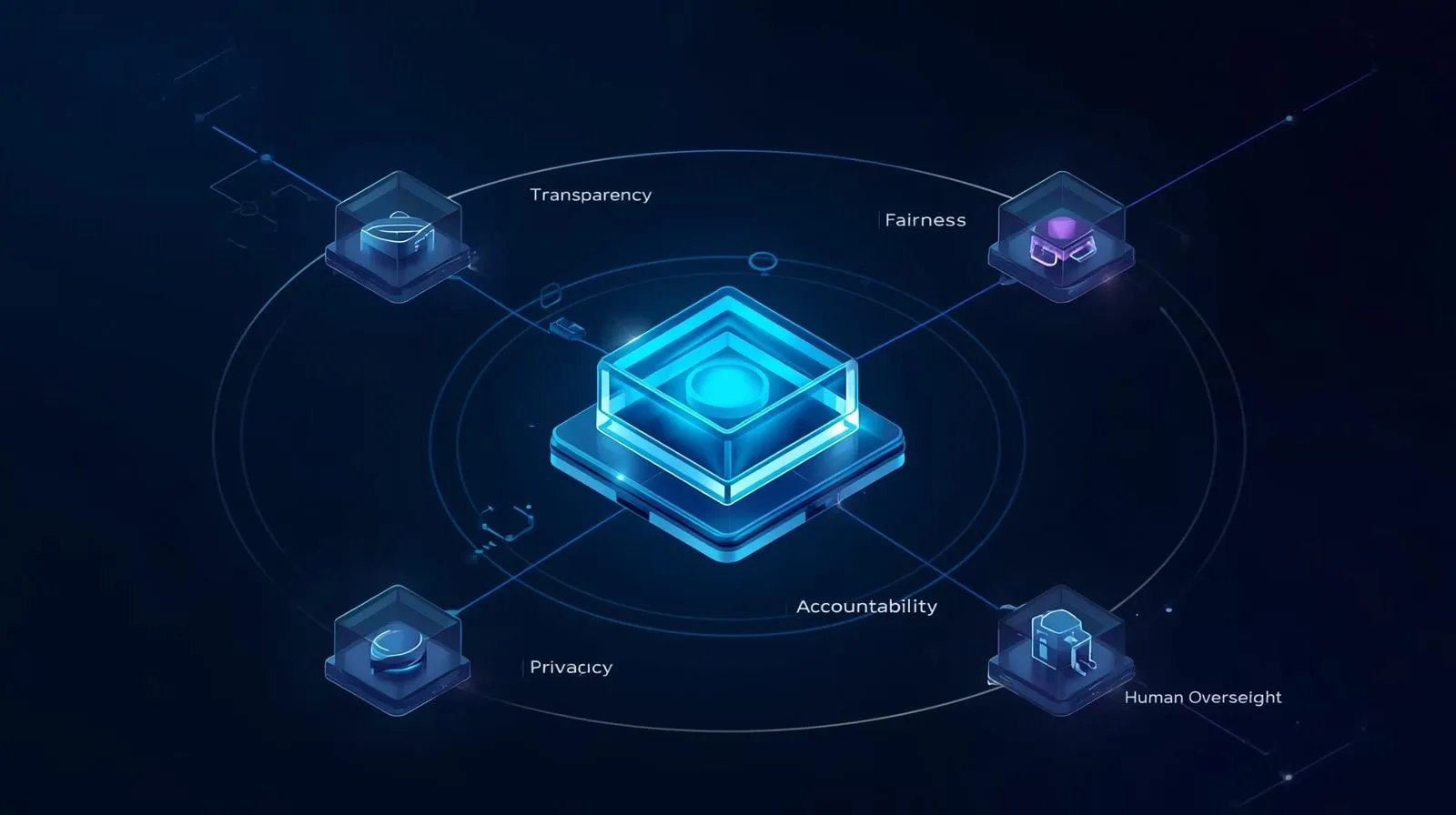
حوكمة الذكاء الاصطناعي للمؤسسات ستتطور بوابات النماذج اللغوية الكبيرة (LLM) إلى منصات تفرض السياسات والأخلاقيات والمساءلة.
منظومة الوكلاء مع انتشار وكلاء الذكاء الاصطناعي، ستقوم البوابات بتنسيق ليس فقط النماذج، بل أيضًا استخدام الأدوات وتدفقات الاستدلال.
الخاتمة
لقد غيّر صعود نماذج اللغة الكبيرة (LLMs) طريقة بناء تطبيقات الذكاء الاصطناعي، لكن التكامل المباشر مع المزودين يخلق تعقيدًا، وارتباطًا بالمورد، وتحديات تشغيلية. بوابة LLM/الذكاء الاصطناعي تحل هذه المشكلات من خلال العمل كطبقة وسيطة موحدة وذكية تعمل على تجريد استخدام النموذج وتأمينه وتحسينه.
بالنسبة للمطورين، يعني ذلك وقتًا أقل يُقضى في عمليات التكامل الروتينية. أما بالنسبة للمؤسسات، فيعني ذلك الحوكمة والامتثال والتحكم في التكاليف. وبالنسبة للنظام البيئي للذكاء الاصطناعي، فهو الأساس الذي يتيح اعتمادًا قابلاً للتطوير ومتعدد النماذج ومقاومًا للمستقبل.
مع استمرار تطور الذكاء الاصطناعي، لم تعد بوابة LLM مجرد أداة اختيارية، بل أصبحت العمود الفقري للبنية التحتية للذكاء الاصطناعي للمؤسسات.
الأسئلة الشائعة
كيف تعمل بوابة LLM؟
تعمل بوابة LLM عن طريق اعتراض طلبات التطبيقات وتوجيهها إلى مزودي النماذج المختلفين عبر واجهة برمجة تطبيقات (API) واحدة. تقوم بالتحقق من صلاحية بيانات الاعتماد الأمنية، وتطبيق حدود المعدل، وإدخال ضوابط الحماية قبل وصول الطلب إلى النموذج. ثم تقوم هذه الطبقة بتوحيد الاستجابة، مما يضمن حصول تطبيقك على بيانات متسقة بغض النظر عن المزود الخلفي.
كيف تفيد بوابة LLM المؤسسات؟
توفر بوابة LLM للمؤسسات نقطة دخول موحدة تعمل على مركزة ضوابط الأمان وتحديد المعدل عبر مزودين متعددين. تزيل هذه البنية التحتية خطر انكشاف مفتاح واجهة برمجة التطبيقات (API) مع توفير رؤية عميقة لاستخدام الرموز ومقاييس الأداء. يتيح تطبيق هذه الطبقة للمؤسسات توسيع نطاق مبادرات الذكاء الاصطناعي التوليدي بكفاءة وسهولة.
كيف تمنع بوابة LLM الارتباط بالمورد؟
تمنع بوابة LLM الارتباط بالمورد عن طريق فصل تطبيقك عن واجهات برمجة التطبيقات (APIs) الخاصة بمزودين محددين. توفر واجهة موحدة تترجم طلبًا واحدًا عبر نماذج مختلفة. عندما يفهم المطورون ماهية بنية بوابة LLM، يمكنهم تبديل المزودين مثل OpenAI بـ Anthropic على الفور دون إعادة كتابة أي جزء من كود التطبيق الأساسي.
هل بوابة LLM هي نفسها بوابة الذكاء الاصطناعي؟
نعم، تُعتبر بوابة LLM وبوابة الذكاء الاصطناعي بشكل عام شيئًا واحدًا. بوابة LLM هي نوع متخصص من بوابات الذكاء الاصطناعي مصممة خصيصًا للتعامل مع التعقيدات الفريدة لنماذج اللغة الكبيرة. بينما تدير بوابات الذكاء الاصطناعي الأوسع نطاقًا نماذج تعلم آلة متنوعة، تركز هذه البنية التحتية المحددة على تحديد المعدل القائم على الرموز، وضوابط الحماية للمطالبات، ومركزية الوصول إلى واجهة برمجة التطبيقات عبر مزودي LLM متعددين.
لماذا نحتاج إلى بوابة LLM؟
تعمل بوابة LLM على مركزة إدارة واجهات برمجة التطبيقات (API) المجزأة وتطبيق سياسات أمنية متسقة عبر مؤسستك بأكملها. تحمي هذه البنية التحتية فريقك من تسرب بيانات الاعتماد مع توفير تتبع موحد للتكاليف ووصول محايد للموردين. باستخدام هذه الطبقة، يمكنك بناء تطبيقات ذكاء اصطناعي مرنة تتوسع بسهولة دون زيادة الأعباء التشغيلية.
ما الذي يجعل بوابة TrueFoundry LLM الأفضل للمؤسسات؟
تقدم بوابة TrueFoundry LLM حلاً جاهزًا للإنتاج يولي الأولوية لسيادة البيانات والأمان داخل سحابتك الخاصة. أثناء استكشاف "ما هي بوابة LLM"، تكتشف المؤسسات أن منصتنا توفر ميزات فريدة مثل إعادة المحاولات التلقائية وتحديد التكلفة المفصل. تضمن هذه الإمكانيات أن تبني فرق الهندسة لديك تطبيقات ذكاء اصطناعي موثوقة دون المساس بالامتثال.
TrueFoundry AI Gateway delivers ~3–4 ms latency, handles 350+ RPS on 1 vCPU, scales horizontally with ease, and is production-ready, while LiteLLM suffers from high latency, struggles beyond moderate RPS, lacks built-in scaling, and is best for light or prototype workloads.





%20(28).webp)






.png)
.png)
.png)
.png)
.png)
.png)
.png)
.png)
.png)
.png)
.png)


