


September 22, 2026
|
5 min read

Published: February 17, 2026
.webp)
Blazingly fast way to build, track and deploy your models!
Kong has long been a widely adopted platform for API management, particularly for microservices and REST‑based architectures. With the introduction of its Kong AI Gateway capabilities, Kong is extending its platform to support routing and governance for LLM traffic.
However, Kong Gateway pricing and operational model were originally designed for large‑scale API management, not lightweight AI inference workflows. This raises an important question: Does it make financial and operational sense to use a full‑scale enterprise API platform for AI routing use cases?
This guide breaks down the costs, limits, and how using a general-purpose gateway for AI routing may impact cost efficiency compared to purpose-built alternatives like TrueFoundry.
.webp)
In this section, we will briefly cover what Kong Gateway is and its features. Kong is an open-source, cloud-native API gateway built on top of Nginx and the OpenResty framework. It is designed to sit in front of RESTful microservices, handling traffic flow and policies before requests reach the backend.
Key features include:
Kong operates on a hybrid pricing model that involves distinct variables for different deployment types. Unlike AI-native tools that charge by "token" or "model unit," Kong sticks to traditional API management metrics. This section clarifies the two distinct ways businesses pay for Kong Gateway cost.
Kong Konnect is the managed SaaS version. While it removes the headache of managing the control plane, the pricing structure is aggressive for high-volume AI applications.
Kong HQ pricing is consumption-based, typically charging per API request processed through the managed gateway. According to the current Kong Gateway pricing tiers, costs scale as follows:
Why this hurts AI workloads:
AI applications generate many internal gateway calls. A single "Agent" workflow might trigger a chain of 20+ internal API calls (RAG lookup, vector DB search, prompting, re-prompting). In a standard API world, 1 million requests is a lot. In agentic workflows, high request volume can accelerate consumption of usage-based tiers more rapidly than standard REST traffic.
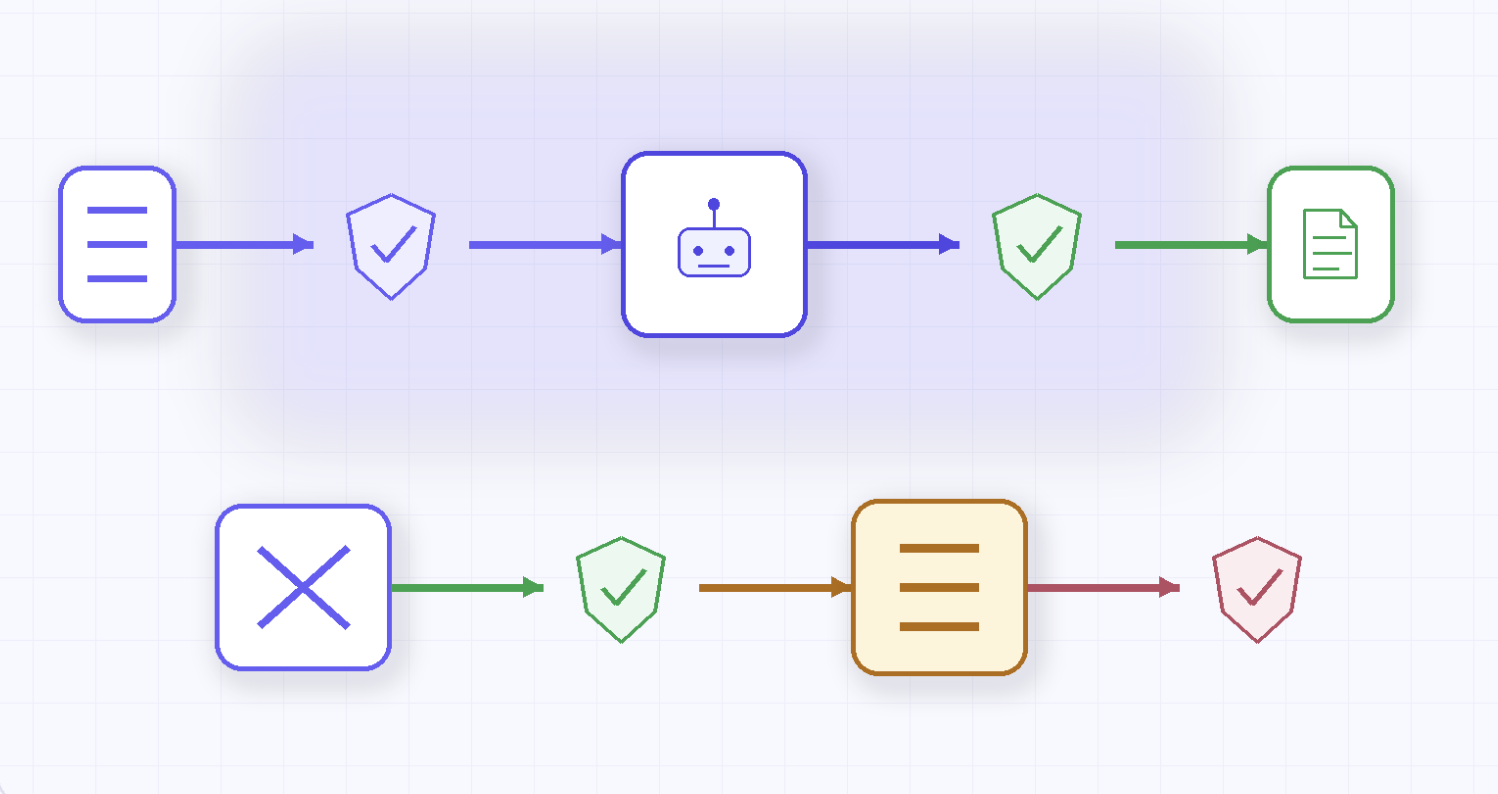
Fig 1: The Multiplier Effect of Agentic AI on Request-Based Billing
.webp)
For teams that want to self-host to keep data private (common in AI), pricing shifts to annual licenses. This is typically opaque and requires sales negotiation, but structural costs are well-known.
Pricing is based on "Services" or "Nodes":
Kong Gateway pricing reflects its origins as a general-purpose API management platform (APIM). This section explains why AI teams often pay for capabilities they never use.
Kong is a comprehensive enterprise platform designed to handle the complexity of banking and telco legacy systems. It includes extensive support for SOAP, gRPC transcoding, XML validation, and monolithic architectures by default.
For a Generative AI application, you are processing JSON-based REST payloads. You do not need XML-to-JSON transformation or SOAP services. However, because Kong is a bundled "Platform," a significant portion of your licensing fee goes toward maintaining and supporting these legacy protocol capabilities. You are investing in a broad 'Universal' gateway platform, whereas AI workloads may only utilize a fraction of those capabilities.
Kong’s core is lean, but functionality is extended through plugins found in the Kong Plugin Hub. In the open-source version, you get basics. In the paid tiers, you get the "Advanced" versions required for production.
This can create a tiered cost structure: while the base price covers core API management, advanced AI features often require additional modules.
.webp)
Beyond licensing, Kong introduces operational costs that translate directly into spend. This section highlights friction points that impact total cost of ownership.
Kong is built on Nginx and OpenResty, meaning its extension language is Lua.
Fig 2: The Customization Barrier
.webp)
Kong’s data plane is powerful but resource-intensive. It is designed to handle tens of thousands of requests per second for web traffic.
Despite its drawbacks for AI workloads, Kong remains the right choice in specific scenarios. If your organization fits these criteria, the Kong gateway cost is justified:
As AI becomes central to products, teams reassess whether legacy API platforms fit their needs.
TrueFoundry is built specifically for the LLM era, not retrofitted from API management. This section explains how its pricing and architecture differ.
TrueFoundry understands the unit economics of AI.
Custom guardrails and policies are written in Python.
TrueFoundry is lightweight and purpose-built for AI workloads.
Kong remains a powerful enterprise platform, but power comes with cost and complexity. If your goal is to manage microservices for a bank, Kong is excellent. If your goal is to route, govern, and observe LLM traffic, Kong imposes a "Legacy Tax" via request-based pricing, Lua obscurity, and service-based licensing.
Next Steps for Engineering Leaders:
The open-source version of Kong Gateway is free to download and self-host. However, it lacks the GUI (Kong Manager), advanced analytics, and enterprise plugins (like OIDC, advanced AI Rate Limiting) required for production AI workloads. The managed version, Kong Konnect, has a free tier that is limited by requests and services, typically suitable only for very small proofs of concept.
Kong does not sell "Kong AI" as a separate standalone product; it is a feature set within their Enterprise and Konnect plans. In Konnect, you pay standard rates (~$105/service/mo + usage fees). In Enterprise, AI capabilities are part of the license, but specific AI plugins may require upgrading to a higher tier or purchasing add-on packs, pushing costs into the tens of thousands per year.
TrueFoundry is "AI-Native," meaning its entire architecture is designed for tokens and models, not generic HTTP requests. It offers Python-based customization (vs. Kong's Lua), token-level cost tracking (vs. Kong's request counting), and a lighter operational footprint. This makes it significantly cheaper and faster for teams building LLM applications to iterate compared to configuring a heavyweight enterprise API gateway.
TrueFoundry AI Gateway delivers ~3–4 ms latency, handles 350+ RPS on 1 vCPU, scales horizontally with ease, and is production-ready, while LiteLLM suffers from high latency, struggles beyond moderate RPS, lacks built-in scaling, and is best for light or prototype workloads.






The latest news, articles, and resources sent to your inbox



.png)
.png)
.png)
.png)
.png)
.png)
.png)
.png)
.png)
.png)


