October 28, 2026
|
5 min read


Blazingly fast way to build, track and deploy your models!
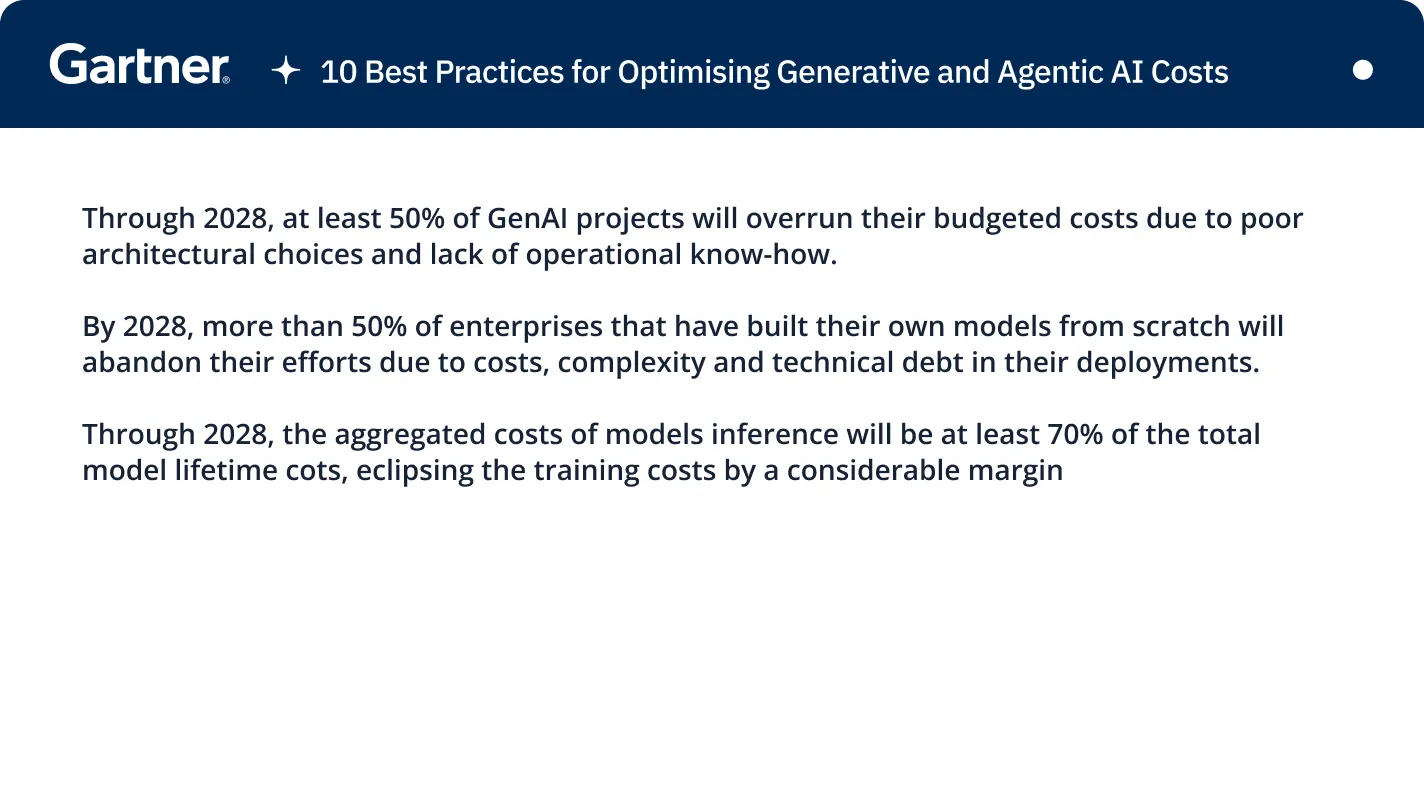
Note the cache economics: Opus 4.8 has a higher cache-read rate ($0.50) than Fable 5.1 ($0.25), so for heavily-cached workloads Fable 5.1’s effective cost gap narrows — another reason to measure real token shapes, not just headline rates.
OpenAI and Anthropic publish different benchmark suites, so a single winner-takes-all table would be misleading. For reference, launch-day vendor figures include:
Because the suites don’t overlap, treat these as directional. The only benchmark that matters for your decision is your own evaluation set on your own tasks.
Fable 5.1 is the capability ceiling and the price ceiling. Opus 4.8 sits in the middle as Anthropic’s cost-efficient general-purpose option. Terra is the value tier — not built to top the hardest reasoning benchmarks, but to make routine and agentic work cheap.
This is Terra’s differentiator. It exposes computer use as a hosted tool and pairs visual understanding with driving browser and desktop apps — at a price that makes the repeated screen-read-and-act loop affordable. If your workload is computer-using agents, Terra is purpose-built; the Claude models are stronger as pure reasoners.
For complex, multi-step coding and research that runs for many turns, Fable 5.1 is the strongest of the three, with Opus 4.8 a cheaper fallback. Terra can handle a great deal of this at a fraction of the cost, but the hardest tail is where the premium models earn their price.
Fable 5.1 ships with safety classifiers that can reroute flagged requests to Opus 4.8 — so the model that actually serves a request can differ from the one you selected. That is a reason to design for model substitution from day one, which a gateway makes routine.
The practical architecture is not “pick one” — it is route per request. Send the routine 80% to Terra, escalate the hard tail to Fable 5.1, keep Opus 4.8 as a mid fallback, and fail over automatically when a provider errors or rate-limits.
The TrueFoundry AI Gateway puts all three behind one OpenAI-compatible endpoint, with complexity- and cost-aware routing, automatic fallback, per-key and per-team budgets, and a single cross-provider cost ledger — so you can change the mix without touching application code.
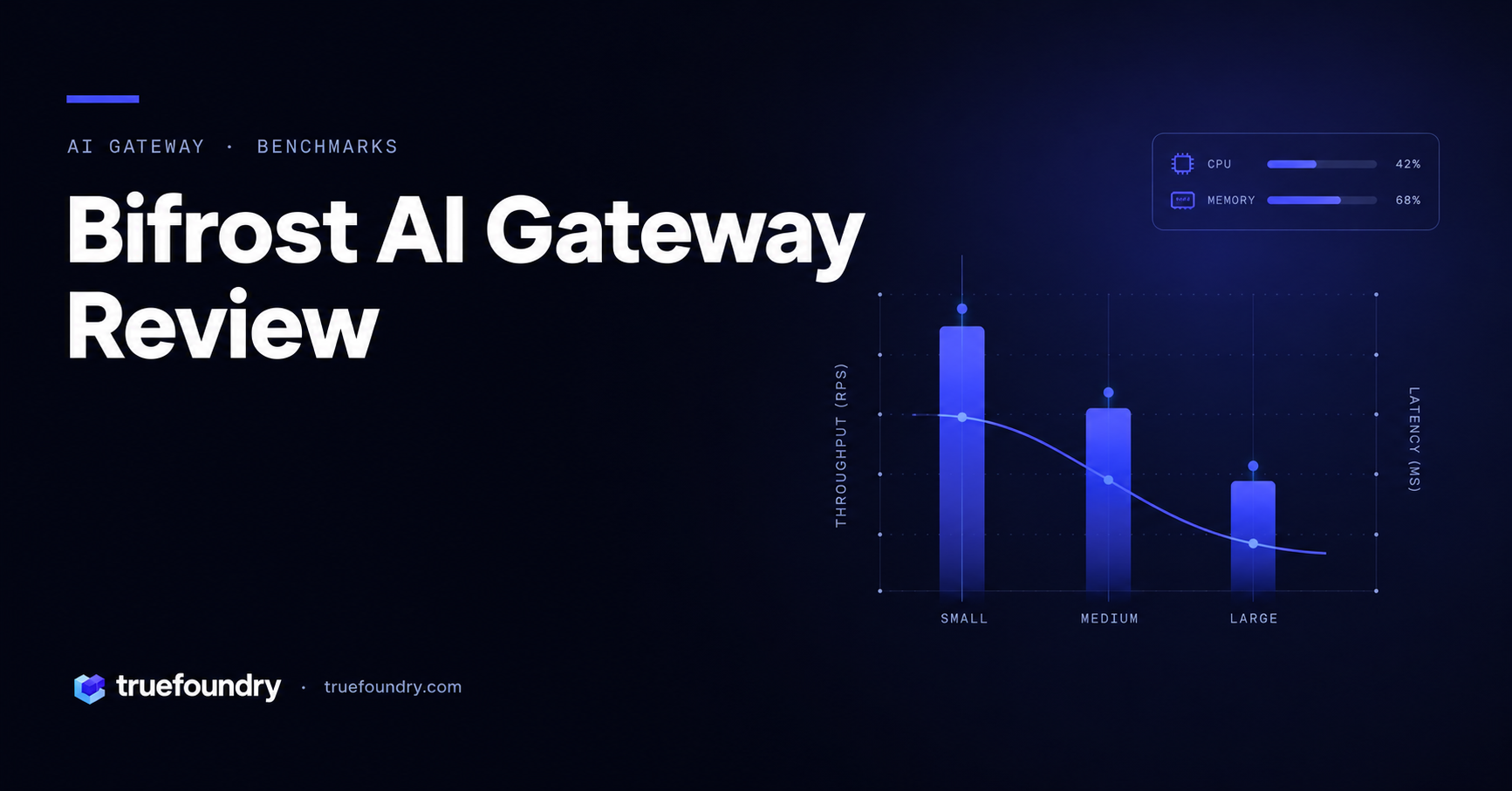
TrueFoundry AI Gateway delivers ~3–4 ms latency, handles 350+ RPS on 1 vCPU, scales horizontally with ease, and is production-ready, while LiteLLM suffers from high latency, struggles beyond moderate RPS, lacks built-in scaling, and is best for light or prototype workloads.


Not strictly better or worse — cheaper and faster, with computer use, but a tier model rather than a frontier reasoner. For the hardest long-horizon reasoning, Fable 5.1 leads; for cheap volume and computer use, Terra wins. Route by task.
GPT-6.1 Terra at $1/$5 per million tokens, versus $5/$25 for Opus 4.8 and $10/$50 for Fable 5.1 — roughly a 10x spread between Terra and Fable 5.1.
Effectively yes — all three offer around a 1M-token context (Terra 1.05M, Opus 4.8 and Fable 5.1 1M) with 128K max output, so context length rarely decides between them.
Yes, and most production teams do. An AI gateway lets you route each request to the right model, fail over automatically, and enforce budgets — without rewriting code when prices or models change.
Fable 5.1 has safety classifiers that can reroute flagged requests to Opus 4.8, so the serving model can differ from the one you selected. Designing for model substitution — which a gateway handles — avoids surprises.



The latest news, articles, and resources sent to your inbox