.png)
October 16, 2026
|
5 min read


احصل على وصول فوري إلى بيئة TrueFoundry مباشرة. انشر النماذج، ووجّه حركة مرور LLM، واستكشف المنصة بالكامل — بيئة الاختبار الخاصة بك جاهزة في ثوانٍ، ولا يلزم وجود بطاقة ائتمان.


Published: October 6, 2026
Blazingly fast way to build, track and deploy your models!
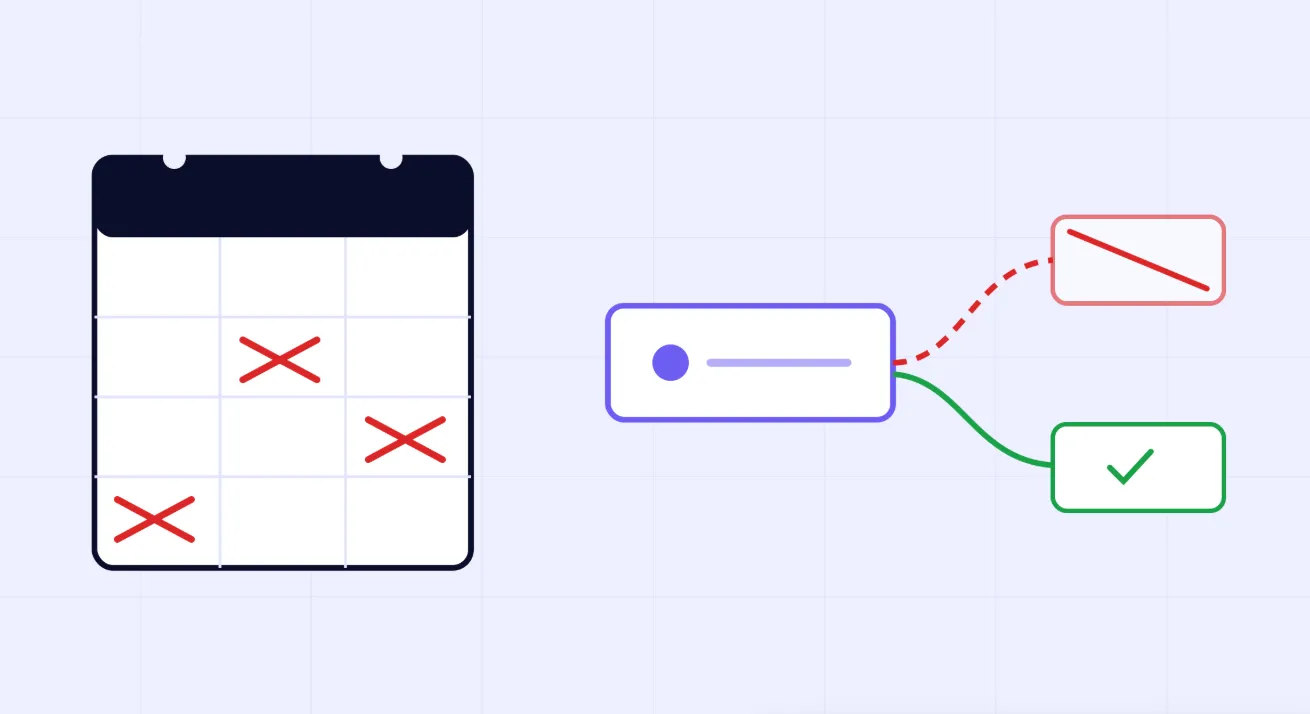
من المقرر أن توقف OpenAI في 23 يوليو 2026 دعم 15 نموذجاً مدرجاً، وهي مزيج من النسخ المؤرخة والأسماء المستعارة التي تغطي واجهات برمجة تطبيقات Codex، والدردشة، والبحث العميق، والبحث، والصوت، والوقت الفعلي، واستخدام الحاسوب، وفقاً لـ صفحة الإيقاف. المهمة العاجلة هي الترحيل. أما المشكلة الهندسية المستدامة فهي ملكية التبعيات: يجب ألا يعتمد كود التطبيق بشكل مباشر على معرفات تخضع فترات صلاحيتها لجهة توفير النموذج.
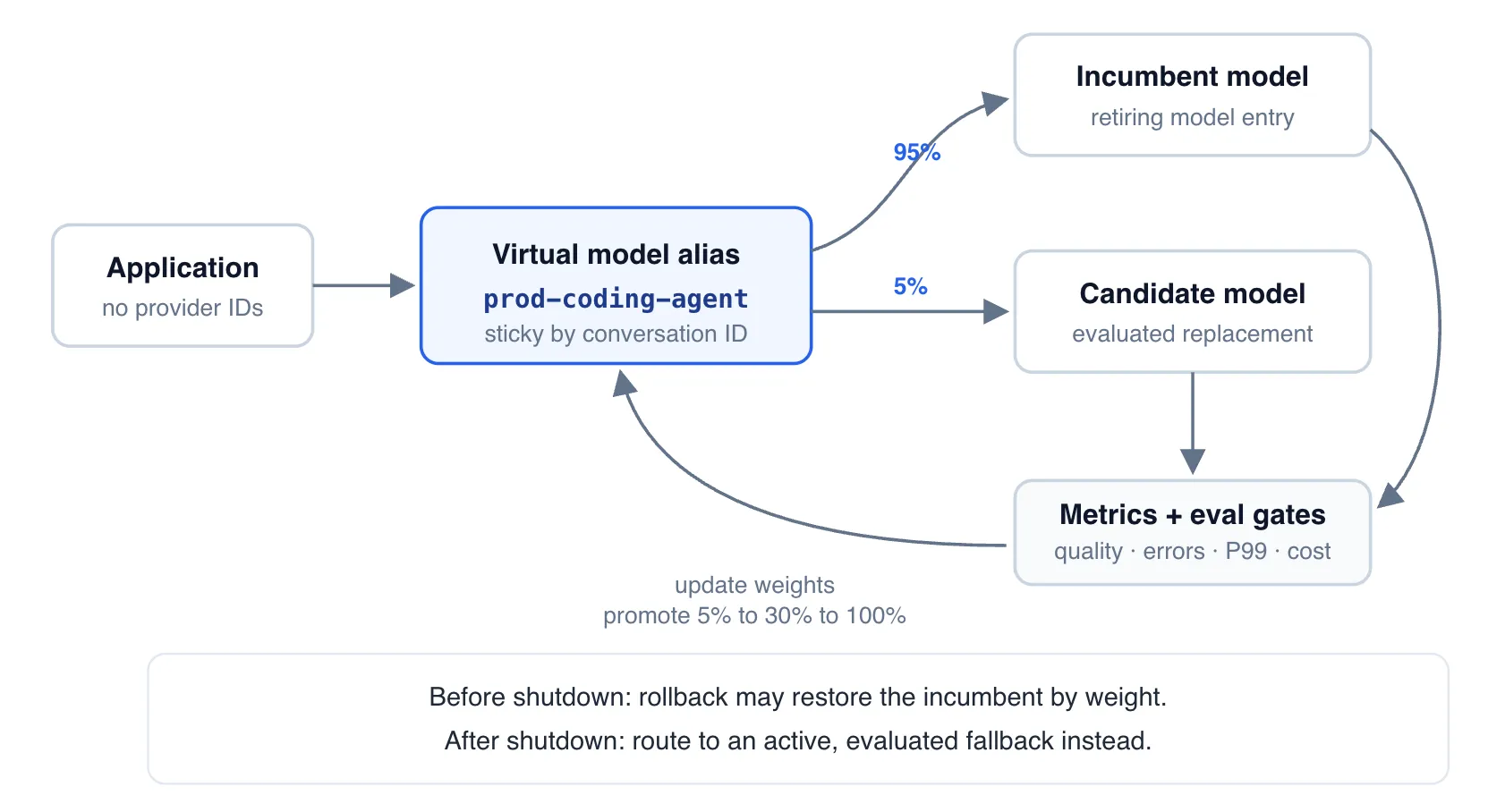
يصف هذا المنشور نمط تشغيل أكثر أماناً: جرد الاستخدام الحالي، ووضع اسم مستعار لنموذج افتراضي مستقر بين التطبيقات ونماذج المزود، وتقييم البدائل مقابل اختبارات خاصة بعبء العمل، وتحويل حركة المرور المتزامنة عبر "كناري" مرجح، والحفاظ على مسار تراجع سريع.
تحدد صفحة الإيقاف الخاصة بـ OpenAI الدلالات بشكل مباشر: يصبح النموذج موقوفاً لحظة الإعلان عنه - فهو لا يزال يعمل، ولكن لديه الآن تاريخ إيقاف - وبمجرد إيقافه، تتوقف الطلبات الموجهة إليه عن الاستجابة. سياسة الإشعار المنشورة هي ستة أشهر على الأقل للنماذج المتاحة للجمهور، وثلاثة أشهر على الأقل للمتغيرات المتخصصة مثل نماذج Codex ونماذج الدردشة الأحدث. قد تتلقى نماذج المعاينة إشعاراً لا يتجاوز أسبوعين، وتنصح OpenAI صراحةً بعدم استخدام المعاينات لأحمال العمل الإنتاجية الحساسة للأعمال ما لم يتمكن الفريق من الترحيل بسرعة (صفحة إيقاف OpenAI).
حدد إعلان 22 أبريل دفعتين مركزتين للإيقاف: 15 إدخالاً مدرجاً في 23 يوليو، وفي 23 أكتوبر مجموعة أخرى من نماذج GPT-3.5، وGPT-4، وGPT-4 Turbo، وGPT-4.1 Nano، وGPT-4o، وسلسلة o القديمة والأسماء المستعارة، إلى جانب gpt-image-1 والعديد من عائلات النماذج الأساسية التي تم ضبطها بدقة. لاحظ ما ليس مشمولاً في 23 أكتوبر: فهو لا يشمل عائلة GPT-4 بأكملها، ولا يشمل سلسلة o بأكملها — النماذج المؤرخة o3-2025-04-16 و o3-pro-2025-06-10 يتم إدراج اللقطات بشكل منفصل ليوم 11 ديسمبر، وفقط gpt-4o-2024-05-13 تظهر اللقطة من سلسلة GPT-4o.
تستحق سلسلة نماذج الصور الاهتمام كسابقة. فعندما تم إيقاف DALL·E 2 و3 في 12 مايو، كانت OpenAI قد أدرجت gpt-image-2، gpt-image-1، أو gpt-image-1-mini كبدائل موصى بها. يجب على الفرق التي اختارت gpt-image-1-mini الآن الانتقال مرة أخرى قبل إيقاف تشغيله في 1 ديسمبر، بينما gpt-image-1 نفسه من المقرر إيقافه في 23 أكتوبر. الدرس هنا عام: يمكن أن يكون هدف الترحيل مدرجاً أيضاً في التقويم، وأي بنية برمجية يكون رد فعلها تجاه إيقاف النماذج هو تعديل سلاسل النماذج في كل مكان وإعادة النشر، ستضطر لتكرار هذا العمل وفقاً لجدول المورد الزمني.
وهذا النمط ليس مقتصراً على مزود واحد. تدرج شركة Anthropic نموذج Claude Opus 4.1 للإيقاف في 5 أغسطس 2026، مع سياسة موثقة تضمن إشعاراً مسبقاً لمدة 60 يوماً على الأقل للنماذج التي يتم إصدارها للجمهور (إيقاف نماذج Anthropic). تدرج Google تاريخ 16 أكتوبر 2026 كأقرب موعد لإيقاف Gemini 2.5 Pro وFlash وFlash-Lite، ونموذج معاينة واحد — gemini-3.1-flash-lite-preview — استمرت من 3 مارس إلى 25 مايو 2026، أي أقل من ثلاثة أشهر من الإصدار إلى الإيقاف (إيقاف نماذج Gemini). تنص وثائق واجهة برمجة تطبيقات DeepSeek نفسها على أن الأسماء المستعارة القديمة deepseek-chat و deepseek-reasoner سيتم إيقافها في 24 يوليو 2026، مع توجيهها لضمان التوافق مع وضعي التفكير وغير التفكير في deepseek-v4-flash؛ وهي لا تحدد ذلك التاريخ كتاريخ للإيقاف (نماذج DeepSeek وتسعيرها). ينشر هؤلاء المزودون الأربعة جميعاً تغييرات دورة حياة النماذج النشطة؛ وتختلف فترات الإخطار وخطط الترحيل لديهم.
يبدأ كل دليل ترحيل بعبارة "راجع استخدامك"، ويعرف كل فريق منصة سبب تخطي هذه الخطوة: فمعرفات النماذج تختبئ في إعدادات الخدمة، وثوابت دفاتر الملاحظات، وخطوط أنابيب التكامل المستمر (CI)، والإعدادات الافتراضية لإطارات العمل، وملفات تكوين وكلاء البرمجة، وأدوات الطرف الثالث التي لا يتذكر أحد اعتمادها. يمكن لأداة Grep العثور على السلاسل النصية في مستودعاتك ؛ لكنها لا تجد الحجم، أو المالك، أو حركة المرور التي تنشأ خارج نظام التحكم في الإصدار. التعداد الموثوق يعتمد على الملاحظة: إذا كانت كل استدعاءات النماذج تمر عبر بوابة واحدة، فإن استخدام كل نموذج — مقسماً حسب الفريق، والتطبيق، والمستخدم، والحساب الافتراضي، مع التكلفة المرتبطة به — يصبح استعلاماً بسيطاً في لوحة التحكم، ويصبح سؤال "من لا يزال يستدعي هذا النموذج الذي سيتم إيقافه" له إجابة مباشرة تتضمن الأسماء والأرقام المالية. تشير توجيهات Anthropic نفسها إلى الاتجاه ذاته، حيث توصي العملاء بتصدير سجلات استخدام النماذج لكل مفتاح ولكل نموذج قبل الترحيل. هذا التعداد هو أيضاً أداة تحديد الأولويات: فالنموذج الذي يتلقى ثلاث استدعاءات متبقية يومياً من مهمة دفعية منسية هو مجرد تذكرة دعم، أما النموذج الذي يدعم ميزة موجهة للعملاء بتكلفة تصل إلى ستة أرقام شهرياً فهو مشروع بحد ذاته.
TrueFoundry AI Gateway delivers ~3–4 ms latency, handles 350+ RPS on 1 vCPU, scales horizontally with ease, and is production-ready, while LiteLLM suffers from high latency, struggles beyond moderate RPS, lacks built-in scaling, and is best for light or prototype workloads.





أحدث الأخبار والمقالات والموارد تصلك مباشرة إلى بريدك الوارد
.png)
.png)
.png)
.png)
.png)
.png)
.png)