



October 1, 2026
|
5 min read


احصل على وصول فوري إلى بيئة TrueFoundry مباشرة. انشر النماذج، ووجّه حركة مرور LLM، واستكشف المنصة بالكامل — بيئة الاختبار الخاصة بك جاهزة في ثوانٍ، ولا يلزم وجود بطاقة ائتمان.



Published: July 4, 2026
Blazingly fast way to build, track and deploy your models!
Braintrust has become a serious observability platform for AI evaluation and production tracing. Its strengths are clear: teams can trace production behavior, run evals, compare prompts and models, manage datasets, and convert real failures into regression checks. For engineering teams that want rigorous evaluation workflows, Braintrust remains a strong option.
Still, teams compare Braintrust alternatives when their needs move beyond evaluation alone. Some need cheaper pricing at high trace volume. Some want open source self-hosting. Others need runtime governance that enforces model access, cost controls, agent policies, MCP permissions, and audit evidence before production traffic reaches providers.
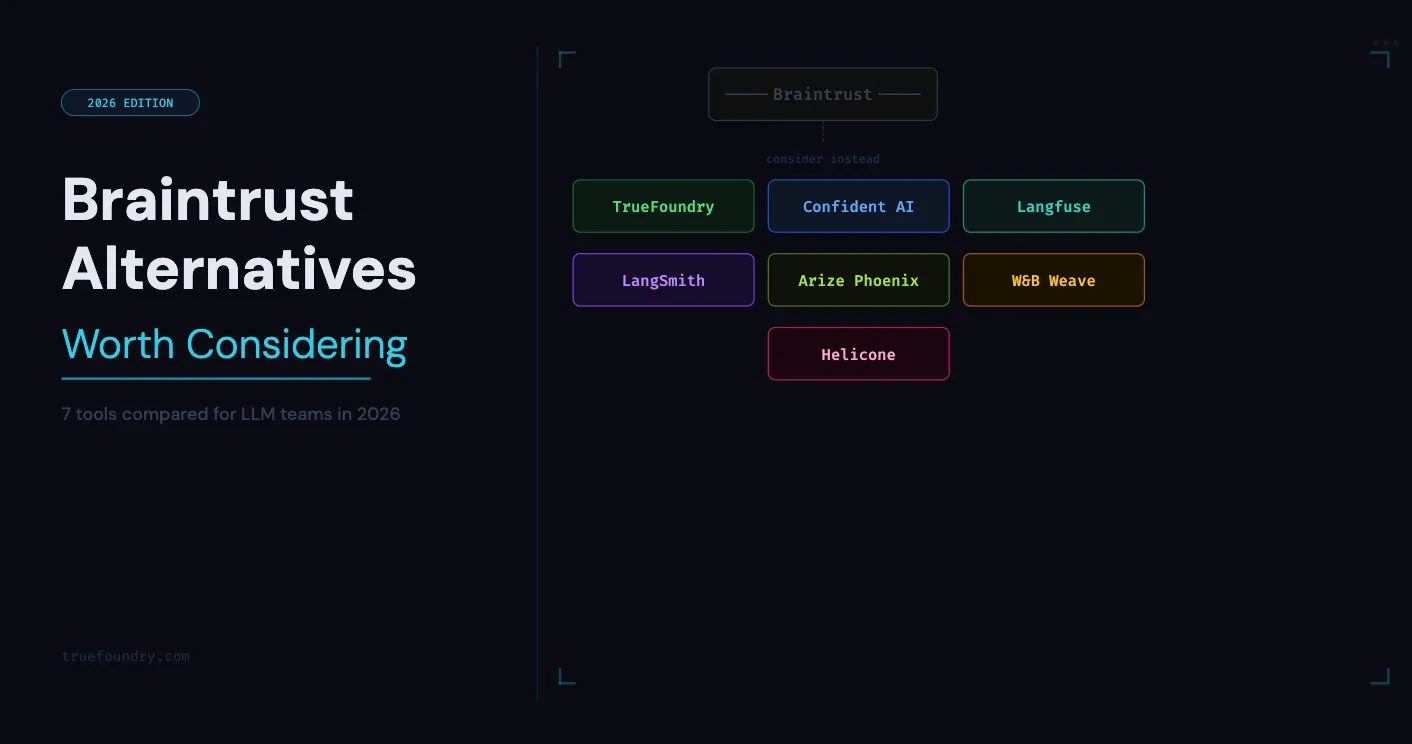
This guide compares seven Braintrust competitors in 2026, explains what each tool does well, and clarifies where each one stops. The goal is not to claim that every team should replace Braintrust. The goal is sharper: help LLM teams choose the right layer for the problem they are solving.
Before comparing tools, define the selection criteria. Braintrust alternatives are not interchangeable because each one solves a different layer in the LLM lifecycle. A strong Braintrust alternative should match the missing capability in your current operating model.
Language and integration coverage also matter. Teams should check support for Python, TypeScript, Ruby, and Java workflows, especially when application code spans several services. A single platform may look attractive until instrumentation, SDK coverage, and team workflows create friction.
The top Braintrust alternatives in 2026 fall into three broad groups. Some focus on evaluation and prompt quality. Some focus on tracing and observability. Others add runtime governance for production traffic, agents, tools, and cost controls.
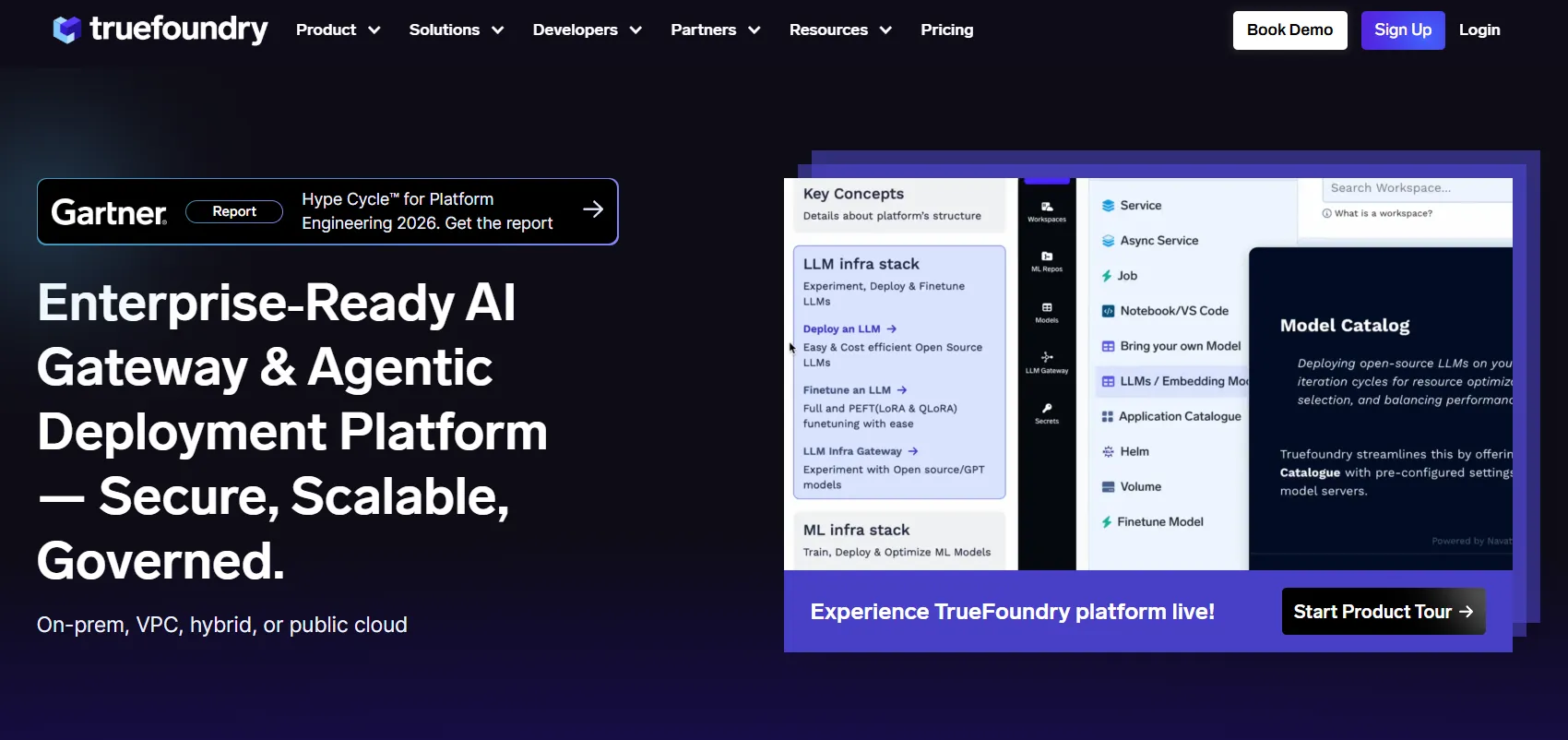
TrueFoundry is the best Braintrust alternative when the main gap is production governance rather than offline evaluation. It approaches the LLM stack from the infrastructure layer, where model access, routing, observability, agent policies, MCP tool control, and cost enforcement happen before production traffic reaches providers.
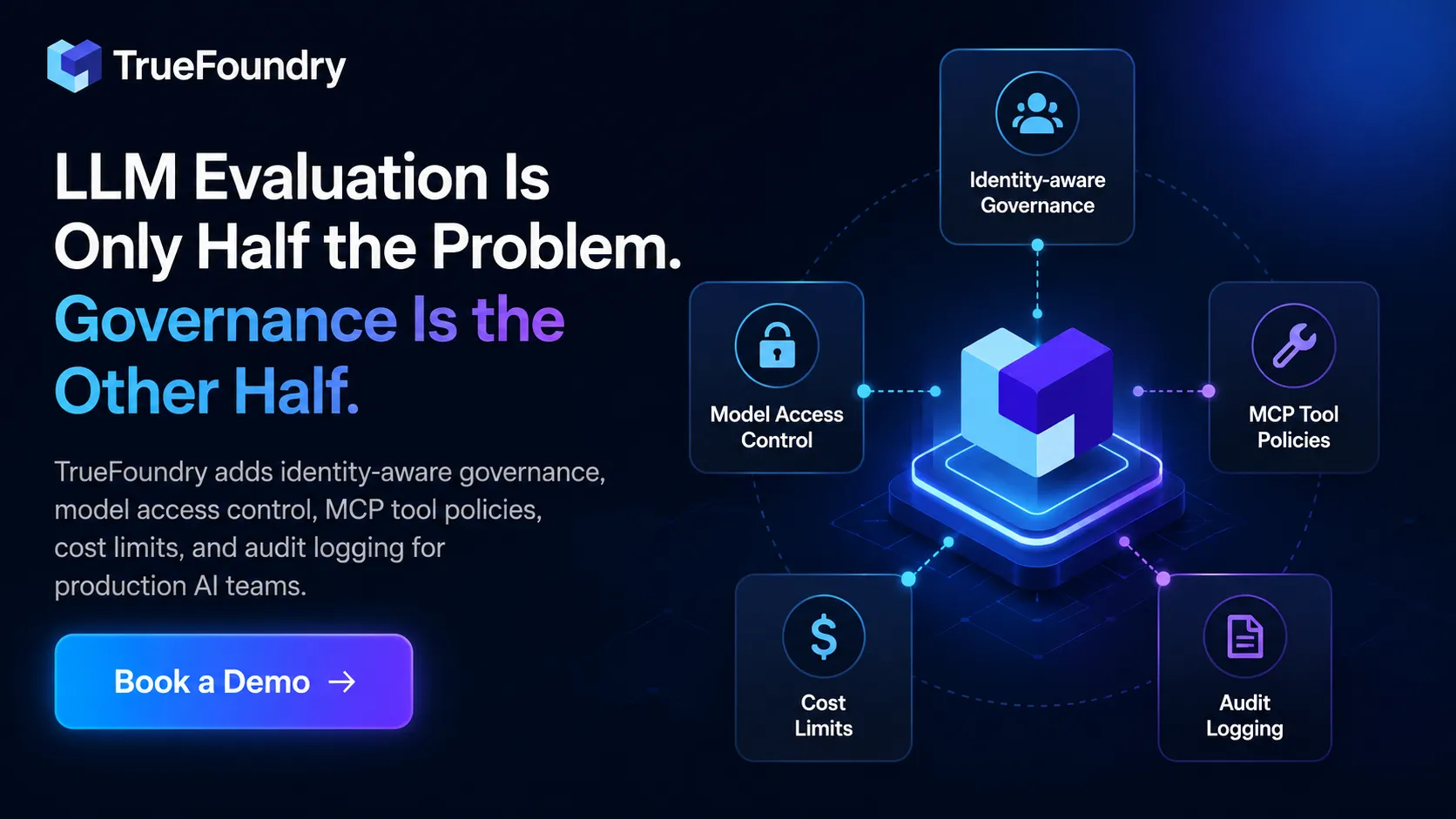
Unlike pure evaluation tools, TrueFoundry helps teams govern what runs in production. Its AI Gateway centralizes access, policy checks, monitoring, routing, failover, rate limits, and audit evidence. This makes it relevant when evaluation exists, yet runtime governance remains fragmented.
TrueFoundry pricing includes a Developer plan at $0 for early builders, Pro at $499 per month, Pro Plus at $2,999 per month, and custom Enterprise pricing. Enterprise is designed for stricter governance, security, deployment flexibility, and mission-critical reliability.
TrueFoundry is best for enterprise AI platform teams and regulated organizations with multi-team LLM programs. It is especially relevant when evaluation exists, yet production access, identity, cost, and audit controls remain fragmented.
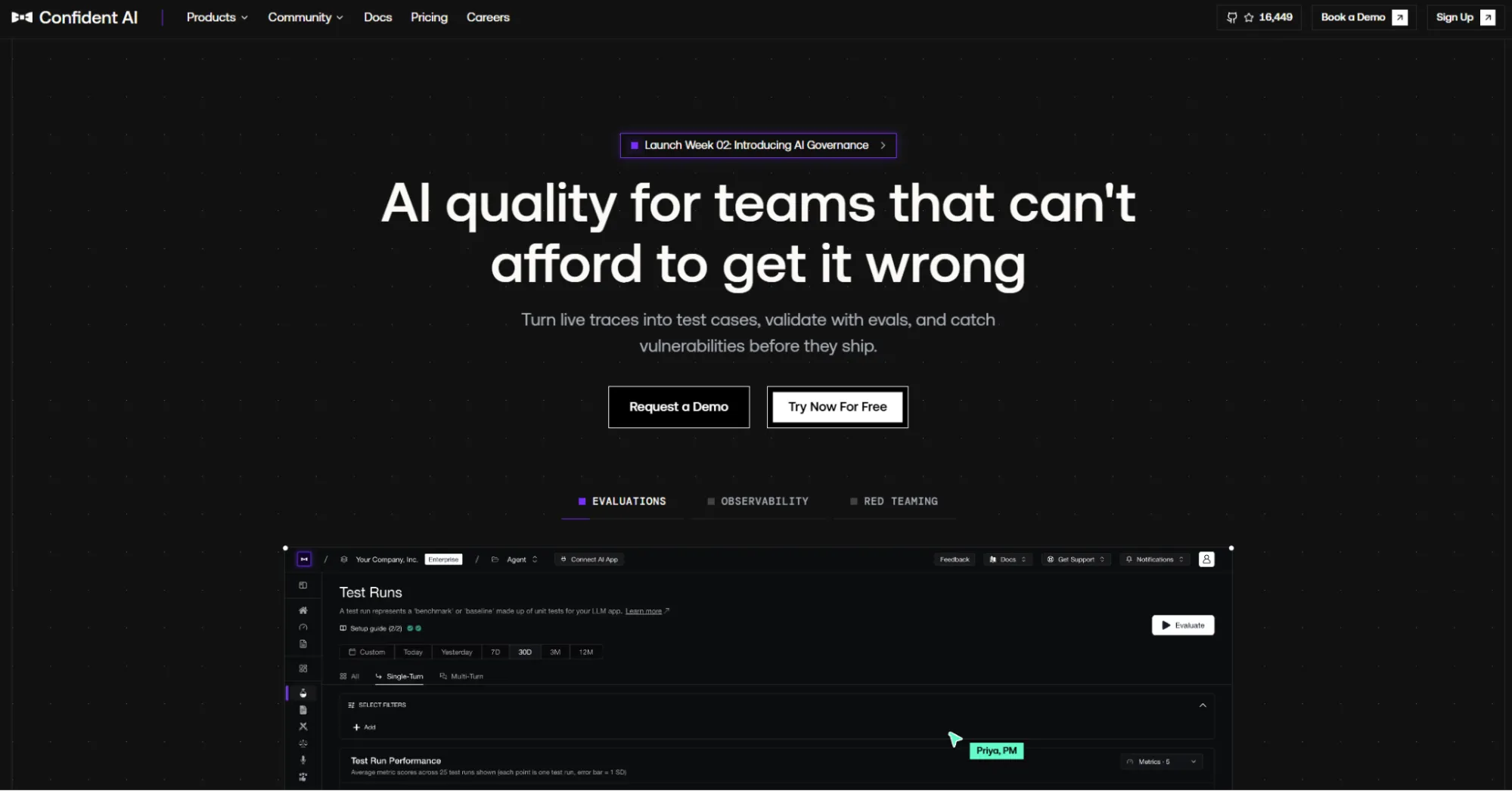
Confident AI is a strong Braintrust alternative for teams that want product-quality evaluation workflows around real LLM applications. It builds on DeepEval, the open-source LLM evaluation framework, and adds collaboration, tracing, monitoring, dashboards, and team workflows.
Confident AI is best for teams that need evaluation depth and broader participation from QA or product teams. It suits groups that connect pre-release tests with production-quality monitoring.
Confident AI is primarily an evaluation and quality platform. Teams should not treat it as a full runtime governance or AI infrastructure control plane without directly validating deployment, access control, and policy needs.
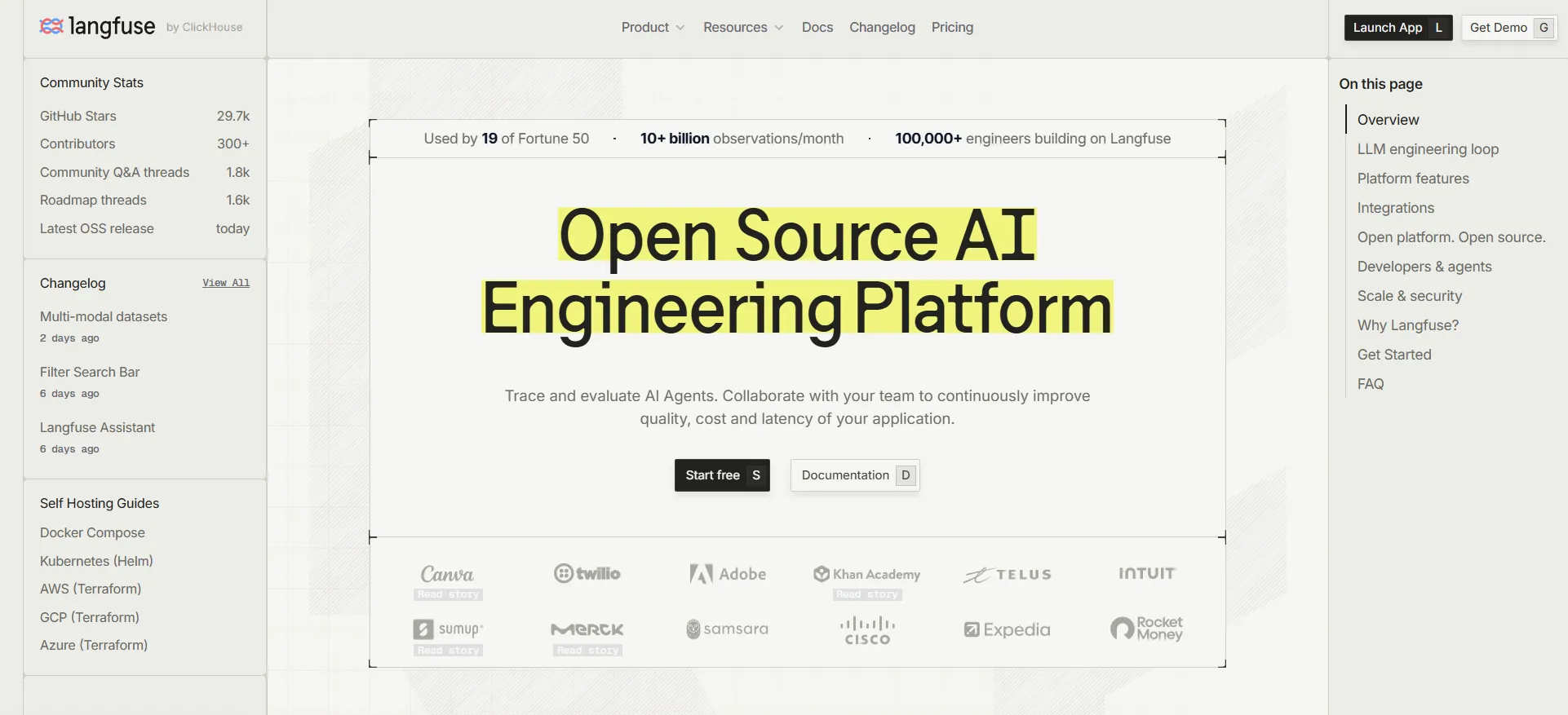
Langfuse is one of the strongest open-source alternatives to Braintrust for teams that want LLM observability, tracing, prompt management, datasets, and evaluation workflows with self-hosting control. It also appeals to teams tracking GitHub stars as a community-adoption signal.
Langfuse is best for platform teams that want open-source control, self-hosting, and broad observability coverage. It fits teams that prefer owning their observability stack.
Self-hosting creates a real operational tradeoff. Teams must own scaling, upgrades, storage, security hardening, incident response, and long-term reliability for the observability stack.
.webp)
.webp)
LangSmith is a practical Braintrust competitor for teams already building with LangChain or LangGraph. It reduces instrumentation friction and gives developers tracing, debugging, datasets, evaluations, and monitoring inside the LangChain ecosystem.
LangSmith is best for teams using LangChain or LangGraph heavily. It fits developers who want minimal integration friction and strong debugging workflows.
LangSmith is less attractive for teams prioritizing vendor-neutral observability, open-source self-hosting, or infrastructure-level governance across non-LangChain systems.
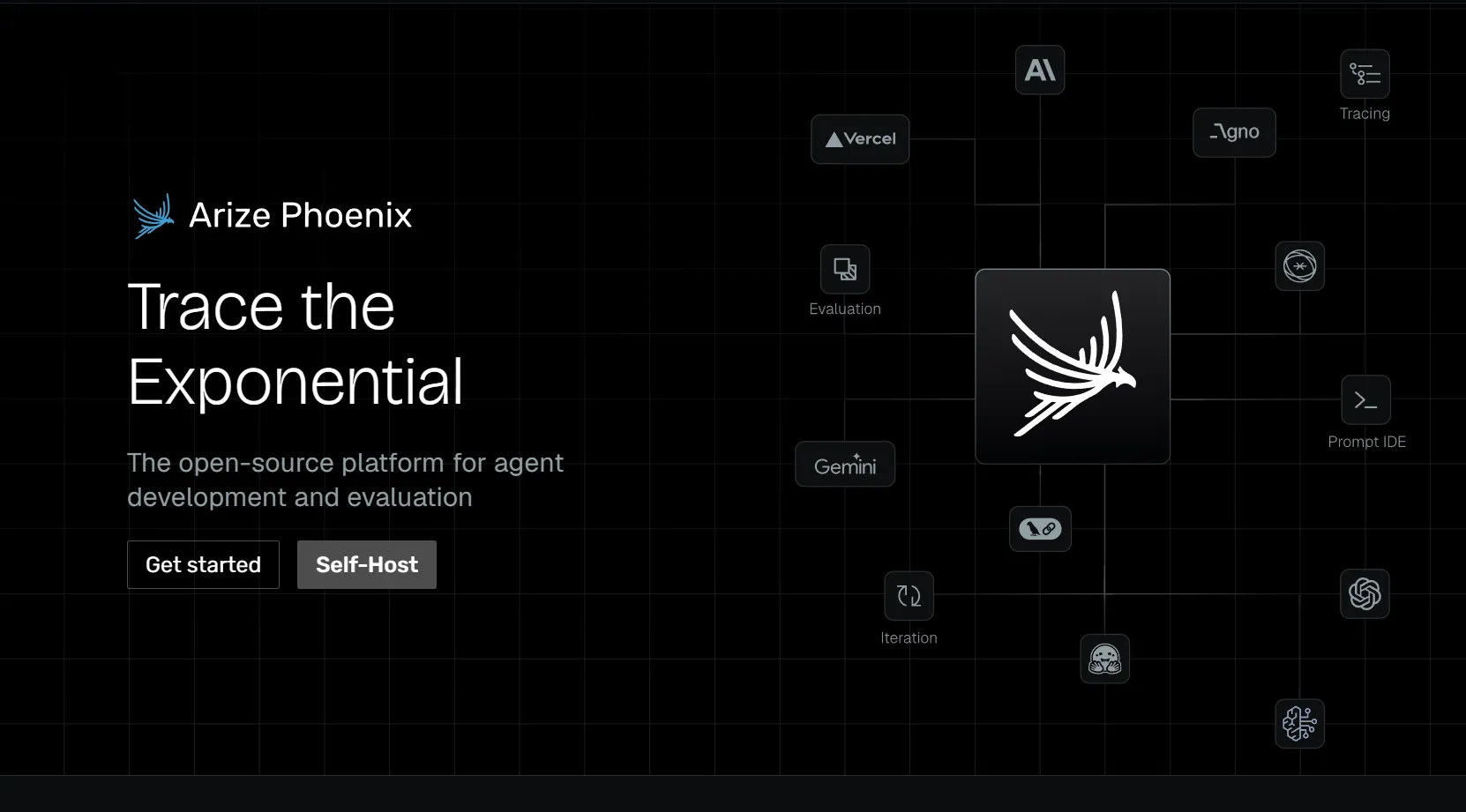
Arize Phoenix is an open-source AI observability and evaluation platform. It is especially relevant for teams that value OpenTelemetry-based instrumentation, RAG evaluation, retrieval debugging, experimentation, and troubleshooting workflows.
Teams with platform engineering capacity that want open-source LLM observability and evaluation tooling with strong trace and experimentation workflows.
Phoenix is powerful, but production-grade enterprise operations may require additional platform work or a commercial Arize deployment, depending on scale, security, and support needs.
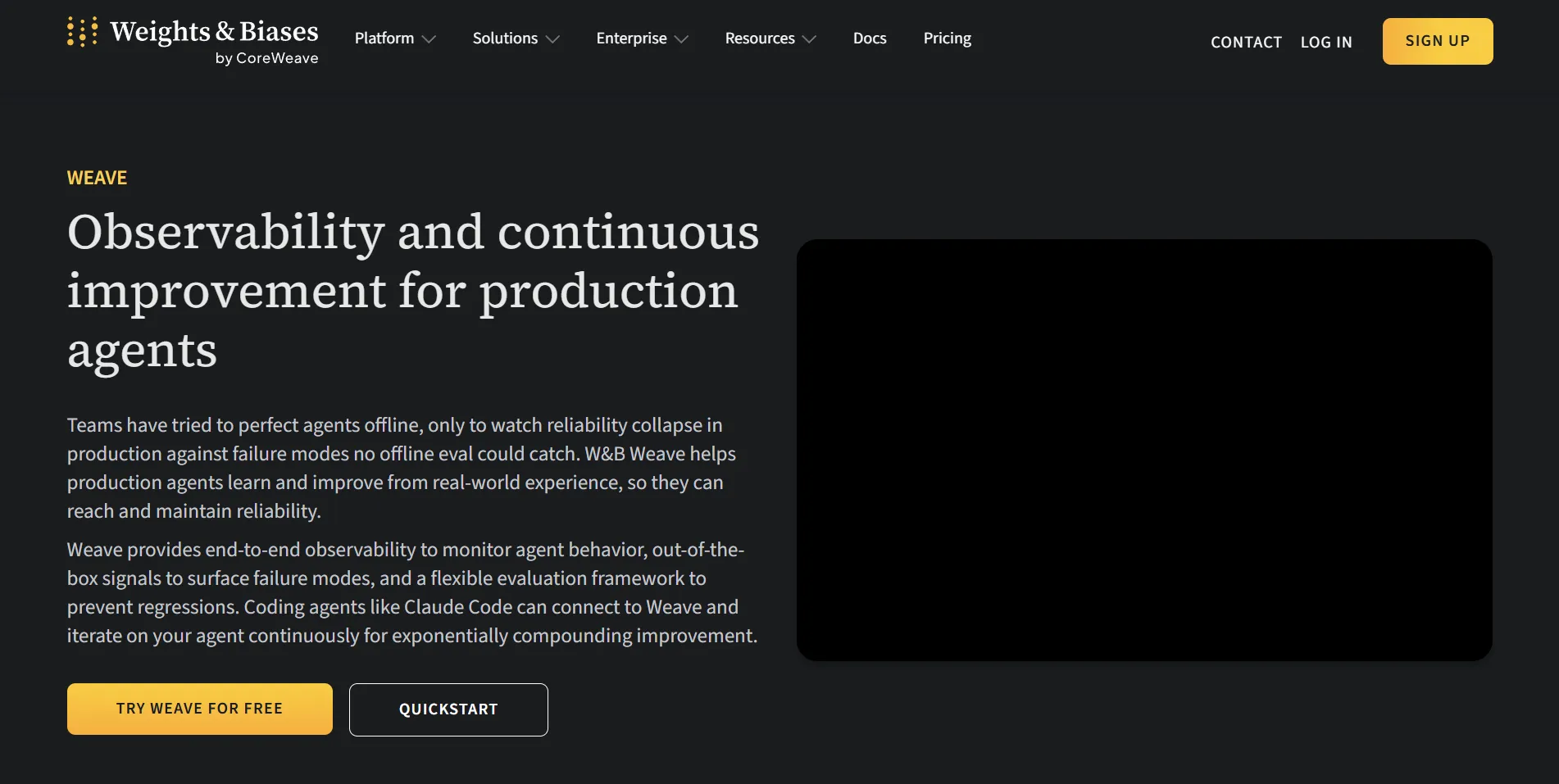
W&B Weave is a logical Braintrust alternative for teams already using Weights & Biases for ML experiment tracking. It extends the W&B ecosystem into LLM observability, evaluation, tracing, and agent workflows across production AI systems.
W&B Weave is best for ML teams already standardized on W&B. It also fits teams tracking NVIDIA-backed model workflows and LLM applications in one operating model.
Weave is strongest when W&B already supports the team’s ML operating model. For pure LLM evaluation or self-hosted observability, Langfuse, Phoenix, or Braintrust may be simpler to evaluate.
.webp)
Helicone is a lightweight AI gateway and LLM observability platform. It is a strong option for developer teams that want fast setup, OpenAI-compatible routing, request logging, cost tracking, caching, and rate limits without having to build deep instrumentation from scratch.
Helicone هو الأنسب للشركات الناشئة والفرق الهندسية التي ترغب في مراقبة سريعة لنماذج اللغة الكبيرة (LLM) وتتبع التكاليف. يناسب الفرق التي تتجنب أعمال تنفيذ المنصات المعقدة.
Helicone ليس في الأساس بيئة عمل للتقييم العميق دون اتصال بالإنترنت أو منصة حوكمة الذكاء الاصطناعي للمؤسسات. يجب على الفرق الخاضعة للتنظيم التحقق من احتياجات الهوية والتدقيق والتحكم في البيانات وتطبيق السياسات قبل اعتماده كطبقة وحيدة.
أكبر فخ في هذه الفئة هو افتراض أن التقييم والمراقبة والحوكمة هي نفس الشيء. إنها مرتبطة، لكنها ليست متطابقة. هذا التمييز مهم عندما تقوم الفرق بتقييم بدائل Braintrust لأنظمة الذكاء الاصطناعي الإنتاجية.
السؤال العملي إذن ليس "ما هي أفضل أداة؟" بل هو "ما هي الطبقة المفقودة من نموذج تشغيل نماذج اللغة الكبيرة (LLM) الحالي لدينا؟" إذا كانت الفجوة هي الوصول الموحد للنماذج وحوكمة الطلبات، فإن بوابة LLM يصبح أكثر صلة من أي منصة عمل تقييم أخرى.
.webp)
Braintrust ليس ضعيفًا. إنه منصة قوية لمراقبة وتقييم الذكاء الاصطناعي، وتضيف بوابته وصولاً موحدًا للنماذج، والتخزين المؤقت، والمراقبة، ودعمًا لعدة مزودين. يجب أن تعترف أي مقارنة موثوقة بنقاط قوة Braintrust قبل مناقشة بدائله.
يعتمد البديل الصحيح على الطبقة المفقودة. إذا كانت الفجوة هي الاستضافة الذاتية، فإن Langfuse و Phoenix يستحقان الاهتمام. إذا كانت الفجوة هي عمق التقييم وسير عمل الجودة متعدد الوظائف، فإن Confident AI يُعد خيارًا جادًا. وإذا كان الفريق يعمل ضمن LangChain، فإن LangSmith هو المسار الأسهل.
إذا كان الفريق يستخدم W&B بالفعل، فإن Weave مناسب بشكل طبيعي. وإذا كانت الحاجة هي مراقبة بوابة خفيفة الوزن، فإن Helicone جذاب. كل خيار من هذه الخيارات يُعد منافسًا صالحًا لـ Braintrust عندما يتطابق نموذج تشغيله مع المشكلة الفعلية.
بالنسبة لفرق الشركات التي تكمن فجوتها في حوكمة الإنتاج، فإن TrueFoundry هو الأنسب في هذه القائمة. إنه مصمم للفرق التي تحتاج إلى حوكمة وصول النماذج، وإجراءات الوكلاء، وأدوات MCP، وحدود التكلفة، والمراقبة، وأدلة التدقيق من خلال طبقة تحكم البنية التحتية.
هذا لا يعني أن TrueFoundry يحل محل كل سير عمل تقييم. بل يعني أن TrueFoundry يمكنه استكمال مكدس تقييم موجود عندما تحتاج ضوابط الوصول للإنتاج، والتكلفة، والهوية، والتدقيق إلى تطبيق أقوى. هذا هو الفرق بين مراقبة جودة الذكاء الاصطناعي وحوكمة مخاطر الذكاء الاصطناعي.
احجز عرضًا توضيحيًا لترى كيف يحكم TrueFoundry أعباء عمل الذكاء الاصطناعي قبل أن تصل إلى مخاطر الإنتاج.
TrueFoundry AI Gateway delivers ~3–4 ms latency, handles 350+ RPS on 1 vCPU, scales horizontally with ease, and is production-ready, while LiteLLM suffers from high latency, struggles beyond moderate RPS, lacks built-in scaling, and is best for light or prototype workloads.


أقوى بدائل Braintrust هي TrueFoundry و Confident AI و Langfuse و LangSmith و Arize Phoenix و W&B Weave و Helicone. يعتمد الخيار الأفضل على ما إذا كان الفريق يحتاج إلى حوكمة الإنتاج، أو عمق التقييم، أو المراقبة الذاتية الاستضافة، أو التتبع الأصلي لـ LangChain، أو استمرارية سير عمل التعلم الآلي، أو تسجيل بوابة خفيف الوزن.
يُستخدم Braintrust لمراقبة أداء الذكاء الاصطناعي وتقييمه. تستخدمه الفرق لتتبع سلوك الإنتاج، وإجراء التقييمات، ومقارنة المطالبات والنماذج، وإدارة مجموعات البيانات، وتسجيل النتائج، واكتشاف التراجعات قبل الإصدار. يكون أكثر فعالية عندما تحتاج الفرق إلى سير عمل تقييم منظم وتحسين الجودة المدعوم بالتتبع.
تكون Confident AI في أوج قوتها عندما ترغب الفرق في سير عمل تقييم منظم يشمل الهندسة وضمان الجودة والمنتج. تعتمد على DeepEval وتوفر التتبع ولوحات المعلومات ومجموعات البيانات وسير عمل الانحدار ومقاييس التقييم المضمنة. يظل Braintrust قوياً للفرق التي تفضل تقييمه وتتبعه وBrainstore وسير عمل الانحدار الخاص به.
نعم. Langfuse هو أحد أوضح البدائل لـ Braintrust للفرق التي ترغب في منصة مفتوحة المصدر وقابلة للاستضافة الذاتية للمراقبة والتقييم. المقايضة تكمن في تحمل مسؤولية التشغيل. فالاستضافة الذاتية تعني أن الفريق يجب أن يدير التوسع، والترقيات، والتخزين، والأمان، والموثوقية، والاستجابة للحوادث.
يجب على الفرق أن تفكر في TrueFoundry عندما تكون الطبقة المفقودة هي حوكمة الإنتاج: الوصول إلى النماذج المدرك للهوية، وسياسات أدوات MCP، وحوكمة الوكلاء، وفرض التكلفة، والتوجيه، وقابلية المراقبة، وسجلات التدقيق. يمكنه أن يكمل منصة تقييم بدلاً من أن يحل محلها، خاصة عندما تحتاج سياسة وقت التشغيل إلى تحكم أقوى.



أحدث الأخبار والمقالات والموارد تصلك مباشرة إلى بريدك الوارد
.png)
.png)
.png)
.png)
.png)
.png)
.png)
.png)
.png)
.png)
.png)


