October 28, 2026
|
5 min read


احصل على وصول فوري إلى بيئة TrueFoundry مباشرة. انشر النماذج، ووجّه حركة مرور LLM، واستكشف المنصة بالكامل — بيئة الاختبار الخاصة بك جاهزة في ثوانٍ، ولا يلزم وجود بطاقة ائتمان.




Blazingly fast way to build, track and deploy your models!
Strip away the hype and the filing describes one of the fastest-scaling businesses ever put in front of public investors.
In short: a well-capitalized, hyper-growth vendor with enormous pricing power, heading into the disclosure and quarterly-expectations regime of a public company. That combination is exactly why builders should think about exposure.
The S-1 describes a “pay-for-intelligence” model: customers pay per token, priced by model. Combined with ~900% net revenue retention and the filing’s own note that revenue is primarily consumption-based and largely not under long-term contracts, that means pricing and model-tier mix are levers Anthropic can adjust — and public markets reward margin expansion. Costs already move: the filing says Claude Opus 5.5 cut cost per task by about 40% versus Opus 5. Repricing can cut the other way just as easily, and if your unit economics assume today’s rate card, a change you don’t control can reshape them.
Anthropic runs on AWS Trainium, Google TPUs, NVIDIA and AMD — and its compute-and-infrastructure spend was $7.3B in 2025 and $8.9B in the first half of 2026 alone, under multi-year commitments that extend out toward 2031–2045. Its own risk factors note that certain cloud providers it depends on also build competing models, that it has sought more compute than those providers were willing to supply, and that some financing comes with preferential chip-supply commitments. Translation for you: capacity and availability constraints upstream of Anthropic can become latency, rate-limit or availability problems downstream in your product.
The filing warns that a substantial portion of revenue and receivables comes from a limited number of customers and distribution channels. When a vendor’s revenue concentrates among its largest accounts and cloud channels, roadmap and support priorities tend to follow that money. If you are not one of the giant accounts, “what gets prioritized” is a reasonable thing to hedge.
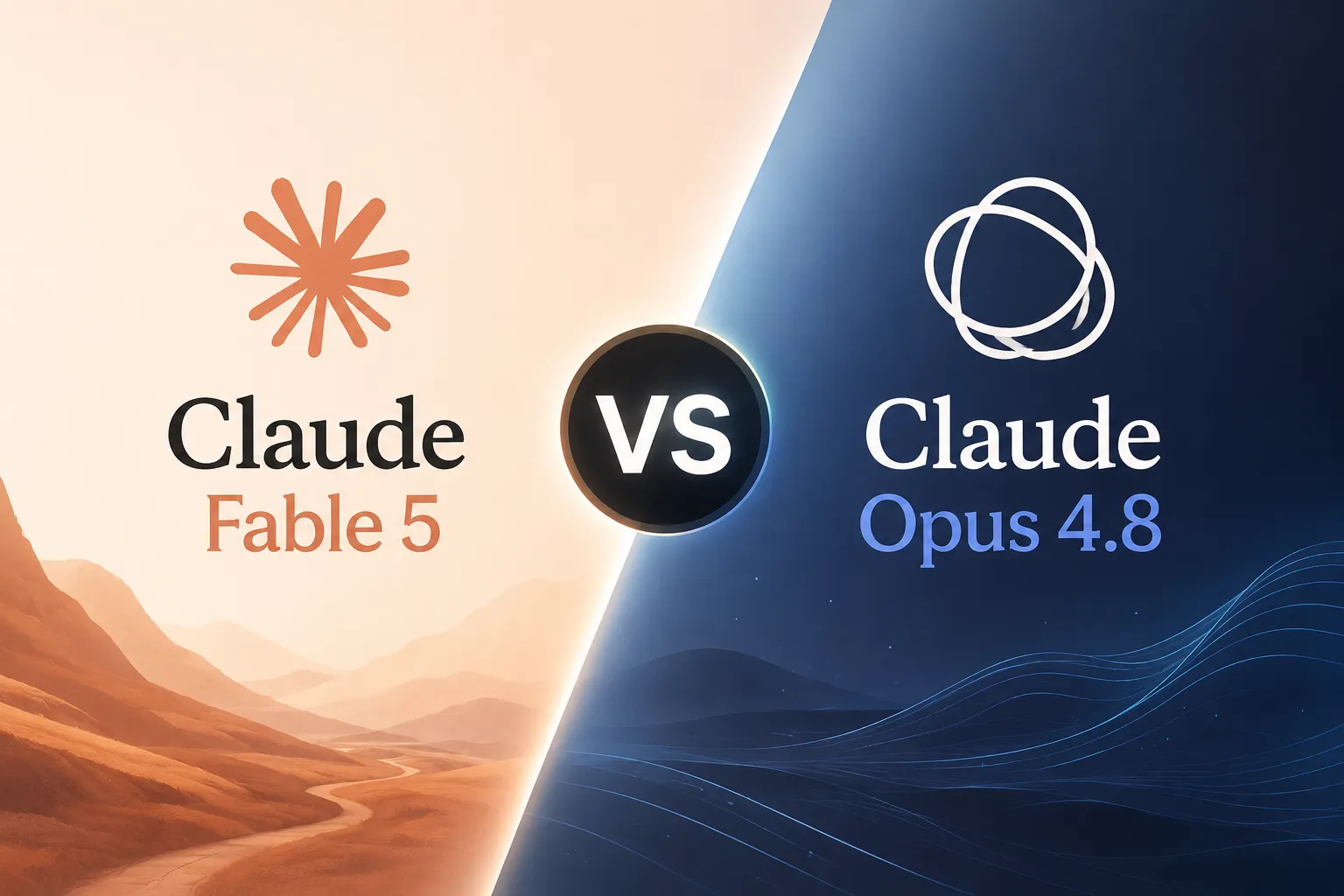
This is not hypothetical, and the S-1 is explicit that safety can gate availability: Anthropic has delayed releases and limited initial availability — the filing cites Mythos through Project Glasswing as an example. We see the production version of this already: Claude Fable 5.1 can reroute safety-flagged requests to Opus 4.8, so the model that serves a request can differ from the one you selected. Public-company governance tends to make safety posture more conservative, not less — good for the ecosystem, but one more reason to design for model substitution.
The filing acknowledges that customers who built older models into their workflows may resist migrating to newer versions — and that customers may shift to competitors whose models offer superior capabilities. Both directions are real for you: you may be pushed onto a new model before you are ready, or want to move to a better one elsewhere. Either way, you want switching to be a configuration change, not a re-platforming project.
To be fair, much of the filing is reassuring. A vendor with ~$112B in cash, disciplined operating-loss trends, and the transparency obligations of a public company can be a safer long-term partner, not a riskier one. Competition is fierce — the filing concedes rivals may offer “adequate performance at a lower cost” — which tends to restrain prices as much as raise them. The point isn’t that Anthropic’s IPO is bad for Claude users. It’s that concentration risk, which already existed, is now spelled out in a legal document, and the prudent response is architectural.
The hedge against any single vendor’s changes is the same whoever is filing: build so that swapping or blending models is a configuration change, not a project. Four things make that real.
This is what the TrueFoundry AI Gateway is built for: one OpenAI-compatible plane across every provider, with cost-aware routing, automatic fallback, per-team budgets, a cross-provider cost ledger, and the option to run self-hosted or air-gapped. Claude stays a first-class model in your stack — you simply stop being locked to it. For the category view, see our definitive guide to AI gateways.
Make Claude one of several models you can route to — not a dependency. Talk to the TrueFoundry team →
Anthropic’s S-1 reads like a company at the top of its market: extraordinary growth, ~900% retention, a fortress balance sheet, and the pricing power that comes with being the model enterprises reach for first. Going public is most likely a sign of strength. It also converts a latent question into an explicit, disclosed one — how exposed is your AI stack to a single vendor’s economics, capacity and priorities? Teams that have already put their models behind a gateway can read the filing as spectators. Teams that haven’t should treat it as a well-timed nudge to build the independence they’ll want regardless.
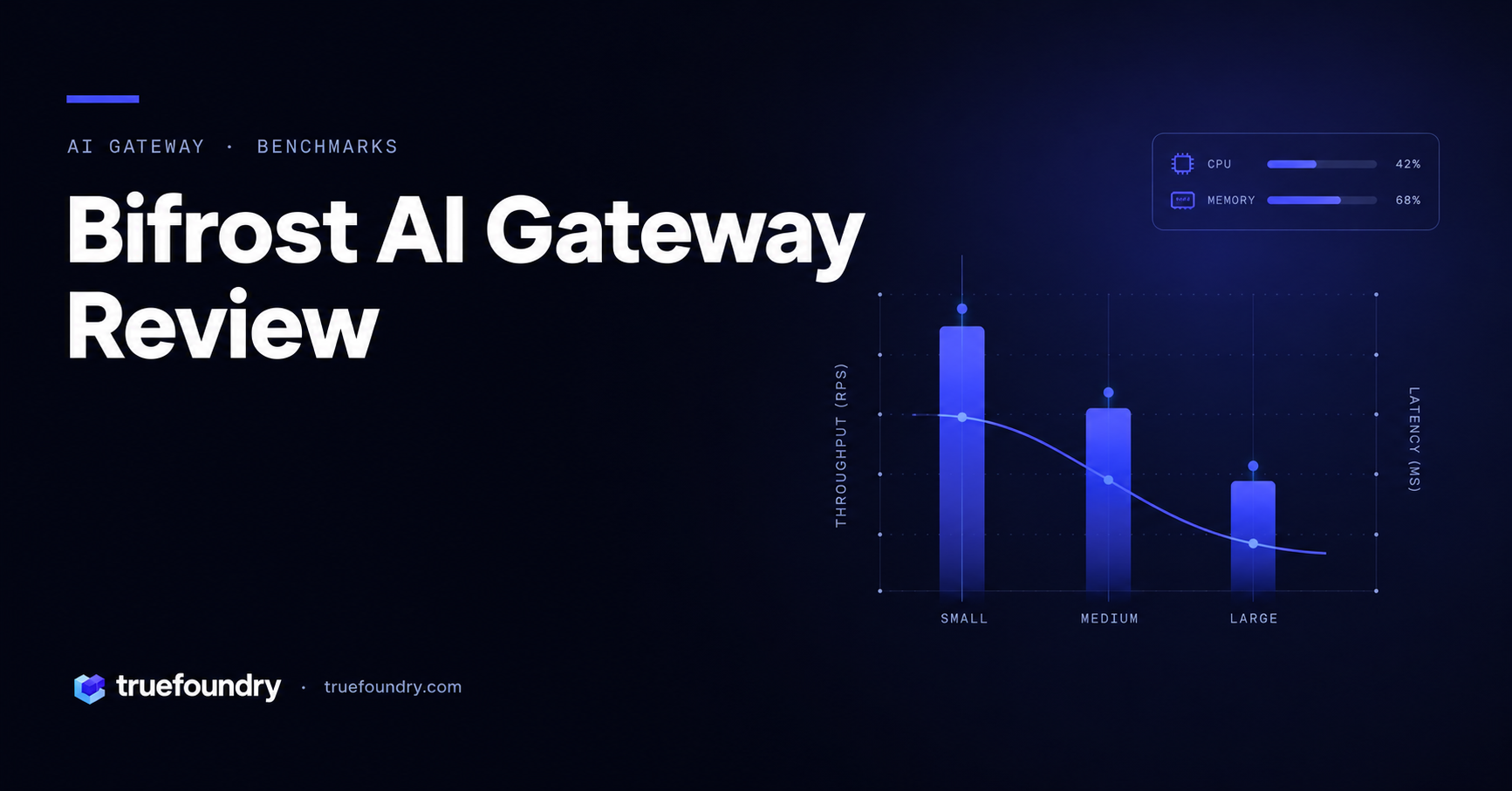
TrueFoundry AI Gateway delivers ~3–4 ms latency, handles 350+ RPS on 1 vCPU, scales horizontally with ease, and is production-ready, while LiteLLM suffers from high latency, struggles beyond moderate RPS, lacks built-in scaling, and is best for light or prototype workloads.



أحدث الأخبار والمقالات والموارد تصلك مباشرة إلى بريدك الوارد