September 15, 2026
|
5 min read


Obtenha acesso instantâneo a um ambiente TrueFoundry ao vivo. Implante modelos, direcione o tráfego de LLM e explore a plataforma completa — seu sandbox estará pronto em segundos, sem necessidade de cartão de crédito.



Published: September 15, 2026
Blazingly fast way to build, track and deploy your models!
TrueFoundry AI Gateway delivers ~3–4 ms latency, handles 350+ RPS on 1 vCPU, scales horizontally with ease, and is production-ready, while LiteLLM suffers from high latency, struggles beyond moderate RPS, lacks built-in scaling, and is best for light or prototype workloads.



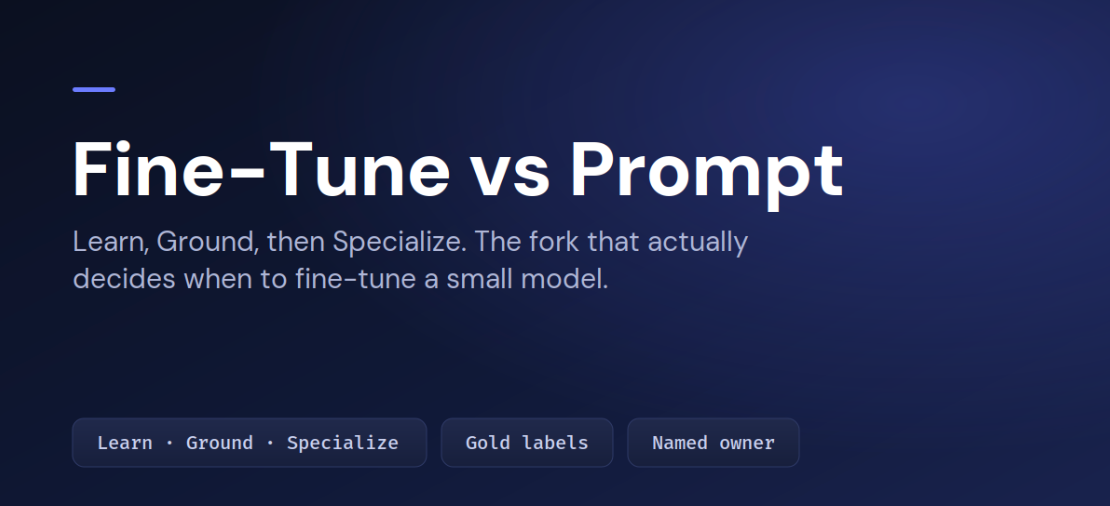
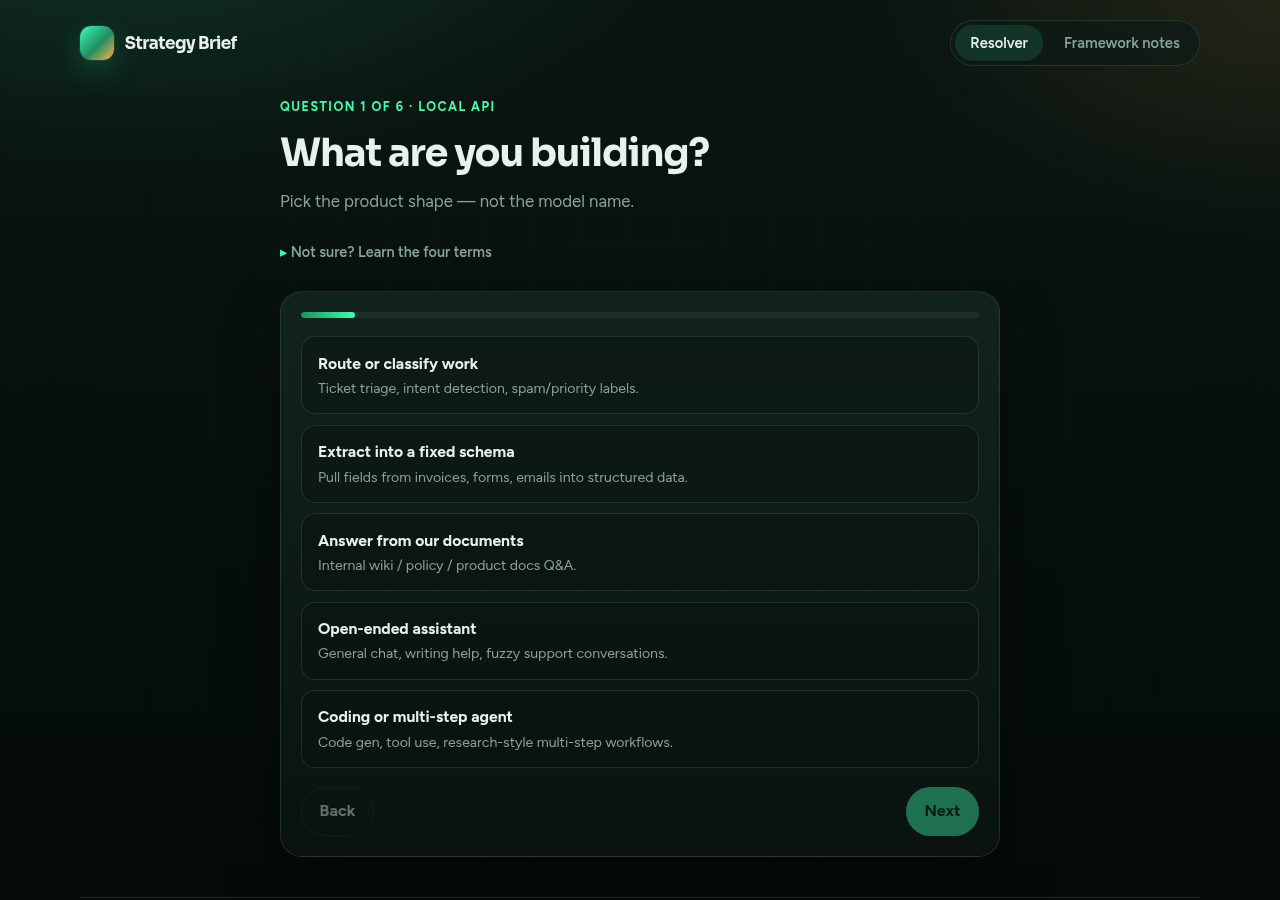
When the job is narrow and repetitive, you have ~1,000+ clean labeled examples, a named owner for evals and redeploys, enough volume that unit cost or latency hurts, and a prompted baseline you can beat on a held-out set. If any of those are missing, keep prompting (and add RAG if the job is knowledge).
Fine-tuning changes model weights for a specialist behavior. RAG retrieves trusted docs at ask-time so answers stay grounded and fresh. Private hosting is where inference runs. You can combine them in any order; picking VPC hosting does not mean you must fine-tune.
Usually one of: no held-out eval, labels that were raw tickets, an open-ended job that should not have been specialized, or no owner to keep the specialist from drifting. Specialize without a scoreboard is guessing.
Route traffic through an AI gateway. Set default models. Gate premium access. Expose per-team spend. TrueFoundry's AI Gateway gives engineering leads usage and cost visibility across 1,000+ LLMs behind one OpenAI-compatible API, so model choices do not pile into billing surprises while you are still proving the product.
Yes. TrueFoundry runs in your VPC, on-prem, air-gapped, or hybrid, so prompts and responses never leave your domain even as you route across many providers.



As últimas notícias, artigos e recursos enviados para sua caixa de entrada
.webp)
.webp)
.webp)
.webp)