


.webp)
October 21, 2026
|
5 min read


احصل على وصول فوري إلى بيئة TrueFoundry مباشرة. انشر النماذج، ووجّه حركة مرور LLM، واستكشف المنصة بالكامل — بيئة الاختبار الخاصة بك جاهزة في ثوانٍ، ولا يلزم وجود بطاقة ائتمان.



Blazingly fast way to build, track and deploy your models!
كل طلب يمر عبر بوابة الذكاء الاصطناعي يحمل شيئاً يستحق الحماية: سؤال عميل، أو مقتطف من كود برمجي داخلي، أو سجل مستخرج من قاعدة بيانات لتعزيز خط معالجة الاسترجاع المعزز (RAG). إن تحديد مسار هذه البيانات، وما إذا كانت ستمر عبر الإنترنت العام، أو سيتم تسجيلها في مكان ما بشكل افتراضي، ومن يمتلك مفاتيح التشفير، هي قرارات معمارية جوهرية وليست تفاصيل ثانوية تُضبط لاحقاً. إذا أخطأت في هذه القرارات، فقد تكون قد أنشأت مساراً لتسريب البيانات داخل بنيتك التحتية للذكاء الاصطناعي.
لقد قارنا بين ثلاث بوابات من حيث توجيه البيانات الآمن تحديداً: TrueFoundry، وAWS Bedrock، وCloudflare AI Gateway. يتبنى كل منها نهجاً مختلفاً؛ فبينما تعتمد الأولى على أمن البنية التحتية الأصلية لـ AWS، وتعتمد الثانية على نموذج "انعدام الثقة" (Zero Trust) في شبكة الحافة، وتعتمد الثالثة على النشر داخل سحابة خاصة افتراضية (VPC)، فإن كل منها يستحق الفهم بعمق قبل اختياره لأي بيئة عمل إنتاجية تتعامل مع بيانات حساسة.
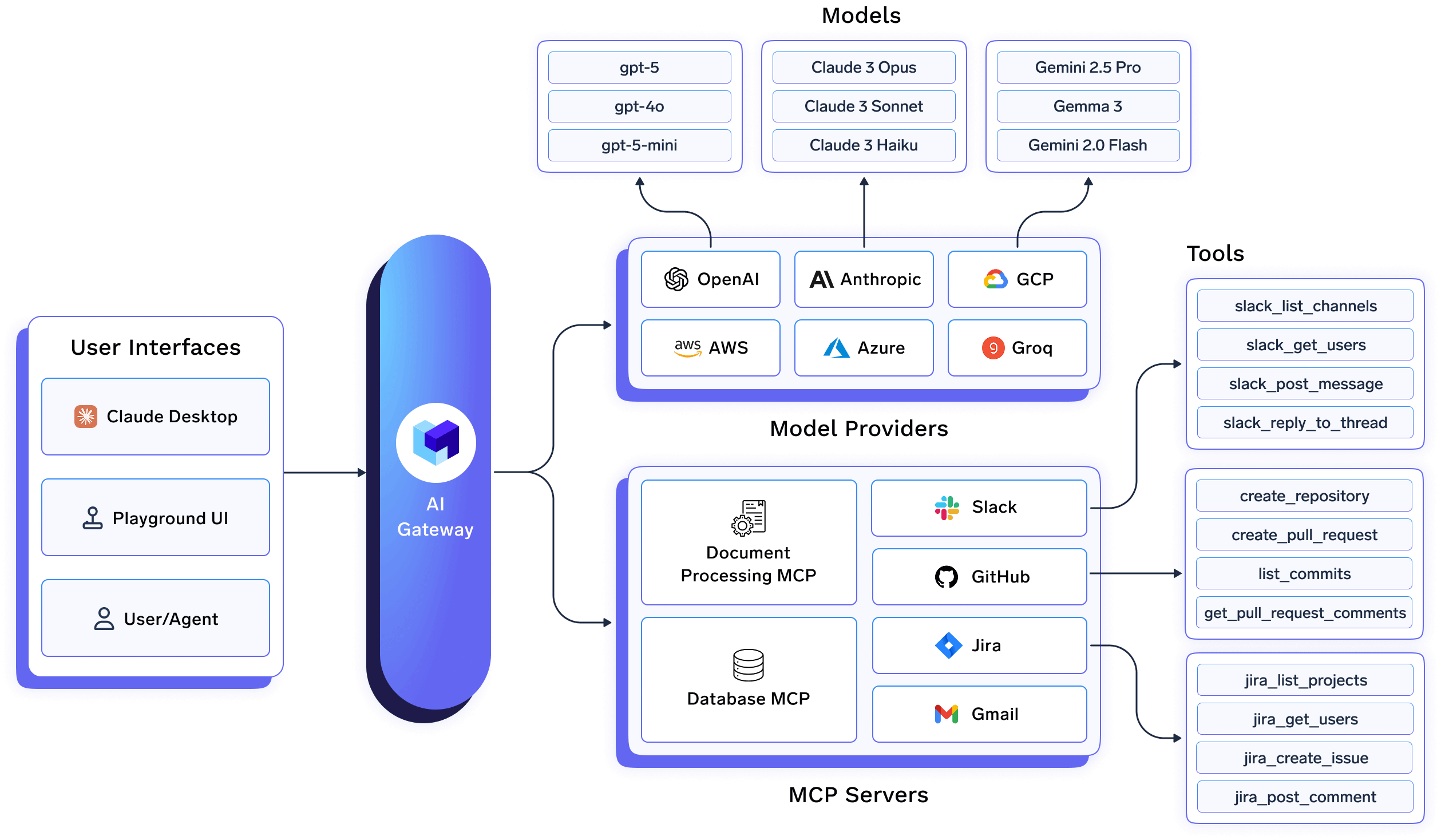
بوابة TrueFoundry للذكاء الاصطناعي بوابة الذكاء الاصطناعي مبنية على افتراض أن التوجيه الآمن يعني أن البوابة نفسها تعمل داخل شبكتك، وليس فقط أن حركة المرور إليها مشفرة. يتم نشرها كلوحة تحكم وحوسبة ذاتية الاستضافة بالكامل داخل سحابتك الخاصة (VPC)، أو في بيئة محلية، أو في بيئة معزولة عن الإنترنت، حيث تستخدم لوحة الحوسبة اتصال WebSocket صادراً فقط إلى لوحة التحكم، مما يعني عدم الحاجة لفتح أي منافذ واردة في جدار الحماية الخاص بك. يتم تشفير البيانات أثناء السكون وأثناء النقل، كما أن البنية التحتية المدارة الأساسية حاصلة على شهادات الامتثال SOC2 Type II وISO 27001 وGDPR وHIPAA.
أما من جانب فحص البيانات، فإن الكشف المدمج عن معلومات التعريف الشخصية (PII) يستخدم فهماً سياقياً بدلاً من مطابقة الأنماط البسيطة، ويمكنه تنقيح المعرفات الحساسة تلقائياً في وضع التعديل (mutate mode) بحيث يستمر الطلب مع إزالة البيانات الحساسة بدلاً من فشله تماماً. وبالنسبة لأحمال العمل الخاضعة للتنظيم التي تتطلب المزيد، فإن عمليات التكامل مع TrojAI (لحظر بطاقات الائتمان)، وPillar Security (لحظر أرقام الضمان الاجتماعي وحقن المطالبات)، وVerra (للحوكمة المدارة للصناعات الخاضعة للتنظيم) ترتبط جميعها بنفس بنية البوابةنظرًا لأن التوجيه، وضوابط الحماية، والتشفير تُطبق بنفس الطريقة بغض النظر عن نموذج اللغة الكبير (LLM) الذي يتم توجيه الطلب إليه من بين أكثر من 1000 نموذج مدعوم، فإن مستوى الأمان لا يتغير باختلاف المزود الذي توجه إليه طلباتك في ذلك اليوم.
الأنسب لـ: الفرق التي توجه طلباتها إلى مزودي نماذج متعددين وتحتاج إلى تشغيل البوابة نفسها داخل شبكتها الخاصة، مع سياسة أمان وضوابط حماية متسقة بغض النظر عن المزود الذي يعالج طلباً معيناً.
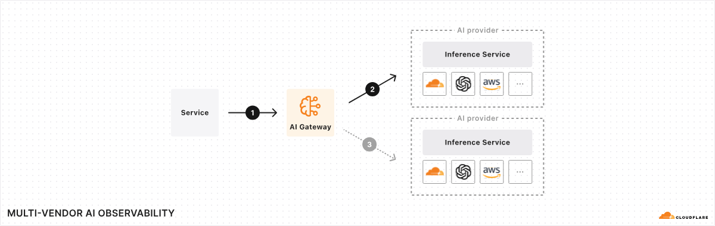
يوجه نهج Cloudflare حركة مرور الذكاء الاصطناعي عبر نفس بنية "الثقة الصفرية" (Zero Trust) التي تطبقها على حركة مرور القوى العاملة والاتصالات بين الآلات بشكل عام. تتضمن بوابة الذكاء الاصطناعي (AI Gateway) فحصاً لمنع فقدان البيانات (DLP) على المطالبات والاستجابات من خلال جدار حماية Cloudflare، مما يتيح للفرق اختيار ملفات تعريف DLP التي يجب حظرها أو وضع علامة عليها. كما يتيح "مستكشف السجلات" (Log Explorer) لمحللي الأمن تتبع طفرات الاستخدام، أو البحث عن محاولات محظورة لالتقاط بيانات شخصية، أو إعادة بناء تفاعلات مستخدم معين مع نموذج غير مصرح به. ويمكن لـ "مجموعة توطين البيانات" (Data Localization Suite) تقييد مكان تخزين البيانات في منطقة جغرافية محددة، بينما يمكن لبوابة الويب الآمنة من Cloudflare One حظر تطبيقات الذكاء الاصطناعي غير المصرح بها تماماً على مستوى الشبكة.
يُعد هذا نموذجاً أمنياً قوياً وأصيلاً في الحوسبة الطرفية، كما أن ميزات التخزين المؤقت الأساسية، وتحديد معدل الطلبات، ومنع فقدان البيانات (DLP) متاحة مجاناً مع حساب Cloudflare. ومع ذلك، يختلف النطاق عن البوابة المنشورة في سحابة خاصة (VPC)؛ حيث يتم فرض الأمان هنا عند حافة شبكة Cloudflare بدلاً من داخل شبكتك الخاصة، وهو ما يمثل الخيار الأمثل لبعض البنى التحتية، بينما يشكل تمييزاً جوهرياً للبعض الآخر.
الأنسب لـ: الفرق المستثمرة بالفعل في نظام Cloudflare للثقة الصفرية (Zero Trust) والتي ترغب في تطبيق سياسات منع فقدان البيانات (DLP) وتوطين البيانات عند حافة الشبكة دون الحاجة إلى إنشاء بنية تحتية منفصلة.
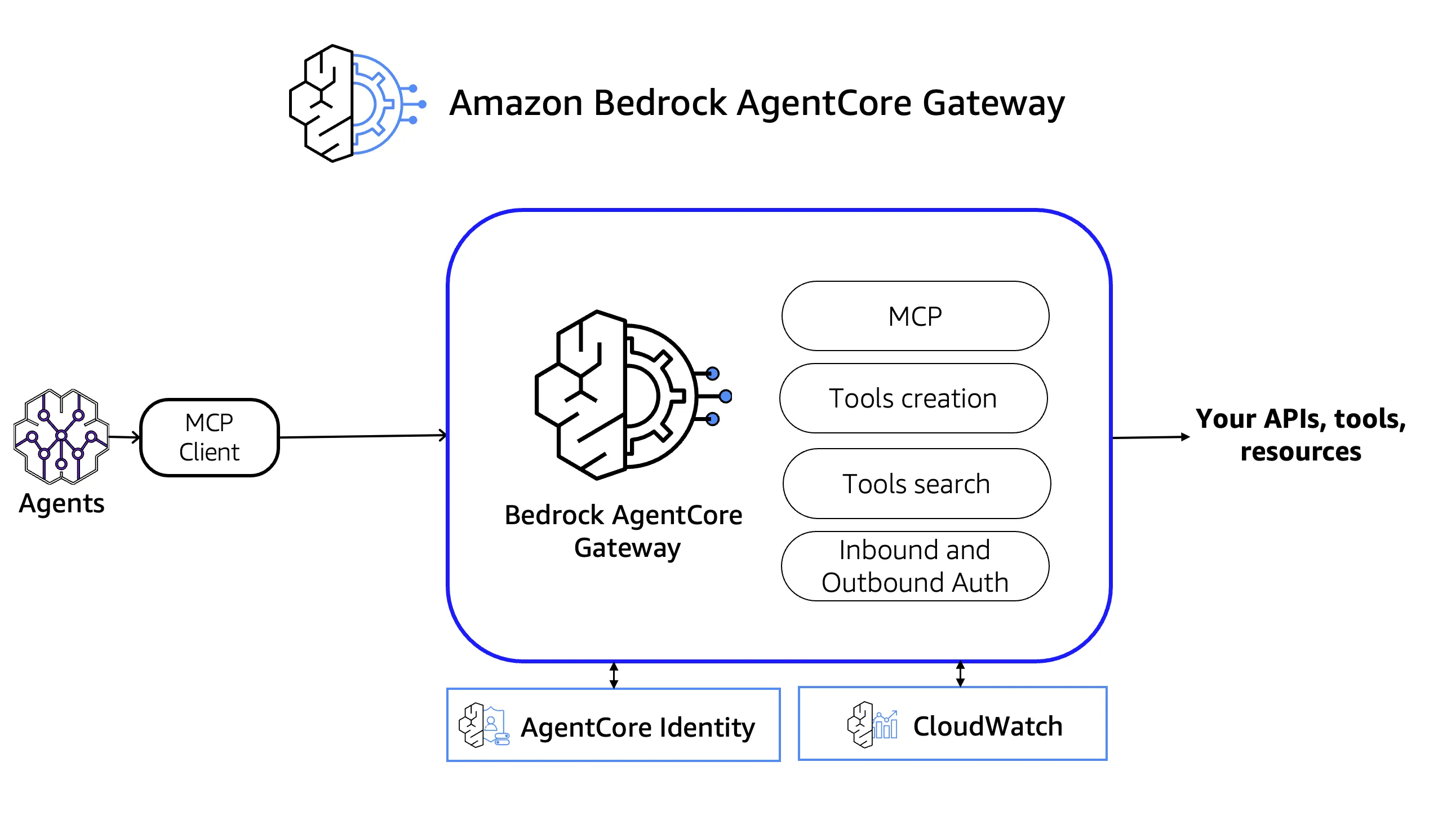
يُعد نموذج أمان Bedrock نقطة قوة حقيقية إذا كانت نماذجك وبنيتك التحتية موجودة بالفعل داخل AWS. يمكن إبقاء حركة المرور بعيدة تماماً عن الإنترنت العام من خلال AWS PrivateLink ونقاط نهاية VPC، كما يتم التشفير في حالة السكون عبر AWS KMS مع دعم المفاتيح التي يديرها العميل عندما تحتاج إلى التحكم في سياسات المفاتيح وتدويرها. وبشكل افتراضي، لا يقوم Bedrock بحفظ المطالبات أو استجابات النماذج، حيث تتم معالجة بيانات الاستدلال بشكل مؤقت ما لم تقم بتمكين تسجيل استدعاء النموذج صراحةً. وتؤكد أمازون أنها لا تشارك بياناتك أبداً مع مزودي النماذج ولا تستخدمها لتدريب النماذج الأساسية، كما تعمل "حواجز الحماية" (Guardrails) القابلة للتهيئة على تصفية المحتوى الحساس أو الضار في مسار الطلب.
المقايضة تكمن في النطاق. يكون نموذج الأمان هذا في أعمق مستوياته مع النماذج المستضافة الخاصة بـ Bedrock والبنية التحتية الأصلية لـ AWS؛ أما التوجيه إلى نماذج خارج AWS، أو الحفاظ على ضمانات الشبكة الخاصة نفسها عبر إعداد متعدد السحابات، فيتطلب بنية إضافية فوق ما يوفره Bedrock بشكل أصلي.
الأنسب لـ: الفرق التي تشغل بالفعل أحمال عمل الذكاء الاصطناعي الخاصة بها داخل AWS وترغب في الحصول على عناصر تحكم أمنية عميقة وأصلية لنماذج Bedrock المستضافة تحديداً.
الميزةTrueFoundryAWS BedrockCloudflare AI Gatewayتوجيه الشبكة الخاصةنعم، داخل سحابة خاصة (VPC) أو محلياً، بدون منافذ واردةنعم، عبر PrivateLink ونقاط نهاية VPCشبكة حافة بنظام الثقة الصفريةتشفير البيانات الساكنةنعم، نعم مع مفاتيح يديرها العميلتعتمد تشفير منصة Cloudflareالاحتفاظ الافتراضي بالبياناتقابل للتهيئة، يتم نشره داخل بيئتكلا يوجد احتفاظ افتراضي ما لم يتم تفعيل التسجيلالتسجيل قابل للتهيئة عبر ملفات تعريف DLPفحص PII/DLPاكتشاف سياقي مدمج لبيانات PII مع تكامل حواجز الحمايةحواجز حماية قابلة للتهيئةفحص DLP عبر جدار الحمايةاتساق متعدد الموفريننفس السياسة عبر أكثر من 1000 نموذج لغوي كبيرالأعمق لنماذج Bedrock الأصليةمتسق عبر الموفرين الذين يتم توجيههم عبر CloudflareالامتثالSOC2 Type II, ISO 27001, GDPR, HIPAAتعتمد برامج امتثال AWSتعتمد برنامج امتثال Cloudflareالتكلفةتواصل معنا للحصول على أسعار المؤسساتالدفع حسب الاستخدام في AWSمجاني لميزات DLP والتوجيه الأساسية
اختر TrueFoundry إذا كنت: توجه الطلبات إلى موفري نماذج متعددين وتحتاج إلى نشر البوابة نفسها داخل سحابتك الخاصة (VPC) أو بيئتك المحلية، مع سياسة أمنية وسياسة حماية بيانات (PII) موحدة بغض النظر عن الموفر.
اختر AWS Bedrock إذا كنت: تمتلك نماذجك وبنيتك التحتية بالفعل على AWS وترغب في دعم أصيل وعميق لـ PrivateLink وKMS وحواجز الحماية (Guardrails) لنماذج Bedrock تحديداً.
اختر Cloudflare AI Gateway إذا كنت: تستخدم بالفعل حزمة الثقة الصفرية من Cloudflare وترغب في تطبيق فحص DLP وتوطين البيانات عند حافة الشبكة مجاناً.
س: ما هي أفضل بوابة ذكاء اصطناعي لتوجيه البيانات بشكل آمن؟ج: يعتمد ذلك على مكان وجود بنيتك التحتية الحالية. تناسب TrueFoundry الفرق التي تحتاج إلى نشر البوابة داخل سحابتها الخاصة (VPC) أو بيئتها المحلية مع أمان متسق عبر جميع موفري النماذج. تناسب AWS Bedrock الفرق التي تعمل بالفعل بشكل أصلي على AWS. بينما تناسب Cloudflare AI Gateway الفرق التي تستخدم بالفعل نظام الثقة الصفرية من Cloudflare.
س: هل تقوم AWS Bedrock بتخزين مطالباتي واستجاباتها افتراضياً؟ج: لا. افتراضياً، لا تحتفظ Bedrock بالمطالبات أو استجابات النماذج؛ حيث تتم معالجة بيانات الاستدلال بشكل مؤقت ما لم تقم بتفعيل تسجيل استدعاء النموذج بشكل صريح.
س: هل يمكن لبوابة TrueFoundry للذكاء الاصطناعي العمل بالكامل داخل شبكتي الخاصة؟ج: نعم. يتم نشرها في سحابتك الخاصة (VPC)، أو محلياً، أو في بيئة معزولة (air-gapped)، أو هجينة، حيث تستخدم طبقة الحوسبة اتصالاً صادراً فقط إلى طبقة التحكم، مما يعني عدم الحاجة لفتح أي منافذ واردة في جدار الحماية الخاص بك.
س: هل فحص DLP في Cloudflare AI Gateway مجاني؟ج: نعم، ميزات فحص DLP الأساسية والتخزين المؤقت وتحديد معدل الطلبات مشمولة في حساب Cloudflare، بينما تتطلب أحجام السجلات الكبيرة خطة Workers مدفوعة.
س: هل تدعم TrueFoundry معايير HIPAA وGDPR للتوجيه الآمن للبيانات الحساسة؟ج: نعم. البنية التحتية المدارة حاصلة على شهادات SOC2 Type II وISO 27001 وGDPR وHIPAA، ويمكن للمنصة أن تُنشر بالكامل داخل سحابتك الخاصة (VPC) أو بيئتك المحلية بحيث لا تضطر البيانات الحساسة أبداً إلى مغادرة نطاقك.
توفر خدمة AWS Bedrock أماناً أصلياً وعميقاً للفرق التي تعمل بالفعل على AWS، بينما تقدم بوابة Cloudflare للذكاء الاصطناعي ميزات قوية حقاً لمنع فقدان البيانات (DLP) بنهج "انعدام الثقة" (Zero-Trust) وتوطين البيانات عند الحافة، وكلاهما متاح مجاناً. أما ميزة TrueFoundry في توجيه البيانات الآمن فتكمن في تشغيل البوابة نفسها داخل بيئة VPC الخاصة بك أو في بيئتك المحلية، مع توفير نهج موحد للتشفير وحماية معلومات التعريف الشخصية (PII) والامتثال، والذي يُطبق بنفس الطريقة سواء كان الطلب موجهاً إلى نموذج على AWS أو Azure أو GCP أو أي مكان آخر. إذا كان التوجيه الآمن عبر مزودين متعددين هو المشكلة الفعلية التي تحاول حلها، وليس مجرد تأمين النماذج الأصلية لسحابة واحدة، احجز عرضاً توضيحياً لرؤية كيفية تعامل البوابة مع ذلك في بيئتك الخاصة.
TrueFoundry AI Gateway delivers ~3–4 ms latency, handles 350+ RPS on 1 vCPU, scales horizontally with ease, and is production-ready, while LiteLLM suffers from high latency, struggles beyond moderate RPS, lacks built-in scaling, and is best for light or prototype workloads.





أحدث الأخبار والمقالات والموارد تصلك مباشرة إلى بريدك الوارد


.png)
.png)
.png)
.png)
.png)
.png)
.png)
.png)
.png)
.png)
.png)


