Blank white background with no objects or features visible.

تعلن TrueFoundry عن استحواذها على Seldon AI، موسعة بذلك لوحة التحكم الخاصة بها للذكاء الاصطناعي للمؤسسات. البيان الصحفي الكامل →

عمليات نشر تعلم الآلة في عام 2023

By أبهيشيك شودهاري

Published: July 4, 2026

Deployment of applications and infrastructure is a complex process and requires coordination from Infra and application developer teams. An internal developer platform helps both teams move fast with fewer mistakes — resulting in increased productivity with a higher amount of stability.

Key things to take care of in Deployment and Software Lifecycle

  1. Dockerization — Packaging dependencies with version pinning is important for reproducibility. Docker images with uneeded dependencies can make the docker images bloated, leading to higher startup times.
  2. Choice of mode of deployment: There are a lot of options for deployment — webservices, jobs, serverless methods, static website — each of them have their own pros and cons and can be the best method based on the traffic patterns, latency requirements, memory and cpu requirments.
  3. Scalability — Scale brings with it a lot of problems and requires proper configuration of scaling policies, configuring autoscalers, making sure our services are stateless — while at the same time optimizing costs.
  4. Monitoring and Debuggability — How to compare different versions of software? Observing logs, metrics, Logging custom metrics and observing them on dashboards should be very easy.
  5. Secrets Management and Security — There needs to be support for proper secret management as well as providing access to other systems using service accounts rather than circulating credentials.
  6. Automation and CI/CD — Having a good CI/CD pipeline is crucial for fast development and catching of bugs. Being able to create new environments seamlessly in one click. Being able to move from develop to staging to production in an automated way makes the process much smoother.
  7. Versioning, Immutable Deployments and rollbacks — It should be easy to rollback deployments along with the secret values. In all current systems today, it almost becomes impossible to rollback a deployment with the last set of environment variables or secret values.
  8. Multiple Environments: Being able to manage multiple environments or spin up/down dynamic environments helpes developers test in a more isolated way and makes overall progress much faster with lower cost.
  9. API Security and authentication — Authentication of APIs both exterrnally and internally — simple username-password authentication, OIDC authentication, service account, bearer token?
  10. Rate Limiting and load balancer configuration — General good practices to be incorporated for every api (Load Balancer configuration)
  11. Speed and autonomy of deployment — Developers should feel in control over the deployments rather than being abstracted away from it. Keeping them in the loop and making them autonomous while making sure the core infra doesn’t break due to human mistakes is one of the core goals of the platform.
  12. Cost optimization — Choosing the best hardware and best type of deployment help in optimizing this.
  13. Coordination of Infra and Application Changes: While moving from one environment to other, often infra changes need to be rolled out as well — which if missed will lead to application breaking in production.
  14. AB Testing / Traffic Shaping

Introducing TrueFoundry?

A deployment platform that can serve as the internal developer platform for a company. The goal here is to make it really easy for developers to deploy and maintain their applications without detailed knowledge of infrastructure and also making it easy for infra / devops teams to create policies to enforce engineering and security best practices.

What are the key design principles behind TrueFoundry platform?

  1. Fully API driven architecture — TrueFoundry follows a fully API driven architecture very similar to Kubernetes. This allows users to build interfaces, UIs and automations on top of it.
  2. Extensible PAAS on top of Kubernetes — can be customized with multiple plugins to the core things allowed by Kubernetes.
  3. Gitops driven (supports a non Gitops mode too)
  4. Fine grained access control from day 1
  5. Infrastructure as Code (Terraform) — can be spun up on any cloud account in no time.
  6. Security by default — Truefoundry follows the POLP principle (Principle of least privilege) and uses security best practices like using service accounts, TLS, data encryption at rest, support for air-gapped environments.
  7. Cloud Native by design — We consciously make a choice of components that are cloud native by design and are available in all cloud providers.

Key functionalities supported in TrueFoundry

Different methods of Deployment across clouds:

Different workloads can be suitable for different methods of deployment based on the traffic pattern, cpu and memory consumption. The goal is to provide a single interface for deploying across multiple systems — like service on kubernetes, jobs on Kubernetes, AWS Lambda, serverless on Kubernetes (Knative), Google Cloud Run, model servers. Truefoundry integrates with git repositories to allow deployment directly from any Git repo.

Logging and Visualizing metrics and Graphs across jobs

TrueFoundry allows developers to log details metrics, parameters, images, plots, artifacts which allows them to compare job runs using the detailed dashboards.

Software Canary / Shadow Testing

TrueFoundry makes it really easy to test new versions of the software on live data without hurting existing production — by shadow testing. It also allows canary rollout of software by gradually shifting traffic to the new versions.

Secrets Management

Developers will be able to create secrets and reference them in their applications. Some of the key features of secrets management:

  1. The secret storage is backed by secretstores like Vault, AWS Secrets Manager, Google Secrets Manager, AWS Parameter Store, etc. None of the actual secret values are stored on the platform itself.
  2. The platform maintains a track of which secret is used in which application — so that whenever a secret is changed, it can prompt users to redeploy the corresponding services.
  3. The platform maintains secret versions which allow rollback of applications along with the corresponding secret versions.

Access control on secrets — Viewers can see the keys of secrets but not the values of the secrets. This way devops / infra team can share the keys with the developers without worrying about exposing the values of secrets.

Multi-Cluster Management and Deployment

Multi Cluster Management

Truefoundry allows integration with multiple clusters and managing access control across them. Truefoundry doesn’t store the cluster credentials anywhere with itself, making it secure for different users in the company.

Access control on Kubernetes for different teams

Truefoundry makes it easy to put access control on Kubernetes namespaces and allocate them to different teams with resource quotas which enables developers to be more autonomous while ensuring that the infra remains stable, cost-controlled and secure.

Access control on Workspaces

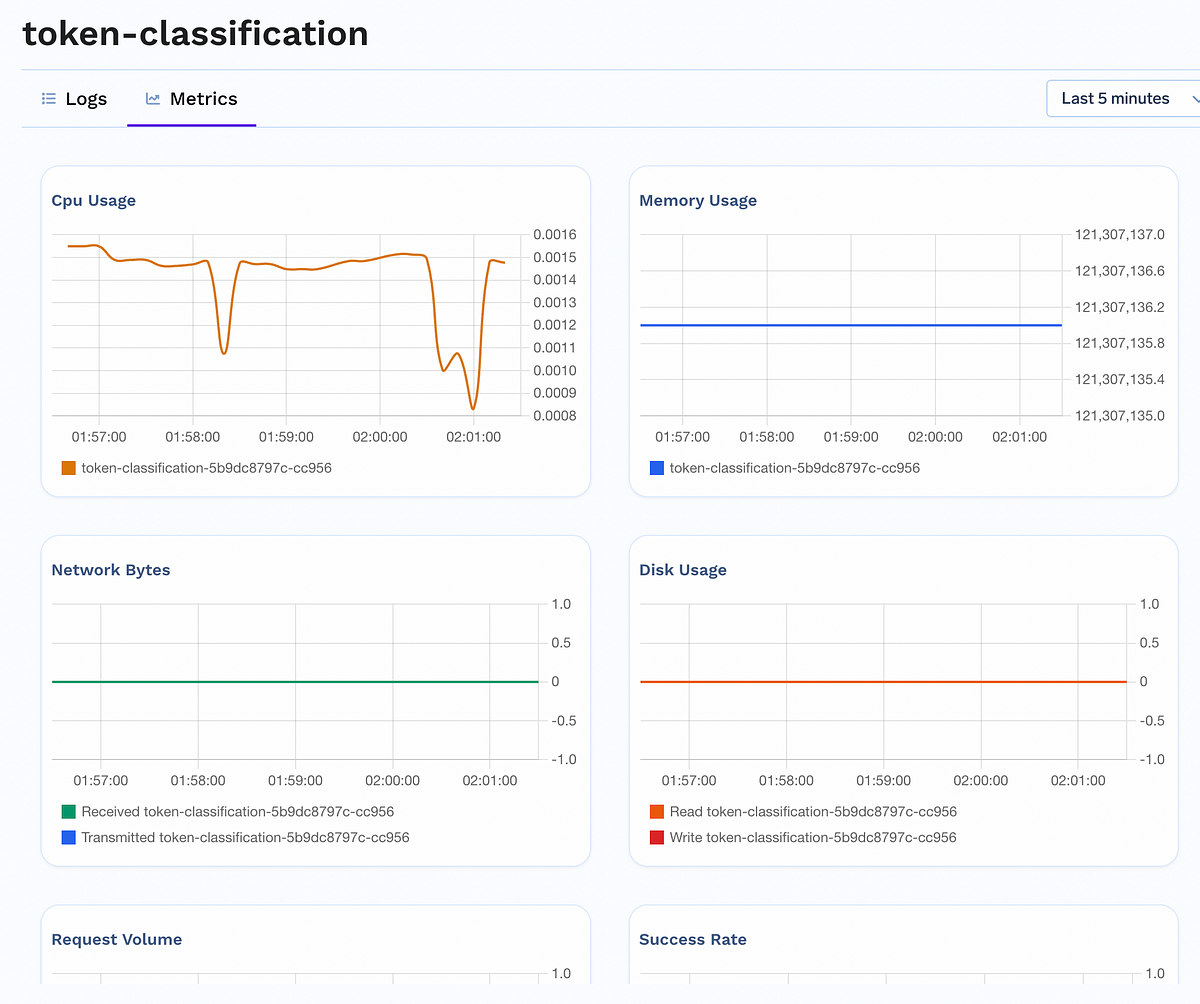
Basic Monitoring and Logging UIs directly viewable on the platform

TrueFoundry doesn’t come up with any opinions on the logging or metrics platform that you want to use. The goal here instead is to integrate with a few common logging and monitoring solutions so that we can show a quick glance on the platform itself. For more detailed and customizable views, we do recommend using the existing monitoring solutions like Prometheus, Loki, ELK, Datadog or NewRelic.

Unified view of all services deployed and running (Service Catalog)

Deployed Services / Jobs / Models

Cost estimation and optimization on a per service level / team / engineer level.

We want to enable to track cost estimation and optimization on a per service or team level. Just exposing the visibility of cost to every single engineer creates the awareness to optimize the costs and remove the burden from a single team.

Deploy any terraform module (hence enabling deployment of any managed database, queue or caching services)

We want to enable deployment of Cloud services using terraform modules written by devops or Infra team. For e.g. the devops team can create a terraform module for creating a database and developers can provision a database from the UI based on the terraform module for RDS. This will rely on the plugin framework mentioned below and a terraform controller on Kubernetes.

Will TrueFoundry work with my existing stack?

At TrueFoundry we don’t want to reinvent the wheel and use existing systems as much as possible. Thats why we integrate with a lot of existing infrastructure tools so that users can bring their own infrastructure or customize Truefoundry according to their own needs.

  1. Cloud accounts (AWS, GCP, Azure) — this helps us provision clusters automatically, create Lambda, deploy managed services.
  2. Git integration (Github, Bitbucket, Azure) — this helps developers deploy their application directly from their Git repositories.
  3. Secret Stores (AWS Secrets Manager, Google Secrets Manager, Hashicorp Vault) — this way the actual values of the secrets will be stores on the secret stores and not on the platform.
  4. Docker Registry — Dockerhub, Google GCR, Amazon ECR, Github Docker registry
  5. Terraform integration
  6. Monitoring Integrations: Promethues Grafana, Datadog, NewRelic
  7. Logging Infrastructure Integrations — Loki, Datadog, ELK stack.
  8. CI/CD Integration — Truefoundry can integrate with existing CI/CD pipelines like Github Actions, Jenkins, AWS Codebuild, Google Codebuild, etc.

If you don’t see any name here on the list, we will be happy to work with you and add more integrations to the list.

How does TrueFoundry enhance security?

POLP Principle

We follow and make it easy for infra teams to enforce POLP principle throughout the stack. Developers can be added to whatever workspaces they need access to — and their changes will be constrained to those workspaces.

No Secrets, passwords stored on Truefoundry platform

Truefoundry doesn’t store any sensitive information with itself like Kubernetes credentials, secrets. All data is encrypted at REST. We recommend providing all access through service accounts

We also plan to provide complete audit logs which helps teams understand all the actions taken across platforms.

How is TrueFoundry open and customizable?

Kubernetes Cluster is in your control

TrueFoundry exposes the raw Kubernetes cluster that it deploys workloads on and provides full access (including kubectl with proper permission access) to customers. This allows anyone to pretty much do whatever they want in addition to Truefoundry without ever blocking them.

Apart from this, we also support a plugin framework using which its easy to build further plugins — similar to CRDs on Kubernetes.

Building Custom Plugins on TrueFoundry

TrueFoundry supports each deployment methodology as a custom plugin:

To create a plugin, user has to write 3 parts:

  1. An input cue file defining the spec of the input schema
  2. Processor which defines how to convert the input spec to an output spec
  3. مواصفات الإخراج التي سيتم إرسالها إلى Kubernetes.

حالياً، يجب أن تكون مواصفات الإدخال ومواصفات الإخراج في لغة Cue ويجب أن يكون المعالج بلغة Go. ومع ذلك، في المستقبل، يمكننا السماح بمخططات الإدخال والإخراج أن تكون ممكنة أيضًا في JSON Schema، وأن تتم كتابة المعالجات بأي لغة.

نقوم بتوليد واجهة المستخدم وواجهات بايثون تلقائيًا من ملفات Cue المدخلة.

كيف تبدأ العمل على TrueFoundry؟

إعداد البنية التحتية بواسطة فرق البنية التحتية/العمليات والتطوير (DevOps):

  1. أنشئ مجموعات Kubernetes باستخدام Terraform. يوفر TrueFoundry نموذجًا لرمز Terraform يمكنه تشغيل المجموعات بنقرة واحدة مع الالتزام برمز Terraform في مستودع GitHub. يمكن لفرق DevOps / البنية التحتية تخصيص رمز Terraform وفقًا لاختيارهم وإعادة تطبيق Terraform.
  2. أنشئ حسابات خدمة عبر Terraform لتوفير الوصول إلى البنية التحتية الأخرى من مساحات أسماء Kubernetes.
  3. أضف حسابات الخدمة إلى مساحات العمل على منصة TrueFoundry وخصص مساحات العمل لفرق مختلفة.
  4. يقوم TrueFoundry بتهيئة مجموعة Kubernetes باستخدام حزمة مراقبة افتراضية (حزمة Kube-prometheus-loki-grafana)، وIstio (للوصول)، وArgoCD (لنشر البنية التحتية). سيقوم TrueFoundry بتفريغ ملفات البيان إلى مستودع GitHub يمكن لفرق البنية التحتية تعديله لاحقًا وفقًا للمتطلبات.
  5. لنشر البنية التحتية المدارة، يمكن لفرق البنية التحتية توفير وحدات Terraform لقواعد البيانات، وقوائم الانتظار، وذاكرات التخزين المؤقت، وما إلى ذلك. يمكن للمطورين بعد ذلك توفير هذه البنية التحتية باستخدام الوحدات التي يوفرها فريق البنية التحتية.
  6. ضم المطورين إلى المنصة.
  7. خصص مساحات العمل للفرق / التطبيقات.
  8. يمكن للمطورين بعد ذلك البدء في النشر بسرعة باتباع الوثائق.

كيف يعمل TrueFoundry؟

يتكون TrueFoundry من مكونين — مستوى التحكم ووكيل مجموعة أعباء العمل. وهذا يمكّن TrueFoundry من تنسيق أعباء العمل عبر مجموعات متعددة.

التمايز عن المنصات الأخرى

البنية

  1. مجموعات متعددة من اليوم الأول: يدعم Truefoundry دعم المجموعات المتعددة منذ اليوم الأول، حيث يمكن للمجموعات أن تتواجد عبر المناطق وشبكات VPC، ويمكن أن تكون خاصة/عامة. سيكون هذا صعبًا للغاية في البنية الحالية لـ Porter و Northflank. يمكن لبنية Komodor أن تفعل ذلك، لكنهم يركزون أكثر على تصور ومراقبة Kubernetes، وهو ما يأتي افتراضيًا مع منصتنا.
  2. دعم السحابة المتعددة منذ اليوم الأول: سيكون هذا صحيحًا بالنسبة لـ Porter و Northflank و Qovery ولكن فقط على طبقة Kubernetes. تدعم بنيتنا بناء تكاملات مع المزيد من المكونات السحابية الأصلية بسبب انفتاح البنية. يقوم Argonaut بذلك على نفس الطبقة الأوسع مثلنا.
  3. شفافية كاملة و Gitops — نتبع نموذج شفافية كاملة حيث يتمتع المستخدم بالتحكم الكامل في بنيته ولا يتم حظره بواسطة Truefoundry في أي وقت. في حالة Porter و Northflank و Qovery — ستتجاوز الشركات الكبرى مجموعة الوظائف بسبب البنية المغلقة. نحن نسمح أيضًا بوضع Gitops ووضع غير Gitops، وهو ما لا يفعله أحد بعد — Porter و Norhtflank و Qovery تعتمد على الدفع غير Gitops بينما CoSphere تعتمد بالكامل على Git.

نشر موحد للتطبيقات والبنية التحتية

ندمج بعمق في نشر التطبيقات والمهام ونشر تعلم الآلة (ML). هذا يحول الكثير من المعرفة بالبنية التحتية إلى مصطلحات المطورين. تقوم العديد من المنصات الأخرى بذلك عن طريق بناء تجريدات وتقليل مفاهيم البنية التحتية — بينما نحاول نحن القيام بذلك عن طريق التبسيط وعدم إخفاء الأشياء.

يتبنى Argonaut هذا النهج الذي يجمع بين نشر البنية التحتية والتطبيقات — لكن هذه ستكون دورة منتج تتراوح من 2 إلى 3 سنوات. لقد بدأوا بالتركيز أكثر على جانب البنية التحتية.

الإضافات

تعتمد بنيتنا القائمة على الإضافات على إطار عمل Kubernetes CRD مع لمستنا الخاصة من CueLang. يمنحنا هذا القدرة على إطلاق الإضافات على واجهة سطر الأوامر (CLI) وواجهة المستخدم (UI) وجميع اللغات بسرعة كبيرة. استوحي هذا من التصميم في Kubevela (مستودع مفتوح المصدر) — ولا نعرف أي لاعب آخر اكتشف هذا النمط. هذا أحد الأشياء الخاصة بنا التي ستسمح لنا أيضًا بالبناء بشكل أسرع بكثير من اللاعبين الآخرين.

الشفافية

نسعى لأن نكون شفافين قدر الإمكان من خلال توفير الكود المصدري الكامل — مما يجعل الهجرة منا سهلة للغاية. يبدو أن Porter و purple.sh فقط يضمنان ذلك — أما البقية فجميعها أنظمة مغلقة للغاية.

رؤى

نعرض بالفعل رؤى فريدة ونمنع الأخطاء الأكثر شيوعًا في نشر البرامج مثل عدم تغيير متغيرات البيئة عند النشر. لا نعرف أي منصة أخرى تقوم بذلك أو يمكنها القيام بذلك كما نفعل نحن، وذلك لمعرفتنا بتاريخ الأسرار وتاريخ النشر على حد سواء. يمكننا أيضًا توليد الكثير من الرؤى حول التكلفة والاستقرار وإنتاجية المطورين نظرًا لأننا نرى مسار الكود من التحكم بالمصدر إلى الإنتاج.

بديل لفريق المنصة

تم تصميم منصتنا لتكون أشبه بما تبنيه فرق المنصة داخليًا. إنها تعالج القضايا الرئيسية لتخصيص الموارد والأمان والتجريدات للمطورين. Porter و Northflank يشبهان Heroku أكثر. Qovery و Argonaut يشبهان بديلاً لـ Devops للشركات الصغيرة. Humanitec و shipa مصممان أكثر لفرق المنصة، لكننا وجدنا تجريداتهما صعبة الفهم والاستيعاب.

The fastest way to build, govern and scale your AI

Sign Up
Table of Contents

One Gateway for Every LLM, Agent and MCP Server

Book a 30-min with our AI expert

Book a Demo

The fastest way to build, govern and scale your AI

Book Demo
Summarize with
ChatGPT logo by OpenAI
Perplexity AI logo
Blurry red snowflake on white background, symmetrical frosty design with soft edges and abstract shape.

Discover More

November 5, 2025
|
5 min read

توطين البيانات في عصر الذكاء الاصطناعي الوكيل: كيف تمكّن بوابات الذكاء الاصطناعي التوسع السيادي والامتثال

October 5, 2023
|
5 min read

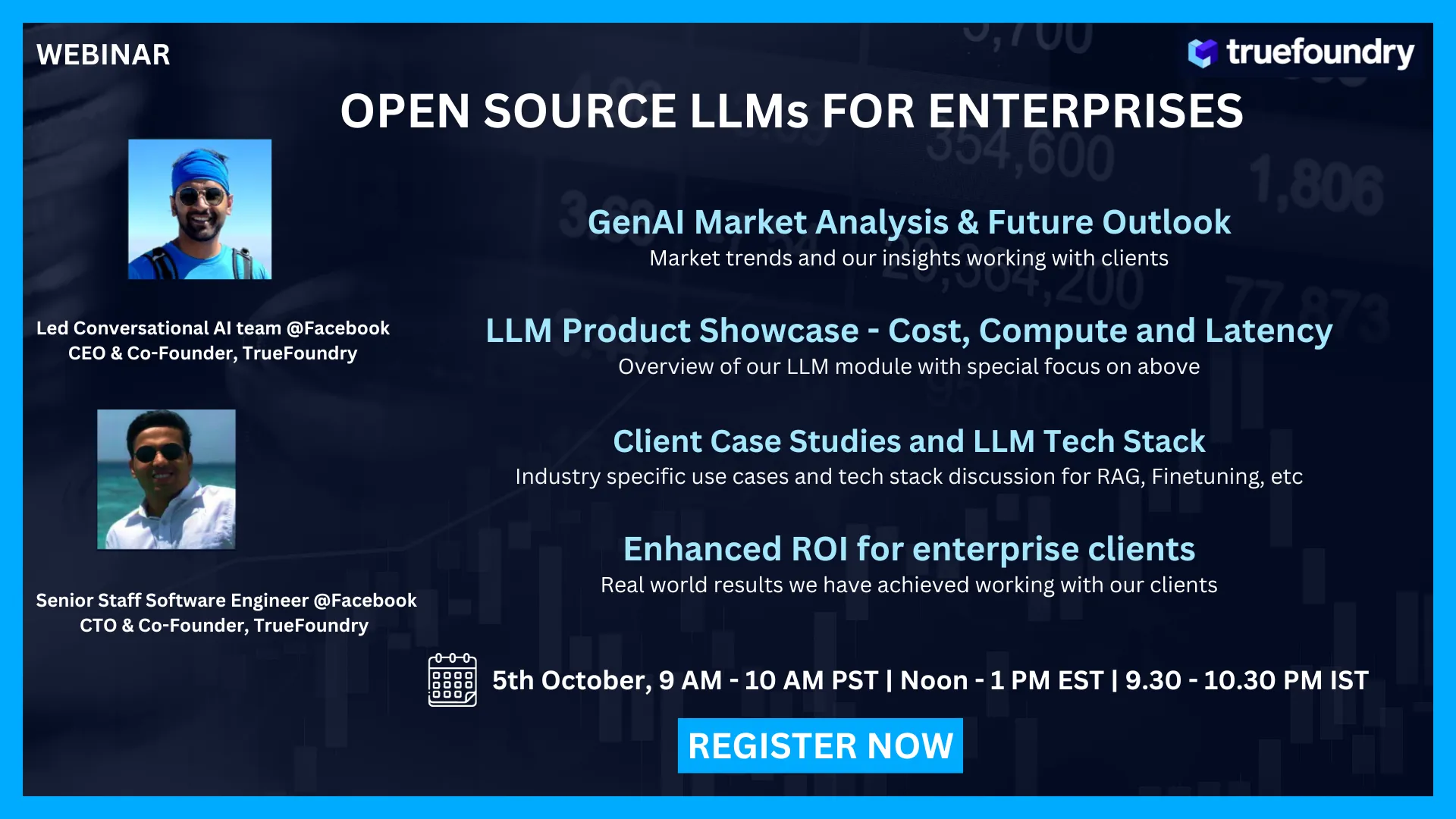
<Webinar> عرض الذكاء الاصطناعي التوليدي للمؤسسات

Best Fine Tuning Tools for Model Training
May 3, 2024
|
5 min read

أفضل 6 أدوات ضبط دقيق لتدريب النماذج في عام 2026

May 25, 2023
|
5 min read

النماذج اللغوية الكبيرة مفتوحة المصدر: تبنّها أو تندثر

July 4, 2026
|
5 min read

تكاملات منصة التعلم الآلي #1: Weights & Biases

Use Cases
Engineering and Product
July 4, 2026
|
5 min read

تكامل Pillar Security مع TrueFoundry

No items found.
July 4, 2026
|
5 min read

التخزين المؤقت الدلالي لنماذج اللغة الكبيرة (LLMs): تقليل التكلفة وزمن الاستجابة بما يتجاوز التخزين المؤقت للبادئات

No items found.
July 4, 2026
|
5 min read

تكاملات أدوات التعلم الآلي #2 DVC لإدارة إصدارات بياناتك

Engineering and Product
Use Cases
July 4, 2026
|
5 min read

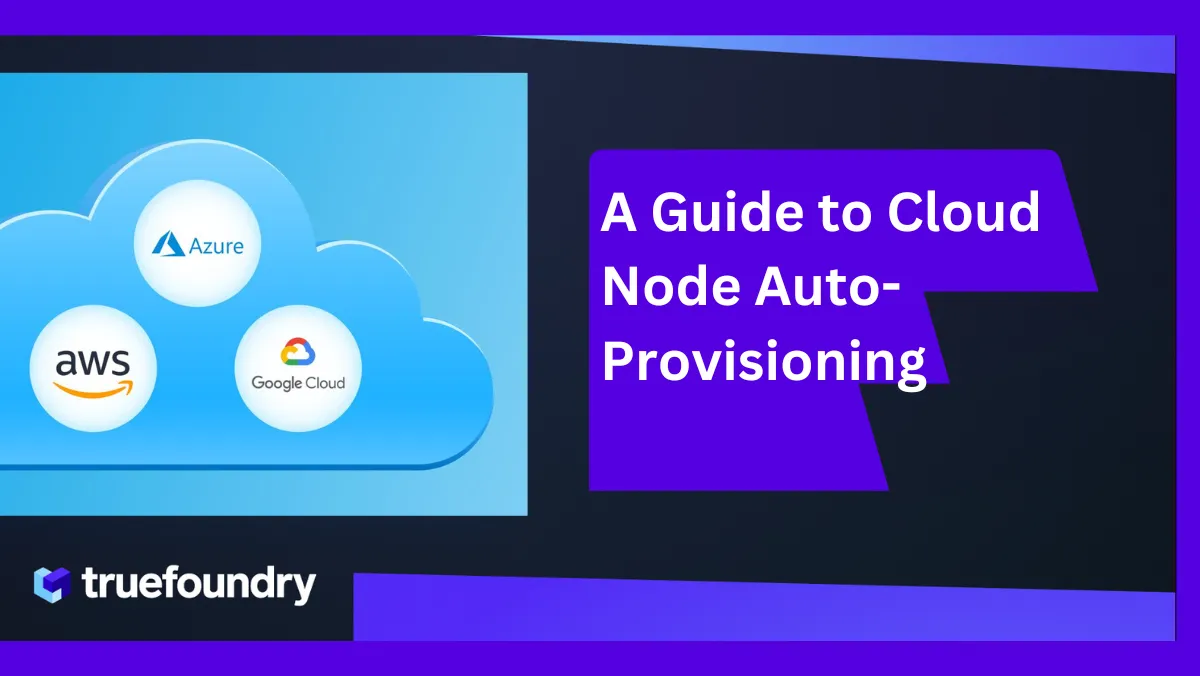
دليل للتزويد التلقائي للعقد السحابية

Kubernetes
July 4, 2026
|
5 min read

محادثات TrueML #29 - الذكاء الاصطناعي التوليدي ونماذج اللغات الكبيرة للذكاء المكاني في Beans.AI

True ML Talks

Recent Blogs

Black left pointing arrow symbol on white background, directional indicator.
Take a quick product tour
Start Product Tour
Product Tour