



October 1, 2026
|
5 min read


احصل على وصول فوري إلى بيئة TrueFoundry مباشرة. انشر النماذج، ووجّه حركة مرور LLM، واستكشف المنصة بالكامل — بيئة الاختبار الخاصة بك جاهزة في ثوانٍ، ولا يلزم وجود بطاقة ائتمان.



Published: July 4, 2026
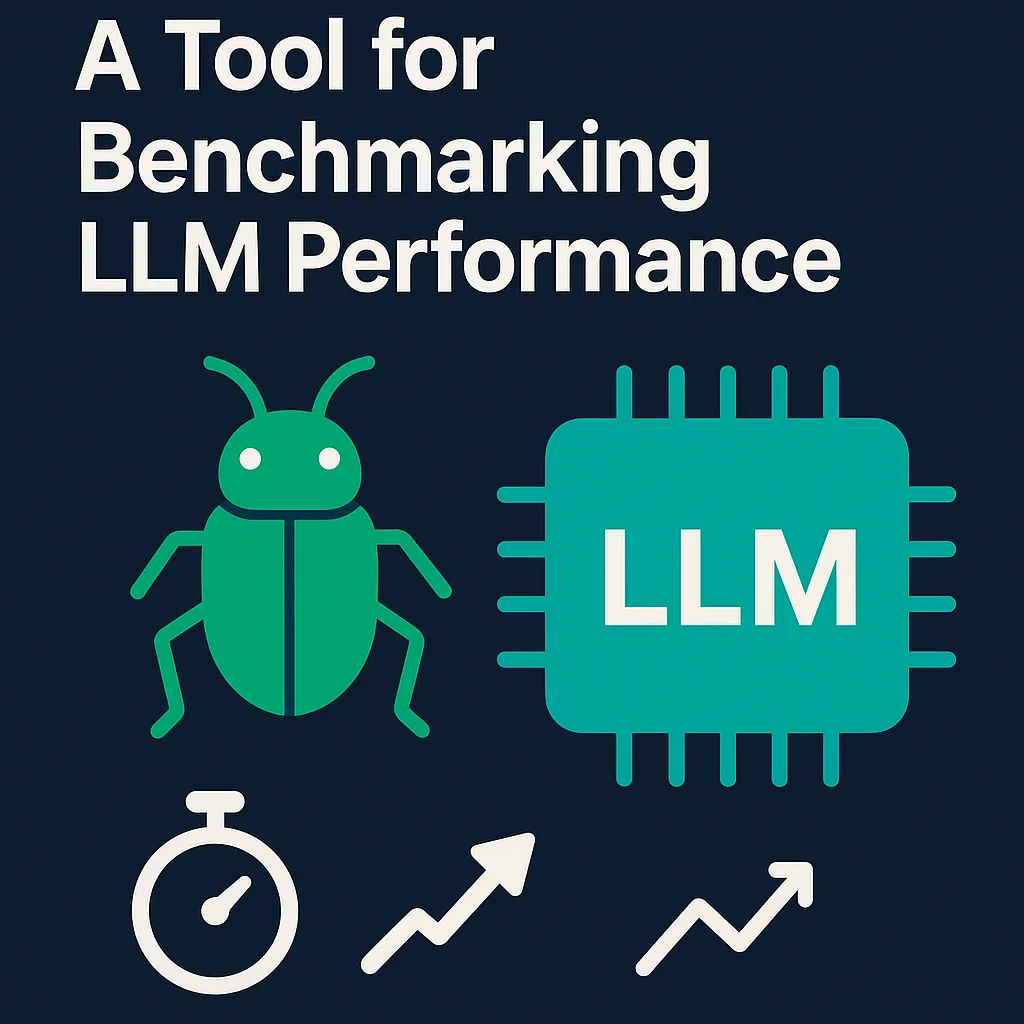
Blazingly fast way to build, track and deploy your models!
LLM Benchmarking is the process of evaluating how efficiently a Large Language Model (LLM) inference server performs under load. It goes beyond traditional performance testing by focusing on real-time response characteristics that directly impact user experience and system scalability.
Here are some of the key metrics involved:
Tracking and analyzing these metrics is critical for:
That’s where LLM Locust comes in.
As LLMs continue to power more real-time and interactive applications, benchmarking their performance accurately is more important than ever. While tools like Locust are excellent for traditional load testing, they fall short when it comes to the streaming, token-level granularity LLMs require.
Enter LLM Locust—a tool purpose-built to bridge this gap.
Let’s give credit where it’s due. Locust remains one of the most beloved tools for load testing due to its:
For standard APIs or services, it’s a fantastic choice. But for LLMs? Not quite enough.
Locust doesn’t natively track LLM-specific performance indicators, such as:
These streaming dynamics are fundamental to understanding how well an LLM performs, especially in real-time use cases.
LLM APIs often stream tokens inconsistently—some return zero tokens at first, others send one token at a time, and some deliver multiple tokens in a single chunk.
To measure output tokens accurately, responses must be re-tokenized, since the API responses can’t be trusted to follow a consistent format.
But here’s the catch: tokenization is a CPU-bound task, especially when done for every streaming response. Locust uses greenlets for lightweight concurrency, but they still operate under Python’s Global Interpreter Lock (GIL). That means CPU-heavy operations like tokenization can block the event loop, reducing throughput and skewing your benchmark results.
The combination of inconsistent streaming behavior and Python’s GIL makes this a significant performance bottleneck in traditional Locust setups.
Want to plot TTFT or streaming throughput? Locust’s UI doesn’t support custom LLM metrics out of the box, leaving key data invisible during test runs.
Tools like genai-perf are valuable, but often provide:
They lack the iterative, exploratory flexibility needed in real-world benchmarking.
LLM Locust combines the simplicity of Locust with deep support for LLM-specific benchmarking. Inspired by BentoML’s llm-bench, it introduces a modular architecture and custom frontend for real-time insights.
1. Asynchronous Request Generation
Simulated users send continuous asynchronous requests to your LLM API, mimicking real-world load. This runs on a separate python process, so there are no tokenization bottlenecks.
2. Streaming Response Collection
LLM responses are streamed and routed to a metrics daemon for lightweight parsing and analysis.
3. Metrics Processing
The daemon tokenizes responses, calculates TTFT, tokens/s, and inter-token latency, and buckets the results.
4. Aggregation
Every 2 seconds, data is sent to a FastAPI backend which mimics locust backend, which stores and aggregates metrics globally.
5. Real-Time Visualization
تُظهر الواجهة الأمامية المخصصة لـ Locust:
إليك البنية التفصيلية:

إليك عرض توضيحي لكيفية ظهوره:


Locust أداة رائعة لاختبار التحميل—لكنها ليست مناسبة لنماذج اللغات الكبيرة (LLMs) بشكل جاهز.
LLM Locust توفر الدقة المطلوبة على مستوى الرموز والبث لتقييم نماذج اللغات القوية الحالية بشكل صحيح.
سواء كنت تنشر نموذجًا مفتوح المصدر على بنيتك التحتية الخاصة أو تقارن الأداء عبر واجهات برمجة تطبيقات نماذج اللغات الكبيرة (LLM APIs)، يمنحك LLM Locust الوضوح والمرونة والتحكم للقيام بذلك على النحو الأمثل.
رابط GitHub: https://github.com/truefoundry/llm-locust
LLM Locust هي أداة قياس أداء مفتوحة المصدر مبنية على إطار عمل Locust، ومصممة خصيصًا لتقييم نماذج اللغة الكبيرة (LLM). على عكس أدوات اختبار التحميل القياسية، تقيس هذه الأداة مقاييس خاصة بالذكاء الاصطناعي التوليدي (GenAI) مثل وقت الوصول إلى الرمز الأول (TTFT) والرموز في الثانية، لضمان قدرة نماذجك على التعامل مع حركة المرور المتزامنة العالية في بيئات الإنتاج.
يوفر رؤية عميقة لكيفية تصرف النماذج تحت أحمال ثقيلة ومتزامنة من خلال تحليل الاستجابات المتدفقة ومعدلات توليد الرموز. تتيح هذه البيانات للمهندسين تحسين البنية التحتية، وتحديد الاختناقات المحتملة قبل النشر، وضمان سرعات استجابة متسقة للمستخدمين النهائيين عبر مختلف تكوينات الأجهزة ومحركات الخدمة.
نعم، ولكن بينما يعمل Locust القياسي مع واجهات برمجة التطبيقات الأساسية، فإن LLM Locust مصمم خصيصًا للمتطلبات الفريدة للذكاء الاصطناعي التوليدي. فهو يتتبع الاستجابات المتدفقة بدقة ويحسب الإنتاجية عبر طلبات متزامنة متعددة، مما يوفر صورة أوضح لكيفية توسع نموذج اللغة الكبيرة (LLM) مقارنة بأدوات اختبار التحميل التقليدية.
يتيح لك دمج LLM Locust مع منصات مثل Langfuse تصور آثار الأداء أثناء اختبارات الضغط العالي مباشرة على لوحات المعلومات الخاصة بك. يمكنك ربط أنماط التحميل المحددة بأعطال النموذج أو ارتفاعات زمن الاستجابة، مما يوفر رؤى عميقة حول موثوقية وجودة وكلاءك المستقلين تحت ضغط العالم الحقيقي.
يتيح لك تشغيل LLM Locust مع TrueFoundry قياس أداء النماذج المنشورة داخل سحابتك الخاصة. يمكنك بسهولة اختبار محركات خدمة مختلفة مثل vLLM أو TGI للعثور على التكوين الأمثل لأجهزتك المحددة، مما يضمن تحسين نشرك بالكامل من حيث التكلفة والسرعة.
TrueFoundry AI Gateway delivers ~3–4 ms latency, handles 350+ RPS on 1 vCPU, scales horizontally with ease, and is production-ready, while LiteLLM suffers from high latency, struggles beyond moderate RPS, lacks built-in scaling, and is best for light or prototype workloads.





أحدث الأخبار والمقالات والموارد تصلك مباشرة إلى بريدك الوارد
.png)

.png)
.png)
.png)

.png)
.png)
.png)
.png)
.png)
.png)
.png)


