


October 1, 2026
|
5 min read


احصل على وصول فوري إلى بيئة TrueFoundry مباشرة. انشر النماذج، ووجّه حركة مرور LLM، واستكشف المنصة بالكامل — بيئة الاختبار الخاصة بك جاهزة في ثوانٍ، ولا يلزم وجود بطاقة ائتمان.



Published: July 4, 2026
Blazingly fast way to build, track and deploy your models!
The rapid rise of large language models has pushed the industry into a new era—one where software doesn’t just respond, but acts.
As organizations experiment with AI-driven automation, the focus is shifting from standalone chatbots to autonomous “agents” capable of planning tasks, integrating with business systems, and executing end-to-end workflows.
This shift has created a new need: a structured way to discover, evaluate, govern, and deploy these agents safely at scale.
That’s where AI agent marketplaces come in.
Much like app stores transformed mobile ecosystems, agent marketplaces are emerging as the distribution layer for AI-powered capabilities. They give teams instant access to pre-built agents, reduce development friction, and provide a unified governance framework.
For enterprises, they represent the next major step in bringing AI from experimentation to real, production-grade impact.
An AI agent marketplace is a structured platform where developers and enterprises can discover, publish, deploy, and manage intelligent agents designed to automate specific tasks or workflows. Unlike traditional app stores that distribute static applications, agent marketplaces deliver dynamic, reasoning-driven agents—capable of making decisions, invoking tools, retrieving data, and executing real-world actions autonomously.
At its core, an AI agent marketplace brings three essential functions to the enterprise stack: standardization, distribution, and governance.
In short, an AI agent marketplace is the operational bridge between experimentation and enterprise-scale deployment. Paired with infrastructure like TrueFoundry’s AI Gateway and Agent Registry, it enables organizations to harness autonomous AI agents safely, efficiently, and at scale—while giving developers a clear path to build and share production-ready intelligence.
AI agent marketplaces are gaining rapid traction as organizations seek intelligent automation beyond chat interfaces and prompt wrappers. Today’s agents are capable of executing full workflows across business, technical, and creative functions—integrating with real systems and making autonomous decisions along the way. As a result, several specialized categories of agents have emerged, each tailored to a class of enterprise use cases:
An effective AI agent marketplace is more than a catalog—it’s a full-stack operating layer for intelligent agents. To be enterprise-ready, it must combine discoverability, interoperability, governance, and lifecycle control. These features ensure agents aren’t just usable—they’re trustworthy, secure, and production-hardened.
These core features separate experimental marketplaces from production-ready infrastructure. Platforms like TrueFoundry bring all of this together by combining a fully governed Agent Registry, scalable LLM infrastructure, and a secure AI Gateway that enforces policies at the tool-call level. This makes it possible to deploy, govern, and monitor autonomous agents with the same rigor applied to traditional software systems.
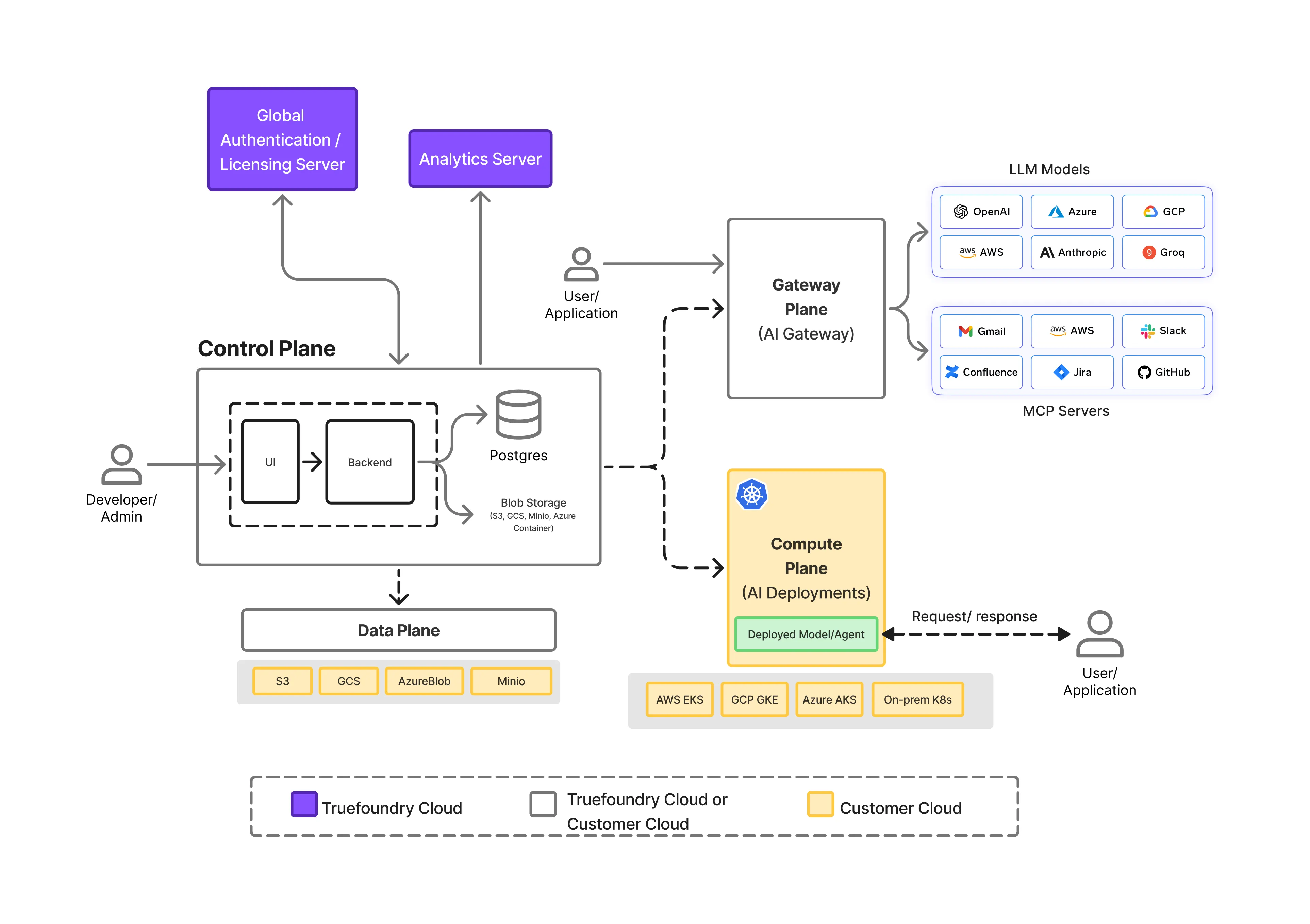
The backbone of any scalable AI agent marketplace is a modular, secure, and extensible architecture—one that balances rapid developer iteration with enterprise-grade control, compliance, and performance.
At the foundation lies the Agent Registry and Metadata Layer. This is the source of truth for all agents—storing structured definitions that include capabilities, supported tools, required permissions, version history, SLAs, and behavioral constraints. Enforcing a strict contract at this layer ensures agents are interoperable and auditable across environments.
Above the registry, the Execution Environment handles the lifecycle of agents in production. Agents are run inside isolated sandboxes or containers, each scoped with identity-bound access controls. This prevents unauthorized tool invocations, enforces permission boundaries, and guarantees that agents operate in secure, predictable contexts. Runtime policies can restrict API call surfaces, enforce timeouts, and redact sensitive payloads.
Sitting atop execution is the Agent Orchestration Layer. This governs multi-step workflows, manages contextual memory, and handles tool routing via protocols like the Model Context Protocol (MCP). Orchestration is especially critical in agent systems where autonomy introduces non-linear reasoning and dynamic tool usage. It ensures the agent’s behavior remains aligned with intent, even across retries or state resumptions.
The Integration Layer acts as the bridge between agents and enterprise systems—CRMs, ticketing tools, SaaS platforms, and private APIs. Marketplace platforms must abstract these connectors securely, exposing them to agents via governed interfaces that enforce data access policies and action-level guardrails.
Finally, the architecture must be wrapped in Observability and Governance infrastructure. This includes request tracing, usage analytics, evaluation pipelines, and fine-grained audit logs. Observability is not optional—it is essential for debugging agent behavior, monitoring drift, and ensuring that decisions made by AI agents can be inspected and verified post hoc.
TrueFoundry’s Architecture in Action
TrueFoundry brings these layers together in a production-grade agent platform. Its AI Gateway provides stateful, token-aware routing and policy enforcement at the tool-call level. The Agent Registry manages standardized agent definitions and deployment metadata. And its LLM orchestration layer handles concurrent agent execution, contextual memory, and safe retries—scalable across internal and public marketplaces. Together, these components create a foundation that makes autonomous agents enterprise-ready by design.
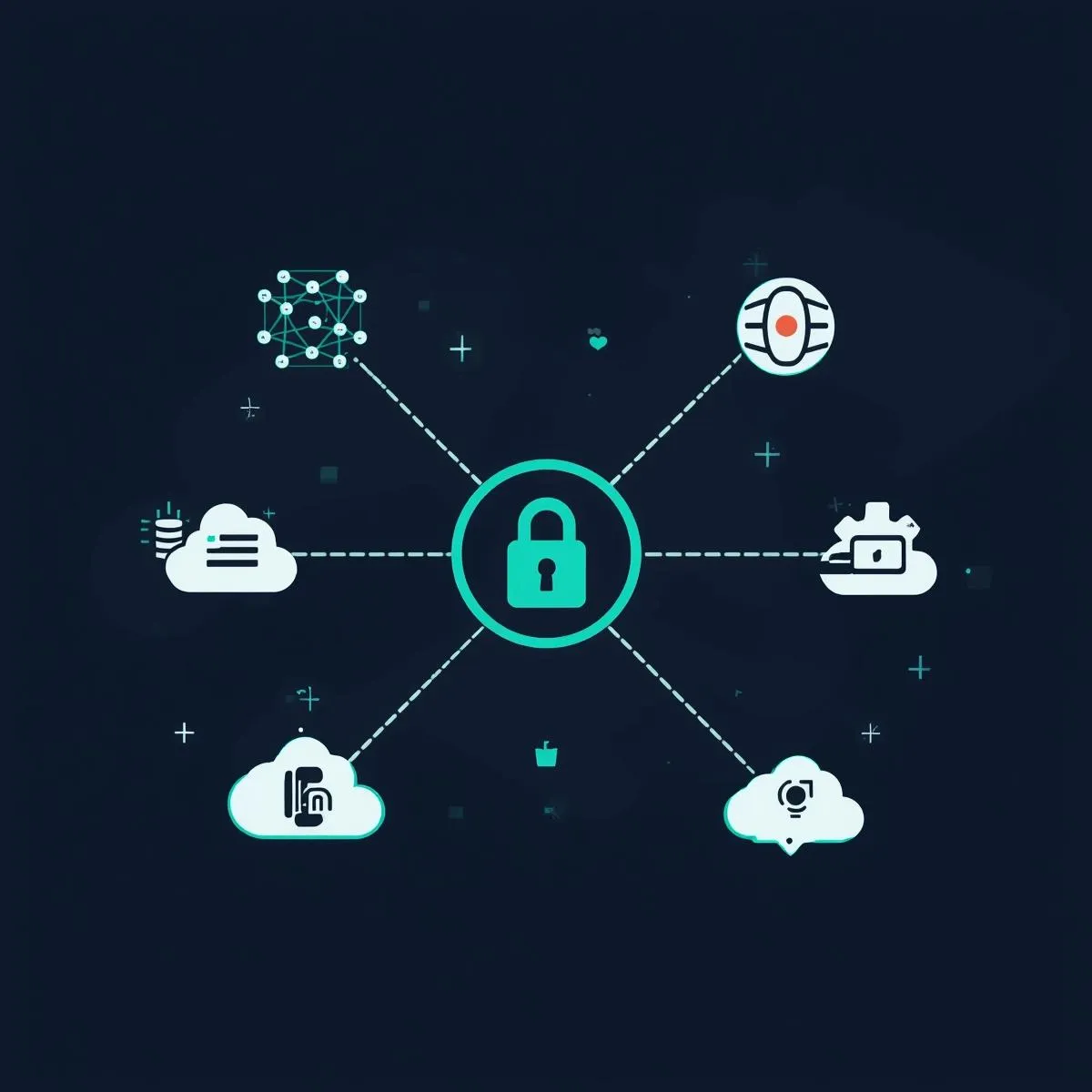
Security, compliance, and governance are non-negotiable pillars in any enterprise-grade AI agent marketplace- especially when agents are empowered to take autonomous actions, interface with sensitive data, or trigger workflows in production systems. Without robust controls, autonomy quickly becomes a liability.
At the core of this layer is fine-grained authorization and identity management. Every agent must operate within clearly defined permission scopes—governing which tools, APIs, datasets, or system endpoints it can access. These scopes are enforced dynamically at runtime, ensuring agents cannot perform actions beyond their intended authority. TrueFoundry’s AI Gateway implements this through action-level guardrails and token-based access control, tightly coupled with user or team identities.
Encryption, access logging, and retention policies are integral to maintaining compliance across verticals like finance, healthcare, and defense. Each agent interaction , whether reading from a database or invoking an external API is logged with contextual metadata, enabling full traceability and post-mortem analysis. TrueFoundry’s observability layer captures these events natively, with support for structured logs and integration into security information and event management (SIEM) tools.
Continuous governance is sustained through real-time monitoring and automated policy enforcement. Evaluation pipelines flag anomalies in agent behavior like unexpected tool usage or drift in output patterns. Enterprises can configure alerts or even halt agent execution on policy violation. For regulated industries, TrueFoundry enables alignment with frameworks like SOC 2, ISO 27001, and ITAR through audit logging, role-based access control (RBAC), and secure data zone separation.
By embedding governance into every layer - from deployment to runtime to monitoring-agent marketplaces built on platforms like TrueFoundry ensure that safety, compliance, and trust are not afterthoughts, but embedded by design.
Key Metrics for Evaluating Gateway
| Criteria | What should you evaluate ? | Priority | TrueFoundry |
|---|---|---|---|
| Latency | Adds <10ms p95 overhead for time-to-first-token? | Must Have | ✅ Supported |
| Data Residency | Keeps logs within your region (EU/US)? | Depends on use case | ✅ Supported |
| Latency-Based Routing | Automatically reroutes based on real-time latency/failures? | Must Have | ✅ Supported |
| Key Rotation & Revocation | Rotate or revoke keys without downtime? | Must Have | ✅ Supported |
| Key Rotation & Revocation | Rotate or revoke keys without downtime? | Must Have | ✅ Supported |
| Key Rotation & Revocation | Rotate or revoke keys without downtime? | Must Have | ✅ Supported |
| Key Rotation & Revocation | Rotate or revoke keys without downtime? | Must Have | ✅ Supported |
| Key Rotation & Revocation | Rotate or revoke keys without downtime? | Must Have | ✅ Supported |

Creating robust, production-grade AI agents demands a streamlined and developer-friendly workflow tailored for LLM-powered systems. Modern agent marketplaces must support this lifecycle—from authoring and validating to deployment and continuous iteration—while maintaining reliability, security, and observability.
Developers begin by defining the agent’s functional role, reasoning flow, toolchain access, memory architecture, and I/O schema. Marketplaces that enforce a structured agent specification ensure portability across environments and reduce misconfiguration risks.
Core steps include:
Platforms like TrueFoundry تسريع هذه العملية من خلال توفير هياكل قوالب جاهزة، وحزم تطوير برامج (SDKs) متكاملة، ومخططات بيانات وصفية موحدة للوكلاء.
يضمن اختبار ما قبل النشر أن الوكلاء يمكن التنبؤ بهم وآمنون. تتيح TrueFoundry بيئات تنفيذ معزولة حيث يمكن للمطورين:
يمكن أن تشمل بوابات الأمان التحليل الثابت التلقائي، أو قواعد التقييم الاستدلالية، أو التحقق بمشاركة بشرية قبل النشر.
بمجرد التحقق منها، يتم تحديد إصدارات الوكلاء ونشرها في سوق (خاص أو عام). يساعد تحديد الإصدارات الدلالي الفرق على اعتماد التحديثات دون تعطيل سير العمل. يدعم سجل وكلاء TrueFoundry الإصدارات المحددة النطاق —بحيث يمكن للفرق تصنيف الوكلاء على أنهم داخليون أو خارجيون أو تجريبيون— وتطبيق عمليات طرح تدريجية.
الوكلاء المنشورون عبر TrueFoundry’s بوابة الذكاء الاصطناعي تستفيد من قابلية المراقبة الافتراضية، وتطبيق التحكم في الوصول المستند إلى الدور (RBAC)، وإدارة دورة الحياة. هذا يقلل من الأعباء التشغيلية ويضمن الامتثال عبر البيئات المختلفة.
يجب أن توازن أسواق وكلاء الذكاء الاصطناعي بين حوافز النظام البيئي ونماذج الشراء المؤسسية. مع تزايد الطلب على الوكلاء المتخصصين والقابلين لإعادة الاستخدام، تتطور استراتيجيات تحقيق الدخل لدعم الاستدامة طويلة الأمد للمطورين ونماذج تكلفة قابلة للتطوير للمتبنين.
تشمل هياكل تحقيق الدخل الشائعة:
تدعم TrueFoundry النماذج الهجينة من خلال تمكين الوصول المقيد للوكلاء، وتحليلات الفواتير، وضوابط الاستخدام الخاصة بالفريق—وكل ذلك مع إمكانية تدقيق واضحة.
على الرغم من إمكاناتها، تواجه أسواق الوكلاء عدة عقبات يجب معالجتها للتوسع بفعالية:
1. قابلية التشغيل البيني والتوحيد القياسي
غالبًا ما يظهر الوكلاء المبنيون باستخدام أطر عمل مختلفة أو أنماط توجيه أو مكدسات تنسيق سلوكًا غير متسق. بدون مواصفات موحدة، تعاني عمليات التكامل وإمكانية إعادة الإنتاج. تتصدى TrueFoundry لهذا من خلال سجل وكلاء يعتمد على البيانات الوصفية يوحد كيفية إعلان الوكلاء عن المدخلات والأدوات والأذونات والذاكرة.
2. تعقيد الحوكمة
مع قيام المؤسسات بضم عشرات الوكلاء، تصبح إدارة نطاقات الوصول واتصالات الأدوات وأذونات وقت التشغيل تحديًا. بدون ضوابط، تتضاعف المخاطر الأمنية. يحل TrueFoundry’s AI Gateway هذه المشكلة من خلال تفويض على مستوى الإجراء، والتحكم في الوصول متعدد المستأجرين، وإمكانية المراقبة لكل وكيل.
3. ضمان الجودة والتقييم
يتطلب ضمان موثوقية الوكيل اختبارًا صارمًا ومستمرًا. لا تزال العديد من الأسواق تفتقر إلى مسارات المقارنة المعيارية، وضمان الجودة الآلي، أو تتبع الانحدار. تساعد TrueFoundry في سد هذه الفجوة باستخدام أدوات الاختبار، وبيئات الاختبار المعزولة (sandbox)، وأدوات فحص الذاكرة والرموز.
4. عمق التكامل
يقدم الوكلاء قيمة حقيقية فقط عند دمجهم مع أنظمة حقيقية (مثل أنظمة إدارة علاقات العملاء، قواعد البيانات، وظائف السحابة). بناء موصلات آمنة وقابلة لإعادة الاستخدام وقابلة للمراقبة عبر هذه الأدوات ليس بالأمر الهين. توفر TrueFoundry موصلات مُدارة، وسجلات الأدوات، ومغلفات تنفيذ آمنة لتبسيط التكامل دون المساس بالتحكم.
من خلال معالجة هذه التحديات بشكل مباشر، تساعد منصات مثل TrueFoundry في تشكيل أسواق وكلاء ليست قوية تقنيًا فحسب—بل آمنة وقابلة للحوكمة وجاهزة للمؤسسات.
مع نضوج تبني الذكاء الاصطناعي، تنتقل الشركات من الأتمتة البسيطة إلى أنظمة بيئية تعتمد على الوكلاء. يُبنى اقتصاد الذكاء الاصطناعي الوكيلي الناشئ حول وكلاء أذكياء يعملون كعمال رقميين مستقلين—قادرين على التعامل مع المهام الخاصة بالمجال بأقل قدر من الإشراف البشري.
أحد أبرز الاتجاهات هو صعود الوكلاء المؤسسيين المتخصصين. صُممت هذه الوكلاء خصيصًا لسير العمل المعقدة في مجالات مثل التمويل (مثل وكلاء التسوية)، والرعاية الصحية (مثل وكلاء تلخيص السجلات الصحية الإلكترونية)، والقانون (مثل وكلاء تحليل العقود). ما يميز هؤلاء الوكلاء هو قدرتهم على الوصول الآمن إلى البيانات الداخلية المنظمة، وتفسير سياق العمل، والتصرف بدقة—كل ذلك ضمن بيئة تشغيل محكومة.
تحول رئيسي آخر هو التعاون متعدد الوكلاء. يتطور الوكلاء إلى ما هو أبعد من تنفيذ المهام المعزولة ليصبحوا أنظمة منسقة تتشارك السياق، وتنسق المسؤوليات، وتحل التبعيات بشكل مستقل. يتم بالفعل نمذجة هذا السلوك باستخدام أطر عمل مثل بوابة الذكاء الاصطناعي من TrueFoundry، والتي تتيح التفاعل المتحكم به بين الوكلاء مع توجيه آمن للأدوات، واستمرارية الذاكرة، وصلاحيات قائمة على الأدوار.
نشهد أيضًا صعود الوكلاء الذين يختارون الأدوات—أولئك الذين يمكنهم اختيار واجهات برمجة التطبيقات ديناميكيًا، وتأليف سير العمل، وتوفير الخدمات في وقت التشغيل. يتجاوز هؤلاء الوكلاء المنطق المبرمج مسبقًا، مستفيدين من التفكير الذاتي، والاستدلال، والتخطيط التكيفي لدفع الاستقلالية التشغيلية الحقيقية. ستقلل هذه القدرة بشكل كبير من الأعباء الهندسية وتسرع دورات النشر.
تشير هذه الاتجاهات إلى تغيير جوهري في بنية المؤسسات: من البرمجيات كخدمة إلى الذكاء كخدمة. في هذا المستقبل، لم يعد الوكلاء تجريبيين—بل هم عناصر أساسية للإنتاج.
أسواق وكلاء الذكاء الاصطناعي هي الحدود التالية في أتمتة المؤسسات. من خلال توفير إمكانية الاكتشاف، والتوحيد القياسي، والحوكمة القوية، فإنها تحول الوكلاء من تجارب معزولة إلى وحدات بناء قابلة لإعادة الاستخدام والتدقيق لسير العمل الذكية.
بالنسبة للمؤسسات، السوق هو أكثر من مجرد كتالوج؛ إنه مستوى التحكم للتنفيذ الذكي. يوفر بيئة موحدة لتقييم الوكلاء ونشرهم ومراقبتهم، مما يضمن بقاء الأنظمة المدعومة بالذكاء الاصطناعي شفافة وآمنة وجاهزة للإنتاج.
تم تصميم البنية التحتية لـ TrueFoundry خصيصًا لدعم هذا التحول. بفضل بوابة الذكاء الاصطناعي الخاصة بها، وسجل الوكلاء، وطبقة التنسيق، تعمل TrueFoundry على تجريد تعقيد النشر مع تمكين حوكمة دورة الحياة الكاملة—من الاختبار في بيئة معزولة إلى التنفيذ الواعي بالذاكرة. دعمها الأصلي لمعايير مثل MCP، بالإضافة إلى قابلية المراقبة على مستوى المؤسسات، يجعلها طبقة أساسية لبناء أنظمة بيئية متعددة الوكلاء ومتوافقة.
مع تطور الوكلاء ليصبحوا فاعلين متعاونين ومستقلين، ومع سعي المؤسسات إلى التكرارية بدلاً من التجريب، سيصبح سوق الوكلاء العمود الفقري للذكاء الاصطناعي التشغيلي. حان الوقت لبناء الوكلاء وحوكمتهم وتوسيع نطاقهم، وTrueFoundry هي المنصة للقيام بذلك بثقة.
TrueFoundry AI Gateway delivers ~3–4 ms latency, handles 350+ RPS on 1 vCPU, scales horizontally with ease, and is production-ready, while LiteLLM suffers from high latency, struggles beyond moderate RPS, lacks built-in scaling, and is best for light or prototype workloads.


نعم، ظهرت العديد من أسواق وكلاء الذكاء الاصطناعي. تسمح منصات مثل Agentive وRelevance AI وGPT Store (من OpenAI) للمطورين بنشر واكتشاف وكلاء ذكاء اصطناعي جاهزين. وتشمل الخيارات المخصصة للمؤسسات TrueFoundry وAWS Bedrock Agent Marketplace، والتي تمكّن الفرق من نشر ومشاركة وكلاء جاهزين للإنتاج ضمن حدود المؤسسة.
يعتمد أفضل وكيل ذكاء اصطناعي على حالة الاستخدام. لتطوير البرمجيات، يُعد كل من Claude Code و GitHub Copilot Workspace خيارين رائدين. لأتمتة الأعمال العامة، تحظى وكلاء AutoGPT والوكلاء المدعومون بـ CrewAI بشعبية. بالنسبة لسير عمل المؤسسات، تميل المنصات المبنية على LangGraph أو البنية التحتية لوكلاء TrueFoundry إلى تقديم الأداء الأكثر موثوقية وتنظيمًا وقابلية للتوسع.
شات جي بي تي بشكله القياسي هو مساعد ذكاء اصطناعي للمحادثة بدلاً من أن يكون وكيلاً مستقلاً حقيقياً. ومع ذلك، بإضافة أدوات مثل البحث عبر الويب، ومفسر الأكواد، وتحليل الملفات، بالإضافة إلى ميزات GPT Actions و Operator الأحدث، يمكن لشات جي بي تي أن يكتسب سلوكيات شبيهة بالوكلاء تتضمن التخطيط، واستخدام الأدوات، وتنفيذ المهام متعددة الخطوات.
الأنواع السبعة المعترف بها عادةً لوكلاء الذكاء الاصطناعي هي: (1) الوكلاء الانعكاسيون البسيطون، الذين يستجيبون للمدخلات الحالية فقط؛ (2) الوكلاء الانعكاسيون القائمون على النموذج، الذين يحتفظون بنموذج داخلي للعالم؛ (3) الوكلاء القائمون على الأهداف، الذين يخططون للإجراءات نحو هدف محدد؛ (4) الوكلاء القائمون على المنفعة، الذين يحسنون وظيفة الرضا؛ (5) وكلاء التعلم، الذين يتحسنون من خلال التجربة؛ (6) أنظمة الوكلاء المتعددين، حيث يتعاون وكلاء متعددون؛ و(7) الوكلاء الهرميون، الذين يحللون المهام عبر طبقات من الوكلاء الفرعيين.



أحدث الأخبار والمقالات والموارد تصلك مباشرة إلى بريدك الوارد
.png)
.png)
.png)
.png)
.png)
.png)
.png)
.png)
.png)
.png)
.png)


